
Reviewed · KAKHETI WINE TASTING TRIPS
2 Days Private Organic Wine Tour to Kakheti Region via Rustavi and David Gareja
Rustavi to Kakheti is a fun shortcut through Georgia. In just two days you get history, sacred sites, and organic wine tastings without having to plan or drive. It’s built for people who want their sightseeing and their wine education to arrive in the same day.
I especially liked the mix of big-and-quiet places: Rustavi’s Soviet-era industrial past, then the calmer rhythm of monasteries, before shifting into small wineries and lunch. Another standout is the private guide experience, with clear pacing and real context from Tsotne, including helpful communication before and during the trip.
The main consideration is timing and pace. You’re on the move across multiple sites and wineries, so if you prefer slow, one-place-at-a-time travel, this may feel like a lot.
In This Review
- Key Points That Make This Tour Worth a Spot
- Two Days That Actually Feel Like a Plan
- Rustavi, David Gareja, and the Day 1 Mix of Sacred and Gritty
- Stopping in David Gareja Monastery
- Bodbe Monastery of St. Nino, a key spiritual anchor
- Sighnaghi, the town of Love and cobblestones
- Cradle of Wine Marani and Okro’s Winery
- Day 2 Starts With a Qvevri Story, Then Moves Underground
- Khareba’s Tunnel Winery and the former Soviet bomb shelter
- Family winery tastings and a proper lunch
- Kondoli and Giorgi Gvardzelashvili’s organic cellar
- Gombori Pass and a quick high-altitude break
- What “Organic” and “Natural” Means in Your Glass
- Lunch, Water, and Why Meals Matter on a Wine Tour
- Private Means You Set the Tempo
- Price and Value: What $340 Buys You Here
- Who This Tour Fits Best (And Who Should Reconsider)
- Should You Book This Private Organic Wine Tour?
- FAQ
- How long is the tour?
- What time does the tour start?
- Is this a private tour?
- What is included for meals and drinks?
- How many wine tastings are included?
- Where does the tour go on day 1?
- What wine-focused stops are on day 2?
- Is the tour weather-dependent?
- Are service animals allowed?
Key Points That Make This Tour Worth a Spot
- Private group, real guide time: You explore with only your party, not a shared bus crowd.
- Monasteries plus wine: David Gareja, Bodbe, and Sighnaghi balance out the cellar stops.
- Organic-focused wineries: You visit producers described as natural and organic, including qvevri fermentation.
- Lunch included: You get one sit-down meal connected to the winery stop, not just a snack.
- Breakfast + lodging included: Your overnight is handled, which simplifies the trip.
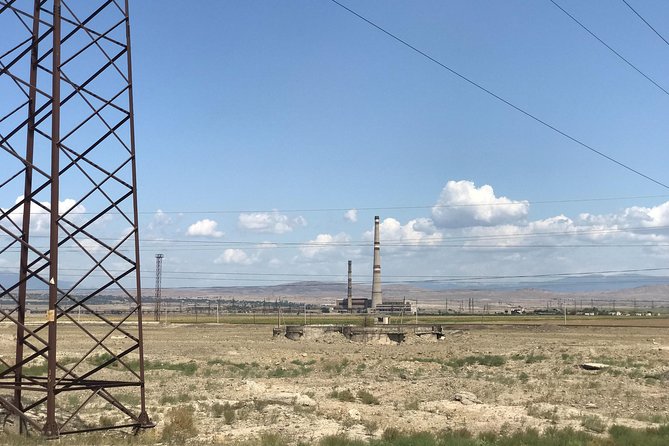
- Soviet surprises: Rustavi’s abandoned factories and a former Soviet bomb shelter tasting space add variety.
More Wine Tours in Tbilisi
- Day Trip to Kakheti Wine Region Including 9 Wine Tastings★ 5.0 · 2,774 reviews
- From Tbilisi: Kakheti Wine Region Tour with 9 Wine Tastings★ 4.9 · 2,541 reviews
- Tbilisi: Kakheti Wine Region Tour with 10 Wine Tastings★ 5.0 · 2,160 reviews
- Tbilisi: Mtskheta Jvari Bazaar, Chronicles of Georgia & Wine★ 5.0 · 1,088 reviews
Two Days That Actually Feel Like a Plan
This tour works because it doesn’t treat wine as an add-on. Day 1 leans cultural, with monasteries and a classic town walk, then Day 2 shifts fully into cellar time with multiple organic or natural wine stops.
Starting at 9:30 am also helps you see more without wasting daylight. And because pickup is included, you can start the day thinking about the view and the next tasting, not parking or directions.
One more practical win: you get an overnight stay with breakfast included. That matters in Georgia wine country, where planning lodging after tastings can turn into a headache fast.
Rustavi, David Gareja, and the Day 1 Mix of Sacred and Gritty
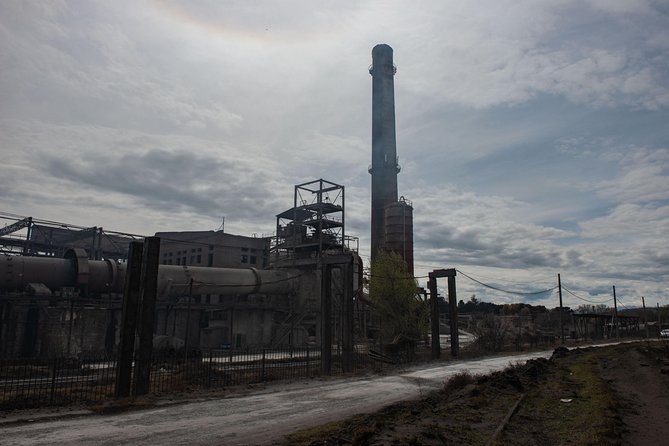
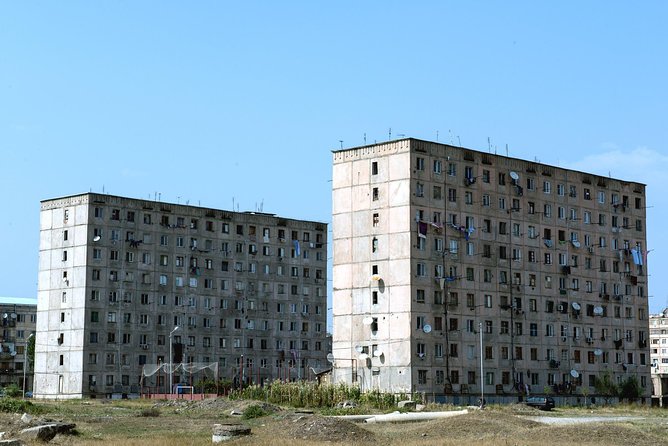
Day 1 begins in Rustavi, described as the Soviet-era’s biggest industrial town. The tour stop here is about seeing abandoned factories and getting a sense of that older, industrial Georgia that most wine tourists never see. It’s a good contrast to what comes next, and it sets a “Georgia beyond just wine labels” tone.
Stopping in David Gareja Monastery
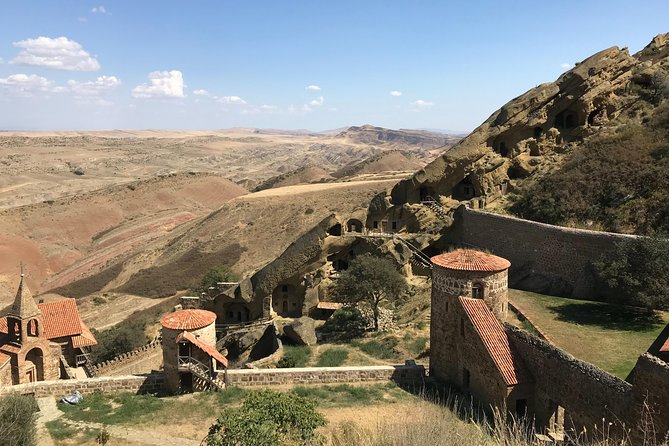
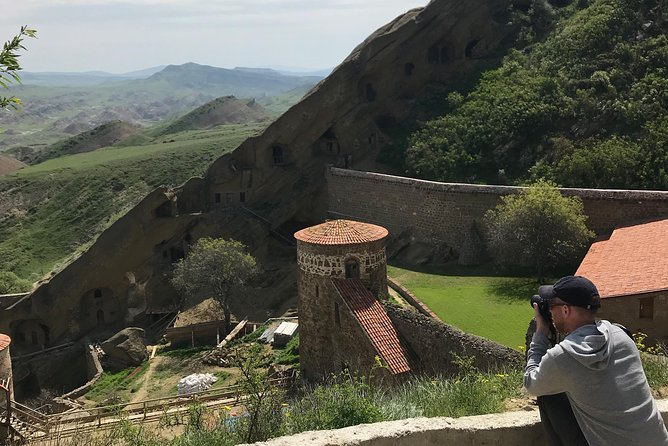
Next comes David Gareja Monastery, a 6th-century site founded by the monk David Garejeli. The schedule gives you about two hours, which is enough time to look around and take in the complex without feeling rushed.
What I like about this stop is that it’s not just a quick photo stop. You spend real time in a place tied to long-term Georgian religious history, then you’re on your way to softer, slower moments later in the day.
A consideration: religious sites can mean stairs, uneven ground, and changing light. Wear shoes you’d actually want to walk in for a couple hours.
Bodbe Monastery of St. Nino, a key spiritual anchor
After David Gareja, you head to Bodbe Monastery of St. Nino. This is a 9th-century basilica-type church, and it’s considered sacred because St. Nino is buried here. She’s closely tied to the spread of Christianity in Georgia, linked to the 4th century.
This stop usually works well for travelers who like their history grounded in specific people. You’re not just hearing dates and names. You get a clear story: a place that remembers a person who helped shape Georgia’s religious identity.
Other David Gareja monastery trips:


Sighnaghi, the town of Love and cobblestones
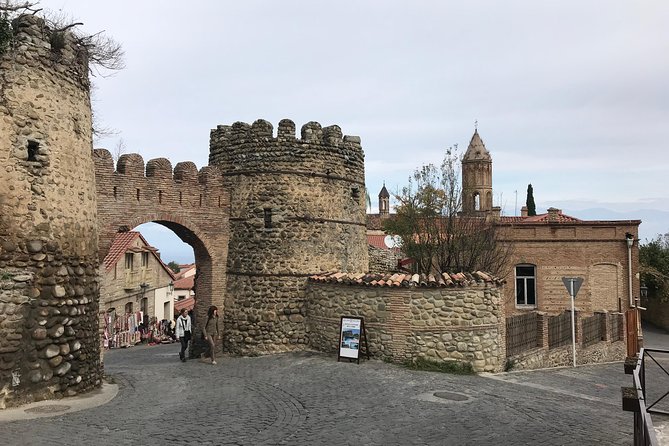
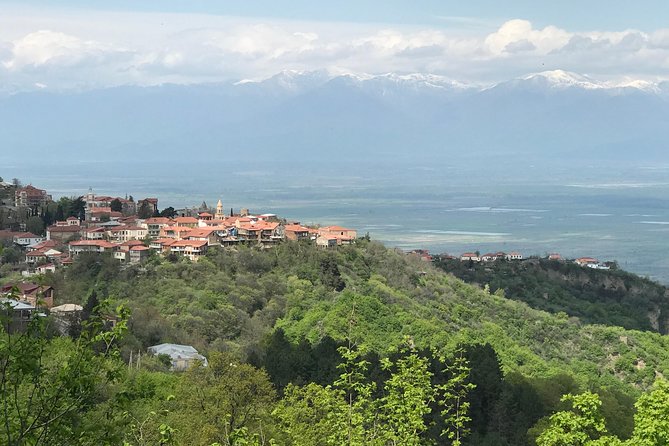
Then you arrive in Sighnaghi, known as the town of Love. You get about one hour to explore narrow cobblestone streets and the wall of Sighnaghi.
This is where the day shifts from “quiet sites” into “walkable town energy.” It’s short, so you can keep your energy for the wine side of the itinerary later.
If you’re sensitive to crowds or want maximum wandering time, note that the tour format keeps Sighnaghi to a focused window.
Cradle of Wine Marani and Okro’s Winery
Day 1 ends at Cradle of Wine Marani, also described as Okro’s winery. The focus here is on producers making 100% natural/organic wines, and you get about 1 hour 30 minutes on-site, including admission.
I like this placement at the end of the day. After walking streets and visiting sacred places, tastings feel less like an activity you’re rushing through and more like a natural way to cap the day.
You’ll want to pace yourself with water and food. Winery tastings are fun, but by the end of a full day, it’s easy to drink past your comfort zone if you’re not paying attention.
Day 2 Starts With a Qvevri Story, Then Moves Underground
Day 2 is where the tour becomes very wine-forward. You still get driving time through scenery, but most of the “real action” is in cellars and tastings.
Khareba’s Tunnel Winery and the former Soviet bomb shelter
First stop: Tunnel Winery Khareba’s. This is a traditional Georgian technology story. Wines are fermented in qvevri, underground clay vessels. Even better, the tasting area is located in a former Soviet underground bomb shelter.
That combination is memorable. You’re learning a method built to last, and you’re tasting it in a space shaped by a totally different historical era. It gives your wine education more texture than a normal tasting room.
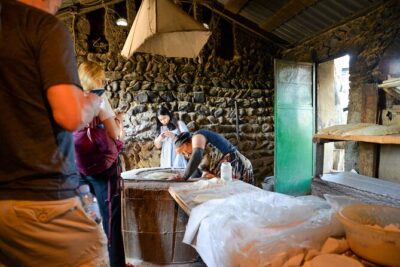
After sampling the wines, the schedule includes a masterclass of preparation of Churchkhela. If you enjoy seeing how local food traditions work, this adds hands-on value beyond just pouring and sipping.
Family winery tastings and a proper lunch
Next is Vaxo Oqruashvili’s Wine Cellar. Here the tour calls it a family winery with both wine tastings and a lunch included, with about two hours allocated.
This is an important part of the trip for me. Wine tours can sometimes get meal-light, but this one builds in a lunch within the winery context. That means you get to refuel while staying in the same setting, rather than searching for food between destinations.
If you’re a slow eater, you’ll appreciate the longer time window compared to a quick stop.
Kondoli and Giorgi Gvardzelashvili’s organic cellar
Then you visit Kondoli, described as a 100% organic winery linked to Giorgi Gvardzelashvili. The tasting portion here includes three types of wine and chacha. You also get about 1 hour 30 minutes.
This stop is great if you want to compare tastes across different bottles rather than only sampling one style. And chacha is a reminder that Georgian grape culture has a strong spirits side too, not only wine.
Main consideration: if chacha is new to you, go slow. It’s part of the experience here, but it can catch up quickly if you drink casually.
Gombori Pass and a quick high-altitude break
On the way back to Tbilisi, you pass through Gombori Pass. The tour notes a reach up to 1,620 meters above sea level, with breathtaking mountain scenery along the route.
The itinerary allocates only a brief time here, so think of it as a scenic crossing and quick outlook, not a long hike. It’s the kind of stop that refreshes your head after hours in wineries and cars.
What “Organic” and “Natural” Means in Your Glass
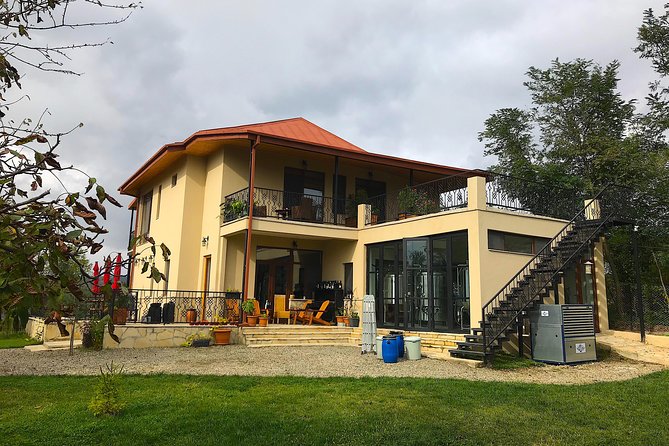
The tour is built around wineries that are described as 100% natural/organic. You’ll see that label supported by how they produce wine, especially when qvevri fermentation is involved.
In plain terms, qvevri winemaking leans on traditional clay-vessel aging and fermentation. When you taste wines from this approach, you often notice differences in texture and character compared with styles fermented in modern tanks. You might not be able to name every chemical difference, but you can learn to compare what you like.
Also, each winery stop adds a different setting and method story. That matters because it turns tastings into education. You’re not only collecting sips, you’re building a mental map of how Georgia’s winemaking heritage shows up in real bottles.
One thing I’d watch: “natural” and “organic” language can be broad. The best way to get value is to ask questions at each stop. If your guide and the winery staff explain what they mean in their own words, you’ll get the real payoff.
Lunch, Water, and Why Meals Matter on a Wine Tour
This tour includes one lunch, and your accommodation comes with breakfast. There’s also bottle of water per person each day.
Why I care about these details: wine tours are easier to enjoy when you’re not fighting dehydration or hunger. A included lunch tied to the winery stop is also smart because it reduces decision fatigue. You’re not trying to find a random restaurant after tastings.
If you have dietary needs, the only responsible approach is to check with the operator at booking. The tour data confirms lunch is included, but it doesn’t spell out meal options.
Private Means You Set the Tempo
A private tour is not automatically better, but it can be better here because the itinerary has variety. You go from Soviet industrial leftovers to centuries-old monasteries and then into a set of wine experiences that can involve alcohol-heavy tastings.
With a private setup, you can ask more questions and adjust your own pace within reason. Tsotne is highlighted in one of the provided write-ups as someone who communicated well and stayed helpful through the return, which is exactly what you want on a two-day schedule.
Also, pickup means you start “in mode.” You don’t spend the first hour figuring out where to meet or wrestling with transit.
Price and Value: What $340 Buys You Here
At $340 per person, this tour isn’t the cheapest way to do wine country. But you are paying for several bundled pieces that add up quickly if you do them separately:
- Private guiding for two days
- Pickup included
- Accommodation with breakfast included
- Four included wine tastings
- One lunch
- Bottle of water each day
- Several key site visits, with some admission listed as included and some as free
If you try to DIY this, the hidden costs usually show up in time and stress. You’d have to line up drivers or rent a car, secure lodging, and coordinate winery permissions for tastings. Those tasks can eat your energy faster than you expect.
One thing to sanity-check is your group size. Private tours are often best value when you’re sharing costs among more people. If you’re traveling solo, the per-person price may feel steeper, but you still benefit from the included lodging and tastings.
Who This Tour Fits Best (And Who Should Reconsider)
I think this tour fits best if you want:
- Wine tasting with actual winemaking context, including qvevri and churchkhela
- A two-day structure that covers major highlights without you building an itinerary
- Culture and history that is real, not just a backdrop
It might be less ideal if you prefer:
- Long stays in fewer places, with lots of free time
- A very relaxed day where you skip wine tastings or avoid alcohol tastings
- Off-the-grid travel with minimal driving
If you do go, choose comfortable shoes and plan to pace your tastings. You’ll enjoy more when you’re not rushing to stay upright.
Should You Book This Private Organic Wine Tour?
Book it if you want a balanced two-day itinerary that combines sacred sites, a classic hill town walk, and organic wine experiences with hands-on food learning. The private format and included overnight with breakfast make it feel well thought out, and the guide support matters on a schedule like this.
Consider a different option if you hate moving around or if you want lots of downtime. This is an active plan, and wine tastings are part of the pacing, not a side quest.
FAQ
How long is the tour?
The tour runs for 2 days (approx.).
What time does the tour start?
The start time is 9:30 am.
Is this a private tour?
Yes. It is a private tour/activity, and only your group participates.
What is included for meals and drinks?
Lunch is included, and accommodation with breakfast is included. There is also a bottle of water per person each day.
How many wine tastings are included?
Four wine tastings are included as part of the tour.
Where does the tour go on day 1?
Day 1 includes Rustavi, David Gareja Monastery, Bodbe Monastery of St. Nino, Sighnaghi, and Cradle of Wine Marani.
What wine-focused stops are on day 2?
Day 2 includes Tunnel Winery Khareba’s, Vaxo Oqruashvili’s Wine Cellar, and Kondoli, plus return via Gombori Pass.
Is the tour weather-dependent?
Yes. The experience requires good weather. If it is canceled due to poor weather, you are offered a different date or a full refund.
Are service animals allowed?
Service animals are allowed.
More 2-Day Experiences in Tbilisi
- Tbilisi: 2-Day Gudauri and Kazbegi Tour with Hotel Pickup
★ 4.9 · 357 reviews - 2 Days Trip to West Georgia (Caves, Canyons, Waterfalls)
★ 4.5 · 14 reviews - 2-Day Kutaisi Tour: Caves, Canyons & Soviet Sanatoriums
★ 5.0 · 12 reviews - Tour to Yerevan Sevan Dilijan Armenia from Tbilisi 2 days
★ 5.0 · 9 reviews
Other Kakheti Wine Tasting Trips
- Kakheti Wine Region: Signagi and Bodbe Tour with 10 Wine Tastings
★ 5.0 · 1,019 reviews - Kakheti;City of Love Sighnaghi, Bodbe. KTW. Wine House Group tour
★ 5.0 · 376 reviews - Kakheti: Bodbe, Sighnaghi, Telavi Wine Tour from Tbilisi
★ 5.0 · 307 reviews - Day tour to Kakheti wine region Georgia
★ 4.5 · 223 reviews
Newer trips around Tbilisi
- Tbilisi Private Dinner: Georgian BBQ & Fireplace
★ 5.0 · 1 review - Day trip in Kakheti-wine tour
★ 5.0 · 1 review - Tbilisi: Khinkali Tasting Lunch with Local Drinks and Pickup
★ 5.0 · 1 review - Tbilisi & Mtskheta bus tour hop on hop off
★ 5.0 · 1 review - Tbilisi: Christmas Market & Hidden Gems Guided Walking Tour
★ 5.0 · 1 review - Stalin’s Secrets: An Underground Journey Through History
★ 5.0 · 1 review
Kakheti Wine Tasting Trips, compared.
Day Trip to Kakheti Wine Region Including 9 Wine Tastings
Read our review →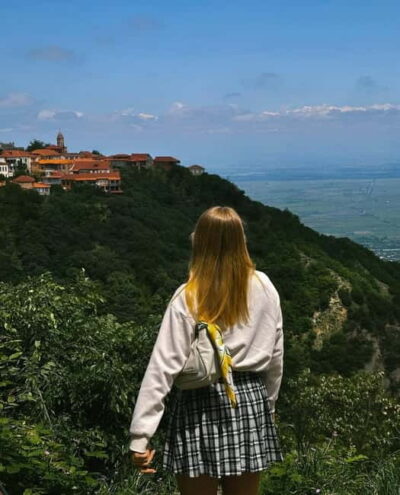
Kakheti Wine Region Tour with 9 Wine Tastings
Read our review →
Kakheti Wine Region Tour with 10 Wine Tastings
Read our review →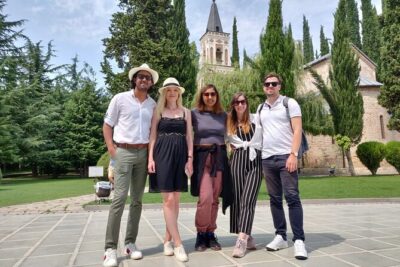
Kakheti Wine Region: Signagi and Bodbe Tour with 10 Wine Tastings
Read our review →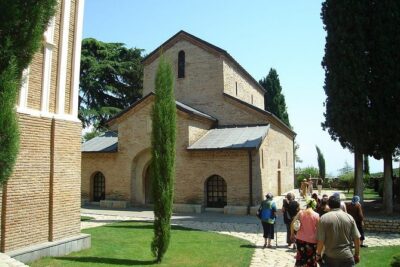
Kakheti;City of Love Sighnaghi, Bodbe. KTW. Wine House Group tour
Read our review →
Kakheti: Bodbe, Sighnaghi, Telavi Wine Tour from Tbilisi
Read our review →
Full Day Private Wine Tour in Kakheti Region with Lunch and 3 Wine Tastings
Read our review →Browse the lists this tour appears in