
Reviewed · TUSHETI & KHEVSURETI HIGHLAND TRIPS
3 Day Tusheti Tour Explore Unspoiled Wilderness
One winding road can change your whole trip. This 3-day Tusheti tour pairs mountain pass drama with real village life, plus must-see Kakheti stops like Gombori Pass and Alaverdi Cathedral. I love that the route is paced for mountain realities, so you spend time where it counts, and I also like the trusted small-group setup with experienced guides and drivers. The main drawback to plan for is the road and weather factor, since routes can shift due to rain, delays, and the region’s seasonal limits.
If you want a Georgia trip that feels remote and human, this works well. Tusheti is high country, with limited infrastructure and spotty communication, so you are trading convenience for atmosphere. You also need a moderate fitness level, warm layers, and a little patience for slow, scenic driving.
In This Review
- Key Highlights You’ll Care About
- Tusheti In 3 Days, What This Route Really Means
- Starting With Gombori Pass And Alaverdi St. George Cathedral
- The Drive Into Tusheti, Why Abano Pass Is The Point
- Omalo Guesthouse Life, The Real Tusheti Feeling
- Day 2: Dartlo, Diklo Ruins, And Shenako Towers
- Day 3: Omalo’s Keselo Fortress And The Return To Tbilisi
- Price And Value, What $335 Buys In The Real World
- Guides And Drivers, The Team That Makes This Work
- Packing And Health Tips For High-Altitude, Low-Signal Travel
- When This Tour Is A Great Fit, And When It Is Not
- Should You Book This Tusheti Adventure?
- FAQ
- What is the duration of the Tusheti tour?
- Where does the tour start and what time is pickup?
- What is the price per person?
- What language is the tour offered in?
- What is included in the price?
- What type of accommodation is included?
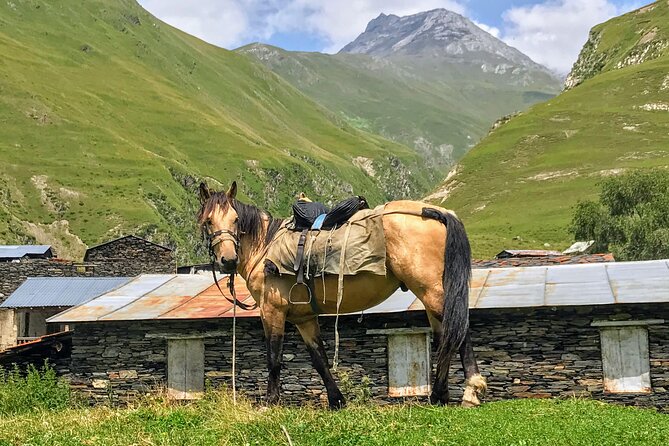
- Is horse riding included?
- Is a private room available?
- Do they accept credit cards in Tusheti?
- When is the Tusheti tour available?
Key Highlights You’ll Care About
- High-pass road thrills on Abano and scenic drives toward Tusheti, with views that change by the hour.
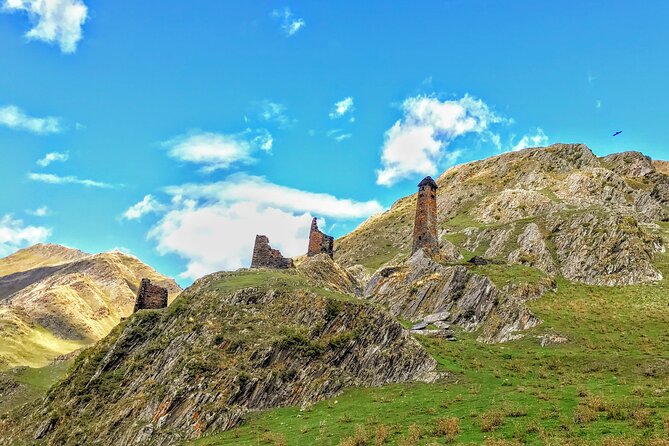
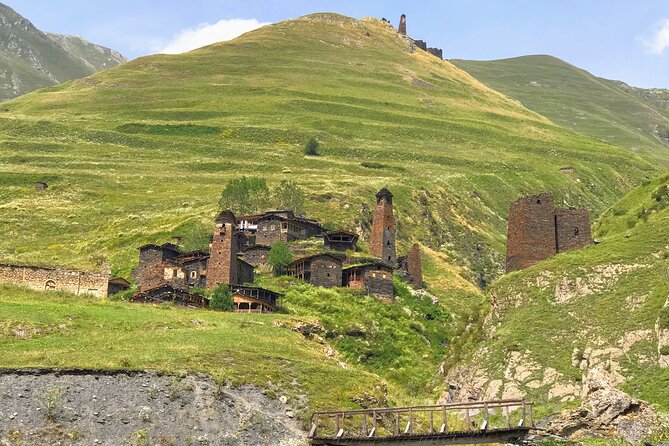
- Stone-tower Tusheti villages like Shenako, with St George’s Church and the style of medieval architecture.
- Guesthouse comfort in Omalo that is simple, clean, and focused on local meals rather than luxury.
- Guides who steer the day with history, local context, and flexible timing when weather or interests slow things down.
- Safety on steep roads, a point repeatedly praised for both driver skill and guide care.
- A rustic culture reset in a protected, Leave No Trace area with limited power, water, and cell coverage.
Other Tusheti and Khevsureti highland trips:
- Tusheti Thrill: Limited-Time Mountain Escape 3 day tour★ 5.0 · 26 reviews
- day trip to Shatili, Khevsureti, Mutso, Ananuri.★ 5.0 · 21 reviews
- Five days tour to Khevsureti (Abudelauri lakes) & Kazbegi with hikes.★ 5.0 · 14 reviews
- Trekking Tour from Tusheti to Khevsureti via Atsunta Pass★ 5.0 · 6 reviews
Tusheti In 3 Days, What This Route Really Means
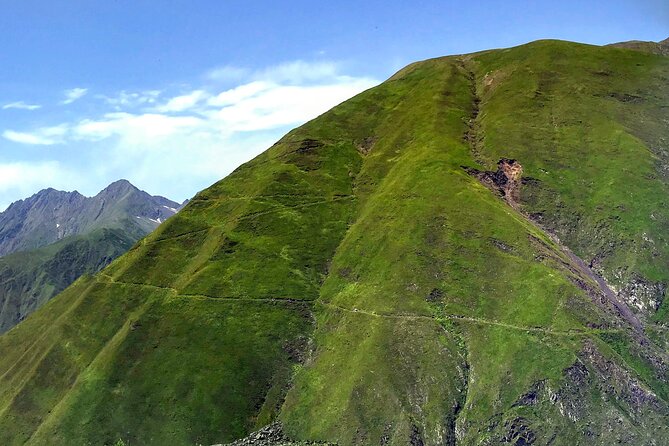
This tour is built around one big idea: getting you from Georgia’s easier roads into a place that feels cut off. You start in the wider Kakheti region, then you climb toward Tusheti through passes that are famous for sharp turns and altitude. That is why the driving matters almost as much as the villages.
The pacing also matters. You are not trying to sprint through everything, because Tusheti is remote and weather can interrupt plans. The itinerary includes a mix of cultural stops (cathedrals and fortresses) and village time, plus the day ends in Omalo for real guesthouse life.
The group size stays small, with a maximum of 6 travelers. That often means more attention to individual comfort on the road, and more chances for questions during village stops. It also helps explain why so many reviews focus on guide and driver teamwork.
Starting With Gombori Pass And Alaverdi St. George Cathedral
Your first day begins with a classic Kakheti highlight: Gombori Pass. The road connects Tbilisi and Telavi and is known for winding climbs and panoramic views over the Alazani Valley. As you rise, the scenery shifts from semi-desert to greener forests, so even before you reach Tusheti you feel the region changing.
You will likely stop at viewpoints on the way up. At the top, there is a Gombori viewing platform for wide mountain and valley views, and you can also connect the scenery to history. The pass ties into the Great Silk Road story, and the 17th-century Gombori Fortress is part of what you can visit.
Next comes Alaverdi St. George Cathedral, an important monastery site in Kakheti. It was founded in the 6th century and is known for its 11th-century cathedral, noted for its height in Georgia. Inside, you can expect frescoes and detailed carvings, plus religious artifacts such as manuscripts and icons.
A practical upside of Day 1 is that these stops give you context for Georgia’s spiritual and historical layers before the mountain remoteness. The possible downside is time: a day packed with views and a major cathedral means you should keep your phone and camera batteries ready early.
The Drive Into Tusheti, Why Abano Pass Is The Point
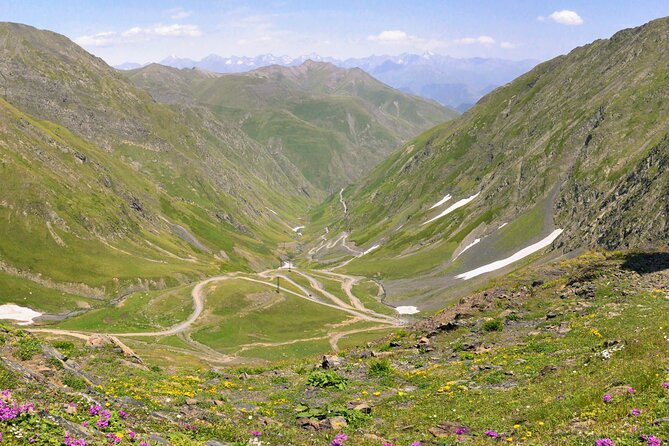
Then the tour commits to the part people come for: the road to Tusheti. The trip runs about 93 kilometers from Alvani, and it is repeatedly described as one of the most scenic and challenging drives in the Caucasus. You cross alpine pastures, pass villages perched high in the mountains, and see traditional stone towers and ancient churches scattered across the region.
Tusheti itself is only open for visitors during a limited season, typically from June to September. That matters because the tour’s schedule depends on weather and pass access. If you go outside the window, you risk cancellations or major route changes due to snow and road conditions.
Abano Pass is the other star of the drive. It reaches roughly 2,850 to 2,826 meters, making it among the highest motorable passes in Georgia. You can also encounter shepherd flocks on the route, which is one of those small, authentic moments that make the climb feel alive.
I like how the tour does not treat this as just transport. It treats the drive as a major experience with stops and time to look, not only seat time. If you are sensitive to motion sickness, bring your own plan, because the roads can be rough and curvy and medical options are limited in the region.
Omalo Guesthouse Life, The Real Tusheti Feeling
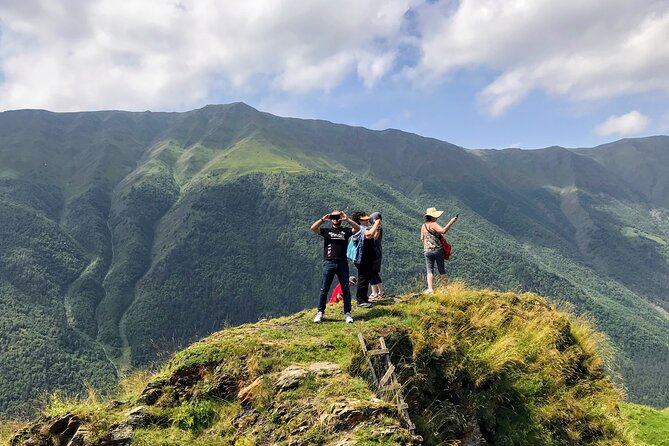
By the end of Day 1, you reach Omalo, one of the most popular bases in Tusheti. This is where the trip shifts from sightseeing into daily rhythm. The tour includes accommodation in a traditional guesthouse in Omalo.
The rooms are described as simple but comfortable, with clean spaces and private bathrooms. Meals are home-cooked with local produce, and hosts can arrange extras like horse riding or outdoor activities. The idea is not five-star comforts, it is getting you into the village routine and letting you slow down long enough to notice details.
Omalo is also a walkable village experience. You can explore ancient stone houses and winding cobbled streets with mountain views all around you. Since only about 37 inhabitants are mentioned for Omalo in the tour context, it has that quiet scale that makes Tusheti feel real rather than staged.
A key consideration is infrastructure. Tusheti has limited electricity and running water, and cell phone coverage is limited. So if you expect instant uploads, late-night charging, or constant signal, you will be disappointed. If you accept the trade, you get the benefit, which is that the world quiets down and your attention sharpens.
Other national park trips near Tbilisi:
Day 2: Dartlo, Diklo Ruins, And Shenako Towers
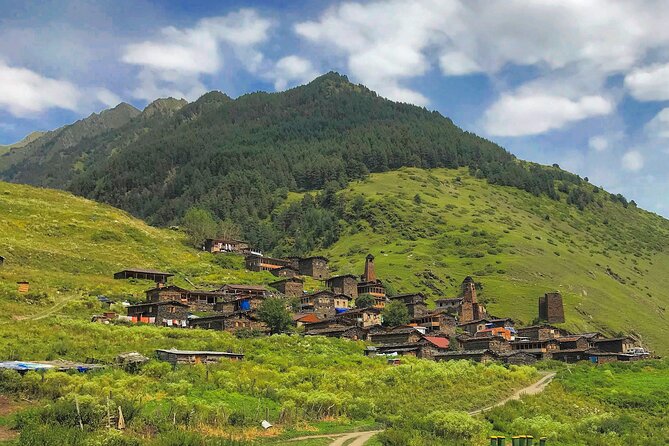
Day 2 starts with Dartlo, known for narrow streets and traditional stone houses. You will also see religious layers here, including both pagan and Christian elements in the broader area. There is the 19th-century Dartlo Church, plus a late medieval family tower tied to the Nachauridzes name.
Dartlo also includes the Iakhsari Icon Complex, described as a shrine dedicated to a pagan deity. The complex includes different structures such as a hall, sacristy, flag tower, and women’s page. Even if you are not studying architecture, it helps you understand how old and newer beliefs coexisted in the same mountain geography.
From Dartlo, the tour goes to Diklo. Here you can see ruins of a fortress overlooking the village, plus summer shelters for shepherds and sheep. The village is depopulated in winter due to harsh climate and road conditions, so you get a sense of seasonality and why people historically moved with the mountains.
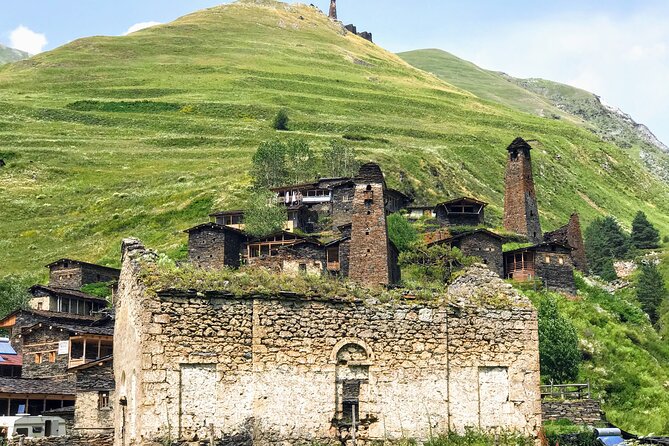
Next comes Shenako, one of the most iconic Tusheti stops. Shenako is famous for medieval stone tower houses made from black flat stones and wood. The ground floors traditionally held livestock, while upper levels served as living spaces and protection against intruders.
At Shenako you can also visit St George’s Church, built in the 19th century. The church is described as a free-cross domed building made of slate and limestone, with eight narrow arched windows in the dome. It has whitewashed walls, and the dome has a tin-covered octagonal look with a pyramidal roof, plus a square bell tower with only foundations remaining.
One reason this day feels strong is that the stops link together. You move from cultural complexity in Dartlo to fortress and pastoral remnants in Diklo, then into the full architecture identity in Shenako. That progression helps the region click into place.
Day 3: Omalo’s Keselo Fortress And The Return To Tbilisi
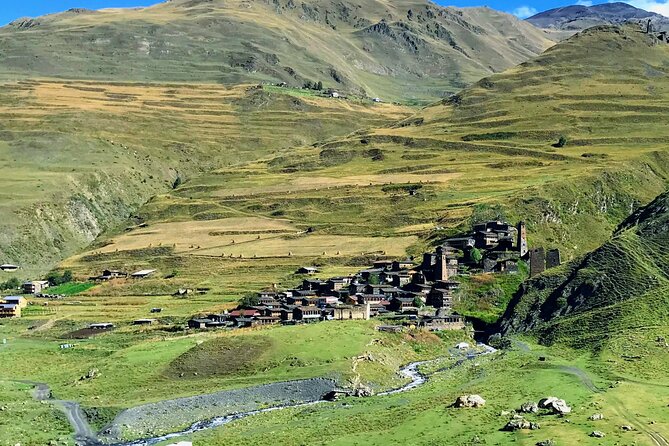
Day 3 begins again in Omalo, but this time with medieval defense details. The historical part includes the Keselo Fortress, said to date back to the Mongol invasion of 1230. It is described as serving as defense against raids by North Caucasian tribes.
Some restoration has been done, so you can see both the ruins and the sense of care that keeps the structure legible. The houses around the village are described as examples of distinctive Tusheti architecture built between the 17th and 19th centuries.
Then it is time to return to Tbilisi late afternoon. The itinerary suggests a short stop in Tbilisi to end the day, so you arrive back with the sense that you have gone from high-mountain quiet back into a busy city. If you get motion sickness easily, remember that Day 3 includes more road time, since the trip has to get you out safely before the day ends.
In my opinion, this is the right way to close the loop. You finish with Omalo’s history and architecture rather than adding one more long distant stop. It keeps the last impressions cohesive: towers, fortifications, and the slow village scale of Tusheti.
Price And Value, What $335 Buys In The Real World
At $335 per person for an approximate 3-day tour, the price is best understood as paying for three things you cannot easily DIY. First, you are paying for transport on rugged mountain roads, including the scenic but demanding climb through passes. Second, you are paying for local guiding and interpretation at multiple cultural sites. Third, you are paying for included meals and guesthouse lodging, which matters when services are limited in Tusheti.
Breakfast is included twice, and dinner is included twice. That means your most important meals after arrival and during your village days are handled. You also get comfortable accommodations described as single or double rooms, with the note that private rooms cost extra at 50 USD for 2 nights.
If you plan on spending on food every day outside Tusheti, costs can add up quickly. Here, you get a baseline covered. It is still smart to budget for additional food and beverages, since those are not included.
Also note what is not included: horse riding is an option but not automatically part of the package. So if you want that, you will pay separately.
Guides And Drivers, The Team That Makes This Work
One of the most praised parts of this tour is the combination of guide knowledge and driver confidence on steep roads. Multiple reviews name guides such as Koba and Jonah, with supportive team energy that keeps long drives from feeling scary or tedious. Drivers also get heavy credit, with names like Gotcha, Vepho, Goce, Verpho, Vepkho, and Davit appearing in different accounts.
What I take from this is simple: on a remote mountain route, the person behind the wheel matters. The tour specifically uses a Mitsubishi Delica for transport, described as reliable and equipped for rugged terrain. It may not be luxury, but it fits the job, and the repeated praise for safety suggests it is a practical choice.
I also like the way guides handle timing and flexibility. One review-style highlight is that the day can slow down for rain or for moments of local interest, like chatting with locals or stopping for photos. That is not just kindness, it is good logistics. If you rush, you miss things, and on mountain roads you cannot always control delays.
Packing And Health Tips For High-Altitude, Low-Signal Travel
Tusheti sits high, with altitude roughly 1,800 to 2,900 meters. That is enough to affect some people, so if you have altitude sickness risk, plan carefully and talk to a doctor before you go. Medical facilities in Tusheti are limited, and emergency evacuation can be difficult, so travel insurance is important.
Dress like the weather can change fast. The region can swing between warm and cold, with sudden temperature drops and heavy rain, and even snow in off conditions. Warm clothing and waterproof gear are not optional on this kind of route.
You should also plan for limited cell service. Since cell coverage is limited, bring a backup way to communicate in case of emergency. If you rely on your phone for everything, download maps and key info before you leave Tbilisi.
Finally, remember Leave No Trace. Tusheti is a protected area, and you should pack out all trash and respect local customs. This is not the place to treat villages like an open-air museum.
When This Tour Is A Great Fit, And When It Is Not
This tour is a strong fit if you want authentic village architecture and mountain pass scenery in a short time. You are not just collecting landmarks, you are stepping into a guesthouse rhythm, walking stone streets, and seeing why people stayed or moved with the seasons.
It also works well if you value small-group attention. With a maximum of 6 travelers, your guide can answer questions and manage pacing, especially when weather changes.
It is not ideal if you need consistent city-level comfort. Electricity and running water are limited, credit cards are not accepted in Tusheti, and the roads can be challenging. If you dislike unpredictable schedules, you may feel stressed when the itinerary needs to shift due to weather or delays.
Should You Book This Tusheti Adventure?
I would book this tour if you want a real mountain trip, not a checklist drive. The included guesthouse stays in Omalo, the cultural stops like Alaverdi, and the architecture-focused days in Shenako make the route feel balanced. Add in the repeated praise for safe driving and caring guides, and the value starts to make sense.
You should probably think twice if you are highly dependent on modern comforts, you have severe motion sickness, or you can only travel outside the summer season window when Tusheti is accessible. In those cases, you might be happier with a more flexible, lower-altitude Georgia plan.
If you match the vibe, Tusheti can feel like Georgia’s wild side, the kind you cannot replicate with a single day trip.
FAQ
What is the duration of the Tusheti tour?
The tour runs for 3 days on average.
Where does the tour start and what time is pickup?
The start time is 7:00 am, and pickup is offered. You need to provide complete and accurate contact details such as email or WhatsApp.
What is the price per person?
The price is listed as $335.00 per person, and it may vary based on season, day of week, and number of participants.
What language is the tour offered in?
The tour is offered in English.
What is included in the price?
Breakfast is included 2 times and dinner is included 2 times.
What type of accommodation is included?
You stay in a traditional guesthouse in Omalo. Rooms are described as simple but comfortable, with clean rooms and private bathrooms.
Is horse riding included?
Horse riding is not included, but it is available as an option.
Is a private room available?
Private rooms can be arranged for an additional 50 USD for 2 nights.
Do they accept credit cards in Tusheti?
No, credit cards are not accepted in Tusheti.
When is the Tusheti tour available?
The tour is only available during a limited season, typically from June to September.
More 3-Day Experiences in Tbilisi
- Tbilisi:3-Day Tour to Gudauri and Kazbegi with hotel pick up
★ 4.8 · 52 reviews - Best of Armenia: private 2-3 days tour to Yerevan w/ family lunch
★ 5.0 · 38 reviews - Private 3-Day Tours & Transfers from Tbilisi to Top Georgia Spots
★ 5.0 · 31 reviews - 3-Day Hiking Group Tour in Kazbegi
★ 5.0 · 14 reviews
Newer trips around Tbilisi
- Tbilisi Private Dinner: Georgian BBQ & Fireplace
★ 5.0 · 1 review - Tbilisi: Khinkali Tasting Lunch with Local Drinks and Pickup
★ 5.0 · 1 review - Day trip in Kakheti-wine tour
★ 5.0 · 1 review - Tbilisi & Mtskheta bus tour hop on hop off
★ 5.0 · 1 review - Tbilisi: Christmas Market & Hidden Gems Guided Walking Tour
★ 5.0 · 1 review - Stalin’s Secrets: An Underground Journey Through History
★ 5.0 · 1 review
Tusheti & Khevsureti Highland Trips, compared.
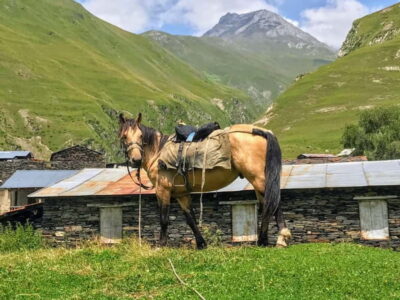
Tusheti Thrill: Limited-Time Mountain Escape 3 day tour
Read our review →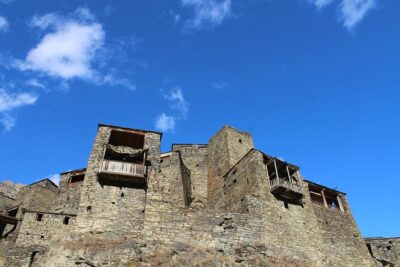
day trip to Shatili, Khevsureti, Mutso, Ananuri.
Read our review →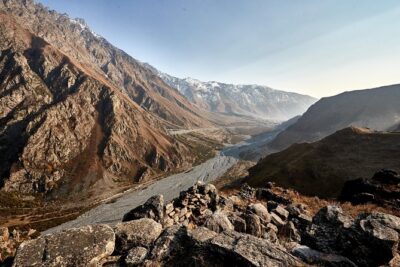
Five days tour to Khevsureti (Abudelauri lakes) & Kazbegi with hikes.
Read our review →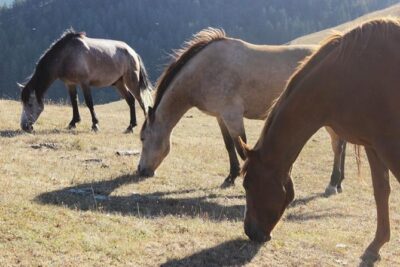
Trekking Tour from Tusheti to Khevsureti via Atsunta Pass
Read our review →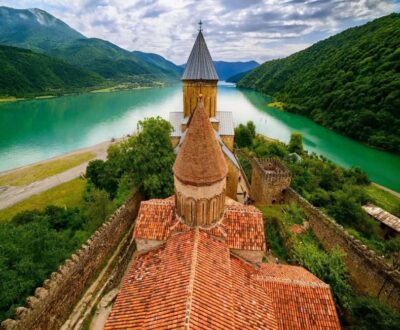
7-day hiking expedition to Tusheti through the Atsunta pass
Read our review →

Helicopter Tours Georgia / Tusheti, Kazbegi, Gudauri
Read our review →Browse the lists this tour appears in