Reviewed · TOURS
Amazing 10 Days tour Around Georgia from Tbilisi All inclusive
One car ride. One fortress. Then one more. This all-inclusive 10-day loop through Georgia is packed with big-view stops and real regional flavor, with Tbilisi’s old-city sights and Kakheti wine-country visits as the kind of highlights you keep talking about. The tradeoff is you’ll move a lot each day, so you’ll want comfortable shoes and a flexible attitude about long drives and early starts.
I like the way the tour keeps things simple: your hotel, most meals, transportation, and entrance fees are built in, so you’re not constantly calculating tickets or switching plans. One thing to consider up front, though, is that some dinners are not included and alcohol drinks are extra, so you may want a small spending buffer for those evenings.
In This Review
- The Best Parts of This Georgia Tour (Quick Hits)
- Tbilisi Warm-Up: Rike Park to Narikala at Night
- High-Mountain Day 1: Zhinvali, Ananuri, Gudauri, and Gergeti
- Kakheti in Full Flavor: Fortresses, Gombori Pass Tea, and Qvevri Wine
- UNESCO Day: Sighnaghi Walls, Jvari, Svetitskhoveli, and Uplistsiche
- Vardzia to Rabati to Borjomi: Caves, Castles, and Mineral-Water Breaks
- Kutaisi and Prometheus Cave: Underground Shows and UNESCO Monuments
- Canyon Days Near the Coast Mountains: Okatse, Kinchkha, and Martvili
- Svaneti High Country: Ushguli, Lamaria Church, Hatsvali, and Chalaadi Glacier
- Batumi on the Sea: Boulevard, Gonio Fortress, and Green Spaces
- Final Day in Batumi: Botanical Garden Walk for Plants and Peace
- Price and Logistics: Is $850 Good Value?
- Who This Tour Fits Best
- Should You Book This Georgia Tour?
- FAQ
- How long is the Georgia tour from Tbilisi?
- What’s included with the all-inclusive price?
- Are there pickup and transfers?
- What meal items are not included?
- What kind of transportation will we use?
- Are entrance fees covered?
- Is this tour private?
- Can most people participate?
The Best Parts of This Georgia Tour (Quick Hits)
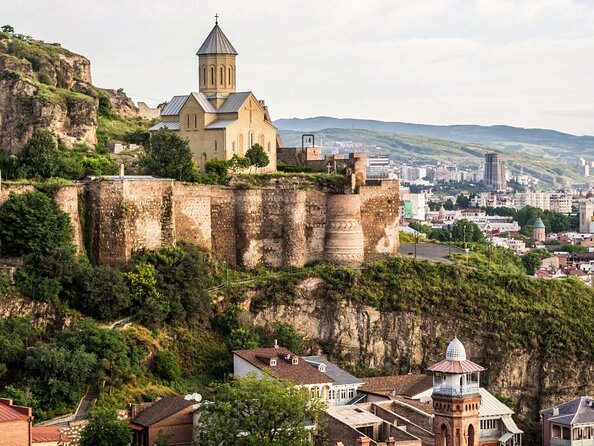
- Tbilisi orientation fast, from Rike Park to Narikala, plus Abanotubani’s bath district and old religious diversity
- Kazbegi viewpoint day, including the Gergeti Trinity Church area at 2,170 meters and classic mountain stops
- Kakheti wine culture with qvevri, including a museum experience at Twins Wine Cellar and tastings tied to the region
- Major UNESCO sites in one rhythm, with stops like Jvari and Svetitskhoveli that are famous for a reason
- Western Georgia nature hits, from Prometheus Cave to canyon and waterfall scenery
- Svaneti highland day, featuring Ushguli, Svaneti museums, and Chalaadi Glacier access by tour schedule
Other Tbilisi tours and day trips:
- Tbilisi: Day Trip to Kazbegi, Gudauri, Gergeti, and Ananuri★ 4.9 · 3,203 reviews
- Day Trip to Kakheti Wine Region Including 9 Wine Tastings★ 5.0 · 2,774 reviews
- Highlights of Caucasus Mountains-Jinvali,Ananuri,Gudauri,Kazbegi(Group tour)★ 5.0 · 2,682 reviews
- From Tbilisi: Kakheti Wine Region Tour with 9 Wine Tastings★ 4.9 · 2,541 reviews
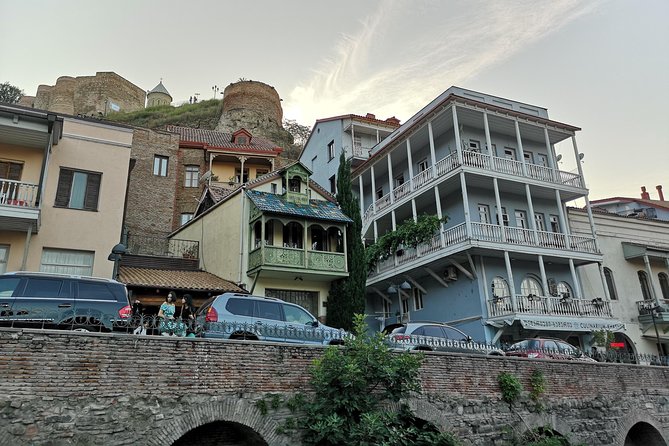
Tbilisi Warm-Up: Rike Park to Narikala at Night
You start in Old Tbilisi, and that matters. It’s the easiest way to get your bearings fast before the countryside takes over.
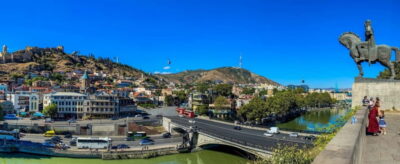
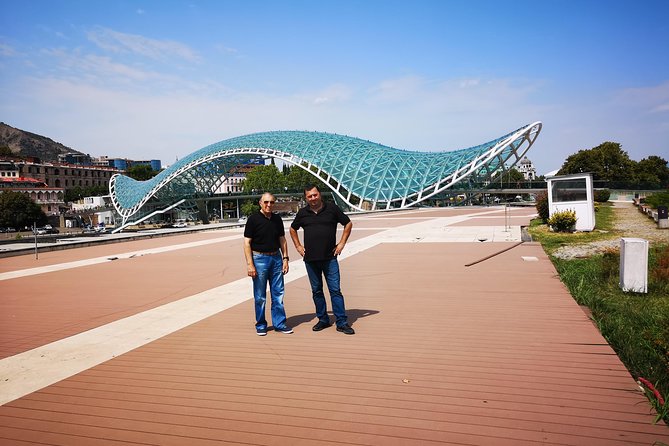
From the modern-but-artful Rike Park, you get an immediate “Georgia map” vibe: from above, the whole park layout forms a large-scale outline of the country, with pathways hinting at Georgia’s regions. Then you walk into history, first with Narikala Fortress. This is the place people don’t just visit, they linger. Daytime views are great, but the real magic is how Narikala lights up at night, visible from many points across the city.
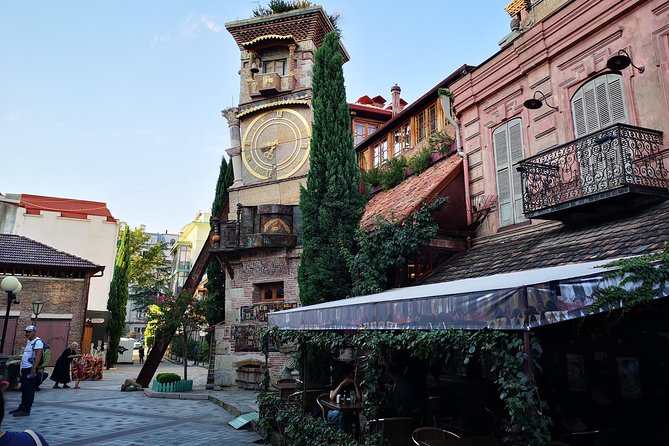
Next comes Abanotubani, the bath district. This is more than pretty scenery. You’re in a small area where you’ll find Georgian Orthodox, Armenian, Catholic churches, a mosque, a synagogue, and even the Ateshga-Zoroastrian fire temple. It’s a good reminder that Georgia’s culture mix is not a museum display, it’s lived and layered.
If you’ve got time in the schedule, Mtatsminda Amusement Park adds a lighter note. It’s on top of Mount Mtatsminda and also gives you skyline views over Tbilisi. It’s included with free admission in the tour rhythm, so you’re not paying extra for the atmosphere and the Ferris wheel views.
What you’ll like: you get city pulse first, then the tour turns into mountains, caves, and wine.
What to watch: Tbilisi walking can add up. Wear grippy shoes, especially if you’re there near evening when stone streets can be slick.
High-Mountain Day 1: Zhinvali, Ananuri, Gudauri, and Gergeti
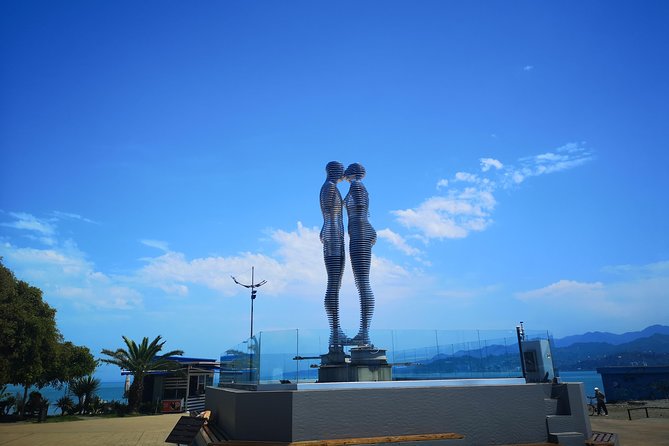
The tour heads toward Kazbegi direction with stops that feel like stepping stones across the Georgian Military Highway.
First is Zhinvali Reservoir and the dam. Even if you’re not a “dam person,” this stop gives you that sudden shift from city life to broad sky and water. The visuals are clean and open, which helps you mentally reset before the fortress-and-church sequence.
Ananuri Fortified Castle Ensemble is next, built along the Aragvi River. You get walls, churches, and that classic “fortress ensemble” feeling, where you can look up, imagine the era, and still enjoy the landscape views. It’s also a good stop for photos because the compound sits so clearly in the scenery.
Then you hit the Russian-Georgian Friendship Monument in the Gudauri area, known for bright Soviet-style mosaics. It’s vivid and very specific, and that’s the point. You’re not just sightseeing, you’re seeing how different political eras left art on the mountain.
The big moment is Gergeti Trinity Church near Stepantsminda, set at 2,170 meters under Mount Mkinvartsveri. This is one of Georgia’s most photographed scenes for a reason: it’s dramatic, remote, and it changes how you think about travel in high places. The visit is timed in the tour schedule so you’re not sitting around waiting for hours.
Finally, there’s Gveleti Waterfall near the village of Gveleti. Gveleti means place of snakes, which is a fun detail and helps the stop feel like more than just “a waterfall.”
What you’ll like: a tight set of stops that build toward the Gergeti payoff.
What to watch: mountain air can feel colder than you expect. Bring a light layer even in warmer months, and plan for wind around viewpoints.
Kakheti in Full Flavor: Fortresses, Gombori Pass Tea, and Qvevri Wine
Kakheti is where Georgia stops being a highlight list and starts becoming a place with rhythm. The tour handles that by pairing old stone with slow food culture.
Day 3 begins at Ujarma Fortress, a 5th-century site tied to Kakheti’s early story, including the mention that King Vakhtang Gorgasali died here. Even if you don’t know all the names, you’ll feel the mystery part. It’s one of those stops where you look at ruins and immediately understand why people built where they did.
At Gombori Pass, you stop for sightseeing and a try of Gios Herbal tea. Small moment, but it’s the kind of pause that makes a long day feel human instead of rushed.
Alaverdi St. George Cathedral follows near Telavi. It’s connected to a monastery tradition that goes back further than the current structures, and it’s known as one of the highest cathedrals in Georgia, up to around 50 meters. Even on short visits, you get a sense of scale.
Then the tour turns to wine, in a way that goes beyond a basic tasting. Twins Wine Cellar is a museum-style stop focused on qvevri and qvevri wine. You see the production concept, not just the bottle. There’s a standout pitcher statue in the complex, and you learn about how the pitchers are used. It’s hands-on learning without making you feel like you’re in school.
After that, Batonis-Tsikhe Fortress, the Master’s Fortress, gives you another layer of Kakheti power history. You’ll see ruins, churches, and palace elements associated with Kakhetian kings, with a Persian-style palace reference tied to King Erekle II.
The day ends at Tsinandali Palace, tied to Prince Alexander Chavchavadze. This estate includes a memorial house, a landscape garden, a historical winery and wine cellar, and even a hotel and café. If you want the “Georgia as a cultural society, not only a country of monuments” feeling, this is it. The stop includes sampling the local Tsinandali wine as part of the experience.
What you’ll like: the tour’s wine stops actually explain the culture, especially through qvevri.
What to watch: if you’re driving later after wine tasting, keep it moderate. The schedule is full, so pace yourself.
UNESCO Day: Sighnaghi Walls, Jvari, Svetitskhoveli, and Uplistsiche
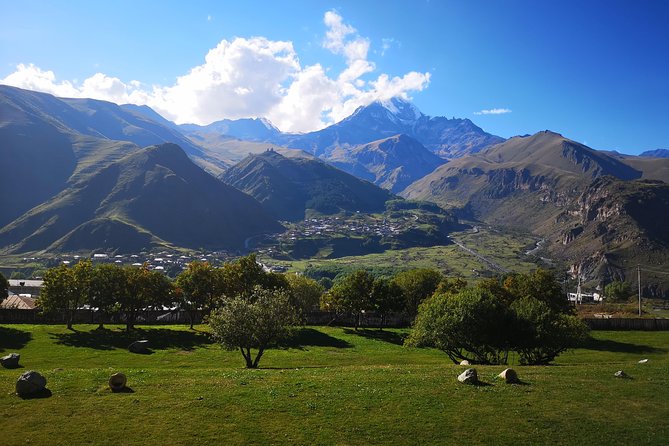
This stretch is a strong mix of medieval city walls and major church architecture.
In Sighnaghi, you get the city walls, with more than 20 towers. The tour notes that only a small section is open for walking, but the point is the views over the Alazani Valley. Even if your walk is brief, the viewpoint payoff is real. In the center, the Sighnaghi Museum adds art and artifacts, including works tied to the painter Pirosmani.
From there, you head to Jvari Church, a sixth-century Georgian Orthodox site on a hill opposite Mtskheta, at the confluence of the Aragvi and Mtkvari rivers. This is one of those UNESCO settings where the famous viewpoint is part of the story, not a background detail.
Next is Svetitskhoveli Cathedral, dating back to the 11th century and long treated as a religious center. You’ll see the cathedral complex and learn why it’s famous, including preserved religious relics referenced in the tour notes, and tombs connected with King Vakhtang Gorgasali.
Then you go underground, with Uplistsiche Cave Town. It’s a rock-hewn city near Gori, with ancient settlement layers going back far in the Caucasus region timeline. The vibe changes here. After churches and courtyards, you’re in stone-carved spaces where the architecture feels practical, survival-focused, and older than your mental map.
What you’ll like: this day gives you UNESCO-level sites without feeling like a rushed checklist.
What to watch: you’re on foot across multiple stops. Bring water and expect stairs and uneven ground.
Still around Tbilisi? These come up often:
Vardzia to Rabati to Borjomi: Caves, Castles, and Mineral-Water Breaks
Day 5 moves you into southern Georgia’s signature “big medieval” and “big nature” moods.
Vardzia is the cave monastery complex built during the reign of King George III and Queen Tamar. You get the legend about how it got its name, including Tamara’s childhood play and the echoing shout that’s tied to the word for I am here, uncle. Even if you don’t remember every detail, the cave scale sticks with you. It’s dramatic architecture carved into a cliff.
Then you head to Akhaltsikhe and Rabati Castle, also called Rabati. It’s an ensemble that includes a 14th-century castle component, older churches, and later additions. It feels like a time-lapse of architecture types inside one fortress complex.
After that, Borjomi Central Park gives you a reset. Borjomi is known for mineral water, and the Romanov Palace and walking trails in Borjomi-Kharagauli National Park keep the day outdoors. There’s also reference to the Green Monastery, Mtsvane Monastery, which gives the area a recognizable spiritual landmark.
What you’ll like: the tour avoids “all churches all day” by mixing caves, fortresses, and parks.
What to watch: cave sites often mean humidity. Pack a light layer you can handle getting damp.
Kutaisi and Prometheus Cave: Underground Shows and UNESCO Monuments
On Day 6, you go underground and then back to surface monuments.
Prometheus Cave is near Kutaisi, described as one of the most popular destinations in the region. The tour notes that you see stalactites, stalagmites, curtains, petrified waterfalls, underground rivers, and lakes. There’s also an option for a boat tour through an underground lake. It’s the kind of stop where your brain goes quiet because the room size and formations do the talking.
Tskaltubo sits in the same day, and it’s tied to mineral water. The tour schedule frames the stop as a local mineral-water area rather than a museum moment, so expect a scenic break more than a lecture.
Then you hit Gelati Monastery, a major religious, cultural, and educational site tied to UNESCO. You’ll see mosaics and fresco traditions referenced in the visit and learn about King David the Builder being buried in the monastery yard.
Finally, Kutaisi itself gets time in the tour rhythm, focusing on the historical part called the Royal District, including areas around the White Bridge and nearby streets named in the plan.
What you’ll like: underground wonder plus surface heritage in one organized day.
What to watch: cave lighting and walking surfaces can be uneven. Wear shoes you’d trust on slick floors.
Canyon Days Near the Coast Mountains: Okatse, Kinchkha, and Martvili
Day 7 is for people who like movement and scenery. It’s not museum-only.
Okatse Canyon is the first big one, with a hanging trail described as around 780 meters and a panoramic photo area using a smart camera. There’s a feeling of walking in the air, and the trail passes through Dadiani historic forests. You’ll want a steady pace if you’re wary of heights, because the trail is the main attraction.
Kinchkha Waterfall comes next. The stop describes two waterfalls and a canyon, with an altitude around 1,000 meters and the option to swim in the canyon area. It also mentions camping possibilities, which tells you this is a nature setting where the day can feel like part hike, part picnic. Bring a change of clothes if you plan to get wet.
Then it’s Martvili Canyon, with a boat trip along the Abasha River. The boat segment described is about 300 meters one way, which makes it a quick, scenic highlight instead of an all-day activity. It’s also described as offering chances to explore under-water areas and see diving possibilities, though your actual comfort level is up to you.
What you’ll like: this day feels like you’re outdoors the whole time.
What to watch: bring layers and water. Waterfalls and canyon air can change quickly.
Svaneti High Country: Ushguli, Lamaria Church, Hatsvali, and Chalaadi Glacier
Day 8 is the tour’s “wow” altitude day.
Ushguli is described as the highest settlement in Europe, with four villages and elevations from about 2,060 to 2,200 meters. The center village Chazhashi is a UNESCO World Heritage site. The visit includes time to see the area and then a shorter stop at Lamaria Church, a medieval Georgian Orthodox church in the highlands.
Next is Hatsvali Ski Resort, used as a viewpoint stop with views to Ushba Mountain and Mestia. Even if you’re not skiing, this gives you the broad mountain panorama.
Then there’s Svaneti Museum of History and Ethnography. This one matters because it shifts you from “look at mountains” to “understand mountain people.” The museum collection includes icons, engravings, manuscripts, weapons, ornaments, jewelry, pottery, textiles, and ethnographic items tied to ancient life in Svaneti.
Finally, the glacier stop: Chalaadi Glacier. The tour notes it sits on the southern slopes of the Caucasus, at about 1,850 meters, and that it’s the only glacier extending into the forest zone. It also mentions mountain streams feeding it. This is an outdoors stop that closes the day with a sense of scale.
What you’ll like: you get architecture, culture, and altitude in one sequence.
What to watch: Svaneti days often feel colder and thinner-air. Dress warm, and if you get winded, take short slow pauses.
Batumi on the Sea: Boulevard, Gonio Fortress, and Green Spaces
Day 9 slides you from highland into coast.
Shekvetili Dendrological Park is first. The tour describes 60 hectares and a big plant collection, including local and exotic species. It’s a calm stop in the schedule, good when you want shade and a slower pace.
Then you arrive in Batumi and hit Batumi Boulevard. It’s a seaside promenade with beach bars, cafés, restaurants, rides, and sculptures. The dancing fountains and the century-long history of the boulevard, with construction starting in 1881, are part of the experience. If you want an easy walk with photo angles, this is where you do it.
After the boulevard, Gonio Fortress shows you a totally different side of the coast. The tour describes it as the oldest fortress of Georgia, a Roman-Byzantine structure built by Romans in the 1st century AD. It later had Byzantine occupation and Ottoman involvement in the 16th century. You also get the scale, 47,000 square meters and 18 towers mentioned in the plan.
What you’ll like: you finish the day with both leisure and ancient stone.
What to watch: pavement and walking can be long. Wear shoes you can use for a full promenade length.
Final Day in Batumi: Botanical Garden Walk for Plants and Peace
On Day 10, Batumi Botanical Gardens close the loop in a quiet way.
The garden is described as about 108.7 hectares along a strip of coastline, between the Chakvistskali estuary and Green Cape, rising from sea level up to about 220 meters. It also notes earlier Kolkheti forest context, plus the introduction of exotic plants starting around the 1880s. You’ll see names of plant introducers tied to the tour description, including Michael D’Alfonso and others.
It’s a good final stop if you want to cool down after active days. Instead of rushing for the next viewpoint, you can slow your pace, sit when you want, and let your feet recover.
Price and Logistics: Is $850 Good Value?
For $850 per person, this tour tries to remove the typical trip headaches by bundling:
- 9 nights in a 3-star hotel
- Breakfast for 10 days, lunch for 10 days, and 6 dinners
- Air-conditioned private transportation with WiFi on board
- Entrance tickets and all fees and taxes
- Airport transfers and pickup offered
- A mobile ticket approach
Here’s how I’d think about value: you’re paying for organization. Georgia is doable on your own, but you’d spend time planning routes, booking hotels, figuring out entry prices, and coordinating a 10-day driving loop. If you prefer that energy goes toward enjoying the scenery, the all-in setup is the point.
The two cost cautions are simple and worth your attention:
- Alcohol drinks are not included.
- Dinner for 4 days is not included.
So factor in a bit of spending for those evenings, especially if you want to try extra dishes or local drinks beyond the included meals.
Who This Tour Fits Best
This works best for you if you want:
- A structured route across Tbilisi, mountains, wine region, caves, canyons, and Batumi
- A guide-led experience where tickets and transportation are handled
- Big nature and culture days, not one-city sightseeing only
It might feel less ideal if you prefer slow travel, minimal driving, or a lot of free time to wander without a schedule. This plan is built for momentum.
One more helpful note from the guide mentioned in tour feedback: the guide David is repeatedly described as knowledgeable and professional. That kind of guiding style helps when you’re moving across multiple regions that each have their own names, legends, and reasons the sites matter.
Should You Book This Georgia Tour?
If you want a first serious taste of Georgia, this is a strong choice. The tour’s biggest win is balance: city highlights in Tbilisi, mountain icon stops toward Kazbegi, Kakheti wine culture with qvevri-focused learning, UNESCO landmarks around Mtskheta, then a switch to caves, canyons, and Svaneti altitude before finishing with Batumi’s sea life and gardens.
I’d book it if you like day-to-day structure and you’re okay with packed movement. I wouldn’t book it if you want lots of downtime or if you hate cold weather surprises in high elevations, since the route includes major mountain and glacier-area stops.
FAQ
How long is the Georgia tour from Tbilisi?
The tour is listed as 10 days approximately.
What’s included with the all-inclusive price?
The package includes 9 nights in a 3-star hotel, air-conditioned private transportation with WiFi on board, breakfasts (10), lunches (10), and dinners (6), plus entrance tickets for museums and attractions, all fees and taxes, and airport transfers.
Are there pickup and transfers?
Pickup is offered, and airport transfers are included. The tour starts in Old Tbilisi and ends back at the meeting point.
What meal items are not included?
Alcohol drinks are not included. Dinner is not included for 4 days.
What kind of transportation will we use?
You travel in an air-conditioned vehicle with private transportation.
Are entrance fees covered?
Yes. The tour includes entrance tickets for museums and attractions, and all fees and taxes.
Is this tour private?
Yes, it is described as a private tour/activity where only your group participates.
Can most people participate?
The tour notes that most travelers can participate.
If you’d like, tell me your travel month and what you care about most (wine, hiking, history, or coast time), and I’ll suggest how to pack and how to prioritize your energy on the days that matter most.
Newer trips around Tbilisi
- Tbilisi Private Dinner: Georgian BBQ & Fireplace
★ 5.0 · 1 review - Day trip in Kakheti-wine tour
★ 5.0 · 1 review - Tbilisi: Khinkali Tasting Lunch with Local Drinks and Pickup
★ 5.0 · 1 review - Tbilisi & Mtskheta bus tour hop on hop off
★ 5.0 · 1 review - Tbilisi: Christmas Market & Hidden Gems Guided Walking Tour
★ 5.0 · 1 review - Stalin’s Secrets: An Underground Journey Through History
★ 5.0 · 1 review
Tours, compared.

Highlights of Caucasus Mountains-Jinvali,Ananuri,Gudauri,Kazbegi(Group tour)
Read our review →
Kakheti Wine Region Tour with 9 Wine Tastings
Read our review →
Mtskheta, Jvari, Gori and Uplistsikhe Day Tour
Read our review →
Kakheti Wine Region Tour with 10 Wine Tastings
Read our review →
Tbilisi Walking Tour Including Cable Car and Traditional Bakery
Read our review →