
Reviewed · WALKING TOURS
Tbilisi: Graffiti & Street Art Walking Tour
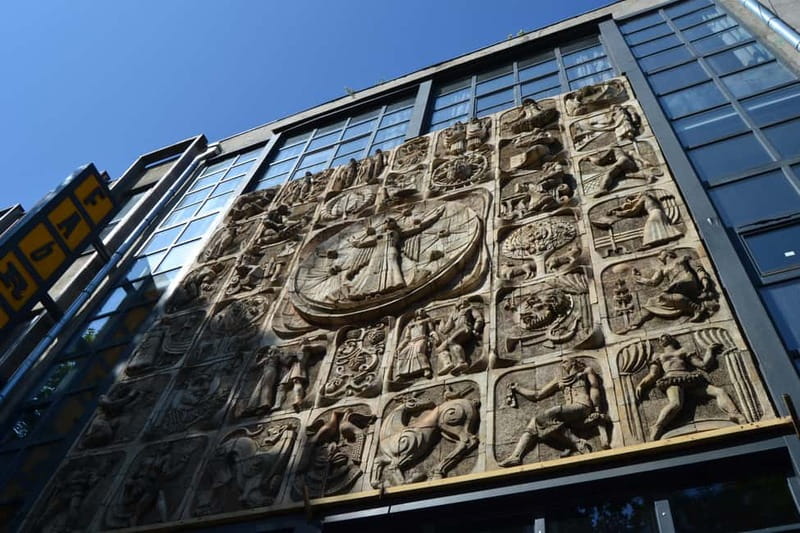
Tbilisi’s walls talk, and you can read them. This 3-hour graffiti and street art walking tour uses guided storytelling to connect Georgia’s street art evolution to what you see on the streets, including references to Niko Pirosmani and later artists. I also like the hands-on focus on the meaning behind the visuals, plus clear explanations of murals versus graffiti so you know what you are looking at.
One thing to consider: the tour is conducted in Russian, so if you do not speak it, you may want to plan for less understanding during the walk. Also, it is a walking experience, and it is not suitable for wheelchair users.
In This Review
- Key highlights before you put on your walking shoes
- Why Tbilisi street art feels personal, not random
- Finding your group at Meidan Square, right by the I love Tbilisi sign
- Wine tasting at the visitor center, then you get to the art
- The main guided walk: 100 minutes of street art history and symbolism
- Where you might slow down
- Niko Pirosmani and the visual thread to artists who came after
- Murals versus graffiti, and why the difference changes how you interpret a wall
- The photo stop that turns noticing into memory
- What makes this tour worth $30: value, time, and included extras
- Logistics you should know before you dress for walls and stairs
- Who this tour suits best, and who may feel frustrated
- Should you book the Tbilisi graffiti and street art walking tour?
- FAQ
- Where does the tour start?
- How long is the walking tour?
- What language is the guide?
- What is included in the price?
- Are meals included?
- Is the tour wheelchair accessible?
Key highlights before you put on your walking shoes
- Meidan Square start point: easy to find, just right of the I love Tbilisi sign
- Wine tasting stop: included, with a 20-minute session before the main route
- History plus interpretation: you learn where Georgia’s street art came from and what messages mean
- Niko Pirosmani focus: you’ll get context for his contribution and how successors build on that visual language
- Murals vs graffiti explained: practical distinctions, not just pretty walls
- Small group pace: limited to 10 participants, so the guide can actually talk
More walking tours in Tbilisi:
- Tbilisi Walking Tour Including Cable Car and Traditional Bakery★ 5.0 · 1,310 reviews
- Tbilisi: City Highlights Guided Walking Tour★ 4.9 · 1,114 reviews
- Tbilisi:Evening Walking & Talking Tour with Wine & Boat Ride★ 5.0 · 572 reviews
- Tbilisi: Evening Walking Tour with Wine & Boat Ride Options★ 5.0 · 407 reviews
Why Tbilisi street art feels personal, not random
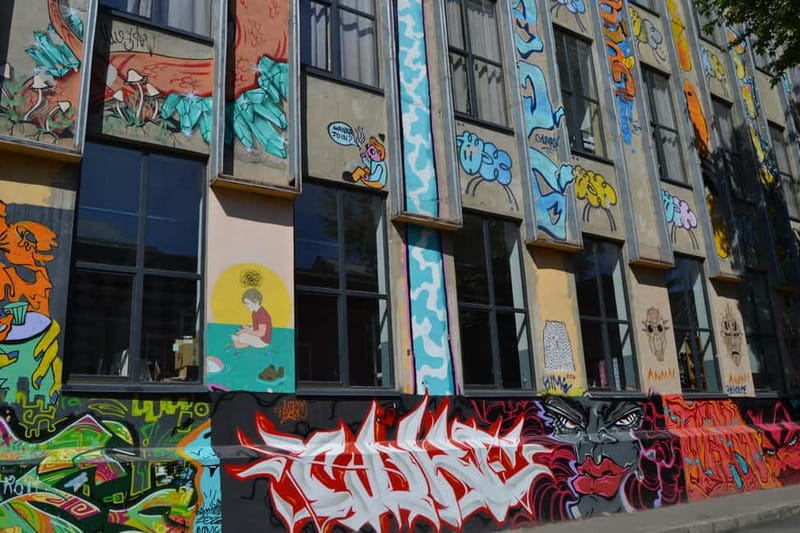
Street art in Tbilisi is not only about style. It is about messages, reactions, and identity, painted where people can actually see them. On this tour, you learn to treat each wall like a page in a local conversation, with clues you can spot if you know what to ask.
What I like most is that the guide does not just point at art and move on. You get help “reading” the visual messages, including hidden meanings that take time to notice on your own.
You also come away with a better sense of how street art developed in Georgia, then changed into what you see today. That context makes the whole walk feel less like sightseeing and more like understanding the city’s mood.
Finding your group at Meidan Square, right by the I love Tbilisi sign
You start at Meidan Square, to the right of the I love Tbilisi sign. This matters because the tour begins from an anchor point that is easy to locate, even if you are new to Tbilisi.
The group stays small, capped at 10 people. That is a real advantage for a street art tour because you will be stopping often, looking up close, and listening to explanations that need some quiet focus.
If you are coming from elsewhere in the city, do not assume you can wing every segment comfortably. The tour keeps you walking through districts on foot, and the option to arrange taxi transport between districts exists for an extra fee if you want it.
Wine tasting at the visitor center, then you get to the art
After the meet-up, you head to a visitor center where there is a wine tasting for about 20 minutes. This is not a random add-on. In practice, it helps you settle in, meet the guide, and shift from “tour mode” to “local rhythm mode” before you start interpreting street messages.
You also get water during the tour, which is important on a 3-hour walk, especially when you are stopping for photos and standing under walls for close viewing.
The wine tasting is included, but meals and other drinks are not. So if you get hungry, plan around that. The tour is short enough that you will likely be fine with light snacks beforehand.
The main guided walk: 100 minutes of street art history and symbolism
The heart of the tour is a long guided stretch, about 100 minutes, focused on what street art in Georgia is and how it has changed. You learn how it emerged, how it developed, and why certain styles and messages appeared when they did.
This is the part where the “read the walls” skill starts to click. The guide helps you connect what you see to meanings, so you stop thinking of graffiti and murals as decoration only.
You also hear about annual street art festivals held in Tbilisi. Even if you are not there during one, that festival context explains why artists keep returning to walls and why some messages feel timely instead of random.
Other street art walks in Tbilisi:


Where you might slow down
This is not a fast walk-through. You will likely spend extra time when the guide points out details that are easy to miss, like repeated symbols, visual references, or message styles that make a piece feel like commentary rather than pure expression.
If you hate stopping, this may feel slow. If you enjoy looking closely, it is exactly the right pace.
Niko Pirosmani and the visual thread to artists who came after

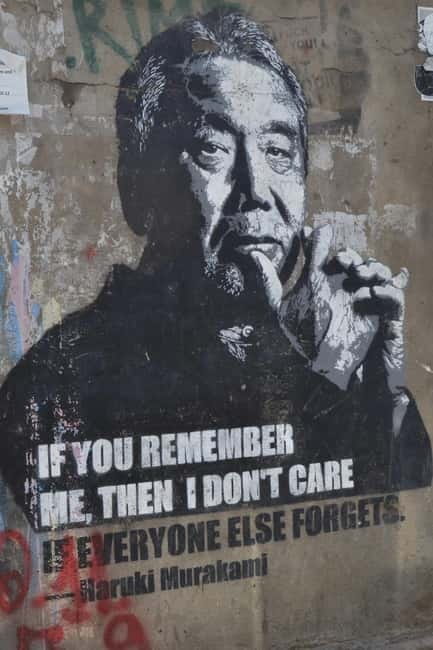
One of the tour’s most specific promises is seeing references tied to Niko Pirosmani and his successors in the city. That matters because Pirosmani is not just a name to drop, it is a way to connect street art back to broader Georgian visual identity.
On this walk, the guide pays tribute to Pirosmani’s contribution and then traces how later artists continue or remix ideas. You are not just seeing “older art meets modern walls.” You are learning how visual language can evolve, while still carrying familiar emotion and symbolism.
The guide also discusses the evolution of hidden meanings in street art and why those messages feel relevant today. That is a big deal for a street art tour, because “meaning” is what separates a sightseeing photo from a real understanding of place.
Murals versus graffiti, and why the difference changes how you interpret a wall
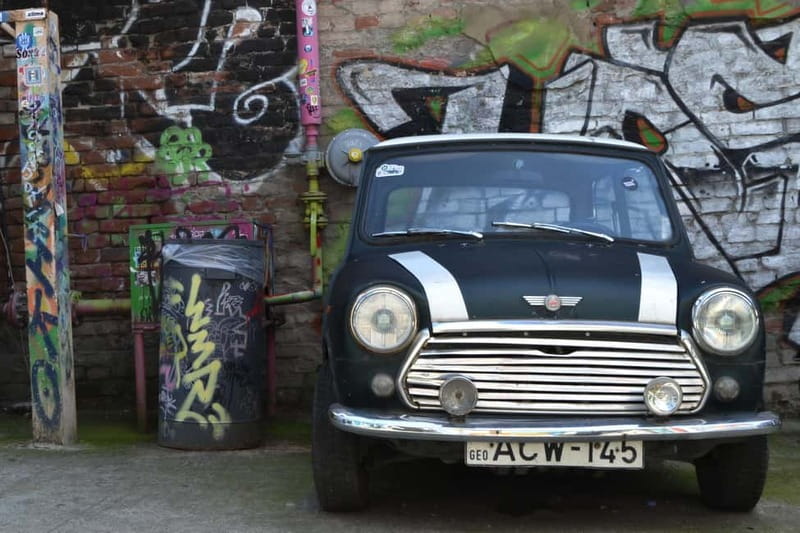
A key learning goal on this tour is understanding the difference between murals and graffiti. People often treat those words as interchangeable, but they usually point to different intentions, styles, and contexts.
Here, you learn what separates them in practical terms, not just definitions. That affects how you judge a piece: whether it feels planned, public-facing, and community-oriented, or whether it feels raw, immediate, and more about interruption.
You also get guidance on how artists express themselves on the streets. Just as important, you are told how to ensure your artwork is not painted over, which gives you a more realistic view of how street art exists in a living city where walls change hands.
This kind of explanation is useful even if you are not planning to create anything yourself. It helps you understand why some works survive and others disappear.
The photo stop that turns noticing into memory
Later in the tour, you reach another secret stop that includes a photo stop plus guided explanation for about an hour. This is when you will likely be less focused on walking and more focused on collecting visuals and context together.
If you bring a camera, this is the moment to use it well. Street art can look great from a distance, then lose meaning up close. The guide’s commentary helps you take photos that capture the details you would otherwise overlook.
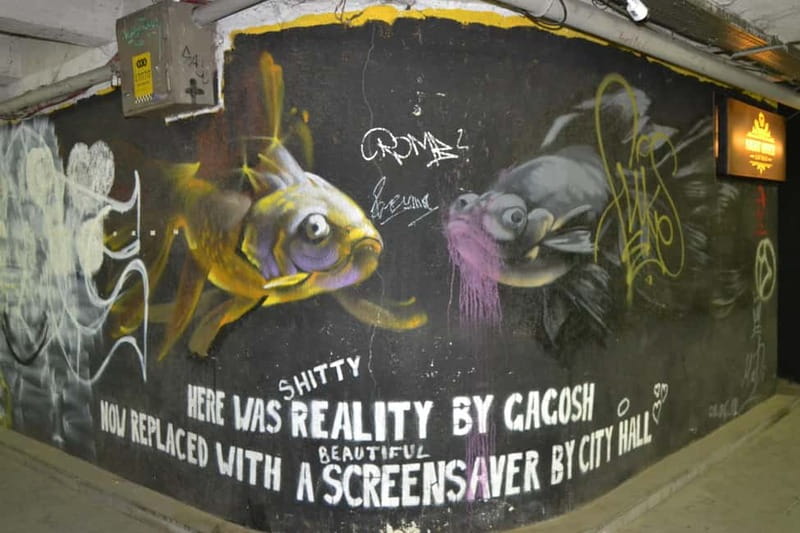
You also get a sense of how artists place messages in the city, using corners and surfaces as part of the composition. You are not just photographing paint, you are documenting communication.
Tip: if you want clean photos, bring a steady stance and pause long enough for the guide to finish the key points. Trying to rush while holding the camera usually means you miss the most interesting explanation.
What makes this tour worth $30: value, time, and included extras
At $30 per person for 3 hours, this tour sits in a reasonable price lane for a guided walking experience in a major city. The big value is not the price tag. It is the structure: you get time with a guide, multiple stops, and the interpretation layer that turns street art into something you can understand.
The inclusions are also practical:
- Guided street art tour with culture and history insights
- Exploration of murals and graffiti
- A complimentary bottle of water per guest
- Wine tasting included, about 20 minutes
- A souvenir magnet to take home
You might think a wine tasting would inflate the price, but here it feels integrated into the experience. It acts like a warm-up stop before you start reading walls, and it is part of the included value.
Also, the tour includes a skip-the-line style benefit through a separate entrance. That matters because street tours waste less time when access is handled for you.
Meals and drinks are not included beyond the wine tasting. So if you want a full evening with dinner afterward, do not assume this covers food.
Logistics you should know before you dress for walls and stairs
This is a walking tour, so wear comfortable shoes. You will want something with grip, because you are moving through city corners while looking up, then stepping forward to catch another angle.
Bring your camera, and bring water. The tour provides water, but you still might want extra sips if you run warm or if you take longer photo breaks.
Smoking is not allowed. That is worth remembering because street art tours can sometimes pause in small areas where you do not want to manage the rules mid-walk.
The guide language is Russian. If you speak Russian, you will get full benefit. If not, you might still enjoy the art visuals, but the story layer will be limited.
If you want help getting between districts, taxis can be arranged for an additional fee. That is a helpful option if the walking pace does not match your energy level.
Who this tour suits best, and who may feel frustrated
This tour is a great fit if you like street art that has context. You will probably enjoy it most if you care about symbolism, local history, and understanding why messages are placed where they are.
It is also ideal if you enjoy learning the “how to look” skill, because the guide teaches you how to interpret hidden meanings and the mural versus graffiti difference.
I would skip it if you cannot do a walking route or if you need wheelchair access, because it is not suitable for wheelchair users. If you prefer a quiet museum pace with minimal street talking, you might also feel the format is too hands-on.
Should you book the Tbilisi graffiti and street art walking tour?
Book it if you want a guided way to understand what Tbilisi’s walls are saying. The best reason is the interpretation focus, especially the mix of Georgia street art history, attention to hidden messages, and specific references tied to Niko Pirosmani and later successors.
You should also book it if you like small groups and you value a guide who can explain meaning, not just point at art. At up to 10 people, you get the chance to ask questions and to actually absorb what you see.
Pass on it if Russian language is a dealbreaker for you, or if you want a quick stroll with minimal discussion. This is built for learning and looking slowly, with stop-and-go moments for photos and explanations.
FAQ
Where does the tour start?
The tour starts at Meidan Square, to the right of the I love Tbilisi sign.
How long is the walking tour?
The tour lasts 3 hours.
What language is the guide?
The live tour guide speaks Russian.
What is included in the price?
The guided street art tour is included, along with insights into street art culture and history, exploration of murals and graffiti, a complimentary bottle of water, a wine tasting, and a souvenir magnet.
Are meals included?
No. Meals and drinks are not included.
Is the tour wheelchair accessible?
No, the tour is not suitable for wheelchair users.
Newer trips around Tbilisi
- Tbilisi Private Dinner: Georgian BBQ & Fireplace
★ 5.0 · 1 review - Tbilisi: Khinkali Tasting Lunch with Local Drinks and Pickup
★ 5.0 · 1 review - Day trip in Kakheti-wine tour
★ 5.0 · 1 review - Tbilisi & Mtskheta bus tour hop on hop off
★ 5.0 · 1 review - Tbilisi: Christmas Market & Hidden Gems Guided Walking Tour
★ 5.0 · 1 review - Stalin’s Secrets: An Underground Journey Through History
★ 5.0 · 1 review
Walking Tours, compared.
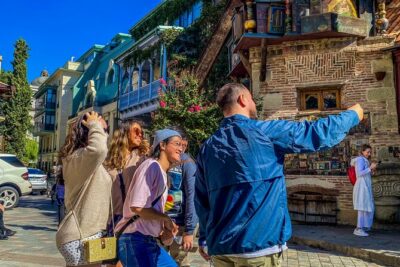
Tbilisi Walking Tour Including Cable Car and Traditional Bakery
Read our review →

Evening Walking & Talking Tour with Wine & Boat Ride
Read our review →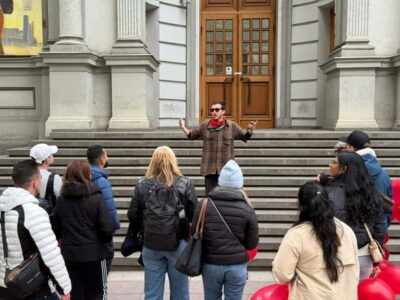
Evening Walking Tour with Wine & Boat Ride Options
Read our review →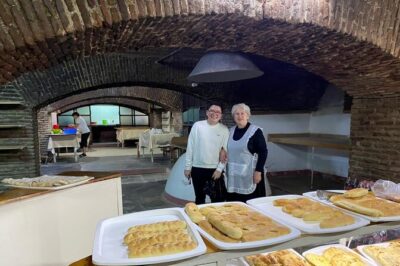
Old Tbilisi Highlights walking tour with wine & 10 tastings
Read our review →
Old Tbilisi Tour: Private Walking Tour With Wine Tasting
Read our review →

Private Tbilisi Food Tour: 9 Tastings Walk in Bohemian District
Read our review →Browse the lists this tour appears in