Reviewed · TOURS
Tbilisi: Where Tourists Don’t Go – The Forgotten Rails Tour
Tbilisi has a second city underground. This Forgotten Rails Tour threads you through rail infrastructure and Soviet-era metro history, then hands you access to parts most people never see. I like that it is practical and real, not a walk past the same viewpoints.
I especially enjoy how the stops connect to people, not just buildings. With guides like Chinka and Diana, you hear lived-in stories tied to the rail workers, the city’s Soviet design choices, and the later refugee reality. One possible drawback is that the route is not suitable for wheelchair users, and you should expect walking on uneven, industrial ground.
For $28 for about 2 hours, you also get a metro ride plus exclusive access to restricted areas like a long-forgotten repair station that feels sealed off from the outside world.
In This Review
- Key Things You’ll Notice on This Tour
- Entering the Forgotten Rails Side of Tbilisi
- Getting Started at Rustaveli Metro Station and Riding the Metro
- Historic Railway Worker Homes: The Human Scale of Industry
- From Soviet Metro Design to How the System Actually Works
- The Active 20th-Century Mine Stop: Working Industry, Not Just Decay
- The Sealed-Off Railway Repair Station: The Part Most People Never Find
- An Abandoned Electric Depot Now Used as a Refuge Shelter
- Who This Tour Suits (and Who Should Skip It)
- Price and Value: Why $28 for 2 Hours Can Feel Fair
- Practical Tips Before You Go
- Should You Book the Forgotten Rails Tour?
- FAQ
- Where is the meeting point?
- How long is the tour, and what is included?
- What languages is the tour guide speaking?
- Is this tour wheelchair-friendly?
- What should I wear?
- Is there a cancellation option and a pay-later option?
Key Things You’ll Notice on This Tour
- Exclusive access to restricted rail sites that you could not reach on your own
- A guided metro and railway history lesson built around how Tbilisi’s systems actually worked
- Stops with real-era industry, including an active 20th-century mine
- A sealed-off railway repair station, closed to the public and hard to access without local help
- An abandoned electric depot repurposed as a war refugee shelter, with stories that go beyond architecture
- Two languages on the guide, English or Russian, so you can track the details easily
Other Tbilisi tours and day trips:
- Tbilisi: Day Trip to Kazbegi, Gudauri, Gergeti, and Ananuri★ 4.9 · 3,203 reviews
- Day Trip to Kakheti Wine Region Including 9 Wine Tastings★ 5.0 · 2,774 reviews
- Highlights of Caucasus Mountains-Jinvali,Ananuri,Gudauri,Kazbegi(Group tour)★ 5.0 · 2,682 reviews
- From Tbilisi: Kakheti Wine Region Tour with 9 Wine Tastings★ 4.9 · 2,541 reviews
Entering the Forgotten Rails Side of Tbilisi
This tour is the opposite of a standard city stroll. Instead of starting with old churches and cafés, you start with the systems under the city: the rails, the metro logic, and the spaces that kept the machinery running.
The pitch is simple, and it is also what makes it work. You are not just looking at ruins. You are learning how rail and metro infrastructure shaped neighborhoods, jobs, and later political decisions. And because several stops are restricted or hard to access, the tour has a controlled, behind-the-scenes feel.
The tone also matters. Guides on this route tend to explain with stories and context, which is why the history lands. You finish with a better sense of how Tbilisi became the place it is now, not just what it looked like.
Getting Started at Rustaveli Metro Station and Riding the Metro
You meet your guide in front of Rustaveli Metro Station. From there, you head out with the guide doing the job maps usually do for you: you get orientation fast, then you move.
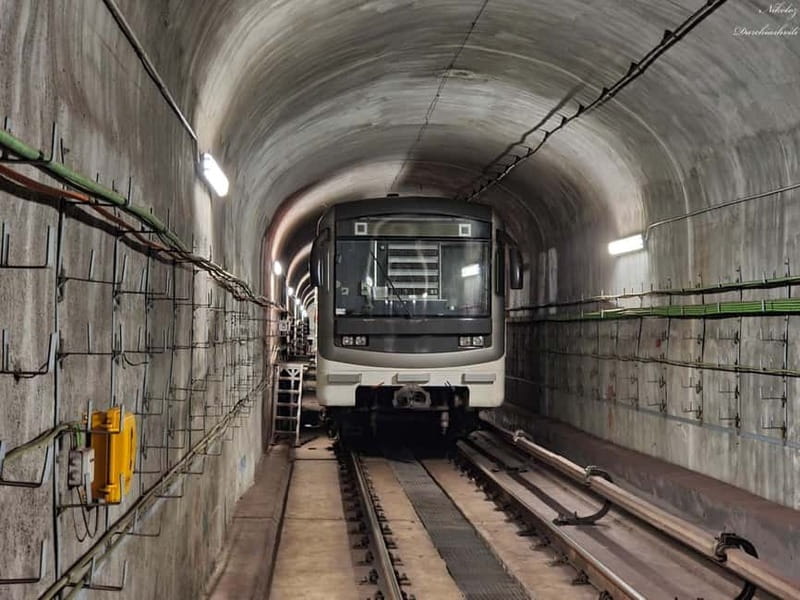
A key included moment is the metro ride itself. Even if you already used the metro once or twice, it helps to ride while you are learning why and how the system was designed. It turns the metro from a transport option into part of the historical story you are following.
If you have the choice of starting times, consider a later session, like around 17:00, when the sky starts to shift toward evening. The lighting can make industrial textures and long corridors feel more dramatic, which makes the history sticks better.
Historic Railway Worker Homes: The Human Scale of Industry
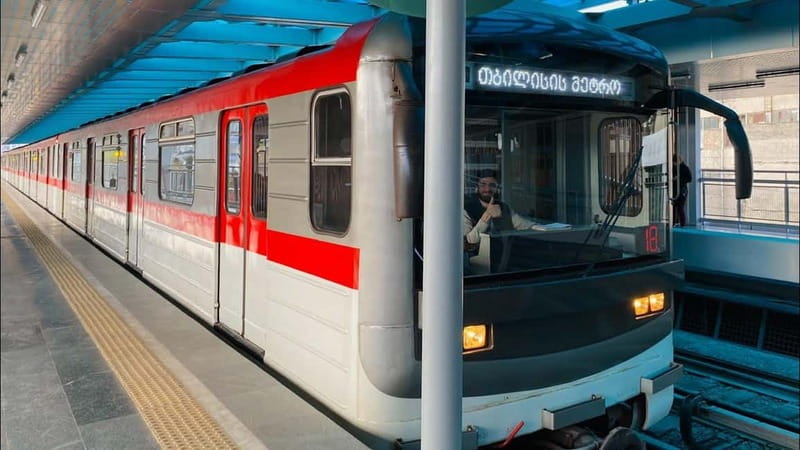
One of my favorite kinds of travel is when infrastructure has faces. Here, you get that. The route passes by historic homes of Georgia’s first railway workers, and your guide ties those buildings to the people who built and supported the early rail network.
This matters because it changes how you read the neighborhood. You stop seeing random blocks. You start seeing job routes, commuting patterns, and what it meant to live near the rail engine of the city.
It also sets you up for the heavier stops later. The tour does not rush from pretty-looking streets into grim industrial spaces. It builds a thread, and the worker homes are where that thread begins.
From Soviet Metro Design to How the System Actually Works
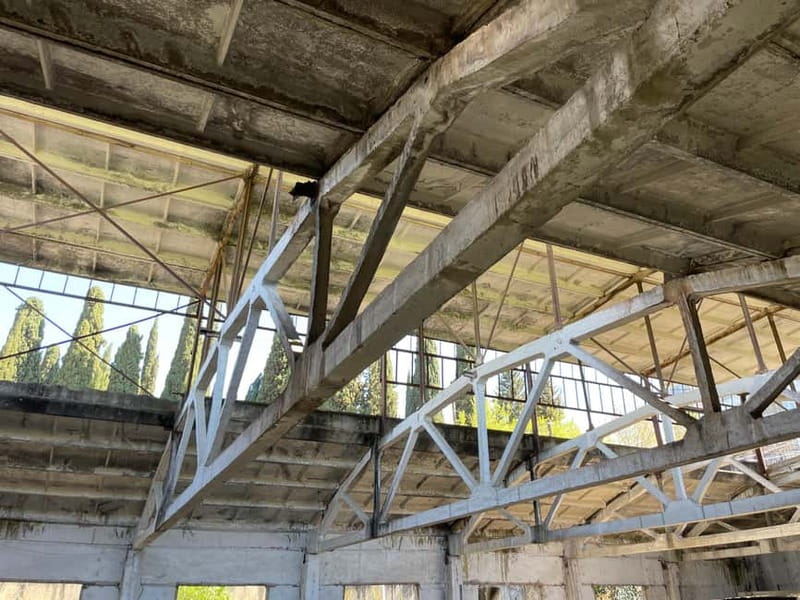
The story of Tbilisi’s metro is a big part of what you are walking into. Your guide explains the railway and metro system history, including the Soviet-era approach behind it.
In particular, expect the discussion to mention that the metro opened in 1966, and that the design was tied to the broader Soviet rail thinking. This is useful even if you do not care about Soviet history for its own sake. When someone explains the original choices, you start to notice patterns in the metro that you might have otherwise ignored.
I also like that the tour does not treat the metro as separate from the rail network. The vibe here is one system logic, rails and metro linked through infrastructure, maintenance needs, and the people employed to keep everything moving.
Still around Tbilisi? These come up often:


The Active 20th-Century Mine Stop: Working Industry, Not Just Decay
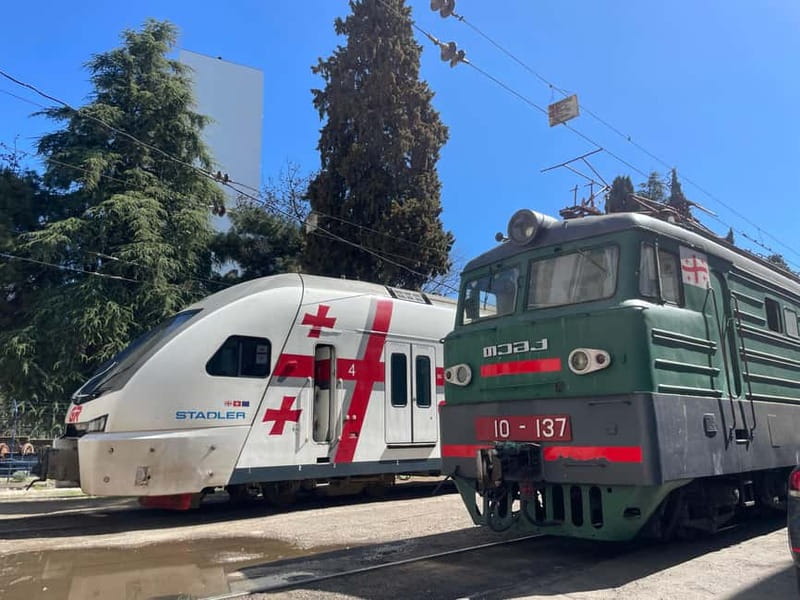
You will also see an active 20th-century mine during the tour. That one detail changes the whole mood. Instead of spending two hours with only abandoned structures, you get a reminder that industry in Tbilisi is not frozen in the past.
Practically, this stop is a good gauge for whether you enjoy industrial settings. If you find mines and industrial sites uncomfortable, you may want to mentally prepare for a harsher visual style than old-town sightseeing.
If you like “how the city functions” travel, this mine stop is a strong reason to book. It gives you perspective on why rail repair, power, and transport systems were so important. It is not just heritage. It is the industrial backbone that shaped work and movement.
The Sealed-Off Railway Repair Station: The Part Most People Never Find
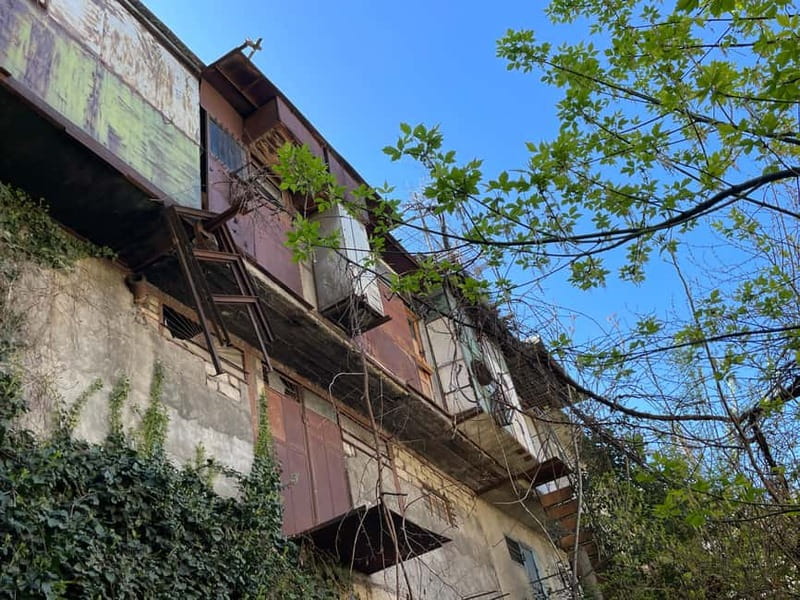
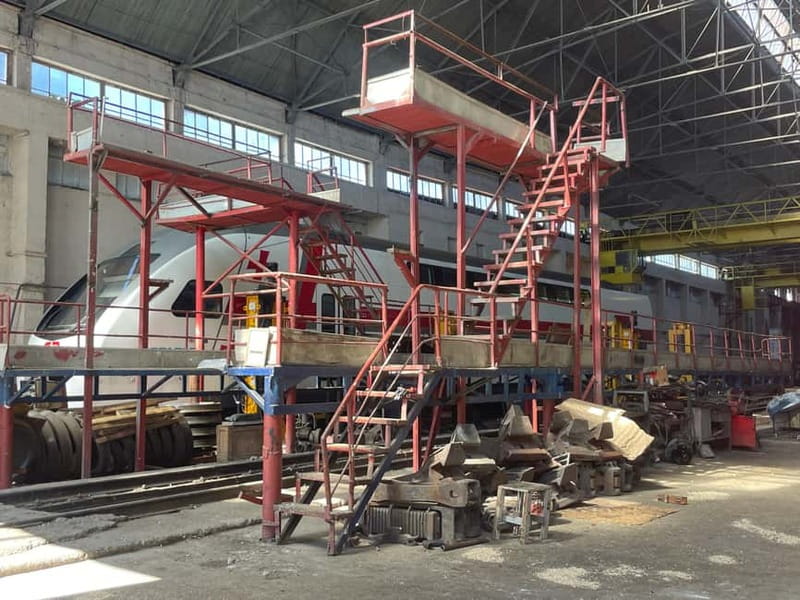
The highlight people talk about most is the long-forgotten railway repair station, sealed off from the outside world. Your guide explains the history of the rail and metro systems, then you move into places that would be impossible to access without local guidance.
This is where the tour earns its name. A rail repair station is not tourist architecture. It is a functional space built for maintenance, storage, and the hard work of keeping trains serviceable. In the hands of a good guide, it becomes more than a strange building. It becomes an explanation of how the city kept its transportation alive.
You might also hear about related railway infrastructure, including older rolling-stock remnants and the broader rail ecosystem around Tbilisi. Either way, the effect is similar. You leave with a stronger sense of what rail maintenance actually meant in a Soviet-era city and how those spaces aged.
The only real caution here is physical: this is an industrial route. Wear solid shoes and expect areas that feel rougher than central Tbilisi.
An Abandoned Electric Depot Now Used as a Refuge Shelter
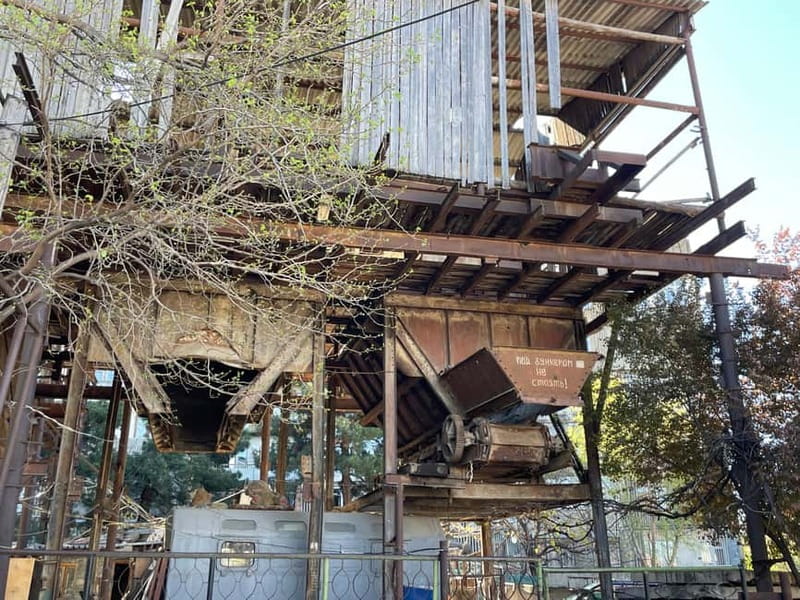
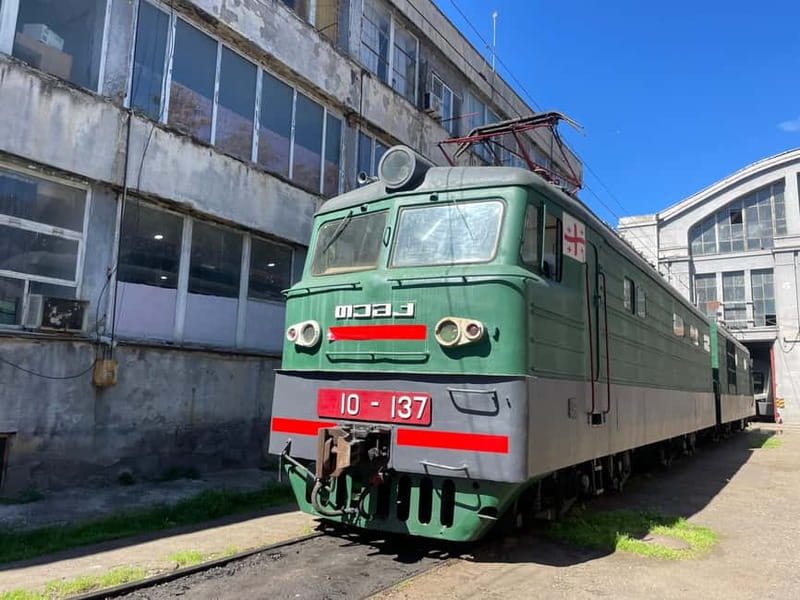
Another major stop is the abandoned electric depot, now used as a shelter for war refugees. This is where the tour becomes more than engineering history. You see how infrastructure spaces can get repurposed, and you hear how people rebuilt their lives around the constraints they inherited.
Your guide connects the refugee story to Georgian railway history and the broader political timeline. One thread that comes up is refugees from Abkhazia and how they fit into the city’s evolving reality. The point is not sensational drama. It is how rail-adjacent neighborhoods can become part of humanitarian shelter networks when the world changes.
This stop can hit emotionally. If you like travel that includes human consequences, you will probably find this the most meaningful segment. If you prefer lighter sightseeing, it is still worth doing, but it may feel heavier than a typical two-hour tour.
Who This Tour Suits (and Who Should Skip It)
This is best for people who enjoy systems and the parts of a city that do not get photographed. If you like railways, metro history, industrial archaeology, or just good storytelling rooted in real neighborhoods, this tour fits neatly.
It also works well as a second-day activity in Tbilisi. You come with fewer expectations, then you learn how the city works from the inside. Several guides on this route also seem to bring a strong local voice, which makes the explanations feel grounded rather than textbook.
But the big skip is clear: wheelchair users should not book. The route is not described as wheelchair-friendly, and it includes places that are likely uneven or hard to navigate.
Also, bring your patience for industrial settings. Two hours moves quickly, and you will spend more time looking and listening than sitting for long stretches.
Price and Value: Why $28 for 2 Hours Can Feel Fair
At $28 per person for about 2 hours, the price is reasonable if you care about access. What you are paying for is not just walking and basic commentary. You are paying for exclusive access to restricted and sealed areas, including the repair station.
That access is the difference between a regular city tour and this one. Most people can walk past a metro station or read a plaque. Very few can step into the kind of rail maintenance spaces that this tour includes.
You also get a bundled mix of elements for the duration: metro ride, worker homes, industrial sites like a mine, a refugee shelter depot, plus the closed-world repair station. For $28, that combination is what makes the math work.
Finally, the guides matter. Many bookings highlight guides who bring energy and humor into explanations, so the tour does not feel like someone reading facts. When the guide can connect infrastructure to people, the history becomes easier to remember.
Practical Tips Before You Go
This tour does not ask for special gear, but it does ask for basic good sense.
- Wear comfortable walking shoes. Industrial surfaces can be uneven, and you want grip.
- Dress for weather and air quality. The tour moves through different outdoor industrial-adjacent zones, so layers help.
- Plan for a listen-first experience. The route is built around guided stories, so tune in and ask questions when the guide offers them.
If you are sensitive to cluttered industrial visuals, keep that in mind for the mine and depot stops. You can still enjoy the story, but you might want to take small breaks when needed.
Should You Book the Forgotten Rails Tour?
I think you should book this if you want Tbilisi beyond the usual tourist pattern. This is a focused, two-hour route built around rails, metro history, and restricted infrastructure, plus a refugee shelter stop that adds real human weight.
Book it confidently if you like practical history and you enjoy seeing how a city’s systems affect everyday life. It is also a strong choice for first-time visitors who want a more local, less polished angle, as long as you are comfortable with industrial neighborhoods.
Skip it if you need wheelchair accessibility, or if you strongly prefer light, everyday scenery over mines, depots, and sealed repair spaces.
If you fit the target, this tour is one of the more distinctive ways to understand Tbilisi’s bones. You will leave with a mental map that goes far beyond the old town.
FAQ
Where is the meeting point?
The guide waits in front of Rustaveli Metro Station.
How long is the tour, and what is included?
The tour runs for about 2 hours. It includes a guided tour of Tbilisi’s underground history, a metro ride, visits to historic railway worker homes, access to a sealed-off railway repair station, an exploration of an active 20th-century mine, and access to an abandoned electric depot that is now a shelter for war refugees.
What languages is the tour guide speaking?
The tour is available with live guides in English and Russian.
Is this tour wheelchair-friendly?
No. The tour is not suitable for wheelchair users.
What should I wear?
Wear comfortable walking shoes.
Is there a cancellation option and a pay-later option?
Yes. You can cancel up to 24 hours in advance for a full refund, and there is a reserve now and pay later option so you can book without paying immediately.
Newer trips around Tbilisi
- Tbilisi Private Dinner: Georgian BBQ & Fireplace
★ 5.0 · 1 review - Day trip in Kakheti-wine tour
★ 5.0 · 1 review - Tbilisi: Khinkali Tasting Lunch with Local Drinks and Pickup
★ 5.0 · 1 review - Tbilisi & Mtskheta bus tour hop on hop off
★ 5.0 · 1 review - Tbilisi: Christmas Market & Hidden Gems Guided Walking Tour
★ 5.0 · 1 review - Stalin’s Secrets: An Underground Journey Through History
★ 5.0 · 1 review
Tours, compared.

Highlights of Caucasus Mountains-Jinvali,Ananuri,Gudauri,Kazbegi(Group tour)
Read our review →
Kakheti Wine Region Tour with 9 Wine Tastings
Read our review →
Mtskheta, Jvari, Gori and Uplistsikhe Day Tour
Read our review →
Kakheti Wine Region Tour with 10 Wine Tastings
Read our review →
Tbilisi Walking Tour Including Cable Car and Traditional Bakery
Read our review →