
Reviewed · GEORGIAN WINERY & QVEVRI VISITS
Wine Tasting Feel the Difference of Qvevri or Classical Wine
Georgian wine tastes better when you compare it. This tasting puts qvevri and European-style production side by side, so you can spot shifts in aroma, color, and flavor, and it includes both white and Saperavi reds with cheese pairing. The only drawback to consider is focus, 4 wines in about 1.5 hours means you will want to taste slowly, not rush.
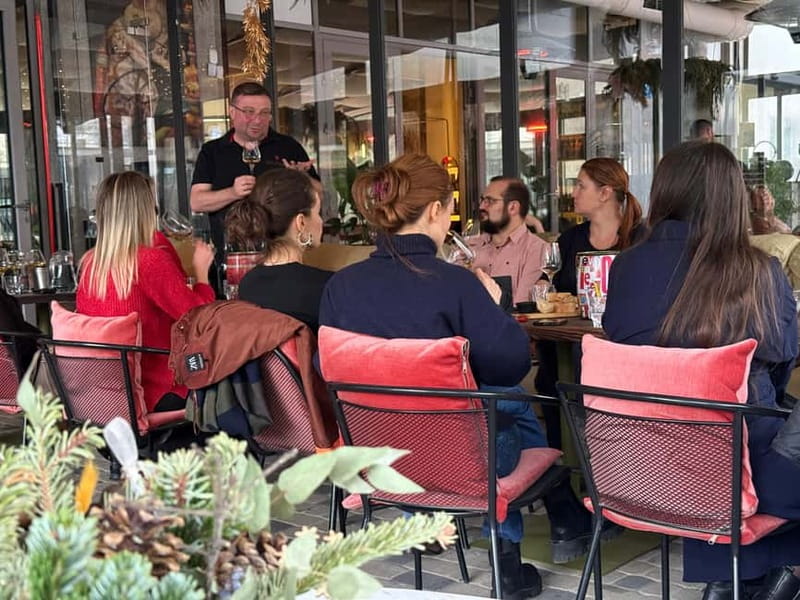
Meet at St.Bunny31 on Griboedov Street at 6:00 pm for a compact lesson from the shop’s sommelier team. I like that it is not just drinking, it is learning how Georgian winemaking works and how to describe wine so other people actually get it.
With a maximum group size of 12 and a mobile ticket, the logistics are simple. If you want a long, meandering evening, this one is short and purpose-built for clear wine differences.
In This Review
- Key things that make this tasting worth your time
- Qvevri vs classical style, the real point of this Tbilisi session
- What’s in the tasting, four wines that teach a clear comparison
- The two whites, classical production vs qvevri
- The two reds, Saperavi in European and traditional Georgian styles
- Why tasting the same grape matters
- The sommelier lesson, what you learn beyond drinking
- Aroma and color, how to taste smarter during the 1.5 hour slot
- Georgian cheese pairing, small rules that make the wines clearer
- Timing and meeting point, how to make the evening stress-free
- Price and value for a $16 tasting with instruction
- Who this tasting suits best in Tbilisi
- Should you book this Qvevri wine tasting in Tbilisi?
- FAQ
- Where does the wine tasting start in Tbilisi?
- What time does the tasting begin?
- How long is the experience?
- What is the price per person?
- How many wines do you taste during the session?
- Which grapes are included in the tasting?
- Do you compare qvevri to another Georgian or European production method?
- Is there food included with the wine?
- Do I need a paper ticket?
- Is free cancellation available?
Key things that make this tasting worth your time
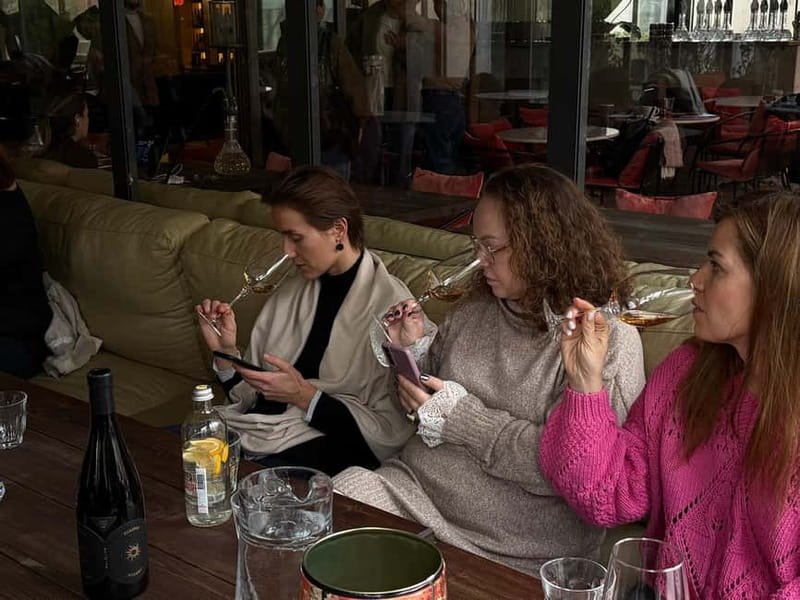
- Four wines, one skill, white and red bottles designed to teach you what changes in production do to taste
- Same grape, same region, different method, you compare classical vs qvevri styles in the white category
- Red Saperavi comparisons, two red wines from Saperavi using different technologies (European and traditional Georgian)
- Cheese pairing included, Georgian cheeses are part of how you learn what works with local wines
- More than flavor, you get context on wine-growing regions, history, local trends, and topics like chacha and aging
More Wine Tours in Tbilisi
- Day Trip to Kakheti Wine Region Including 9 Wine Tastings★ 5.0 · 2,774 reviews
- From Tbilisi: Kakheti Wine Region Tour with 9 Wine Tastings★ 4.9 · 2,541 reviews
- Tbilisi: Kakheti Wine Region Tour with 10 Wine Tastings★ 5.0 · 2,160 reviews
- Tbilisi: Mtskheta Jvari Bazaar, Chronicles of Georgia & Wine★ 5.0 · 1,088 reviews
Qvevri vs classical style, the real point of this Tbilisi session
This tasting is built around a simple idea: when you change only one thing, the difference becomes obvious. Here, you taste wines from the same region and the same grape variety, then you compare how production method changes the wine. That is the fastest way to learn Georgian wine without getting lost in random variety after random variety.
I also like that it is not limited to one grape or one style. You get two white wines made from white grapes, and you get two red wines from the Saperavi grape. With both colors in the mix, you can start building a mental map of what you like in Georgian wine, not just what one bottle happens to taste like.
One practical note, the tasting lasts about 1 hour 30 minutes, so you will need to stay present. If you are the kind of person who takes one sip and then forgets to look at the glass, plan to slow down. The value here comes from comparison, not from speed.
What’s in the tasting, four wines that teach a clear comparison
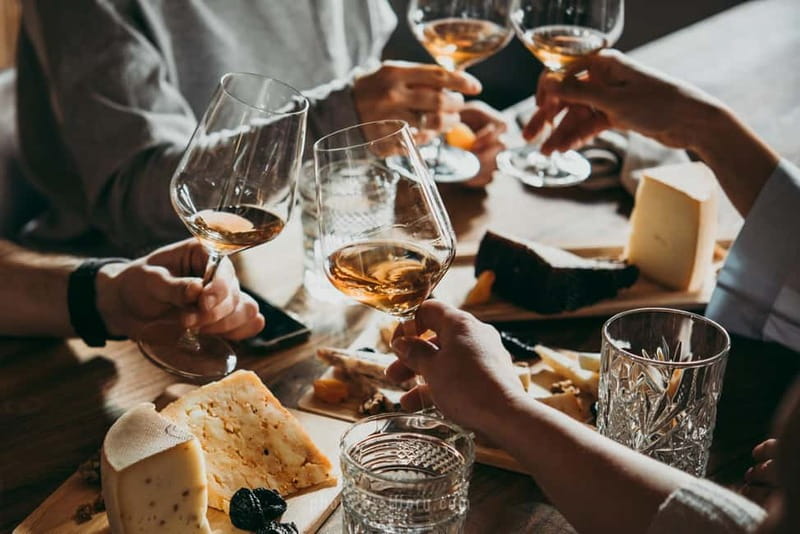
The tasting includes four wines total. Two are from white grapes, and two are red, all connected by the theme of comparing production techniques.
The two whites, classical production vs qvevri
For the white category, you will taste two wines from the same region and the same grape variety. The goal is to feel the difference in the influence of traditional Georgian winemaking technology versus a more European production approach.
You are specifically encouraged to notice how qvevri affects taste, aroma, and color. That trio matters. Color tells you how the wine presents itself before you even sip. Aroma is where your brain gets its first cues. Taste is where you decide if it is enjoyable for you, not just interesting on paper.
The two reds, Saperavi in European and traditional Georgian styles
For red wine, the grape stays the same: Saperavi. You still taste two versions, where the difference comes from technology, with one set described as European and the other described as traditional Georgian.
Saperavi is the kind of grape where production choices can really change how the wine feels in your glass. This makes the red portion a great follow-through. If the whites are your gateway, the Saperavi comparisons help you confirm what you actually want from Georgian reds.
Other Georgian winery and qvevri visits:

Why tasting the same grape matters
If you taste wildly different grapes back to back, you can end up learning only one thing: that you prefer one grape. This tour tries to reduce that confusion. By holding region and grape variety constant for the whites, and by holding grape variety constant for the reds, you get cleaner lessons about method.
That is why the tasting works well even for beginners. You do not need a big vocabulary. You just need attention, and the sommelier-led structure does the rest.
The sommelier lesson, what you learn beyond drinking
The tasting is guided by a team of sommeliers at a modern Georgian wine shop and restaurant. The emphasis is on learning how to understand Georgian wine, and more importantly, how to talk about it.
From the way the experience is described, the sommelier does not just hand out pours and chat. You cover specific topics like:
- wine-growing regions of Georgia
- history of Georgian wine
- local wine trends
- main features of local production technology
- wine and food pairing rules
- aromas, taste, and wine evaluation
That last part is key. Instead of leaving you with vague impressions like good or not for me, the tasting points you toward evaluation. You start noticing aroma and taste patterns in a more structured way, which makes future tastings easier.
There is also a mention of chacha, aging of wine, and ring as part of what you will discuss. Even if you do not have those terms memorized, the fact that they are included tells you this is not a basic, one-note beginner tasting. It is a guided orientation to the wider Georgian wine world.
And one more thing I appreciate: the experience is set up to help you describe wine so others understand and love it too. If you have ever tried to explain what you liked about a glass and ended up sounding like a poet with no language skills, this is the kind of format that helps you get practical wording.
Aroma and color, how to taste smarter during the 1.5 hour slot
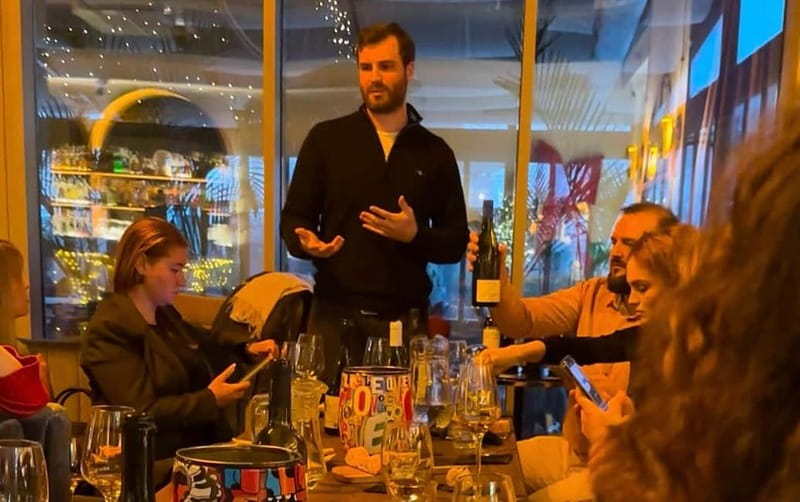
A quick reality check: when you are sampling four wines in about 90 minutes, your senses can get overwhelmed. So you need a method, even a simple one.
Here’s a tasting approach that fits what this experience is trying to teach:
- Look at color first. Notice if it seems lighter or deeper, and how the wine reflects light.
- Smell next. Try to name what you perceive, even if it is basic, like fruit, flowers, or spice.
- Sip and let it sit. Pay attention to how the flavor changes as it warms in your mouth.
- Decide what you like about it. Not just whether it is pleasant, but what you enjoy.
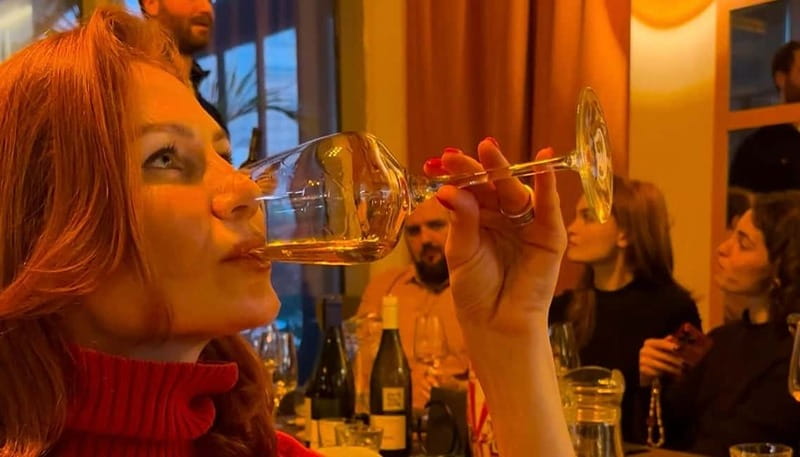
This tour’s focus on aromas, taste, and wine evaluation supports that kind of mindful pacing. If you rush, you miss the connection between production style and sensory results, which is the whole point of comparing classical style and qvevri.
Also, with a pairing included, you can reset your palate between wines. Use the cheese to adjust, not to overpower. Take small bites so you stay able to tell the next wine apart.
Georgian cheese pairing, small rules that make the wines clearer
The tasting includes Georgian cheeses as the accompaniment. That matters because wine appreciation does not happen in a vacuum. Salt, fat, and texture can change how aroma hits your nose and how flavor shows up on your tongue.
The experience also lists wine and food pairing rules as part of what you will learn. While you are tasting, the sommelier-led pairing should help you understand why a combination works. You are not just eating snacks, you are learning a framework you can use after the tour too.
Practical tip: keep your cheese bites modest. If you eat too much, you lose the ability to compare the next pour. Your goal is to taste the wine, then let the cheese clarify or shift it, not to replace the wine entirely.
Timing and meeting point, how to make the evening stress-free
You start at 6:00 pm at St.Bunny31, Griboedov St, Tbilisi, Georgia. The activity ends back at the meeting point, so you are not stuck figuring out where to go after the tasting.
The schedule also helps you if you like planning around dinner. A 1 hour 30 minute wine session can fit nicely before you continue exploring Tbilisi food, especially if you already know you will want to keep moving after 7:30 or so.
Because the tour notes that it is near public transportation, getting there should be straightforward. And since the ticket is mobile, you do not need to hunt for paper tickets or worry about printing.
Finally, the group size is limited to a maximum of 12 travelers. That tends to keep the experience personal enough for questions about aromas, evaluation, and pairing without turning it into a lecture for a huge crowd.
Price and value for a $16 tasting with instruction
The price is $16.00 per person. On paper, that sounds like a simple tasting deal. In practice, the value comes from what you receive with it: four wines plus Georgian cheeses plus an explanation of the production differences and the basics of wine evaluation and pairing.
If you have ever paid for tastings where you just get pours and a quick description, this one is different. The structured comparison between classical production and qvevri style for white wines, and the Saperavi technology comparison for reds, turns the tasting into a learning experience. Add the topics like wine-growing regions, history, and local trends, and you are not leaving with only a memory of what tasted good. You are leaving with vocabulary and a way to keep figuring it out on your own.
Is there a possible trade-off? Yes. Because it is focused and short, you will not get an hours-long free-form wine conversation. If you prefer to linger and sample at your own pace without instruction, you might find the timing a little tight.
But if you want a concentrated winemaking lesson that helps you recognize differences, the price feels fair.
Who this tasting suits best in Tbilisi
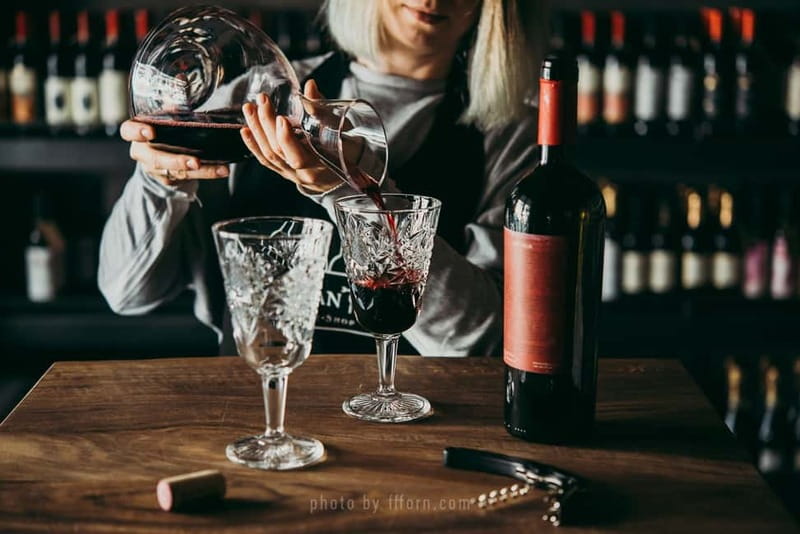
This experience is a strong fit if:
- You want to learn Georgian wine fast, especially how production method changes flavor
- You like comparing styles and noticing color, aroma, and taste differences
- You want pairing basics you can use later with Georgian cheeses
- You are curious about traditional wine culture, including topics like qvevri, chacha, and aging
It might be less ideal if:
- You want a long meal with wine over several hours
- You prefer tastings with no structure or guided evaluation
If you are somewhere in the middle, it is a great match. Beginners learn the “how to taste” parts. Wine-minded people get the comparison angle, and the sommelier-led context gives you words to describe what you are experiencing.
Should you book this Qvevri wine tasting in Tbilisi?
Yes, book it if your goal is clear: understand Georgian wine by tasting production differences in a compact format. The combination of qvevri vs classical style, plus Saperavi reds, plus cheese pairing, plus explicit instruction on aromas and evaluation makes this feel like more than a quick stop.
Before you go, do one simple thing: come with a relaxed attitude about learning. You do not need to know wine terms. Focus on the senses the tour asks you to notice, especially color, aroma, and taste, and you will get a lot more out of the four pours.
If you want, tell me your wine comfort level (total beginner, casual taster, or “I read labels for fun”) and what kind of flavors you usually like, and I will suggest how to approach the white vs red parts so you can zero in on what you will enjoy most.
FAQ
Where does the wine tasting start in Tbilisi?
It starts at St.Bunny31, Griboedov St, Tbilisi, Georgia.
What time does the tasting begin?
The start time is 6:00 pm.
How long is the experience?
It lasts about 1 hour 30 minutes.
What is the price per person?
The price is $16.00 per person.
How many wines do you taste during the session?
The tasting includes 4 wines.
Which grapes are included in the tasting?
You taste two white wines made from white grapes and two red wines made from the Saperavi grape.
Do you compare qvevri to another Georgian or European production method?
Yes. The experience compares different production technologies, including traditional Georgian qvevri and European-style production.
Is there food included with the wine?
Yes. The tasting includes Georgian cheeses as accompaniment.
Do I need a paper ticket?
No, the experience uses a mobile ticket.
Is free cancellation available?
Yes. You can cancel up to 24 hours in advance for a full refund. After that, the amount paid is not refunded.
Other Food Tours in Tbilisi
- Tbilisi:Mtskheta,Jvari,Bazaar,wine tasting,Chronicles of Georgia
★ 5.0 · 730 reviews - Old Tbilisi Tour: Private Walking Tour With Wine Tasting
★ 5.0 · 273 reviews - Private Tbilisi Food Tour: 9 Tastings Walk in Bohemian District
★ 5.0 · 227 reviews - Tbilisi Food Tour in a Local Family
★ 5.0 · 113 reviews
Newer trips around Tbilisi
- Tbilisi Private Dinner: Georgian BBQ & Fireplace
★ 5.0 · 1 review - Tbilisi: Khinkali Tasting Lunch with Local Drinks and Pickup
★ 5.0 · 1 review - Day trip in Kakheti-wine tour
★ 5.0 · 1 review - Tbilisi & Mtskheta bus tour hop on hop off
★ 5.0 · 1 review - Tbilisi: Christmas Market & Hidden Gems Guided Walking Tour
★ 5.0 · 1 review - Stalin’s Secrets: An Underground Journey Through History
★ 5.0 · 1 review
Georgian Winery & Qvevri Visits, compared.
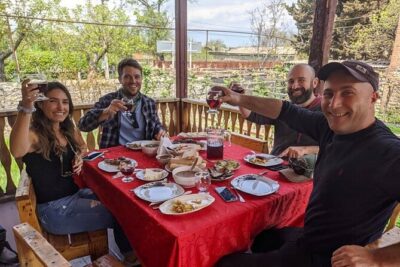
Kakheti – Small wineries and family-cooked lunch • Private tour
Read our review →
Private Wine Tasting in Prince Karalashvili Wine Cellar. Tbilisi
Read our review →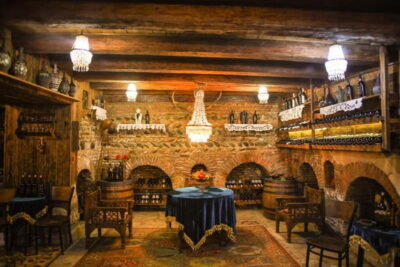
Private Wine tasting in Historic Karalashvili Wine Cellar
Read our review →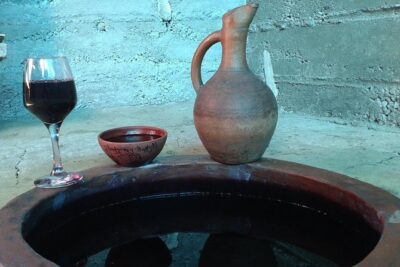
3 Organic Wineries Private Day Trip to Wine Province With Lunch and Tastings
Read our review →
Wine Tasting feel the Difference of Qvevri or Classical Wine
Read our review →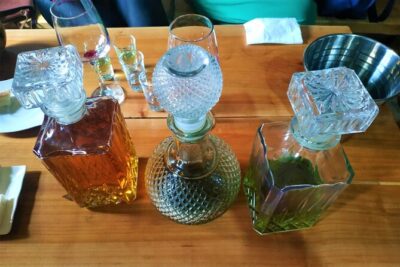
Kakheti Wine Tour with 20+ Wine Tastings & Qvevri Masterclass
Read our review →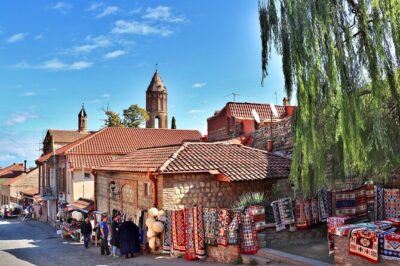
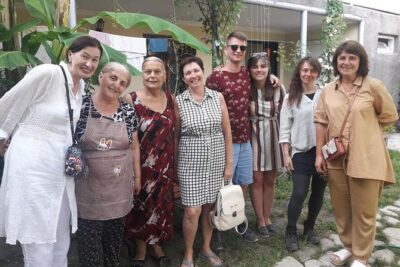
Tour to Kakheti. Sighnaghi –Bodbe Monastery –Tsinandali –Telavi –Winery –Gombori
Read our review →Browse the lists this tour appears in