
Reviewed · 3-DAY EXPERIENCES
3 Days/2 Nights Kvemo Kartli Region Tour Package in Georgia
Kvemo Kartli hits you with deep time. I love the chance to stand at Dmanisi, where the first Europeans story starts, and I love the mix of stone churches like Bolnisi Sioni built in the 5th century. The main catch is that lunch and your lodging are not included, so you have to plan your own food and overnight basics.
This is a private package, so your days run at your group pace with pickup from Tbilisi, plus an air-conditioned vehicle, onboard WiFi, and bottled water. I also like that the stops are mostly low-ticket drama, many with free admission, so your money goes toward the route instead of entry fees.
You will spend real time outdoors, including Algeti National Park. The operator notes it needs good weather, and church visits come with strict dress expectations, especially for women.
In This Review
- Key highlights worth your attention
- Why Kvemo Kartli Feels Like Georgia Through Deep Time
- Starting in Tbilisi: Pickup, Timing, and How the Day Flows
- Day 1: Algeti National Park, Dashbashi, and Asureti Village Life
- Day 2: Dmanisi, Dmanisi Sioni, and Bolnisi Sioni Cathedral
- Day 3: Tsughrughasheni Church and the Didgori Battlefield Ground
- Church Etiquette That Actually Saves Your Trip
- Price and Value: Is $615.39 Fair for What You Get?
- What to Expect on the Ground: Pacing, Stops, and Real Time
- Who This Tour Suits Best (and Who Should Rethink It)
- Should You Book This Kvemo Kartli Tour Package?
- FAQ
- What time does the tour start?
- Is pickup included?
- Is lunch or dinner included?
- Are there tickets to buy for the sites?
- What should women wear for church visits?
- Are there dress rules for men?
- What transportation is included?
- What if the weather is bad?
Key highlights worth your attention

- Dmanisi hominin site dated around 1.8 million years ago, with the famous skull research that reshaped our understanding of early Homo
- Bolnisi Sioni Cathedral (478 to 493), described as Georgia’s oldest extant church building
- Algeti National Park, created as a state reserve in 1965 to protect the easternmost limits of Caucasian spruce and Nordmann fir
- Didgori Valley battle site (Aug 12, 1121), tied to King David IV and the Seljuq defeat at a narrow chokepoint
- Church-ready clothing support, with scarves and dresses often available at entrances when needed
Other Tbilisi tours and day trips:
- Tbilisi: Day Trip to Kazbegi, Gudauri, Gergeti, and Ananuri★ 4.9 · 3,203 reviews
- Day Trip to Kakheti Wine Region Including 9 Wine Tastings★ 5.0 · 2,774 reviews
- Highlights of Caucasus Mountains-Jinvali,Ananuri,Gudauri,Kazbegi(Group tour)★ 5.0 · 2,682 reviews
- From Tbilisi: Kakheti Wine Region Tour with 9 Wine Tastings★ 4.9 · 2,541 reviews
Why Kvemo Kartli Feels Like Georgia Through Deep Time
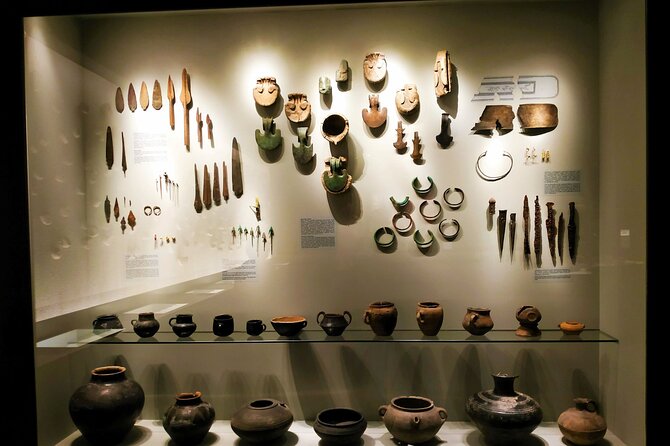
Kvemo Kartli is one of those regions where the timeline just keeps stacking. In three days you move from dramatic medieval faith and politics into a place that tackles the earliest human migration stories in Europe. It is not a “one museum, one quick photo” kind of route. It is walking, standing, and looking long enough to let the place do the talking.
I also like that the route balances big-name sites with quieter stops. You do not only hit the headline churches and the well-known archaeology. You also get village scenery and countryside pauses like Algeti National Park, plus smaller church architecture that helps you see how Georgian sacred design evolved.
The tone is practical too. Most stops are short, usually 30 minutes to about an hour, so you keep momentum without feeling rushed off a cliff into the next location. And because many listed admissions are free, the “cost of curiosity” stays low.
Starting in Tbilisi: Pickup, Timing, and How the Day Flows
The tour runs out of Tbilisi with pickup and a 9:00 am start. That matters because Kvemo Kartli is spread out, and early departure usually gives you cleaner light for photos and fewer timing headaches when churches have strict closing times.
You travel in a private air-conditioned vehicle with onboard WiFi and bottled water. That is a real quality-of-life feature on a multi-stop history day, especially if you are sensitive to heat. Private transport also means you do not lose time negotiating group pacing or waiting for other people to finish a viewpoint.
Two practical notes before you go: first, lunch and dinner are not included, so bring a plan for midday. Second, church dress code is not optional, so you either pack what you need or count on the fact that scarves and dresses can be available near church entrances.
Day 1: Algeti National Park, Dashbashi, and Asureti Village Life
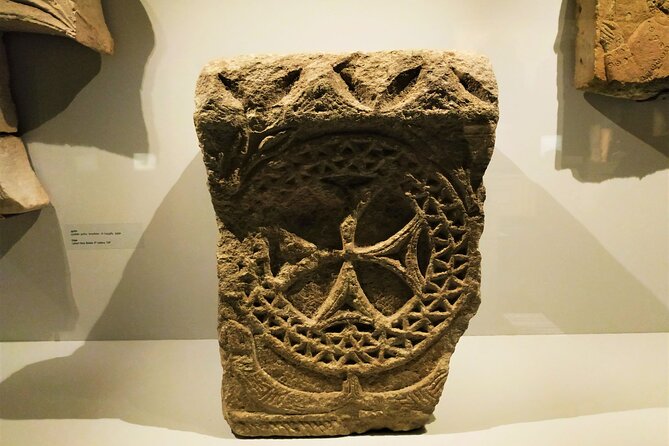
Day 1 starts with Manglisi and a visit to Algeti National Park. This park sits about 60 km southwest of Tbilisi along the upper Algeti valley, along the woody southern slopes of the eastern Trialeti Range. The highest point is Mount Kldekari at about 2,000 m, so even if you are not hiking hard, you are in a higher, cooler-feeling setting than the city.
The park’s history is part of why I find this stop meaningful. It was founded under the Soviet government in 1965 as a state reserve to protect the easternmost limits of Caucasian spruce and Nordmann fir. Later, in 2007, it became a national park. In other words, this is not a random scenic stop. It is a protected area with a conservation reason behind it, which adds weight to the walk-and-look time.
After that, you head to the Dashbashi Canyon area with time in Dashba village, historically known as Akhalkalaki. This is a village setting on the Chochiani plateau, around 1,500 m above sea level. The route time here is about 1 hour 30 minutes, so you can expect a slower pace where the point is atmosphere, not just a checkpoint.
Then there is Asureti, a quieter 30-minute stop on the right bank of the Asuretiskhevi River. Asureti (formerly Elizabeth) sits roughly 760 to 800 m in elevation and is about 20 km from Tetritskaro and 29 km from Tbilisi. If you like travel that includes small community centers and everyday geography, this is the kind of stop that makes the region feel lived-in rather than staged.
Day 2: Dmanisi, Dmanisi Sioni, and Bolnisi Sioni Cathedral
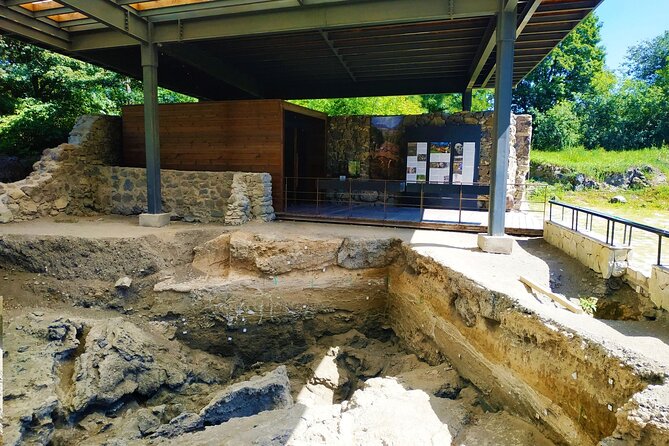
Day 2 is the big day for “first Europeans” energy. You start in Dmanisi, an archaeological site in the Kvemo Kartli region around 93 km southwest of Tbilisi, in the Mashavera river valley. The hominin site is dated to about 1.8 million years ago, and it is often described as the earliest known evidence of hominins outside Africa, before later discoveries elsewhere pushed that timeline again.
The famous part of Dmanisi is not just age. The discovery of multiple skulls with diverse physical traits sparked the idea that many separate Homo species might actually reflect one lineage. In plain terms, this site forces you to think about evolution as a messy, moving process rather than tidy labels.
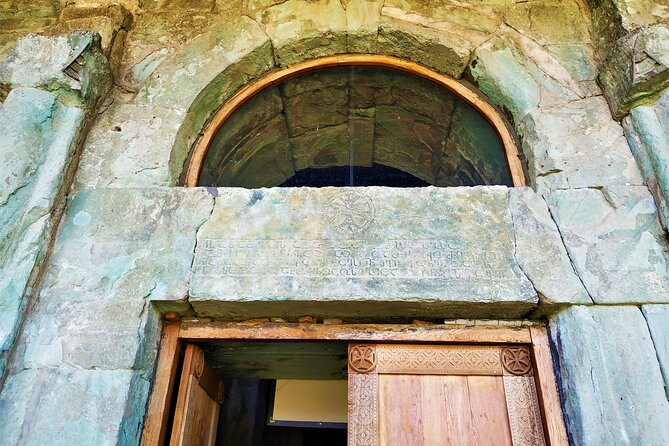
You then shift from deep time to early medieval faith at Dmanisi Sioni. This is the Dmanisi cathedral of the Theotokos, an early medieval basilica in the heart of the ruined medieval town on a promontory where rivers meet. The church has a three-bay nave and a protruding apse, plus a richly decorated narthex that was added in the early 13th century.
Even better, Dmanisi Sioni is still functioning as a Georgian Orthodox church, renovated in 2009. It is also protected as an immovable cultural monument of national significance. The result is that you get architecture you can study, not just ruins you can stare at.
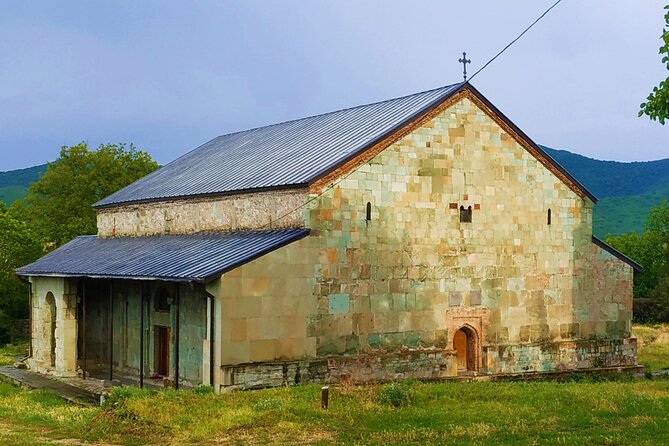
After lunch planning on your own, you finish the day at Bolnisi Sioni Cathedral, often described as Georgia’s oldest surviving church building. It dates to 478 to 493, built under the oversight of Bishop David. Spending time here after Dmanisi makes the contrast hit harder. You feel how the landscape holds both ancient human beginnings and later religious identity.
Other Tbilisi trips people compare

Day 3: Tsughrughasheni Church and the Didgori Battlefield Ground
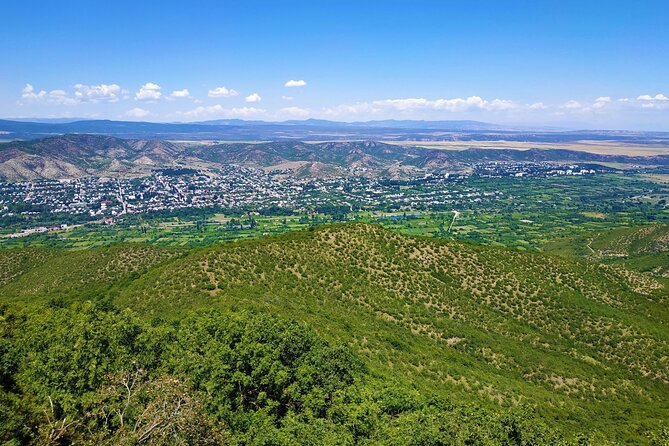
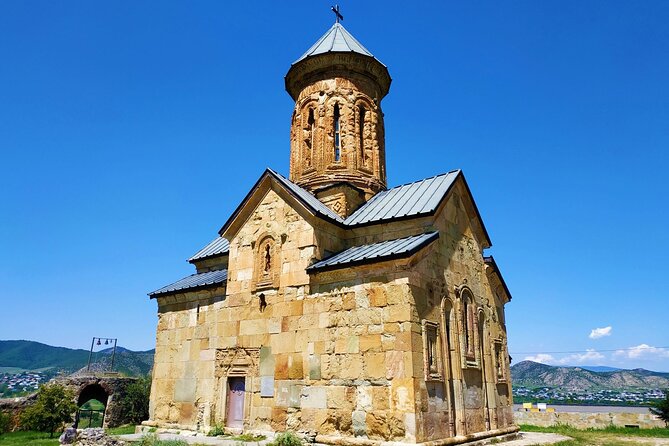
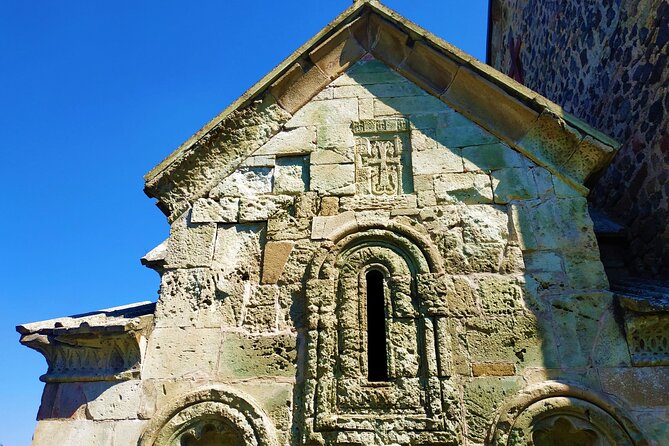
Day 3 starts with Tsughrughasheni, a Georgian Orthodox church in the Bolnisi District. It sits about 2 km from Bolnisi Sioni on the right bank of the Bolnisistsqali River. The church is dated to 1212 to 1222 and is commonly linked to King George IV Lasha of the Bagrationi Dynasty.
Architecturally, Tsughrughasheni is described as stylistically similar to other 12th to 13th century Georgian churches like Betania, Kvatakhevi, and Pitareti. It is smaller, but it has a higher cupola, and the plan is right-angled. You also get an emphasis on Georgian traditional ornaments, which is a nice change from places where the building is significant mostly for its age or location.
From faith you pivot into politics and war at Didgori Valley. The Battle of Didgori happened on Aug 12, 1121, between the Kingdom of Georgia and the Great Seljuq Empire. The battle took place at a narrow place about 40 km west of Tbilisi, and the account focuses on King David IV’s tactics. The Seljuqs under Ilghazi were unable to maneuver and suffered a defeat.
This stop is short, about 30 minutes, but it can still land if you pay attention to the “narrow chokepoint” idea. Standing in the general area helps you connect the battle description to how terrain shapes outcomes. It turns the story from dates on a page into something more physical.
Church Etiquette That Actually Saves Your Trip
Church dress code is the one detail that can turn a smooth day into a stressful one. The requirement is straightforward: ladies need to wear head scarves and dresses in Georgian Orthodox churches. For men, short trousers are forbidden.
The good news is also practical. Scarves and dresses can be found near church entrances for men and women to enter. I still recommend you bring your own scarf if you can, since the “available at the door” supply can vary by crowd and timing.
Wear stuff you can move in. These sites involve short walking segments and time standing to look. Comfortable shoes matter more than “best outfit” because you will be doing a lot of getting in and out of vehicles, plus some uneven ground near older church structures.
And once you are inside, keep your pace calm. In active churches, the vibe matters. You will get the most out of these buildings when you treat them like living places, not just photo backdrops.
Price and Value: Is $615.39 Fair for What You Get?
At $615.39 per person, this package sits in the “serious history day trip” category rather than a budget add-on. But the value logic is clear when you match the price to what is included.
You get private transportation in an air-conditioned vehicle, with onboard WiFi and bottled water. You also get a route with multiple major stops across three days, and many of the listed sites have free admission. That means you are paying mainly for logistics and time, not constantly topping up entry fees.
What is not included is a big piece: lunch, dinner, and hotel. That matters for true cost. If you are traveling with higher hotel expectations or you want formal sit-down meals every day, your total budget will rise quickly. On the other hand, if you are comfortable eating simply and using the included stops to shape your day, the package cost can feel fair.
The sweet spot for value is a group that wants private pacing but does not want to hire separate transport for each leg. Also, pickup and mobile ticket support reduce friction, which is often what people really pay for on a multi-day plan.
What to Expect on the Ground: Pacing, Stops, and Real Time
This tour is built around short visits that add up. You are typically looking at 30-minute to 1-hour blocks at churches and archaeological highlights, with some longer time at scenic areas like Dashbashi Canyon and Algeti National Park.
That pacing works for most people because it keeps energy steady. You can enjoy a church, take in the ornamentation, step back for photos, then move on without feeling mentally exhausted. The downside is that you may want more time at the “big mental hits,” especially Dmanisi and Bolnisi Sioni. With a tight schedule, you will enjoy them more if you go in with at least a basic sense of what you are looking for.
Weather matters too. The operator notes the experience requires good weather. With churches, you usually get shade and shelter, but the park and countryside drives are the part that can suffer when conditions change. If you are going in a season when sudden rain is common, keep your clothing plan flexible.
Who This Tour Suits Best (and Who Should Rethink It)
This is a good fit if you want ancient Georgian civilization in a single focused route. You like connections between archaeology, medieval religious architecture, and the political stories that shaped Georgia. If you also enjoy rural context, you will appreciate the village stops mixed into the schedule.
It is also well matched to travelers who prefer private transport and not having their day dictated by a mixed group. If you like control over your own rhythm, private pacing can make the difference between “see it” and “understand it.”
Rethink it if you want long museum-style stays or zero driving. The schedule is stop-based with short blocks, so it is more of a guided itinerary in motion than a slow wander. And because hotel and meals are not included, you will spend some extra energy handling those logistics yourself.
Should You Book This Kvemo Kartli Tour Package?
If you care about Georgia beyond Tbilisi, I think this is a smart booking. You get a rare combination: deep-time archaeology at Dmanisi, major early churches like Bolnisi Sioni, and medieval architecture at Tsughrughasheni, plus a battle-ground stop at Didgori Valley. The route is dense with meaning, but the visits are short enough to keep your energy up.
Book it if you want value driven by free admissions and private transport, and you are comfortable planning your own meals and lodging. If you want the organizer to handle everything end-to-end, including hotel and meals, you might feel the gaps. Also, if you dislike weather-dependent outdoor time, consider your travel season carefully.
FAQ
What time does the tour start?
The experience starts at 9:00 am.
Is pickup included?
Pickup is offered.
Is lunch or dinner included?
No. Lunch, dinner, and hotel are not included.
Are there tickets to buy for the sites?
Many listed stops have admission ticket free, so you usually do not face multiple paid entries.
What should women wear for church visits?
Women need to wear head scarves and dresses for Georgian Orthodox churches.
Are there dress rules for men?
Yes. Short trousers for men are forbidden. Scarves and dresses are also available near church entrances for both men and women.
What transportation is included?
The tour includes private transportation in an air-conditioned vehicle with WiFi on board and bottled water.
What if the weather is bad?
The experience requires good weather. If it is canceled due to poor weather, you will be offered a different date or a full refund.
Newer trips around Tbilisi
- Tbilisi Private Dinner: Georgian BBQ & Fireplace
★ 5.0 · 1 review - Day trip in Kakheti-wine tour
★ 5.0 · 1 review - Tbilisi: Khinkali Tasting Lunch with Local Drinks and Pickup
★ 5.0 · 1 review - Tbilisi & Mtskheta bus tour hop on hop off
★ 5.0 · 1 review - Tbilisi: Christmas Market & Hidden Gems Guided Walking Tour
★ 5.0 · 1 review - Stalin’s Secrets: An Underground Journey Through History
★ 5.0 · 1 review
3-Day Experiences, compared.

3-Day Tour to Gudauri and Kazbegi with hotel pick up
Read our review →
Best of Armenia: private 2-3 days tour to Yerevan w/ family lunch
Read our review →
Private 3-Day Tours & Transfers from Tbilisi to Top Georgia Spots
Read our review →
3 Day Tusheti Tour Explore Unspoiled Wilderness
Read our review →
Tusheti Thrill: Limited-Time Mountain Escape 3 day tour
Read our review →
Browse the lists this tour appears in