
Reviewed · MTSKHETA ANCIENT CAPITAL TOURS
From Tbilisi: Mtskheta, Jvari, Gori & Uplistsikhe Cave Tour
Four stops, one powerful Georgian history day.
This tour strings together UNESCO-listed Mtskheta, the hilltop Jvari Monastery, Gori’s Stalin sites, and the rock-cut world of Uplistsikhe. I like that the pace is structured, so you get real time at the big landmarks instead of nonstop bus time, and the river scenery keeps showing up in the gaps between stops.
What I like most is the way the guide work turns each location into a story you can picture, from Saint Nino’s Christianization scene at Jvari to Gori’s Soviet-era context. I also appreciate the practical value of seeing so much in one day for about $23 per person, with bus transport and a live guide included. One caution, though, this is a 9-hour day with walking and some uphill ground at Uplistsikhe, and if you are tall you may feel cramped in the minibus.
In This Review
- Key takeaways before you go
- From Tbilisi pickup to a full 9-hour circuit
- Why Mtskheta works so well on a day trip
- Entering Jvari Monastery: the hilltop that explains everything
- Svetitskhoveli Cathedral stop: what to look for
- Gori and the Stalin Museum: history with a built-in debate
- Uplistsikhe cave city: walking the pre-Christian layers
- The Aragvi and Mtkvari confluence: the scenery you remember
- How the itinerary pacing actually feels
- Guides and service: what keeps it smooth
- Food and tickets: where you’ll spend extra
- Price and value: is $23 a good deal?
- Who should book this tour, and who should skip it
- Should you book this Mtskheta, Jvari, Gori, Uplistsikhe tour?
- FAQ
- Where is the meeting point for the tour?
- How long is the tour?
- Is a guide included?
- What languages are the guide services offered in?
- What is included in the price?
- Are entry tickets included?
- Are food and drinks included?
- Can I bring alcohol on the tour?
- What should I bring for the tour?
Key takeaways before you go
- Mtskheta UNESCO time: You get a focused stop for Svetitskhoveli Church and the old town area
- Jvari hilltop viewpoint: A long enough visit (105 minutes) to actually enjoy the views
- Gori with context: A museum option tied to Joseph Stalin’s birthplace town
- Uplistsikhe cave city: Walkable ruins that show pre-Christian life by the Kura River
- River confluence moments: You’ll see where the Aragvi and Mtkvari rivers meet as part of the scenery story
Other Gori and Uplistsikhe cave-town trips:
- Tbilisi: Mtskheta, Jvari, Gori and Uplistsikhe Day Tour★ 4.9 · 2,396 reviews
- Day Trip to Mtskheta Gori and Uplistsikhe★ 5.0 · 1,801 reviews
- From Tbilisi : Mtskheta, Jvari, Gori & Uplistsikhe Day Trip★ 4.8 · 432 reviews
- From Tbilisi: Mtskheta, Jvari, Gori, Uplistsikhe Guided Tour★ 4.7 · 354 reviews
From Tbilisi pickup to a full 9-hour circuit
The day starts at the Château Mukhrani Wine Bar in Gorgasli Square, by the I LOVE TBILISI sign, in front of Meidan Bazar. If you are using a map app, also keep an eye on the listed street address (6 Samghebro St) so you’re standing in the right spot when the group gathers.
Then you’re off by bus into Shida Kartli countryside. This matters more than you might think. Georgia’s interior roads can be scenic, and the bus time gives you a chance to settle before the first historical stop. You also avoid the hassle of lining up separate transport for Mtskheta, Gori, and the cave sites.
This is a history tour first, not a nature-only outing. You’ll be walking for several stretches, and Uplistsikhe has uneven ground. I’d call it doable for most adults with decent shoes, but bring sports shoes and be ready for a long day.
Why Mtskheta works so well on a day trip
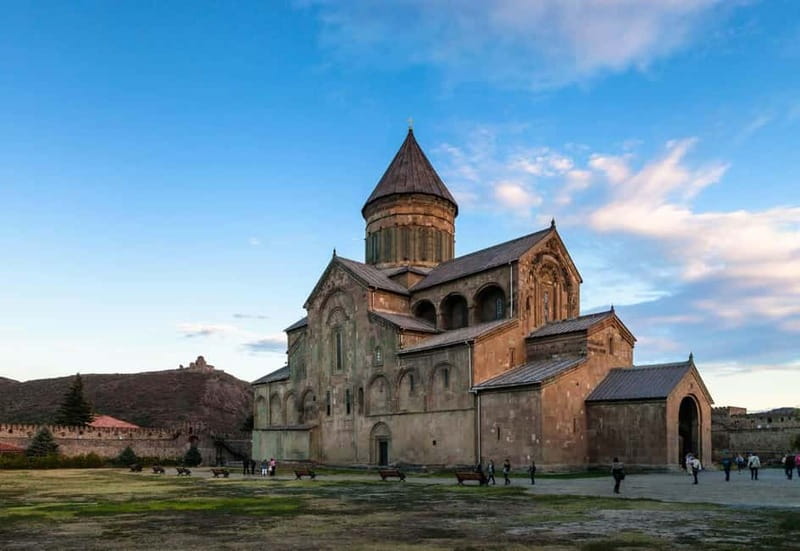
Mtskheta is one of those places where the timeline feels stretched and the landmarks still feel in use. You’ll get your first meaningful break there with time for photos, shopping, and a short walk through the historic core.
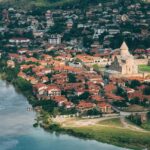
The standout stop here is Svetitskhoveli Cathedral area. It’s UNESCO-listed and famous for its presence as a major early Georgian religious site. The experience is not just about viewing stone from a distance. Your visit includes time to walk around, take photos, and get a guided explanation of what you’re seeing.
Two details make Mtskheta a great early stop:
- You start with a strong “why Georgia matters” story before you head toward the more modern and darker corners of history in Gori.
- The town’s setting helps you understand the geography. You’ll be thinking about rivers and routes by the time you reach the confluence later.
Practical note: the Mtskheta portion is shorter than Jvari and Uplistsikhe, so if you want extra souvenir time, plan it for this window rather than later when you are tired.
Entering Jvari Monastery: the hilltop that explains everything
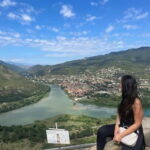
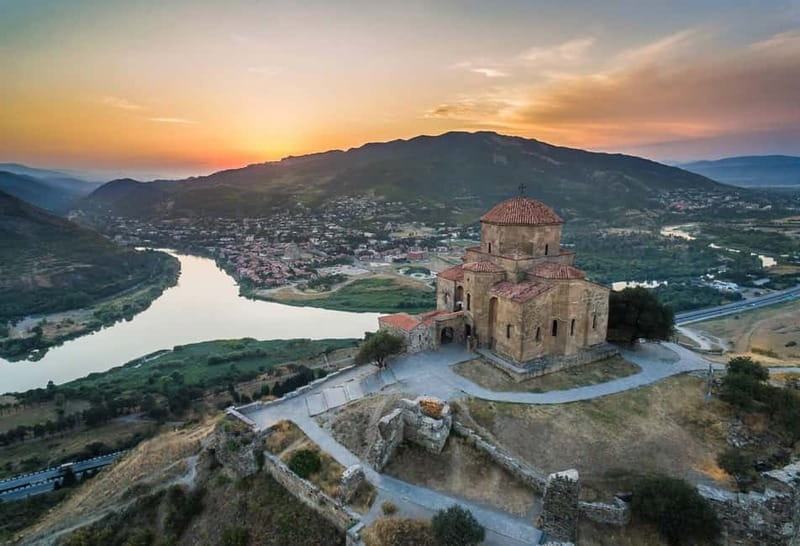
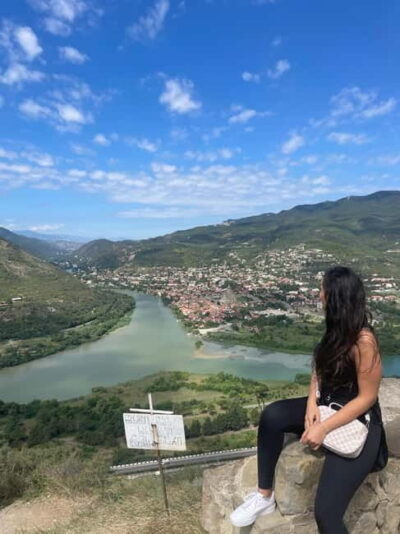
Jvari Monastery is the kind of place you understand after you see it. It sits on a hill, and the domed church layout makes it look like it grows out of the land.
Your visit includes photo time, a guided tour, and a longer chunk of free time, around 105 minutes total on the ground. That length is a big deal. You can take a breather, check viewpoints, and not feel like you are sprinting from one wall to the next.
The guide focus here is centered on the Christianity origin story. Saint Nino is said to have converted King Mirian III of Iberia. Even if you already know the basics, hearing how the story connects to Georgian religious identity gives the place more weight than “pretty old church.”
What makes Jvari worth your time is the balance. You get architecture that’s shaped for the landscape, plus scenery that feels built into the design. The rivers and surrounding terrain show up in your photos, and the guide helps you connect those views to the broader geography of the region.
Svetitskhoveli Cathedral stop: what to look for
After Jvari, you move toward Svetitskhoveli Cathedral for another guided component and photo opportunities. This stop includes a shorter but focused walk time, around 40 minutes.
I like this pairing because it avoids the common day-trip problem of repeating the same kind of sightseeing back-to-back. Jvari gives you the hilltop “big picture” church moment. Svetitskhoveli shifts you into the atmosphere of a major Georgian religious center.
If you want to get more out of the visit, try this simple approach:
- Look at the exterior first, especially how the structure sits in the setting.
- Then use your guide’s explanation to understand why specific elements matter.
- Take photos while you still have energy for angles. Later, Uplistsikhe tends to steal your best “photo time” from you because you’ll be watching your footing.
Other Mtskheta and Jvari trips:
Gori and the Stalin Museum: history with a built-in debate
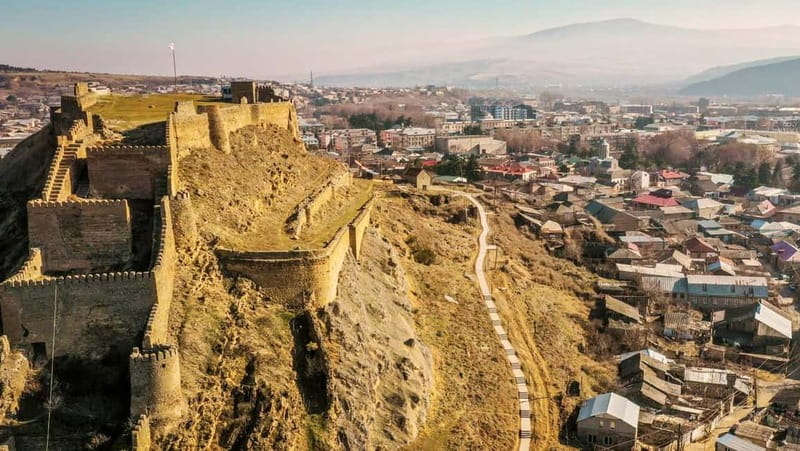
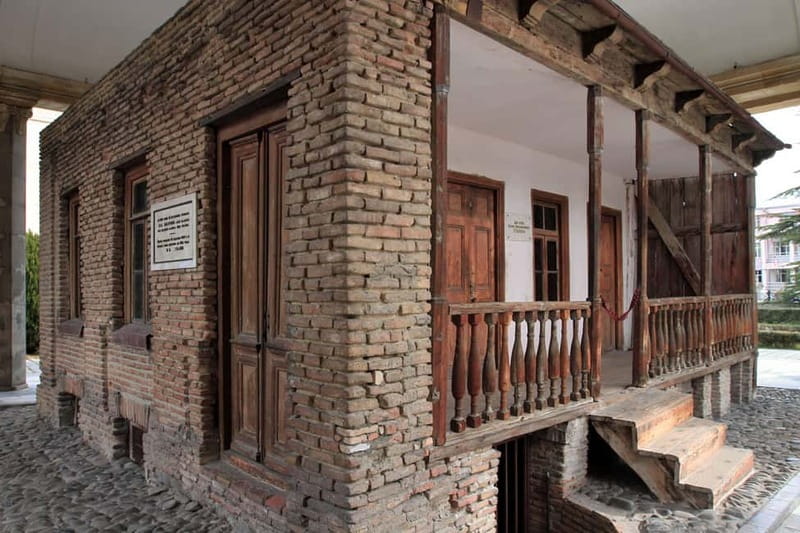
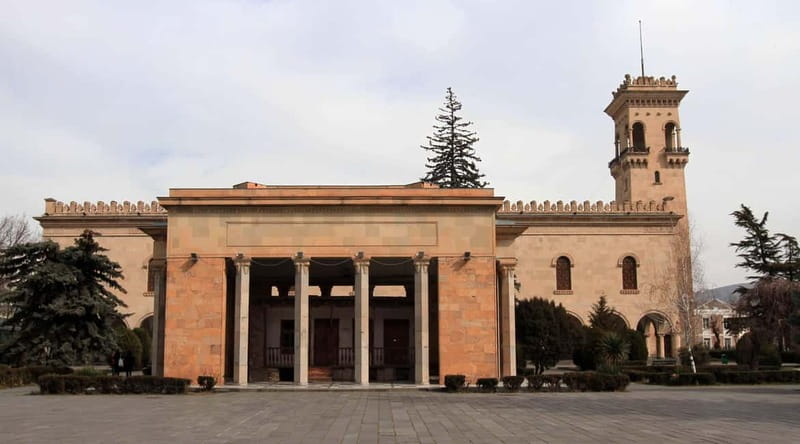
Gori is Joseph Stalin’s birthplace town, and the tour builds in a museum option there. You’ll have time for a break plus a stop that includes photo time and guided context, then a 50-minute window for the Stalin Museum.
Here’s the balanced part: Stalin-related history is heavy, and not everyone wants an extended visit. The tour gives you enough time to see the main exhibits without turning the entire day into a museum marathon. Some people will find the museum important. Others might feel it’s less meaningful than the religious and cave sites. Either way, the time window is at least controlled.
One smart way to use your time in Gori is to ask yourself what you want from the day:
- If you want how Georgia handled 20th-century power and ideology, this museum section will satisfy.
- If you want older Georgian culture, you can treat this as context rather than the main event.
Also keep your expectations realistic. Museum crowds can happen. If you get there and it feels busy, use your guide’s framing to pick what to focus on quickly.
Uplistsikhe cave city: walking the pre-Christian layers
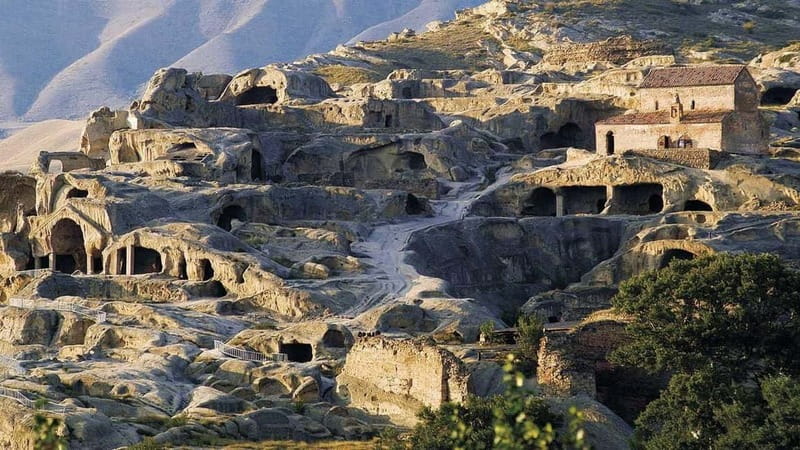
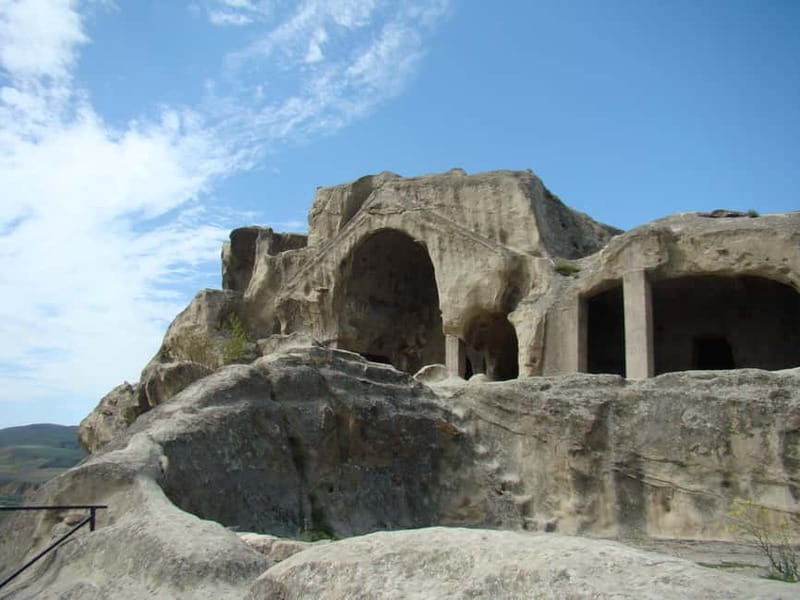
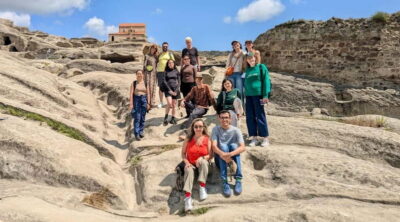
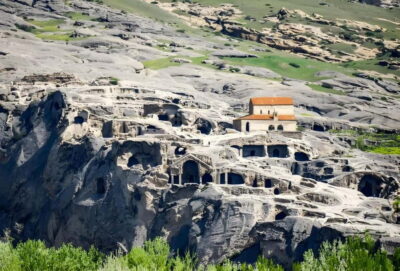
Then you hit the star for many people: Uplistsikhe. This rock-cut cave city is one of Georgia’s oldest urban settlements. You’ll spend about an hour here, with time for photos, guided exploration, and free time.
Your guide helps you understand daily life before Christianity dominated the story. You’ll be thinking about how people lived on the banks of the Kura River and how a settlement carved into rock could function as a real town, not just a spooky ruin.
What I love about Uplistsikhe is that it’s hands-on history. You’re walking along carved paths and through spaces that feel designed for people to move, work, and gather. It’s also outdoors, so the light and weather shape the experience, sometimes making it feel cinematic and sometimes making it a little exhausting.
Two practical tips from real-world experience patterns:
- Wear sports shoes with grip, because the ground can be uneven and you’ll be climbing in places.
- If you do not want extra difficulty, skip long skirts or dresses. There’s a lot of walking and climbing, and you’ll thank yourself later.
Also, plan to hydrate. Even though water isn’t listed as provided, reviewers specifically advise bringing enough water for hot days. Do yourself a favor and carry it.
The Aragvi and Mtkvari confluence: the scenery you remember
A highlight in the tour description is the confluence of the Aragvi and Mtkvari rivers. You’ll experience this less like a single “look, there it is” billboard and more like a visual theme tied to the route and surrounding landscapes.
This is one reason the tour feels coherent. You are not just moving between random stops. The rivers help explain why settlements formed where they did, why monasteries were placed on heights, and why cave towns made sense in a river setting.
When you get brief photo moments during transit, use them. Those quick windows often catch views tied to the confluence story.
How the itinerary pacing actually feels
The schedule is built around a simple rhythm:
- Big guiding moments at the major sites
- Shorter breaks in the towns
- Free time so you can breathe and explore without rushing
Here is how it plays out in your day:
- Jvari gets the longest guided and walking time first, so you start strong.
- Mtskheta and Svetitskhoveli are shorter but focused, so you keep momentum.
- Gori is a “context” stop that won’t swallow your whole afternoon.
- Uplistsikhe is the active finale, with the most physical effort.
The one consideration is that the day is long, and the last third can feel more tiring than you expect. If you’re sensitive to long seated travel, plan to stand up, stretch, and drink water during bus breaks.
Guides and service: what keeps it smooth
This tour includes a live guide and bus transportation, and that combination matters. A good guide makes the differences between sites click in your head, not just your camera roll.
From the guide names that show up repeatedly in real bookings, you’ll likely get strong storytelling across the group. People have praised guides such as David, Tamara, Tamara again in different bookings, Tatjana, Stefan, Gio, Jimmy, Levani, Misha, Loulou, Roni, Natalia, and others. Drivers named George or Gheorghe, Issac, and others are mentioned for careful, safe driving.
That’s not just nice to hear. It translates to fewer stress points:
- You arrive at sites with better timing.
- You don’t spend your trip guessing what to look at.
- You get explanations in English and Russian when the group needs it.
One downside that comes up in at least one review: tall passengers might find leg room tight in the minibus. If that’s you, consider traveling with a compact day bag so you can keep your own space tidy, and try to choose your seat early when boarding.
Food and tickets: where you’ll spend extra
The tour price includes the guide and bus. Entry tickets and food are not included, so budget for:
- Cathedral and museum entrance fees (only what you choose to pay for)
- A meal stop at a local restaurant later in the day
There’s a 1-hour local restaurant window built into the itinerary. Reviews describe it as a reasonable priced spot with good Georgian cuisine. Still, since meals aren’t included, decide in advance how you’ll handle drinks and snacks. Bringing a small snack can help if you’re someone who gets hungry during walking-heavy stops.
Price and value: is $23 a good deal?
At $23 per person for a 9-hour day trip, the value is in the mix of transportation plus multiple guided stops. You’re effectively bundling:
- UNESCO-level sightseeing in Mtskheta
- Jvari Monastery time on a hilltop
- A full town stop in Gori with a museum option
- A cave-city visit at Uplistsikhe with guided guidance
If you tried to do this solo with taxis or separate private transfers, the logistics would likely cost you more and eat up time you could spend walking and learning. With bus transport and a guide built in, the cost stays low while you still get structured site time.
The trade-off is that you cover entry tickets yourself and food yourself. So the true budget depends on what you pay inside each location, especially the museum portion.
Who should book this tour, and who should skip it
This tour fits best if you want a concentrated Georgian history day outside Tbilisi. It’s especially good for:
- First-time visitors who want Mtskheta plus Gori plus Uplistsikhe in one go
- People who enjoy guided storytelling tied to real places
- Families and older teens who can handle a few hours of walking and some stairs or uneven ground
It may be less ideal if:
- You dislike museums or you prefer to spend more time in one place rather than multiple stops
- You are very sensitive to long days and want an easy, low-walking itinerary
- You have mobility challenges that make climbing and rock-cut sites difficult
Also note it’s not suitable for babies under 1 year, based on the activity’s limits.
Should you book this Mtskheta, Jvari, Gori, Uplistsikhe tour?
If you like history and you want a day that feels organized rather than chaotic, I’d book it. The combination of UNESCO Mtskheta, the hilltop perspective at Jvari, the Stalin-era lens in Gori, and the walkable cave city at Uplistsikhe gives you a full spectrum of Georgia in one route.
Just go in prepared:
- Bring sports shoes with grip.
- Plan for walking and some climbing at Uplistsikhe.
- Bring water for hot conditions.
- Expect to pay for entry tickets and your meal.
If that sounds like your kind of day, this is a strong value way to see a lot of Georgia without juggling transport.
FAQ
Where is the meeting point for the tour?
Meet at the Château Mukhrani Wine Bar in Gorgasli Square, in front of Meidan Bazar, near the I LOVE TBILISI sign.
How long is the tour?
The tour lasts 9 hours.
Is a guide included?
Yes. The tour includes a live guide and bus transportation.
What languages are the guide services offered in?
The live tour guide offers English and Russian.
What is included in the price?
Bus transportation and the guide are included.
Are entry tickets included?
No. Entry tickets are not included.
Are food and drinks included?
Food and drinks are not included. There is a local restaurant stop during the tour.
Can I bring alcohol on the tour?
No. Alcohol is not allowed.
What should I bring for the tour?
Wear sports shoes. It is also a good idea to bring water for hot days since there is a lot of walking and climbing at Uplistsikhe.
Newer trips around Tbilisi
- Tbilisi Private Dinner: Georgian BBQ & Fireplace
★ 5.0 · 1 review - Tbilisi: Khinkali Tasting Lunch with Local Drinks and Pickup
★ 5.0 · 1 review - Day trip in Kakheti-wine tour
★ 5.0 · 1 review - Tbilisi & Mtskheta bus tour hop on hop off
★ 5.0 · 1 review - Tbilisi: Christmas Market & Hidden Gems Guided Walking Tour
★ 5.0 · 1 review - Stalin’s Secrets: An Underground Journey Through History
★ 5.0 · 1 review
Mtskheta Ancient Capital Tours, compared.
Mtskheta, Jvari, Gori and Uplistsikhe Day Tour
Read our review →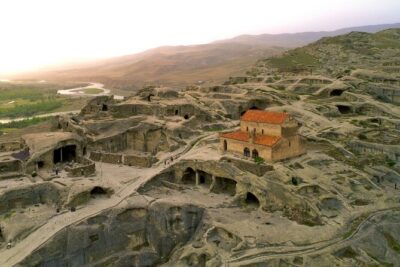
Mtskheta Jvari Bazaar, Chronicles of Georgia & Wine
Read our review →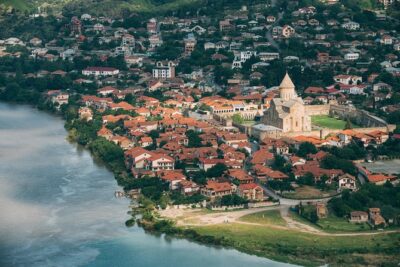
Mtskheta,Jvari,Bazaar,wine tasting,Chronicles of Georgia
Read our review →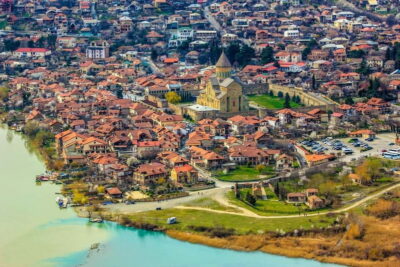
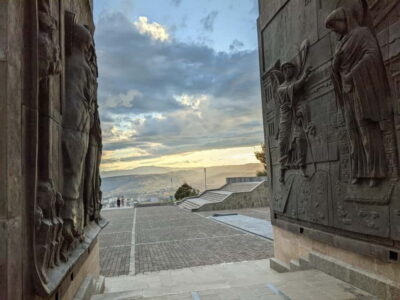
The Chronicles of Georgia, Jvari & Mtskheta Tour
Read our review →Browse the lists this tour appears in