
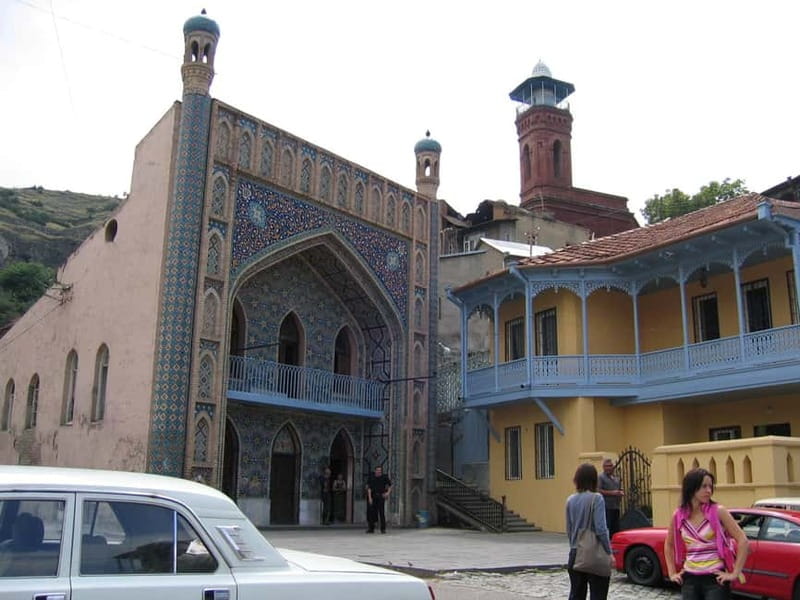
Reviewed · WALKING TOURS
Historical walking tour of Tbilisi
Tbilisi is best learned on foot. This historical walking tour strings together the city’s birthplace streets, classic churches, and the jaw-dropping skyline from Narikala fortress in one well-paced 3 hours. You also get the famous Bridge of Peace moment and real time to feel the old town’s maze of narrow lanes.
I especially like the stop in Abanotubani, where you’ll see the famous sulfur baths, including Pushkin’s and Duma’s, and I like how the guide points out smaller details you’d normally miss. One possible drawback: the route is active and time can feel a bit tight if you linger slowly at viewpoints, so comfortable shoes matter.
In This Review
- Key highlights you will actually care about
- Entering Tbilisi’s old core from the Monument Fountain
- Abanotubani and the sulfur bath zone, where the city breathes
- A fast waterfall photo stop at Leghvtakhevi
- Narikala fortress: the view payoff you will remember
- Churches and old-town icons, from Metekhi to Sioni and Anchiskhati
- The Bridge of Peace moment, plus the walk through key landmarks
- Patriarchate of Georgia and Anchiskhati, with a gentle shift in pace
- Rezo Gabriadze Theater and the Clock Tower stop
- Liberty Square, then your choice: finish early or keep walking on Rustaveli Avenue
- Price and value: what $47 buys you in 3 hours
- Who this tour fits best, and who should skip it
- The tour guide factor: why Alisa makes it feel personal
- Should you book this Historical Walking Tour of Tbilisi?
- FAQ
- Where does the tour start?
- How long is the tour?
- How many languages are the guides available in?
- What is included in the price?
- What should I wear or bring?
- Is this tour private or group-based?
- What is the cancellation policy?
- Is the tour suitable for people with mobility impairments?
Key highlights you will actually care about
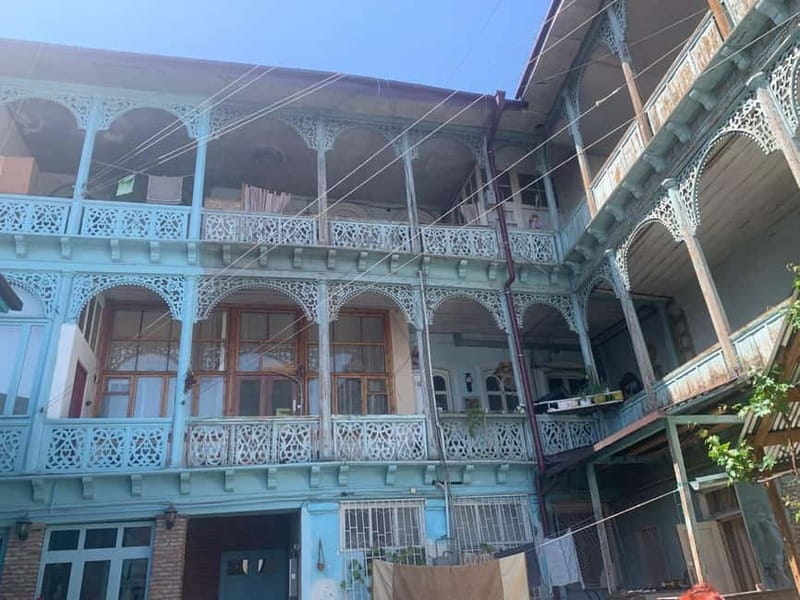
- Narikala fortress viewpoints for the best-feeling city panorama
- Bridge of Peace time built in for photos and first reactions
- Abanotubani sulfur baths with named highlights like Pushkin’s and Duma’s
- A private group with Alisa’s help, so you can ask questions and adjust your pace
- A flexible finish, either Freedom Square or continuing along Rustaveli Avenue
- Hidden corners in the old town streets, where the walking guide earns their pay
More walking tours in Tbilisi:
- Tbilisi Walking Tour Including Cable Car and Traditional Bakery★ 5.0 · 1,310 reviews
- Tbilisi: City Highlights Guided Walking Tour★ 4.9 · 1,114 reviews
- Tbilisi:Evening Walking & Talking Tour with Wine & Boat Ride★ 5.0 · 572 reviews
- Tbilisi: Evening Walking Tour with Wine & Boat Ride Options★ 5.0 · 407 reviews
Entering Tbilisi’s old core from the Monument Fountain

Your tour starts at the Monument Fountain Falcon and Pheasant in the historical center. This is a helpful way to begin, because you get your bearings fast, and the guide can steer you into the part of town that shaped modern Tbilisi about 20 centuries ago.
One smart thing here is the overall structure: you’re not only “seeing stuff,” you’re walking through layers. You move from the daily-life feel of the old streets toward landmarks that make the skyline and city identity unmistakable. And because it’s a private group, the pace is more adjustable than the usual big group shuffle.
If you want a smooth start, plan to arrive a few minutes early. If pickup is offered from your hotel or apartment and it is not too far, that can reduce stress on day one.
Abanotubani and the sulfur bath zone, where the city breathes
One of my favorite portions of this tour is Abanotubani, the sulfur bath area. You get a guided visit with sightseeing time, then you move on. Even if you do not plan to bathe, this is one of the most distinctive “Tbilisi feels real here” areas you’ll encounter.
What makes it worthwhile is the naming. You’ll see the famous sulfur bath complex and hear about the especially beautiful Pushkin’s and Duma’s sulfurbath. That kind of detail turns a simple photo stop into a place with personality, and it helps you understand why locals keep circling back to this area.
This is also a good stop to notice the textures of the old town. The surrounding lanes and foot traffic can feel tight and busy in places, so slow down at crossings and keep an eye on where you step. With only a few minutes at each point, you’ll want to bring your “quick but good” camera settings.
A fast waterfall photo stop at Leghvtakhevi
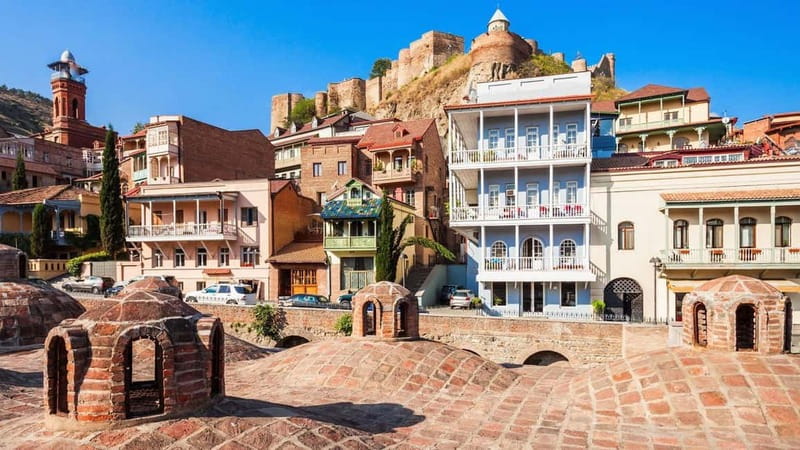
Right after Abanotubani, you’ll make a short stop at Leghvtakhevi Waterfall. This is not a long linger, more like a smart photo and stretching break. You get a quick walk and guided context, then you’re back moving.
The reason this works in a walking tour is timing. After the sulfur bath zone, the waterfall break gives your eyes a new kind of scene before you start the climb toward Narikala fortress. If you like variety, this quick change of setting is a good trick.
Narikala fortress: the view payoff you will remember
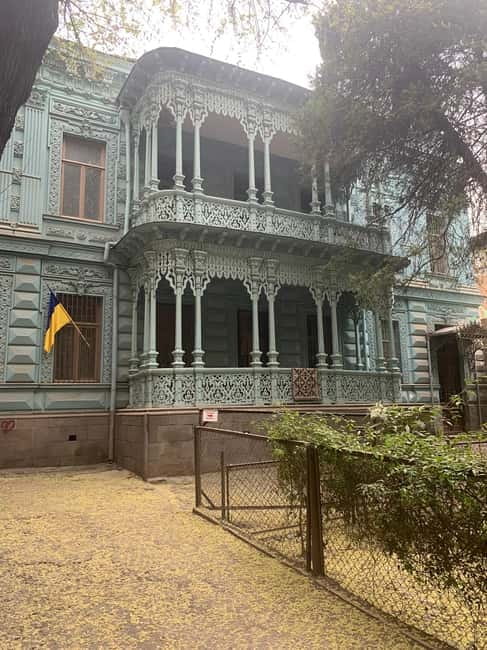
Then comes the centerpiece payoff: Narikala fortress. You’ll have guided time and sightseeing time, plus walking along the way for the scenic views. This is where the city’s shape stops being abstract and starts looking real from above.
Many walking tours claim big views, but this one builds in actual time for your eyes to adjust and for your photos to happen without rushing. The guide is also there to help you orient what you’re looking at, not just point in a general direction.
The tradeoff is effort. Some parts involve uneven ground and uphill steps. If you’re not used to climbing, go steady and give yourself a minute to catch your breath. The tour is designed for a walking rhythm, and the best fortress photos come from not trying to sprint.
Other history tours in Tbilisi:
Churches and old-town icons, from Metekhi to Sioni and Anchiskhati
From Narikala, you head into the church cluster that gives the old center its sacred architecture feel. You’ll visit Metekhi St. Virgin Church for a walk-through, guided explanations, and short sightseeing time. You’ll also see Sioni church along the way, as well as Anchiskhati Basilica, the oldest one listed here, from the 6th century.
What I like about these stops as a group is that they do not feel like random “look at a building” moments. The walking flow connects them. You can start to recognize how religious landmarks are placed to define viewpoints, street routes, and the town’s visual center.
Practical note: churches often mean stairs, thresholds, and darker interiors. Keep your hands free for balance, and if you have photos in mind, take a moment before you enter to decide what you want to capture.
The Bridge of Peace moment, plus the walk through key landmarks
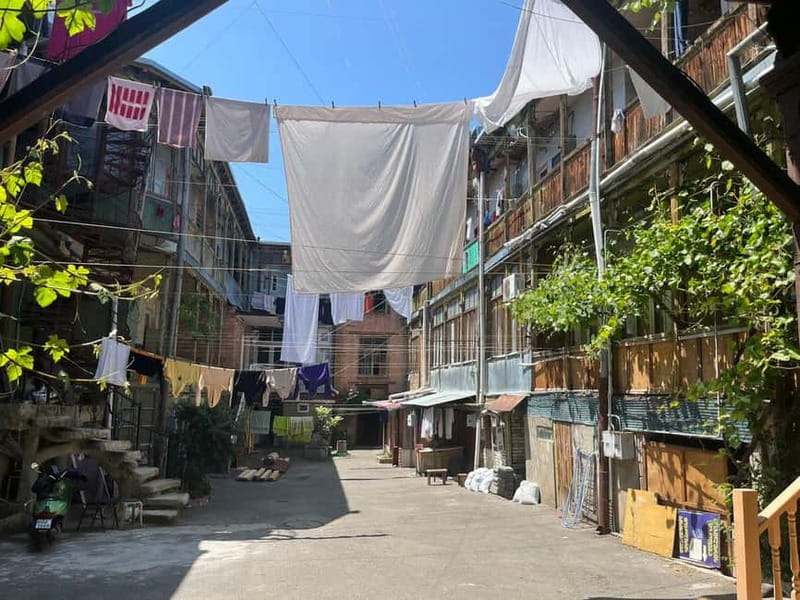
Then you reach the Bridge of Peace, and this is the stop that most people remember clearly. It’s built in with focused sightseeing time, enough that you can stand, look, and absorb the view without feeling like you were shoved through.
This is also where the tour’s “big city identity” part shows up. The route includes well-known landmarks such as the monument Mother of Georgia, the tamada monument, and the old city wall. You also pass areas like Meidan Bazar and Sharden street, plus caravanserais. Even if you do not know every term, the guide ties them together in a way that makes the old center feel organized instead of chaotic.
I find that this is the sweet spot for photos. After church stops and fortress effort, your body is tired, but your eyes are awake. Standing on a bridge gives you that release, a broad view that makes everything you just walked feel connected.
Patriarchate of Georgia and Anchiskhati, with a gentle shift in pace

After the bridge, you visit the Patriarchate of Georgia for sightseeing time. This is followed by Anchiskhati Basilica with walking time and guided context. Together, these stops bring the focus back to heritage and spiritual landmarks, but with a slightly calmer rhythm than the fortress climb.
This is also where a good private guide can make a difference. The best part of these visits is how the guide frames what you’re looking at in plain language, especially if you want to ask questions. In past experiences with guides on this route, I’ve noticed how much value guests place on being able to ask follow-ups without being rushed.
Rezo Gabriadze Theater and the Clock Tower stop
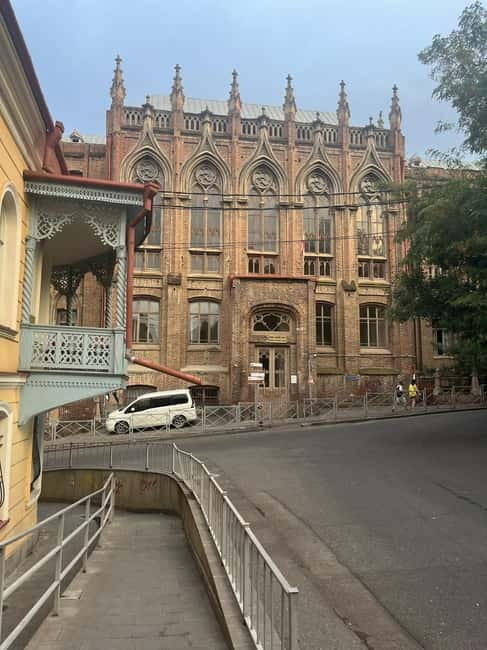
Next up: Rezo Gabriadze Theater, including its Clock Tower. You’ll have a short guided visit here, with time for quick orientation and sightseeing.
Even with only brief time, this stop works because it’s visual and memorable. If you like architecture with personality, you’ll probably enjoy it more than a stop that feels purely informational. It also breaks the pace nicely before the final big urban finish.
Liberty Square, then your choice: finish early or keep walking on Rustaveli Avenue
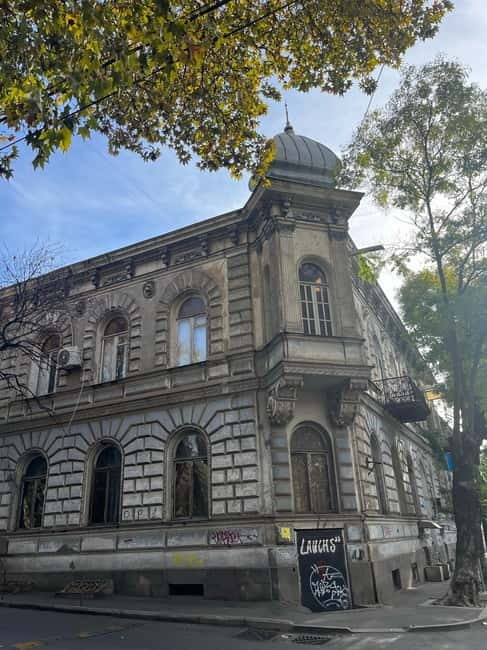
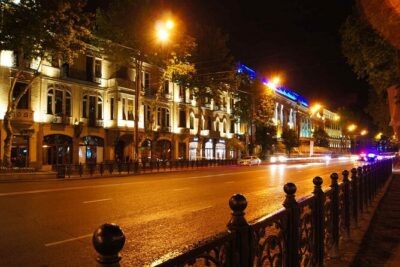
The tour ends at Liberty Square with guided sightseeing time. After that, the finish is flexible depending on endurance and speed. You can stop at Freedom Square or continue along Rustaveli Avenue, known here for theatres and museums.
This flexible finish is a real advantage. If you’re sightseeing in the afternoon already, Liberty Square can be a clean place to stop. If you still feel strong, Rustaveli Avenue gives you a natural next step into cultural sights without needing to reorganize your whole day.
Price and value: what $47 buys you in 3 hours
At $47 per person for a 3-hour guided walk, the value is mostly about density and human guidance. You cover a lot of named areas in one go: sulfur baths in Abanotubani, Leghvtakhevi Waterfall, Narikala fortress viewpoints, key churches including Anchiskhati and Metekhi, the Bridge of Peace, the Patriarchate, Rezo Gabriadze Theater, plus Liberty Square, with an optional extension toward Rustaveli Avenue.
But the real value is the guide’s attention. Reviews for this tour highlight that the guide can provide helpful, tailored explanations and can adapt to requests. People also noted that the tour includes smaller places and details that you’d be likely to walk past on your own, which is exactly what you want from a paid walking tour.
So if your goal is to understand the old town faster, get oriented, and leave with photos that mean something, this price can feel very fair.
Who this tour fits best, and who should skip it
This tour is best for you if you like walking, photos, and short guided stops where you learn without being trapped in a lecture. It’s also a great fit for first-time visitors who want a curated path through the old center and a private group experience.
It is not suitable for people with mobility impairments, based on the walking nature and the route’s physical demands. If you have walking limitations, you’ll want to choose an alternative with less uneven terrain and fewer step-heavy viewpoints.
If you do have no mobility issues, still bring a realistic attitude. You will be walking between sites, spending short windows at each place, and you will want to keep your energy for Narikala.
The tour guide factor: why Alisa makes it feel personal
A lot of this tour’s magic comes down to the guide, Alesia Aliakseichyk, who many guests refer to as Alisa. The tour offers live guiding in German, Russian, Byelorussian, and English, and reviews repeatedly mention how well prepared and responsive she is.
What I think matters for you is this: her style is not only about facts, it’s about pacing and attention. Guests praised her for answering questions patiently and for adjusting the tour toward personal interests, including finding lesser-noticed spots in the old town. Some even noted the tour can be individualized, and that the guide stayed helpful after the scheduled time for extra answers.
That all adds up to a better experience than a generic script. You are not just collecting landmarks, you’re building a mental map of how Tbilisi works.
Should you book this Historical Walking Tour of Tbilisi?
Book it if you want a focused, walkable overview of old Tbilisi with strong payoff stops like Narikala fortress and the Bridge of Peace, plus a guided look at Abanotubani and named sulfur baths such as Pushkin’s and Duma’s.
Skip it if you hate walking, need step-free access, or prefer long museum-style time at fewer stops. Also consider pace expectations, because one review flagged that the time can feel tight. If you tend to linger, plan to keep moving with intention, or choose your “extra browsing” time after Liberty Square.
If you want an efficient day that still feels human and not rushed, this private 3-hour tour is a solid choice.
FAQ
Where does the tour start?
The meeting point is the Monument Fountain Falcon and Pheasant. If your hotel or apartment is not too far, pickup may be possible.
How long is the tour?
The duration is 3 hours.
How many languages are the guides available in?
The live tour guide is available in German, Russian, Byelorussian, and English.
What is included in the price?
What’s included is a guided walking city tour.
What should I wear or bring?
Bring comfortable shoes, since the tour involves walking.
Is this tour private or group-based?
It is a private group tour.
What is the cancellation policy?
Free cancellation is available up to 24 hours in advance for a full refund.
Is the tour suitable for people with mobility impairments?
No, it is not suitable for people with mobility impairments.
Newer trips around Tbilisi
- Tbilisi Private Dinner: Georgian BBQ & Fireplace
★ 5.0 · 1 review - Day trip in Kakheti-wine tour
★ 5.0 · 1 review - Tbilisi: Khinkali Tasting Lunch with Local Drinks and Pickup
★ 5.0 · 1 review - Tbilisi & Mtskheta bus tour hop on hop off
★ 5.0 · 1 review - Tbilisi: Christmas Market & Hidden Gems Guided Walking Tour
★ 5.0 · 1 review - Stalin’s Secrets: An Underground Journey Through History
★ 5.0 · 1 review
Walking Tours, compared.
Tbilisi Walking Tour Including Cable Car and Traditional Bakery
Read our review →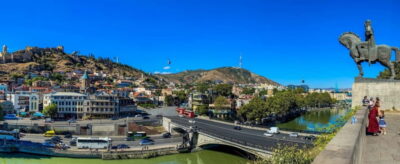
Evening Walking & Talking Tour with Wine & Boat Ride
Read our review →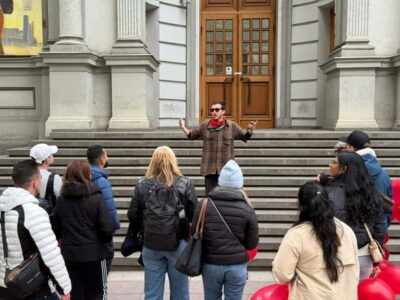
Evening Walking Tour with Wine & Boat Ride Options
Read our review →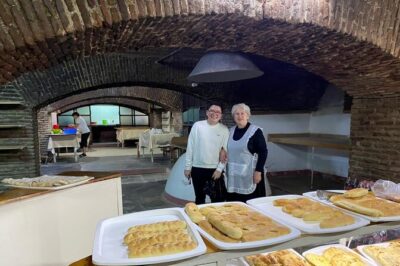
Old Tbilisi Highlights walking tour with wine & 10 tastings
Read our review →
Old Tbilisi Tour: Private Walking Tour With Wine Tasting
Read our review →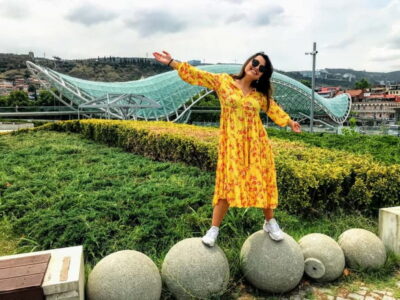

Private Tbilisi Food Tour: 9 Tastings Walk in Bohemian District
Read our review →Browse the lists this tour appears in