
Reviewed · MTSKHETA ANCIENT CAPITAL TOURS
Mtskheta, Jvari, gori, uflistsikhe, history and panorama (group tours)
A hilltop church view can change your whole day. I love how Jvari Monastery pairs big Georgian scenery with early Christian storytelling, and I also love Svetitskhoveli Cathedral for how tightly it connects faith, history, and famous relics. One thing to keep in mind: English explanations can vary by guide, and some days feel a bit rushed.
This is a classic Tbilisi region day trip that gets you out of the capital and into real “in-the-land” geography. The tour runs with a driver-guide, in a group capped at 15, which keeps stops from feeling totally chaotic. Still, it’s a long day with walking and transfers, so plan your energy for churches, stairs, and cave-city surfaces.
In This Review
- Key highlights you should care about
- Why this Mtskheta, Jvari, Gori, and Uplistsikhe loop is a great use of one day
- Meeting at 9:00 and how the day timing usually feels
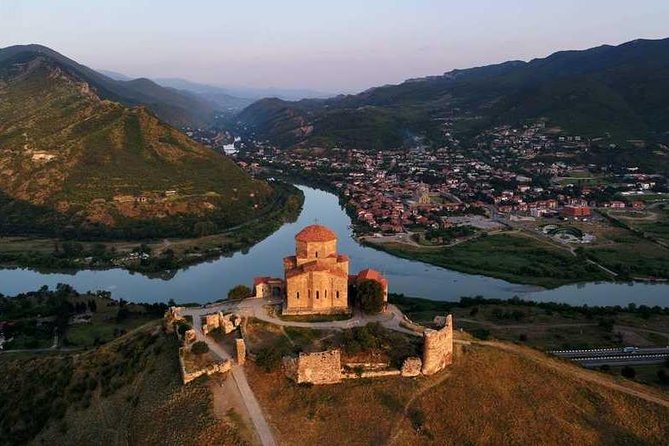
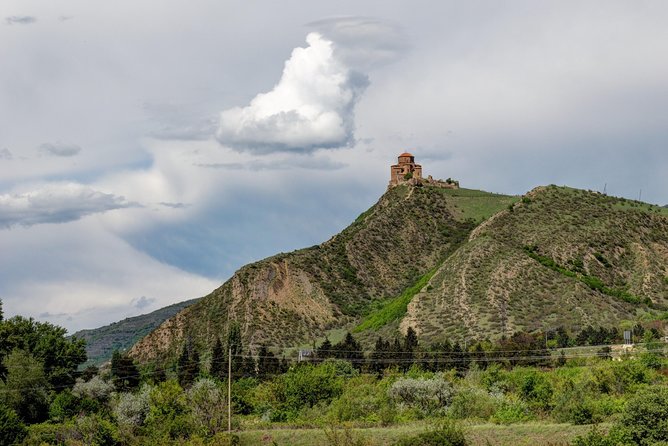
- Jvari Monastery: a 6th-century viewpoint over the Aragvi and Kura
- Svetitskhoveli Cathedral: where Georgian Orthodox history concentrates in one place
- Uplistsikhe cave city: pagan ruins, trade stories, and Kura Valley views
- Gori and the optional Stalin Museum stop
- Food break: what to expect at the local restaurant stop
- Choosing a tour guide on days when English might vary
- Price and value: what you’re really paying for at $19
- Who should book this tour, and who should skip it
- Should you book this Mtskheta and Uplistsikhe day trip?
Key highlights you should care about
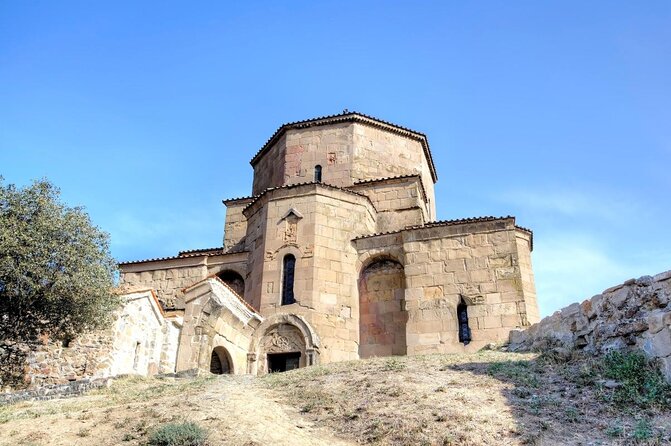
- Jvari Monastery viewpoint: a high lookout over where the Aragvi and Kura rivers meet
- Svetitskhoveli relic focus: you’ll hear why this cathedral is central to Georgian Orthodox Christianity
- Uplistsikhe cave city: stone labyrinth rooms from the end of the 2nd century BC into the 1st millennium BC
- Kura Valley panoramas: the scenery around Uplistsikhe is a major payoff after the walking
- Optional Gori stop: Stalin Museum can be added if the group requests it
- Small group feel: maximum 15 travelers means you’re not just herded around
Other Gori and Uplistsikhe cave-town trips:
- Tbilisi: Mtskheta, Jvari, Gori and Uplistsikhe Day Tour★ 4.9 · 2,396 reviews
- Day Trip to Mtskheta Gori and Uplistsikhe★ 5.0 · 1,801 reviews
- From Tbilisi : Mtskheta, Jvari, Gori & Uplistsikhe Day Trip★ 4.8 · 432 reviews
- From Tbilisi: Mtskheta, Jvari, Gori, Uplistsikhe Guided Tour★ 4.7 · 354 reviews
Why this Mtskheta, Jvari, Gori, and Uplistsikhe loop is a great use of one day
If you only have a short window in Tbilisi, this route is a strong way to see how Georgia thinks in layers. You get the Christian spine of the region with stops in Mtskheta and at Jvari. Then you switch gears hard to Uplistsikhe, where the landscape remembers a pagan past and trade links long before modern borders.
The real value is the mix. Many day trips do one thing well, churches or caves, but this one gives you both mindsets. After you’ve stood on a hill above Mtskheta, it makes Uplistsikhe feel even more surprising. One place says faith reshaped power. The other place shows how communities built survival into stone.
You also learn faster because the tour is guided end-to-end. The day runs as a story, not a pile of photo stops. And when the guide is good, each location clicks into place, from why Jvari matters to why Mtskheta became a religious hub.
That said, your comfort depends a lot on the guide and the pace that day. A few people have found English explanations short, or felt the schedule a bit tight at Uplistsikhe. So, treat this as a structured sightseeing day, not a slow, deep reading of each site.
Meeting at 9:00 and how the day timing usually feels
You start at 9:00 am, and the meeting point is 3 Vakhtang Gorgasali St, Tbilisi 0105. The tour is offered in English, and group size is capped at 15 travelers, which helps with movement on buses and at entrances.
In an ideal world, you spend about an entire working day away from Tbilisi, with several guided stops and transfer time. The published duration is around 9 hours. In practice, the feel can change based on how long you linger at viewpoints, how the group handles breaks, and whether the optional Stalin Museum is added.
One practical point: you should expect walking between levels, especially around Jvari and inside and around Uplistsikhe. If it rains, surfaces can get slippery, and that can quietly slow things down. Wear comfortable shoes that handle stairs and uneven ground.
Jvari Monastery: a 6th-century viewpoint over the Aragvi and Kura
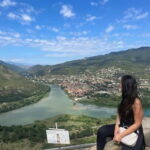
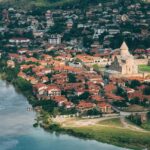
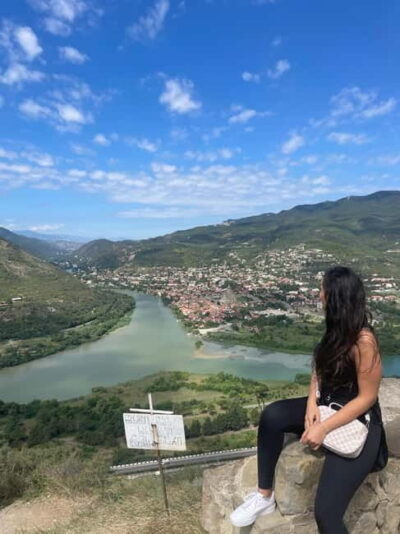
Jvari is the classic “arrive and then you understand” stop. You climb to a 6th-century temple, and the reward is immediate: the view of Mtskheta and the rivers below. The story attached to the panorama is memorable because it’s not just scenery for scenery’s sake. It’s described as the way the Aragvi and the Kura come together, with the sound and movement of water shaping the landscape’s identity.
This stop works especially well early in the day. Even if you’re not the type to get emotional about architecture, the combination of viewpoint, walking, and the guide’s narration tends to get everyone synced up. I like it because it sets the context for everything after. Mtskheta stops feeling random once you’ve seen why people would have wanted to live, worship, and rule nearby.
Practical note: plan for sun and wind. Hilltop monasteries can feel chilly even on bright days, and the walking up to Jvari is part of the experience, not a quick “skip it” moment.
Svetitskhoveli Cathedral: where Georgian Orthodox history concentrates in one place
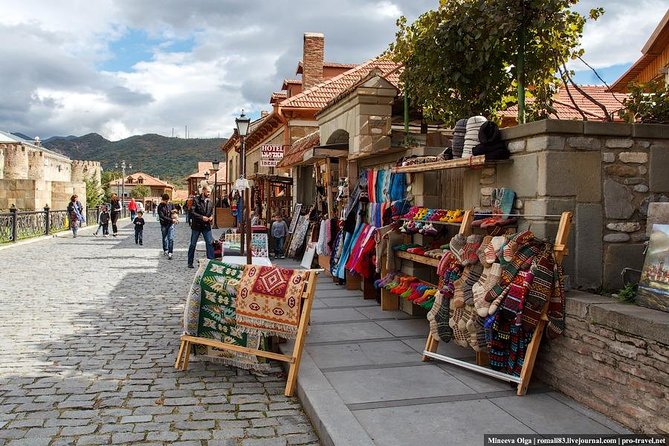
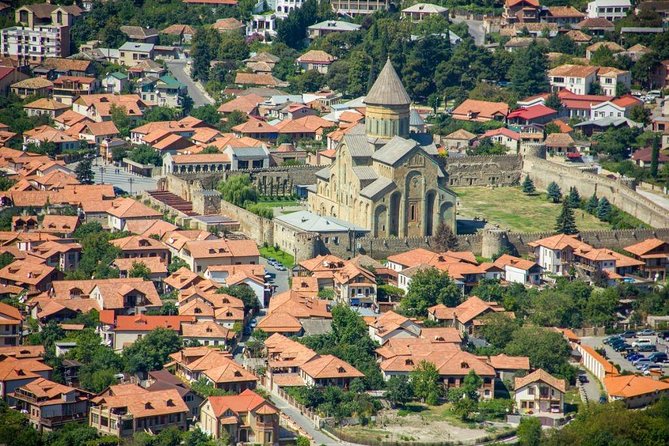
In Mtskheta, Svetitskhoveli Cathedral, also known as the Pillar of Life-Giving, is the heart stop. This is the patriarchal cathedral of the Georgian Orthodox Church, so the guide usually focuses on why it became central, not just what it looks like.
What really makes this cathedral stand out is the shrine story. The tour highlights relics linked to major Christian figures, including the tunic of Jesus Christ and the mantle of Elijah the Prophet, plus the relics of St. Andrew the First-Called. Even if you’re coming at this from a purely cultural angle, you’ll see how belief, pilgrimage, and legitimacy traveled together.
What I love about this stop is how it connects Georgia’s local identity to wider Christian history. The architecture and setting matter, but the meaning is the bigger draw. This is where you start to understand why Mtskheta shows up again and again in Georgian religious narrative.
Staying practical: keep an eye on your time here. This stop is one hour on the tour schedule. If you arrive ready to absorb, you’ll leave feeling like you got the essentials without rushing through the big moments.
Other Mtskheta and Jvari trips:
Uplistsikhe cave city: pagan ruins, trade stories, and Kura Valley views
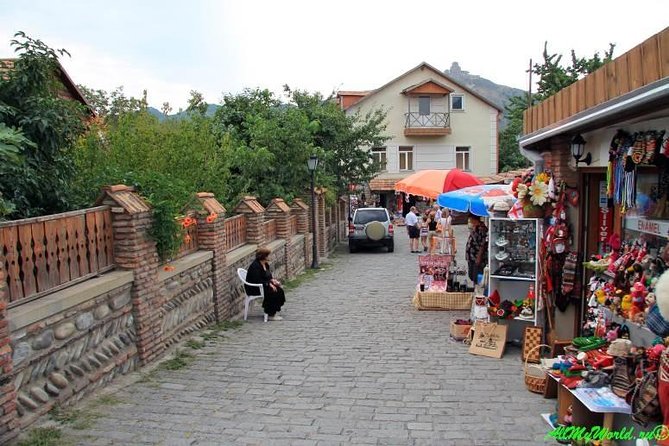
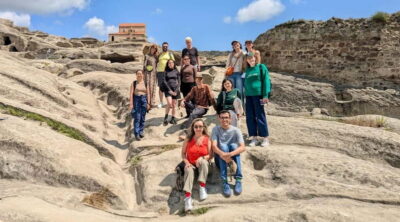
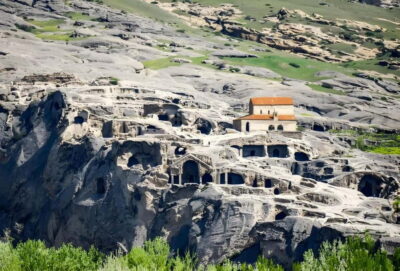
Then the mood flips. Uplistsikhe is a cave city, a stone settlement built into the landscape with rooms for living and for utility. The tour frames it as a place from the end of the 2nd century BC into the beginning of the 1st millennium BC, which helps you understand that this was not a decorative “old town.” It was infrastructure.
The guide typically explains the maze-like stone labyrinth and how people imagined their cult rites in a built environment like this. You’ll also hear that Uplistsikhe had connections through trade with ancient states, including Urartu and Media, plus the pattern of rise and decline.
Here’s the part that makes Uplistsikhe more than a historical lesson: the panoramas. Once you climb a bit and look outward, the Kura Valley views take over. That visual payoff can turn a “caves are cool” stop into a “this is why the location mattered” moment.
Now, one important consideration. Uplistsikhe can be tiring, and some schedules feel tight inside the caves. A few visitors have noted that English explanations can be shorter on the cave sections, so if you care about the details of what you’re seeing, ask your guide a question when you’re inside. A good driver-guide will happily point out what to notice.
Also budget for the extra entrance. Uplistsikhe tickets are listed as not included, with a price shown in the tour details (the information provided lists 17 GEL, and another part of the itinerary shows an extra ticket price around 15 GEL). Either way, bring cash or plan to pay on-site.
Gori and the optional Stalin Museum stop
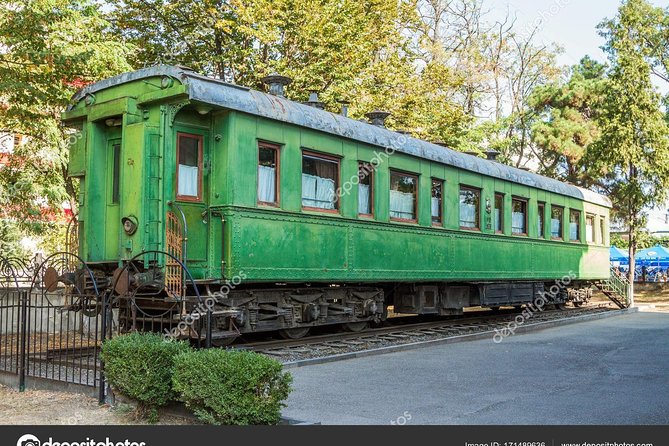
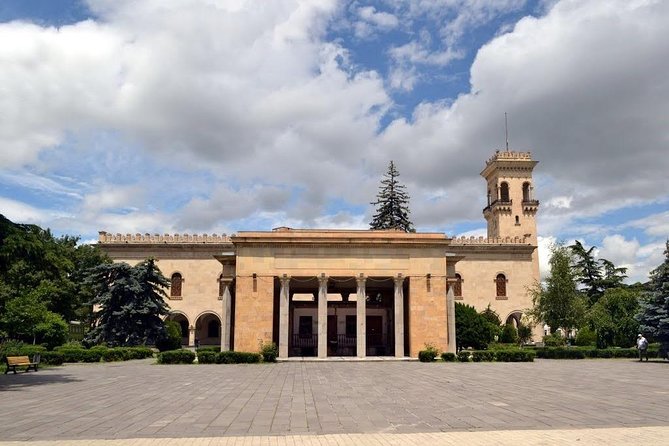
After the cave-city focus, the tour may add Gori. The Stalin Museum is described as an addition that depends on group request in the second part of the day.
This is one of those stops where your interest level matters more than anything. If you want political history as a lens on Georgia’s 20th-century story, it can be a meaningful counterpoint to the religious and ancient stops. If you prefer not to spend time on a dictator-focused museum, you may treat it as an optional extra.
When the museum visit happens, the tour style is straightforward: you’re shown preserved elements like sculpture and personal belongings, and there’s a guided excursion. The museum ticket is not included, with a listed price in the provided info (again, the itinerary notes 15 GEL, and the ticket info lists 17 GEL). Plan on paying this extra if the group goes.
My advice: if Stalin Museum is a must for you, go with the group. If it feels like a chore, come prepared mentally that this stop could eat into your time at Uplistsikhe or the later cathedral section depending on how the group vote goes.
Food break: what to expect at the local restaurant stop
The day includes a restaurant meal option after Uplistsikhe. The tour description says you’ll taste local products at a local restaurant, and that stop is paid separately.
From my standpoint, it’s smart to think of this as a fuel stop, not a food tour. The meal is described as local and product-focused, but it’s also portrayed as something you should approach with flexible expectations. Some people have found the lunch to be on the oily side and not their favorite part of the trip.
What I recommend:
- Eat something light before you get on the bus if you tend to feel heavy after rich foods.
- Bring water, because the day involves walking and viewpoint wind.
- If you have dietary limits, consider letting the guide know early in the day so you can be placed with the right options at the restaurant.
The good news is the meal is tied to a real stop outside central Tbilisi, so you’re eating while the day is already doing its job.
Choosing a tour guide on days when English might vary
This tour lives or dies by the guide’s clarity. When the explanation is strong, you’ll connect the dots quickly, especially between Jvari’s viewpoint meaning and Svetitskhoveli’s relic story.
Some named guides show up in guest feedback, including Luca, Paata, Emilia, Tornike, and George (also references to a guide named Luka). That tells me the operator sometimes assigns guides who really know how to tell the story in an engaging way.
At the same time, a few people have complained that English explanations were brief, or that Russian explanations were more detailed. So here’s my practical move: if English matters for your enjoyment, ask ahead of time, or on the morning of, how the guide balances languages. If you prefer longer, spoken detail, you can also compensate by arriving with a short list of questions, like what makes Svetitskhoveli unique beyond its architecture, or how Uplistsikhe’s cave layout shaped daily life.
In other words, don’t treat this as a passive ride. With the right guide, you get value. With a weaker one, you can still enjoy the sites, but the “learning” part might feel thinner.
Price and value: what you’re really paying for at $19
At $19 per person, this is priced like a budget-friendly cultural day trip, not a luxury private guide. Your value comes from three categories:
- Transport out of Tbilisi for a full day
- A driver-guide who narrates and keeps the day organized
- Included entrances at key sites: Jvari Monastery and Svetitskhoveli Cathedral have admission tickets marked as included
Then there are extras that are not included. You should plan for:
- Uplistsikhe ticket (listed as not included, shown as 17 GEL, and also noted as an extra in the itinerary information)
- Stalin Museum ticket (not included if visited, shown as 17 GEL, and also noted around 15 GEL)
- Lunch at the restaurant (paid separately)
- Dinner is not included
So the honest math is: the tour base price covers the guided structure and the included cathedral and monastery entries. Your total spend rises if you want both optional paid elements, especially Stalin Museum.
Is it worth it? For most people, yes, if you like a full-day hit of history and scenery and you’re okay handling a couple of paid entrances. If you only care about Christianity and want to skip pagan caves and political museums, you might feel the day is too packed.
Who should book this tour, and who should skip it
Book this tour if you:
- Want a single-day overview of key Georgian heritage sites near Tbilisi
- Love church architecture and the way local faith connects to major historical relic claims
- Enjoy dramatic scenery, especially viewpoints and valley panoramas
- Like having a guide drive the story so you don’t have to research every stop yourself
Skip it or rethink it if:
- You need long, detailed English interpretation at every stop and don’t want language variance
- You hate rushed cave walks, uneven stone steps, and time pressure between sites
- Stalin Museum feels like a hard no for you, since it may be added depending on the group
Should you book this Mtskheta and Uplistsikhe day trip?
I think this tour is a good booking when you want maximum variety in one day: Jvari for the hilltop panorama, Svetitskhoveli for Georgian Orthodox meaning and relic storytelling, and Uplistsikhe for pagan cave-city atmosphere plus Kura Valley views.
My best advice is simple. Go in expecting a guided, structured day with paid extras at Uplistsikhe and possibly Gori. Bring comfortable shoes and a plan for the lunch break. And if English depth is your top priority, try to confirm your guide’s style early, since guide quality is the biggest factor in whether this feels like a richer learning day or just a fast sightsee-and-go.
If that sounds like your kind of day, book it. If you prefer slow, quiet, and totally unhurried, you may be happier with a smaller private plan.
Other History Tours in Tbilisi
- Tbilisi: Guided Walking Tour of Historic City
★ 4.9 · 156 reviews - Tbilisi old town & soviet heritage – Private driver-guided Tour
★ 5.0 · 83 reviews - Private Wine tasting in Historic Karalashvili Wine Cellar
★ 5.0 · 60 reviews - A 6-Day Private Expedition into Rich Heritage
★ 5.0 · 34 reviews
Newer trips around Tbilisi
- Tbilisi Private Dinner: Georgian BBQ & Fireplace
★ 5.0 · 1 review - Day trip in Kakheti-wine tour
★ 5.0 · 1 review - Tbilisi: Khinkali Tasting Lunch with Local Drinks and Pickup
★ 5.0 · 1 review - Tbilisi & Mtskheta bus tour hop on hop off
★ 5.0 · 1 review - Tbilisi: Christmas Market & Hidden Gems Guided Walking Tour
★ 5.0 · 1 review - Stalin’s Secrets: An Underground Journey Through History
★ 5.0 · 1 review
Mtskheta Ancient Capital Tours, compared.
Mtskheta, Jvari, Gori and Uplistsikhe Day Tour
Read our review →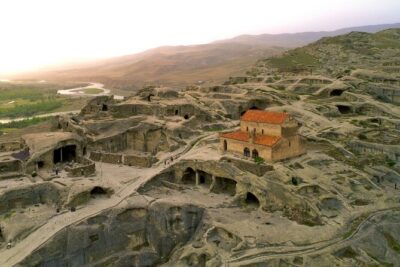
Mtskheta Jvari Bazaar, Chronicles of Georgia & Wine
Read our review →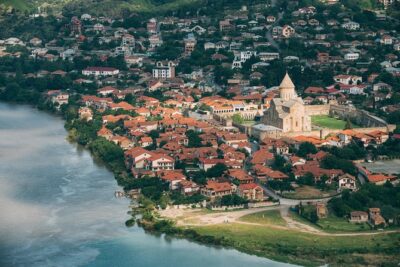
Mtskheta,Jvari,Bazaar,wine tasting,Chronicles of Georgia
Read our review →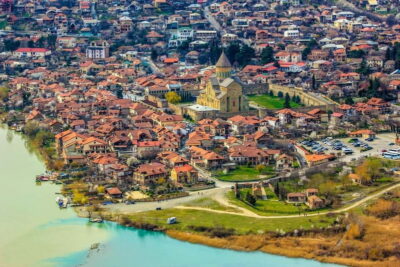
The Chronicles of Georgia, Jvari & Mtskheta Tour
Read our review →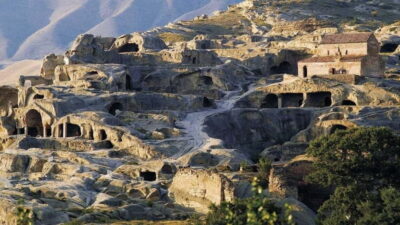
Browse the lists this tour appears in