

Reviewed · WALKING TOURS
Kutaisi: Historic Walking Tour with Guide, 3 Hours
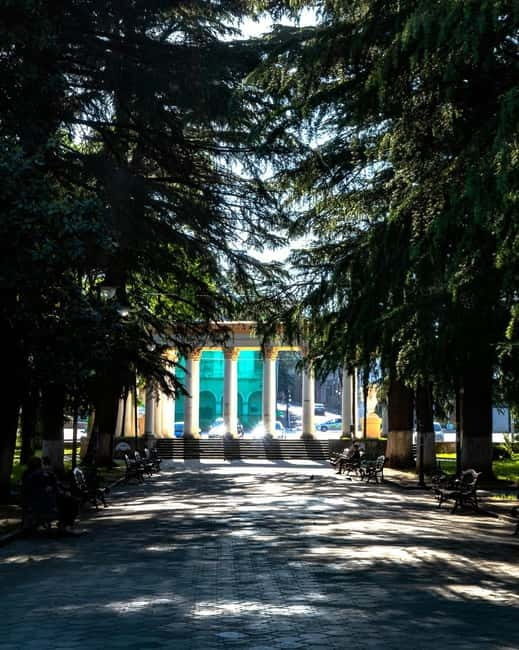
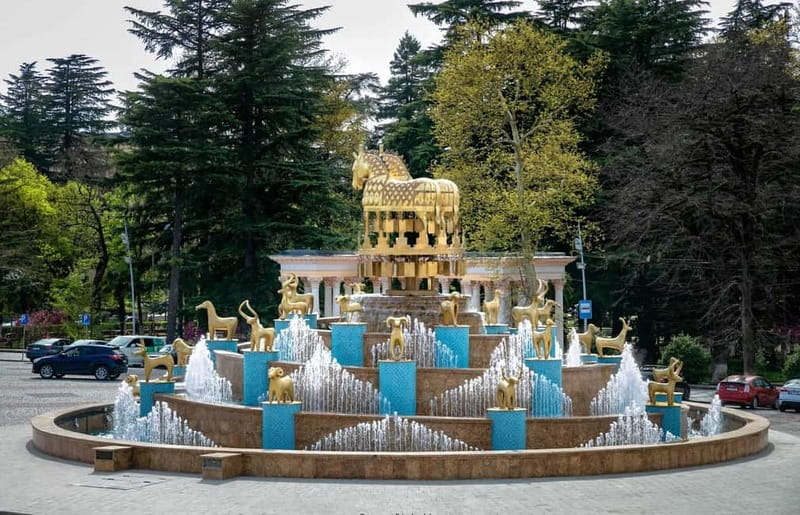
Kutaisi tells stories on every corner. This 3-hour English walking tour threads ancient Georgia to modern street art, starting at the Boulevard park colonnade by the Colchis Fountain. You get a guided route through the spots that explain how Kutaisi grew, what people valued, and how different communities shaped the city.
I especially like how the guide, David, connects landmarks to the bigger picture of Georgia, not just trivia about each stop. I also like the mix of central sights and neighborhood history, including the old Catholic district and the Jewish quarter, so you don’t see Kutaisi like it’s frozen in one era.
One drawback to plan for: this is a walking tour with considerable walking, so it may not feel great if your legs are limited. It also isn’t suitable for wheelchair users, and it’s not for kids under 2.
In This Review
- Key highlights to look for
- Starting at the Boulevard Park Colonnade and Colchis Fountain
- Practical note
- Kutaisi’s central story: from the ancient-city label to the Green Market
- Opera and Drama Theaters: culture as a city habit
- Murals, early 20th-century cinemas, and a gallery with Georgian painters
- Bridges, cableway, gymnasiums, and statues: how the city evolved
- The old Catholic district and a 19th-century church stop
- Jewish quarter and synagogue: understanding more than one community
- Bubliks, churchkhela, and where to eat after the tour
- Quick planning tip
- Price and walking time: is $21 good value?
- When it might not fit
- Who this tour suits best
- Should you book this Kutaisi historic walking tour?
- FAQ
- Where does the tour meet?
- How long is the walking tour?
- What language is the guide?
- Is food included in the price?
- Is the tour wheelchair accessible?
- Can I cancel and get a refund?
Key highlights to look for
- Start at Boulevard park colonnade, right in front of the Colchis Fountain, for an easy meet-up
- Colchis Fountain to Green Market, so you see both landmark architecture and everyday city life
- David’s local context, with answers that reach beyond Kutaisi into Georgia’s story
- Art and culture stops, including murals and a gallery with celebrated Georgian painters
- Old districts plus synagogue, including the old Catholic area and a historic synagogue visit
- Food ideas on the route, with bubliks and churchkhela suggested nearby (food not included)
More Walking Tours in Kutaisi
- Kutaisi: Cultural Walking Tour★ 4.9 · 66 reviews
- Kutaisi Walking Tour★ 5.0 · 59 reviews
- Kutaisi walking tour with A GLASS OF FINE WINE★ 4.5 · 48 reviews
- Kutaisi: Guided Walking Tour with Local Snack★ 5.0 · 16 reviews
Starting at the Boulevard Park Colonnade and Colchis Fountain
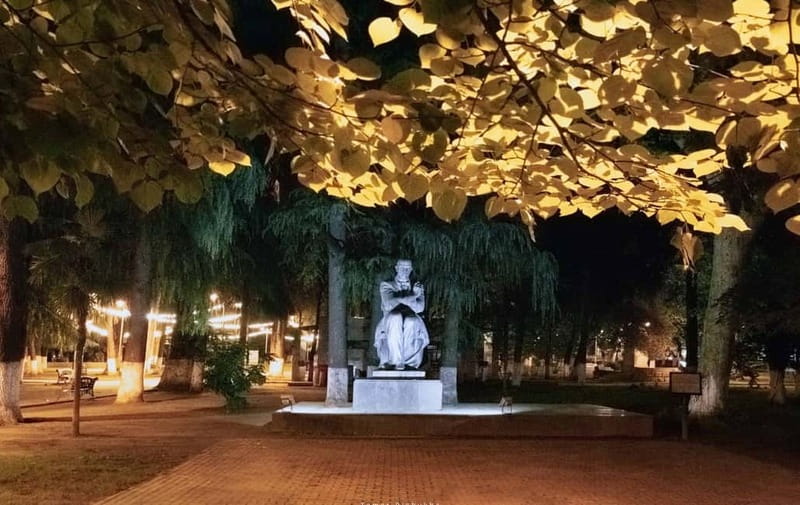
You meet at the Boulevard park colonnade, in front of the Colchis Fountain. That location matters, because it puts you in the center right away, with an obvious landmark to orient around. If you’re arriving in Kutaisi and feel a little “where do I even start,” this is a smart first move.
The tour begins with a big question: why Kutaisi is called the oldest town in Georgia. From there, you’ll hear how the city evolved from ancient times to modern life, using the fountain and nearby central areas as your reference points. You also get context for the Colchis Fountain itself, including how its architecture connects to the way locals understand the city’s identity. It’s the kind of start that turns a photo stop into a history lesson.
Practical note
Bring comfortable shoes. The route is designed for walking, not stop-and-stroll only, and the best views and best explanations happen when you keep moving.
Kutaisi’s central story: from the ancient-city label to the Green Market
After the fountain, you’ll move through the heart of Kutaisi where the tour connects history to daily rhythms. One of the early highlights is the central market area, explained as the Green Market. I like this kind of stop because markets are never just one thing. They’re commerce, yes, but they also show what the city chooses to keep close to home.
With the guide, you’ll learn what the market name means and how it fits into Kutaisi’s culture. Even if you don’t plan to shop, it’s a good way to understand how local life works outside the biggest monuments.
This part of the walk also gives you a sense of scale. You start to see Kutaisi not as a list of sights, but as a connected set of streets, squares, and landmarks that people move through every day. That makes the next cultural stops easier to appreciate because you understand their location in the city’s flow.
Opera and Drama Theaters: culture as a city habit
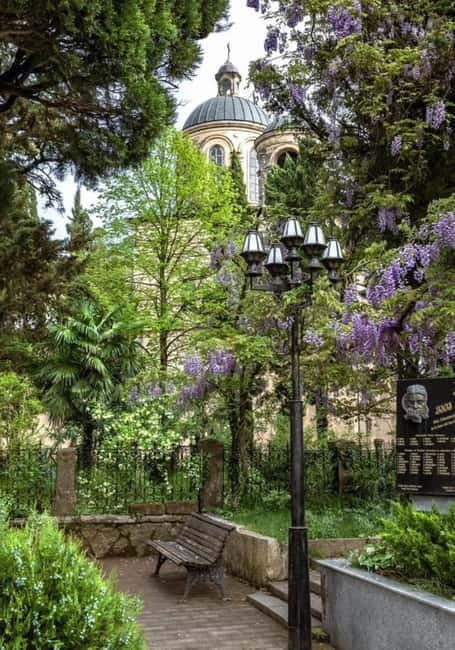
The tour includes the heritage of the Opera and Drama Theaters. This is where the guide’s local perspective becomes especially valuable, because theaters are more than buildings. They reflect what a city funds, what it performs, and what it wants visitors to remember.
As you pass and discuss these venues, you’ll get a sense of how Kutaisi’s cultural scene fits into Georgia’s larger identity. If you’re someone who likes architecture but also wants the human side, this stop hits a good balance. You learn why these institutions matter, not just what they look like.
You’ll also hear about notable local artists, including the region’s most renowned photographer. I like that the tour doesn’t treat art as something separate from the street. It’s presented as part of how Kutaisi tells its story, in photos, performances, and public spaces.
Still around Kutaisi? These come up often:

Murals, early 20th-century cinemas, and a gallery with Georgian painters
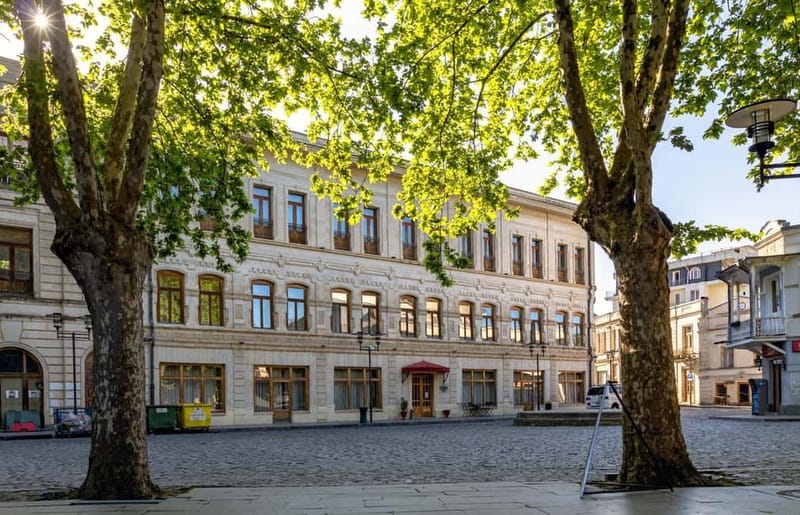
Kutaisi’s street art and visual culture show up in a few different ways on this walk. You’ll talk about cinemas from the early 20th century, which helps you understand how entertainment evolved in the city. It’s a useful contrast to modern travel, because you start thinking about how people here spent their evenings long before the guide ever arrived.
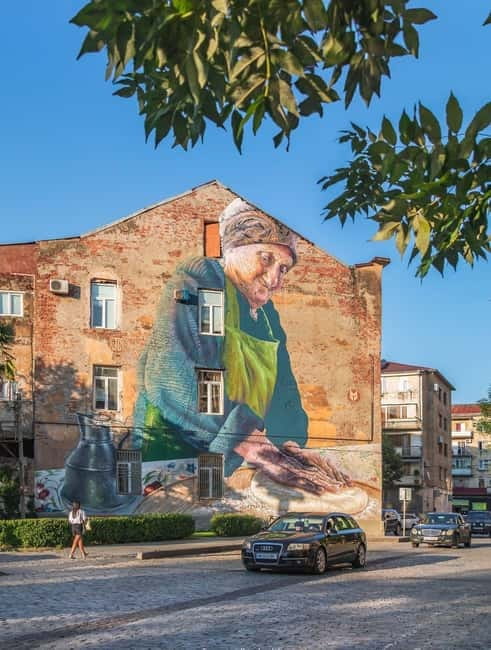
Then you’ll admire vibrant murals as you continue. This is the kind of stop where you get more than “look at that painting.” You learn what you’re seeing and why it matters in the city’s visual language. Murals are often tied to identity, memory, and the public mood, and the guide helps connect the dots.
The tour also includes a gallery featuring celebrated Georgian painters. This part is great if you want a structured art moment without having to research a museum schedule. It’s also a nice change of pace from outdoor walking, especially if you’re trying to pace yourself for a 3-hour route.
Bridges, cableway, gymnasiums, and statues: how the city evolved
Next comes a set of topics that can sound “topic-heavy” if you’re reading about them alone, but work well when explained live while you walk. The guide covers bridges and the cableway, plus the history of local gymnasiums and statues.
I like this section because it shows Kutaisi’s growth in practical ways. Bridges and cableways tell you how people moved through the terrain. Gymnasiums hint at education priorities, and statues point to what a community chose to honor over time. You start to see how a city builds its daily life, not just its monuments.
If you enjoy cities that feel layered, this is a highlight. It turns a short walking tour into a way to understand city planning and values, without making you read a textbook.
The old Catholic district and a 19th-century church stop
One of the most interesting shifts on the route is heading toward the historic old Catholic district. This is where the tour widens the lens, showing that Kutaisi’s history includes different faith communities, not only the dominant narratives you might expect.
You’ll explore the old Catholic area and visit a beautiful church from the 19th century. The value here is the contrast. You’ll have already picked up the city’s cultural and civic storyline in the center. Then you walk into a quieter, more specific neighborhood history where the architecture and the setting do more of the storytelling.
If you care about cultural geography, this stop helps you understand how communities organized themselves spatially. It also adds variety to the walk, so the tour doesn’t feel like the same kind of landmark again and again.
Jewish quarter and synagogue: understanding more than one community
The final major historical segment includes the Jewish quarter and a synagogue. This kind of stop is especially worthwhile because it’s a clear reminder that Kutaisi’s story is shared across communities with different traditions.
You’ll learn about the cultural heritage of the Jewish community through the synagogue visit. I appreciate this approach because it doesn’t ask you to simply admire a building. It gives you context for why the building exists and what it meant to local life.
This section also balances the earlier Christian history you hear about in the old Catholic district. Walking from one cultural context to another in a few hours helps your brain connect the city as a whole. You leave with a more accurate sense of Kutaisi’s complexity.
Bubliks, churchkhela, and where to eat after the tour
You should plan for food and drinks on your own, since food is not included. That said, the guide sets you up with strong ideas for what to try during your time in Kutaisi.
You’ll get recommendations and the chance to taste local snacks such as bubliks and churchkhela. Even if you skip one item, it’s a great moment to sample something very Georgia-linked without turning your day into a full food quest.
David also shares advice on where to eat and what to drink, including recommendations for restaurants with live music, coffee, and ice cream in Kutaisi. I like that because after a 3-hour walking tour, you usually want two things: a good meal plan and a fun next stop. Having that local short-list saves you time, especially if you’re only in Kutaisi briefly.
Quick planning tip
Wear shoes that can handle uneven sidewalks. Then plan a relaxed meal right after, so the history sticks and you’re not rushing to catch a bus while still digesting everything you learned.
Price and walking time: is $21 good value?
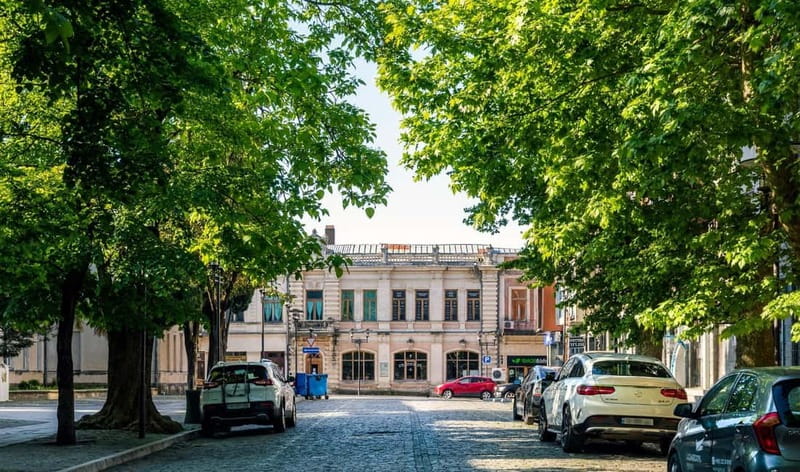
At $21 per person for about 3 hours, this tour is solid value if you want orientation plus explanation. You’re paying for an English live guide and a structured route through central landmarks and neighborhood history. That’s usually where a walking tour earns its keep, because without a guide you can still see monuments, but you might miss the connections that make them meaningful.
Is it worth it? For me, yes, when the guide can answer “why” questions, not just “what” questions. Based on what you’ll hear from David, the guide’s Georgia context is a big part of the experience, including tips on where to eat and drink.
When it might not fit
If you hate walking, or you need step-free routes, you may want to pick a different format. This one is clearly built around the feet-on-the-ground experience.
Who this tour suits best
This tour is a great fit if you:
- Want a first-day grounding in Kutaisi, with central sites and quieter neighborhood history
- Like art and culture, including murals, cinemas from the early 20th century, and a Georgian painters gallery stop
- Appreciate learning about multiple communities in one city, not just one main storyline
- Want practical local recommendations, especially for coffee and restaurants with live music
It’s less ideal if you:
- Need wheelchair access (not suitable for wheelchair users)
- Travel with very young children (not suitable for kids under 2)
- Prefer short, low-walking sightseeing only
Should you book this Kutaisi historic walking tour?
I’d book it if you want the fastest way to understand Kutaisi’s layout and identity, without doing a bunch of separate research. Starting at the Boulevard park colonnade puts you in the right spot immediately, and the combination of Colchis Fountain, Green Market, theaters, murals, an art gallery, and then the old Catholic and Jewish quarters gives you a balanced view of the city.
Most importantly, you get a real local guide. David’s angle is practical: he explains Kutaisi while also helping you connect it to the bigger story of Georgia, and he backs it up with food and coffee ideas you can use right away.
If your priority is only famous monuments, you might find some parts feel more like guided storytelling than standalone sights. But if you want your time in Kutaisi to feel coherent, this is the kind of tour that helps you hit the ground running.
FAQ
Where does the tour meet?
You meet at the Boulevard park colonnade, in front of the Colchis Fountain.
How long is the walking tour?
The tour lasts about 3 hours.
What language is the guide?
The live tour guide speaks English.
Is food included in the price?
No. Food and drinks are not included, but the guide will share recommendations, including local options like bubliks and churchkhela.
Is the tour wheelchair accessible?
No. It is not suitable for wheelchair users.
Can I cancel and get a refund?
Yes. You can cancel up to 24 hours in advance for a full refund.
Other History Tours in Kutaisi
- Kutaisi: Bagrati & Motsameta Religious Heritage Tour
★ 5.0 · 29 reviews - KUTAISI: City Tour, Historical Churches, Plus Tskaltubo
★ 5.0 · 9 reviews - Kutaisi Bike Tour: City Center, History & Riverside Paths
★ 5.0 · 1 review - Tbilisi: Guided Walking Tour of Historic City
★ 4.9 · 156 reviews
Newer trips around Kutaisi
- Okatse Falls, Martvili Canyon and Prometheus Cave
★ 5.0 · 1 review - Private tour from KUTAISI Colourful Tbilisi, Jvari and Mtskheta
★ 5.0 · 1 review - Kutaisi uncorked: Wine Tasting at a local Family Home
★ 5.0 · 1 review - Private tour: Prometheus, Sataplia Caves Bagrati, Gelati
★ 5.0 · 1 review - Kutaisi Airport – Mestia Shared Transfer
★ 5.0 · 1 review - Tbilisi: Subaru Crosstrek 2014-2016, Rent, Self drive
★ 4.0 · 1 review
Walking Tours, compared.
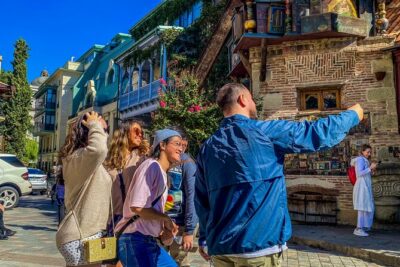
Tbilisi Walking Tour Including Cable Car and Traditional Bakery
Read our review →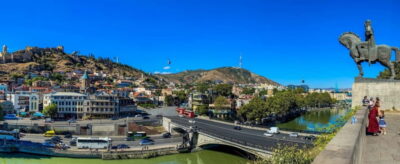
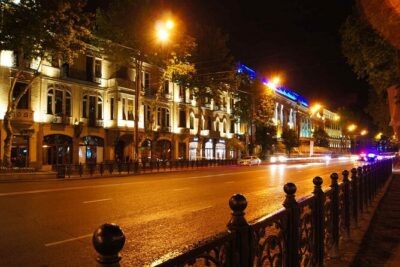
Evening Walking & Talking Tour with Wine & Boat Ride
Read our review →
Evening Walking Tour with Wine & Boat Ride Options
Read our review →
Old Tbilisi Highlights walking tour with wine & 10 tastings
Read our review →
Old Tbilisi Tour: Private Walking Tour With Wine Tasting
Read our review →
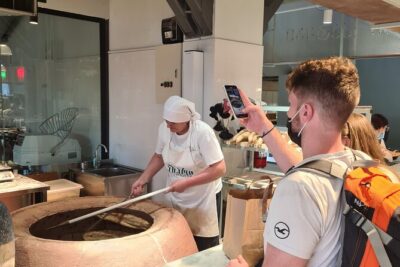
Private Tbilisi Food Tour: 9 Tastings Walk in Bohemian District
Read our review →Browse the lists this tour appears in