
Reviewed · CHIATURA & TSKALTUBO SOVIET TRIPS
Kutaisi:Chiatura Tour with Katskhi Pillar & Cable Car
Chiatura hits you like a scene from an old Soviet movie. This full day trip from Kutaisi mixes industrial history, dramatic nature, and a few spiritual stops that feel quietly Georgia.
I really like how the day is paced. You get guided context plus classic Chiatura sights, and it is not all long walks. Guides like Tengo, Tango, and Demo showed up in recent tours, and they kept the explanations clear, funny, and focused on what you are actually seeing.
One thing to know upfront: you do not climb the top of Katskhi Pillar. It is viewed from below, since access is for monks, and the cable car ride has an optional ticket cost.
In This Review
- Key things to know before you go
- Chiatura: where Soviet industry meets cliffside religion
- Getting from Kutaisi to Chiatura: simple start, full day flow
- Katskhi Pillar: the view you get without the monk-only climb
- Mghvimevi Cave Monastery: short stop, strong mood
- Chiatura cable cars and viewpoint: the ride that makes the town make sense
- Lunch and local tasting: budget it, choose it, enjoy it
- Chiatura Railway Station: history you can still touch
- The theatre stop: a cultural anchor after the dramatic sights
- Timing and the drive back: a clear schedule, not a vague day
- Price and value: what you pay, and what you get
- Who should book this Chiatura day trip, and who should skip it
- Practical tips for a smoother day
- Should you book this Kutaisi to Chiatura tour?
- FAQ
- Where do I meet the guide in Kutaisi?
- How long is the Chiatura: Katskhi Pillar & Cable Car tour?
- Does the tour include the cable car ticket and lunch?
- Does the tour take you to the top of Katskhi Pillar?
- What should I bring for the day trip?
- Is this tour suitable if I have altitude sickness?
Key things to know before you go
- Katskhi Pillar from the ground: big, spiritual energy without a climb.
- Soviet-era cable cars: you literally rise above Chiatura for panoramic views.
- Mghvimevi Cave Monastery: a short, serene cave stop near town.
- A real mix of sites: views, churches, a railway station, and a historic theatre.
- Guide-led photo stops: many guides help you find angles and details you would miss alone.
Other Chiatura and Tskaltubo Soviet-era trips:
- Abandoned sanatoriums of tskaltubo – group tour from Kutaisi★ 4.8 · 99 reviews
- Kutaisi:Chiatura Tour with Katskhi Pillar & Cable Car Experience★ 5.0 · 95 reviews
- Kutaisi: Chiatura Cable Cars & Katskhi Pillar Guided Tour★ 4.9 · 67 reviews
- Kutaisi: Tskaltubo Abandoned Soviet-Era Spas Tour★ 4.9 · 40 reviews
Chiatura: where Soviet industry meets cliffside religion
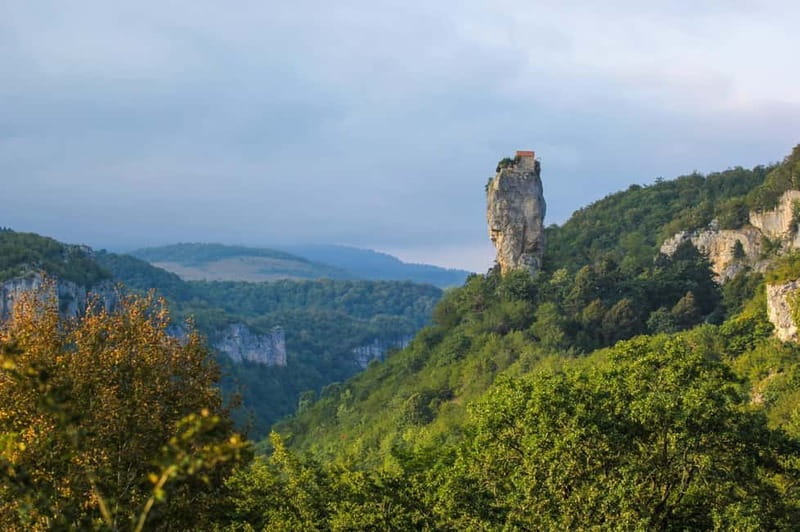
Chiatura is not your typical Georgian town. It sits in a deep valley, and the town’s industrial past still shapes the streets, the train station, and even how people move around. That is why it feels so time-warped, in a good way.
The centerpiece is the way nature and buildings share the same frame. You will see cliffs and valleys, then industrial edges and viewpoints that make the whole place look suspended over the river. And because this day trip is guided, you get the story behind what you are looking at, not just the photo ops.
What really makes this tour click is the contrast. You start with a dramatic spiritual monument in nature, then you step into cave monastery quiet, then you come out to cable car views over town, then you finish with a look at the railway station and a theatre that has been part of Chiatura’s public life for more than 100 years.
And yes, the cable cars really help. Even if you hate tourist rides, here they feel like a practical way to understand Chiatura’s geography and history at the same time.
Getting from Kutaisi to Chiatura: simple start, full day flow
You meet in Kutaisi at 10:00 AM in front of McDonald’s on Tbilisi Street (1 Tbilisi street). Your guide wears a red scarf, so it is easy to spot the group.
Then you drive about 1 hour and 30 minutes to Chiatura. That travel time matters because it keeps the day comfortable. You are not spending the entire afternoon in a hot van later, and you are not doing a sprint between far-apart viewpoints.
Once you arrive, you meet your local guide in Chiatura. That part is more than a formality. The guide helps connect the dots between the industrial town layout and the religious sites tucked into the area. You also get a better sense of what you are looking at when you stop for photos and viewpoints.
In terms of pacing, recent guests describe a day that does not feel overly heavy on walking. You will drive to key areas and use the cable cars when it makes sense. So if you want to see a lot without turning your legs into sandpaper, this tour fits.
Katskhi Pillar: the view you get without the monk-only climb
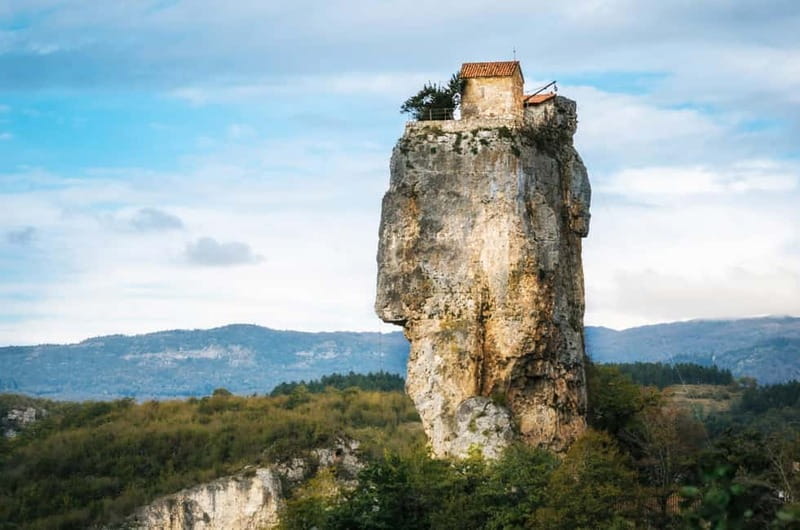
Katskhi Pillar is the star. Expect a full 1 hour dedicated to it, even though the actual visit is mostly about stopping, looking, and soaking in the scale. The pillar is tied to early Christian ascetic traditions, where solitude and spiritual elevation were part of the idea.
Here is the key detail: the tour does not take you up the pillar. Access to the top is for monks, so the best you will do is see it from below with your guide pointing out what matters. This might sound like a limitation, but honestly it often works better for most people. You get the atmosphere and the visuals without the fuss or the physical strain.
What I like about this setup is how it becomes a thinking stop, not a checklist stop. Your guide can guide your attention from the big picture down to smaller details you might miss, like why the location feels so remote and why ascetics would choose somewhere this challenging.
If you are the type who wants to climb everything just to prove you can, you may feel a little teased. But if you enjoy historical context and dramatic views, you will probably love this part.
Mghvimevi Cave Monastery: short stop, strong mood
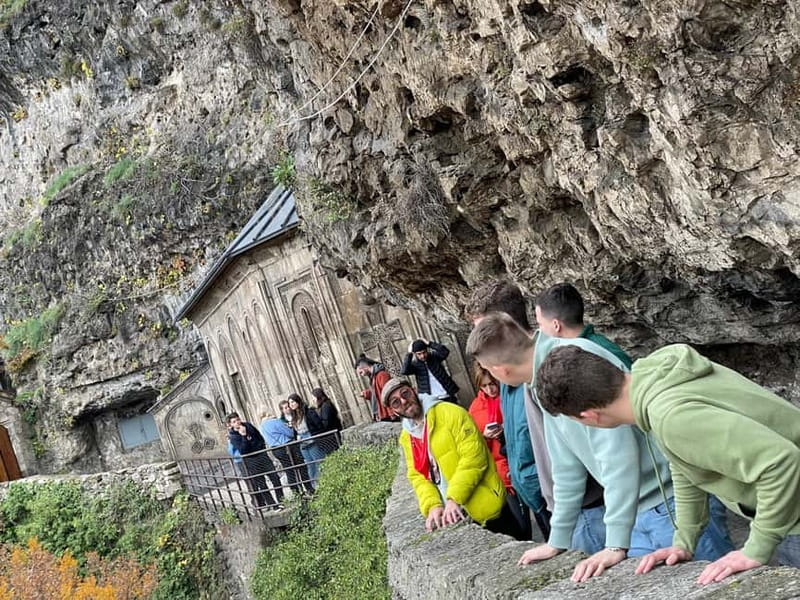
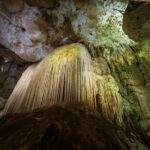
After Katskhi Pillar, you head to Mghvimevi Cave Monastery, with about 40 minutes there.
This is one of those stops that feels like a reset button. The cave churches tend to create a natural quiet, and your brain slows down the second you step into that kind of stone space. It is not a long duration, but it is long enough to feel like you left the outside noise behind.
The tour keeps this short on purpose. It is there to give you variety and emotional contrast, not to eat the day. And it pairs well with what you saw at Katskhi Pillar. One is about spiritual elevation in open nature, the other is about spiritual life inside stone.
Photo note: caves can be tricky for low light. Keep your expectations realistic. You can still get great shots, but bring patience and try your phone camera’s night mode or portrait settings if you have them.
Other Kutaisi tours and day trips:
Chiatura cable cars and viewpoint: the ride that makes the town make sense

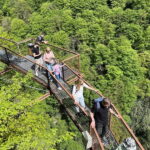
Next comes the fun and the views. You spend about 1 hour on the cable car experience plus the Chiatura Viewpoint.
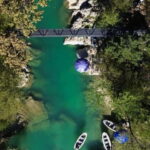
This is the moment where Chiatura stops being an interesting idea and becomes a whole visual system. From above, you understand the valley, the winding river, and the way the town’s industrial character is built right into the surrounding geology. It is not just scenic. It is educational.
Also, this is where you feel the difference between a ground-level tour and a “how the place actually works” tour. Cable cars are not random sightseeing. In Chiatura, they reflect how the town has developed around cliffs and steep drops.
One practical detail: the cable car ticket is optional at 5 Lari (about $2). Most people will want it because the viewpoint is why the cable car segment is worth doing. But keep the cost in mind when you budget.
Lunch and local tasting: budget it, choose it, enjoy it
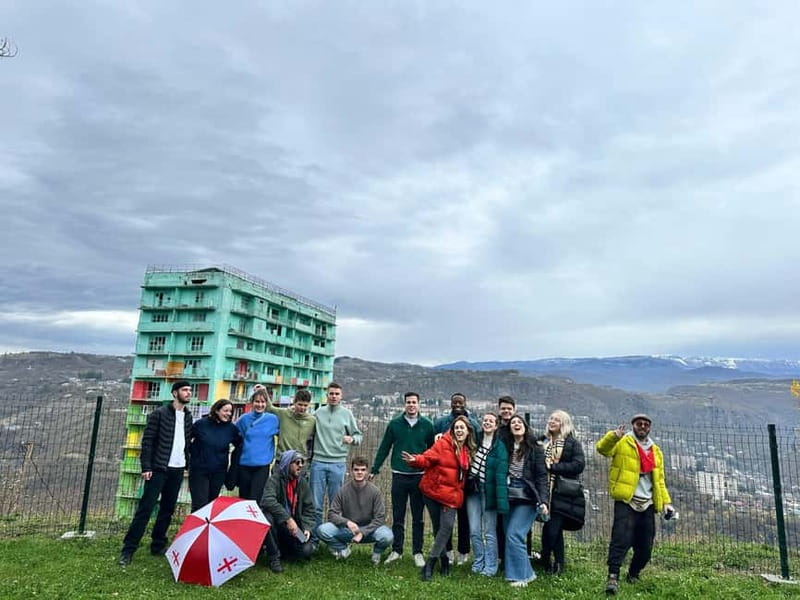
Lunch in Chiatura is built into the day as about 1 hour, described as local tasting with lunch.
Lunch is not included. It is listed as 30 Lari (about $12) if you choose it. In other words, the tour price covers the guide and transportation, and you pay for food and cable car tickets as needed.
This structure gives you flexibility. If you get picky about meals, you can plan around the tasting stop. If you like local spots, you can treat lunch as part of the experience rather than a forced break.
A small heads-up from guest feedback: the meal timing can vary based on how the day runs, and in at least one case it arrived colder than expected. That does not mean it will happen to you, but it does suggest a good strategy. Bring a little patience, and if you have a sensitive stomach, stick with simple, familiar items.
If you want maximum value from the day, I recommend going with the tasting option. Chiatura is not known for international food chains. You are here for the local rhythm.
Chiatura Railway Station: history you can still touch
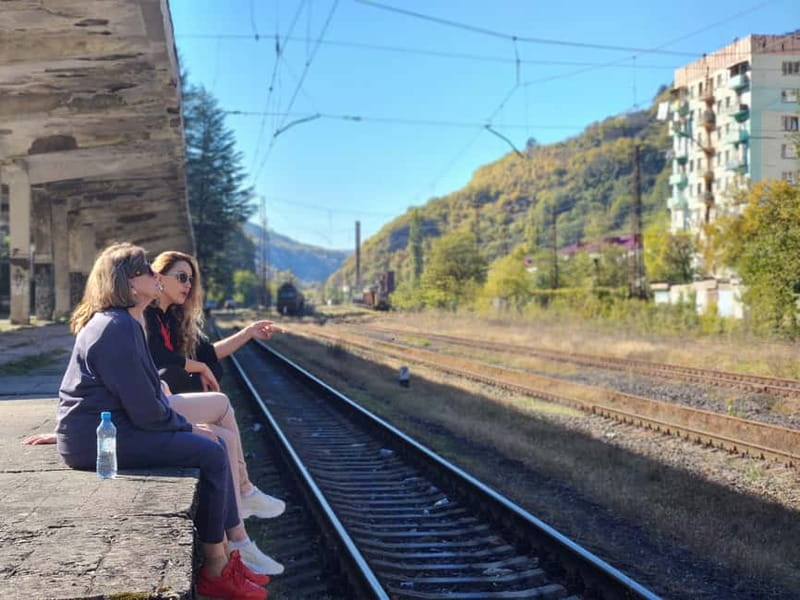
You get a brief 10-minute stop at the Chiatura Railway Station.
This is not a long museum-style visit. It is more like a quick, guided look at a working place that also carries historical weight. The station is described as a crucial transport hub, blending historical significance with modern functionality.
Why it matters: Chiatura’s story is industrial, and rail is a natural part of that. Even a short stop helps you connect the town you saw from above with the town you are walking through at ground level.
If you care about photos, this is a great quick break. Expect interesting lines, textures, and a sense of the town’s continuing life, not just abandoned ruins.
The theatre stop: a cultural anchor after the dramatic sights

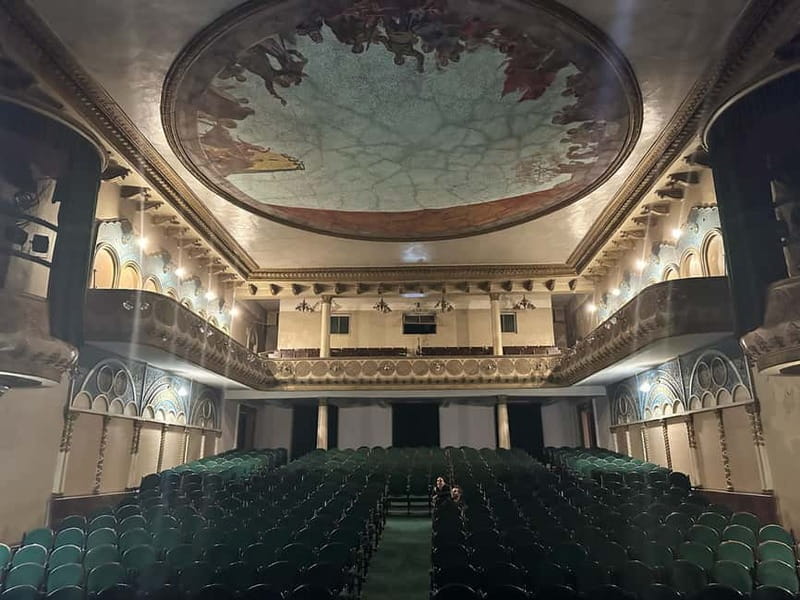
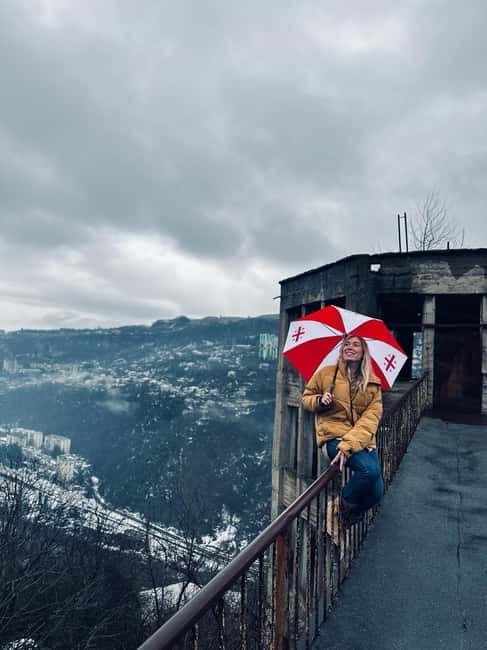
Then you have about 30 minutes at the theatre, described as a cultural gem that has existed for over 100 years.
This theatre stop adds something important: it reminds you that Chiatura is not only cliffs and churches. It has a social life, arts, and public spaces, even if the industrial era shaped it.
It also works as a calmer segment after the cable car viewpoint and before the drive back. By the time you reach the theatre, you are ready for a lower-key cultural moment.
If you like history that is about daily life rather than only monuments, you will probably enjoy this part more than you think.
Timing and the drive back: a clear schedule, not a vague day
The itinerary is designed for a clean start and finish.
- Depart Kutaisi around 10:00 AM to 10:30 AM
- Return to Kutaisi Central Square around 6:00 PM
- Departure from Chiatura at 4:30 PM
The timing matters because Chiatura is a day trip town. You want enough time to enjoy each stop, but you also want energy left for the viewpoints. This schedule keeps most of the major “wow” moments packed into the middle of the day.
And because transportation is included, you avoid the stress of figuring out local routes between steep areas and scattered attractions.
Price and value: what you pay, and what you get
At $19 per person, this tour is priced like a value day trip. That price includes guide service and transportation.
The two potential add-ons are:
- Cable car ticket: 5 Lari (about $2) optional
- Lunch: 30 Lari (about $12) optional
So, a typical “do the cable car and eat lunch” day could land around $33 total, give or take exchange rates and what you pick.
Is that good value? For many people, yes, because:
- You are covering multiple major stops in one day.
- You are not managing logistics or transport between sites.
- You get guide commentary that adds meaning to the views.
You also avoid a common trap in small towns: spending time hopping around without context. Here, the guide’s job is to connect the industrial past, the religious sites, and the cliffside viewpoints into one story you can actually follow.
Recent guests repeatedly praised the guide energy, especially how guides like Tengo, Tango, Demo, and Anna mix explanations with a friendly, sometimes humorous tone. You will feel it when the tour does not drag and when stops feel intentional.
Who should book this Chiatura day trip, and who should skip it
This is a strong match if you:
- Want a big variety of sights in one day (pillar, cave monastery, cable cars, viewpoint, station, theatre)
- Like short guided stops that still feel meaningful
- Prefer a day that includes driving and cable cars rather than endless walking
- Enjoy Soviet-era and industrial history seen through real places, not just generic exhibits
It is not suitable if you have altitude sickness. Chiatura’s terrain and elevations around viewpoints could be an issue, so do not gamble with it.
If you do not like guided group pacing, or if you need fully independent time for each stop, you might find it slightly structured. But based on guest comments, most people feel the day is well planned and that the guide makes time for group comfort.
Practical tips for a smoother day
A few things will help you have a better time right away.
- Wear comfortable clothes. You will be in and out of vehicles and doing short walks to viewpoints and entrances.
- Bring a light layer. Cave monastery areas can feel cooler than the outside air.
- If cable cars matter to you, plan to pay the 5 Lari ticket. It is optional, but it is part of the main viewpoint experience.
- If you are tall, note that at least one guest said the bus felt tight. If you are above about 180 cm, you might find long sitting uncomfortable.
- No bikes are allowed, so do not assume you can bring one for extra flexibility.
And one more human note. One guest described a driver smoking during breaks and being rude. That seems like an exception, not the overall pattern, but if you are very sensitive to smoke, just keep that in mind and keep windows positioned your way when possible.
Should you book this Kutaisi to Chiatura tour?
If you want one day that shows you why Chiatura is famous and why people remember it, I think this is worth booking. The price is low, the guide adds meaning, and the mix of Katskhi Pillar, Mghvimevi Cave Monastery, and cable car viewpoints gives you three different flavors of the area.
Book it if you like:
- clear guided storytelling
- a packed day without marathon walking
- cliff views and historic stops that still feel “real”
Skip it if:
- you need to climb Katskhi Pillar yourself (this tour does not go up)
- you have altitude sickness concerns
- you want total freedom with no schedule at all
Bottom line: this is a practical, high-value way to see a strange and fascinating Georgian town without getting lost in the logistics.
FAQ
Where do I meet the guide in Kutaisi?
You meet at 10:00 AM in front of McDonald’s on Tbilisi Street (1 Tbilisi street). Your guide will be wearing a red scarf.
How long is the Chiatura: Katskhi Pillar & Cable Car tour?
The tour lasts about 7.5 hours, with a return to Kutaisi around 6:00 PM.
Does the tour include the cable car ticket and lunch?
Cable cars are part of the experience, but the cable car ticket is optional (5 Lari, about $2). Lunch is also optional (30 Lari, about $12).
Does the tour take you to the top of Katskhi Pillar?
No. The tour views Katskhi Pillar from the bottom, since access to the top is for monks.
What should I bring for the day trip?
Bring comfortable clothes.
Is this tour suitable if I have altitude sickness?
No. It is not suitable for people with altitude sickness.
Newer trips around Kutaisi
- Okatse Falls, Martvili Canyon and Prometheus Cave
★ 5.0 · 1 review - Private tour from KUTAISI Colourful Tbilisi, Jvari and Mtskheta
★ 5.0 · 1 review - Kutaisi uncorked: Wine Tasting at a local Family Home
★ 5.0 · 1 review - Private tour: Prometheus, Sataplia Caves Bagrati, Gelati
★ 5.0 · 1 review - Kutaisi Airport – Mestia Shared Transfer
★ 5.0 · 1 review - Tbilisi: Subaru Crosstrek 2014-2016, Rent, Self drive
★ 4.0 · 1 review
Chiatura & Tskaltubo Soviet Trips, compared.

1 Day Private Armenia: UNESCO, Soviet & Curated Family Lunch
Read our review →
Abandoned sanatoriums of tskaltubo – group tour from Kutaisi
Read our review →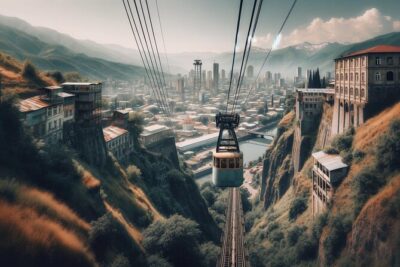
Chiatura Tour with Katskhi Pillar & Cable Car Experience
Read our review →
Tbilisi old town & soviet heritage – Private driver-guided Tour
Read our review →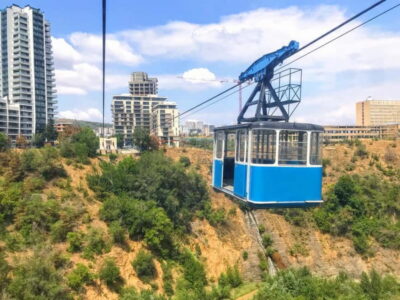
Brutalist Tbilisi: Urban exploration and untold stories
Read our review →
Armenia: 1 Day Soviet gems, UNESCO + Family lunch (Small group)
Read our review →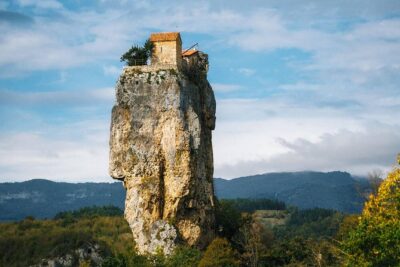
Chiatura Cable Cars & Katskhi Pillar Guided Tour
Read our review →Browse the lists this tour appears in