
Reviewed · GORI & UPLISTSIKHE CAVE TOWN TRIPS
Into the footsteps of Joseph Stalin – Individual tour
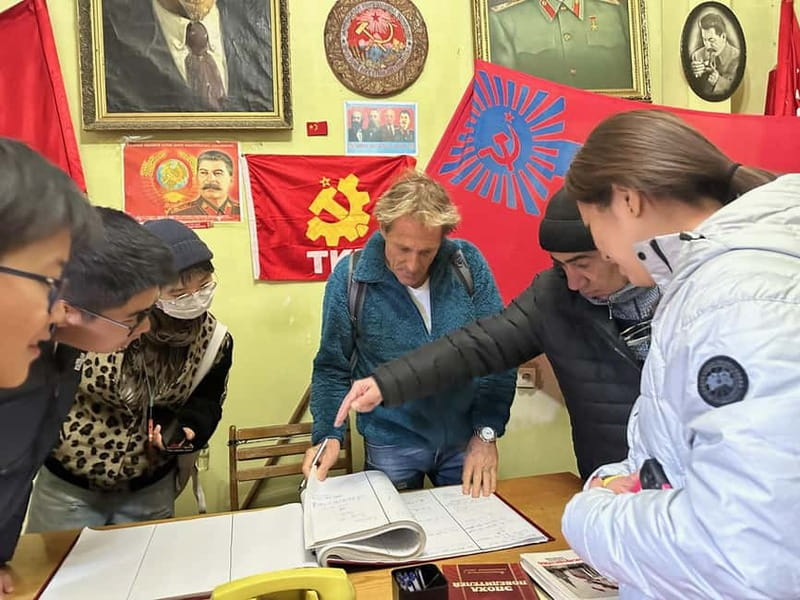
Stalin’s trail in two cities. This private 5-hour tour links Gori and Tbilisi with real artifacts and documentary-style museum rooms that make the man feel less like a headline.
I especially like the focus on concrete, touchable items, from the prison-era context in Gori to the extraordinary objects tied to his Soviet power. I also like that the day includes both museums and the dramatic stop for the illegal underground printing house in Tbilisi.
One thing to consider: the theme is dark and politically loaded, so if you prefer lighter sightseeing, this may feel heavy. Also, there is no lunch included, so plan to handle your own meal timing.
In This Review
- Key highlights you should not miss
- Stalin’s trail in two cities: how this half-day tour works
- Gori in 2 hours: museum rooms, jail-era context, and the “rise to the Kremlin”
- Back in Tbilisi: photo stops and the underground printing house
- Stalin’s green railway carriage: armored travel as a symbol
- Kremlin study pieces and the death mask: the uncomfortable “close-up”
- Private driver-guide value: why the narration during transit helps
- Price and what you get for $111 per person
- What to expect from the pacing
- Practical tips to make the most of this Stalin-focused day
- Who should book, and who might want a different theme
- Should you book Into the Footsteps of Joseph Stalin?
- FAQ
- How long is the Into the Footsteps of Joseph Stalin private tour?
- Is pickup included, and where does the tour start?
- Is this a private group tour?
- What language is the live tour guide?
- Which main stops are included in the itinerary?
- What museum highlights should I expect to see?
- Is lunch included in the price?
- What is included in the price?
- What is the cancellation policy?
- Can I reserve without paying right away?
Key highlights you should not miss
- Gori, Stalin’s hometown, with a guided visit that turns his rise into a guided story
- A museum exhibition organized in six chronological halls, with thousands of photos and documents
- Stalin’s green private railway carriage, including the idea of armored travel in seclusion
- Kremlin study artifacts, such as his desk, plus his death mask
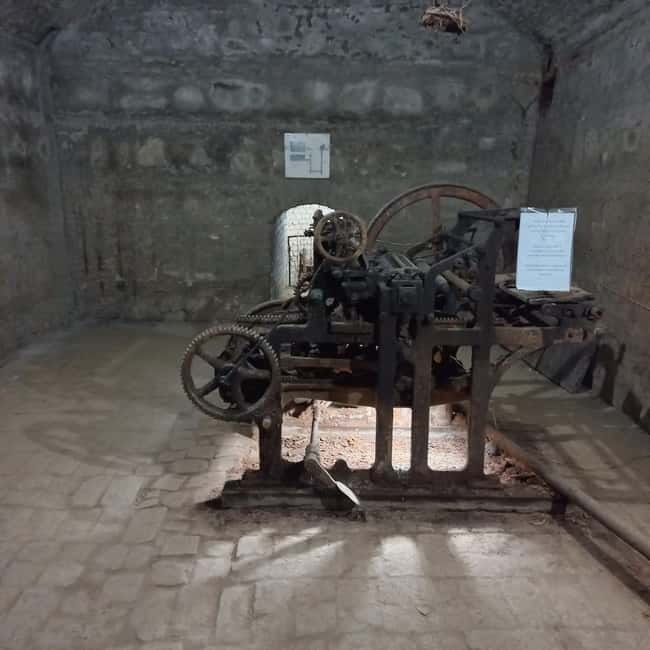
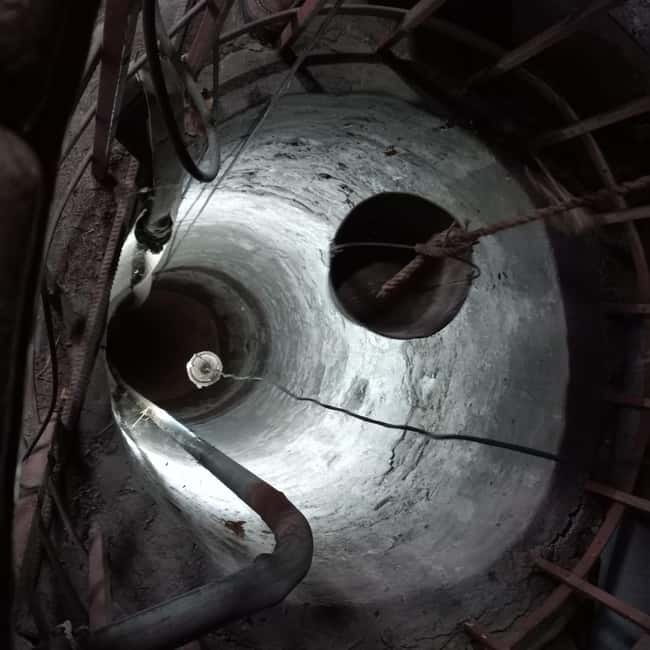
- The illegal underground printing house in Tbilisi, including an original printing press moved piece by piece
- A private driver-guide approach, with English explanations that continue even during transit
Other Gori and Uplistsikhe cave-town trips:
- Tbilisi: Mtskheta, Jvari, Gori and Uplistsikhe Day Tour★ 4.9 · 2,396 reviews
- Day Trip to Mtskheta Gori and Uplistsikhe★ 5.0 · 1,801 reviews
- From Tbilisi : Mtskheta, Jvari, Gori & Uplistsikhe Day Trip★ 4.8 · 432 reviews
- From Tbilisi: Mtskheta, Jvari, Gori, Uplistsikhe Guided Tour★ 4.7 · 354 reviews
Stalin’s trail in two cities: how this half-day tour works
This is a compact, private, thematic tour built around one subject: Joseph Stalin. You start in Tbilisi with pickup, then head to Gori for about 2 hours, and return to Tbilisi for the rest of the day’s museum time and photo moments. At a total of 5 hours, it is long enough to feel like an actual experience, but short enough that you do not have to give up your whole day.
What makes it work is the structure. The tour is not just “see a museum.” It is a narrated timeline, with major points in Stalin’s life presented in chronological museum halls, then reinforced later by high-impact objects and locations. That matters because Stalin is one of those figures people know in broad strokes, but do not really understand in sequence.
You will also move with a private driver-guide, not a large bus group. That typically means you can ask questions in real time and get clarifications while you travel between stops. In one account, guide Esto was praised for adding context during the transit, which is where many history tours waste time or go silent. Here, the travel time is part of the story.
Gori in 2 hours: museum rooms, jail-era context, and the “rise to the Kremlin”
Gori is the emotional anchor of this tour, because it is where the journey starts. You get a guided, 2-hour visit that centers on Stalin’s hometown and museum.
Inside, the exhibition is arranged in six chronological halls. That design helps you keep track of cause and effect, from his early life in the region to the later leap to the Kremlin. The display format is also built to overwhelm less than you might fear. You see thousands of photos, plus documentation, paintings, and newspaper cuttings that chart his rise and his several jail terms under tsarist rule.
The best part of this stop, in my view, is how much the museum focuses on the “how it happened” details instead of just offering slogans. Jail terms and period documents give the story a concrete timeline. When you then later visit objects tied to power, you can connect them to earlier circumstances rather than treating them like separate exhibits.
A practical consideration: 2 hours sounds short, but museum pacing depends on how much you read. If you like to stop often and take your time, you might feel a bit rushed. The upside is that the guided structure is there to help you avoid getting lost in the amount of information.
Back in Tbilisi: photo stops and the underground printing house
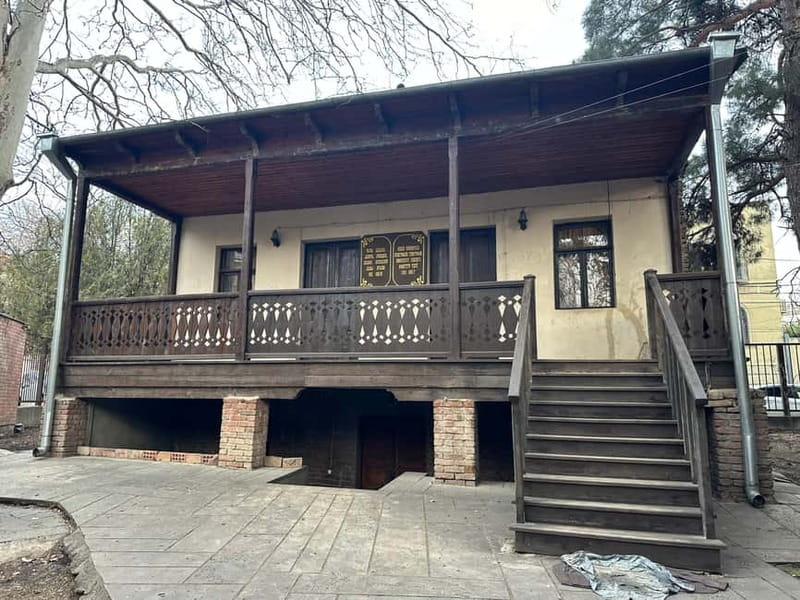
After Gori, you return to Tbilisi with time for a break and at least one photo stop, before another guided museum visit. This Tbilisi portion is where the tour takes a sharper turn from biography to mechanics.
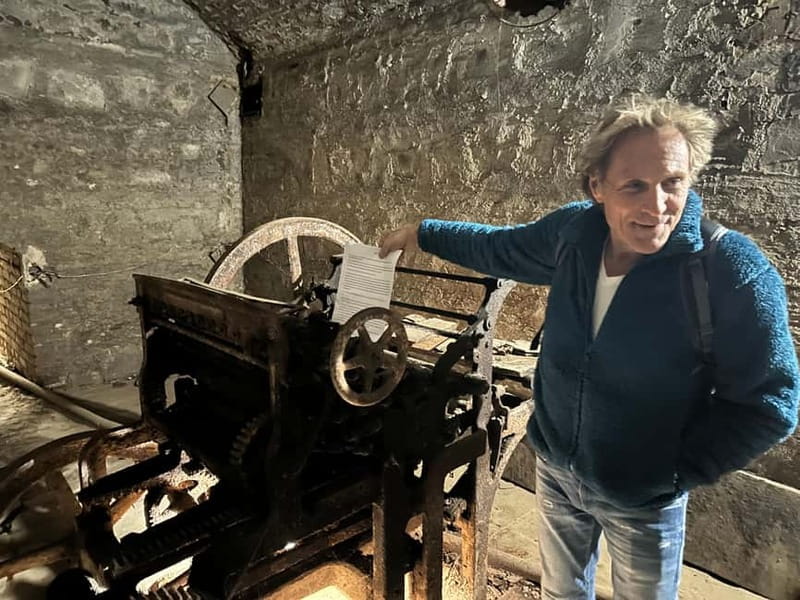
The star here is the illegal underground printing house. This is not a vague “revolution happened here” setting. The printing house is restored as a working part of the story, and the tour experience highlights how printed material was produced outside official control.
One detail that stands out is the inclusion of an original printing press. In an account, the guide discussed how the press was carried over piece by piece from Germany. That kind of specific provenance changes the mood. Instead of imagining underground work as a myth, you can see it as a real process with real equipment.
For many history lovers, this is the moment that makes Stalin feel more human as an operator of a movement. For people who prefer political history that focuses on people and institutions, it also gives you something tangible to hold onto: methods, not just slogans.
The main drawback here is straightforward: underground or museum rooms can be dim and crowded, depending on timing. If you are the type who needs bright lighting to read tiny text, plan for a slower pace and take photos where you can, instead of trying to capture every label.
Stalin’s green railway carriage: armored travel as a symbol
One of the tour’s most cinematic highlights is Stalin’s green private railway carriage. You do not just view it like a static prop. The tour frames the carriage as a symbol of how he moved, emphasizing that it was designed for heavily armored travel and heavily guarded seclusion around the Soviet Union.
Why this matters: in many Stalin narratives, power is shown through buildings, speeches, or political outcomes. The railway carriage gives you a different lens. It shows logistics and protection, the everyday machinery of control. Even if you never fully picture the scale of the Soviet Union, this object makes it easier to understand how rulers lived in a different reality from everyone else.
Other Tbilisi tours and day trips:


Kremlin study pieces and the death mask: the uncomfortable “close-up”
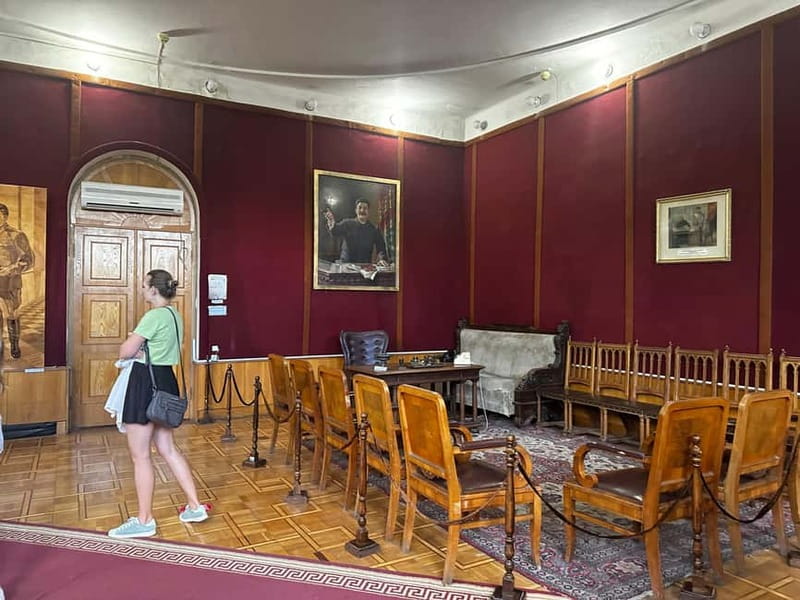
You will also see objects that push the experience into unsettling territory, including the dictator’s death mask and the desk from his study in the Kremlin. These items can be emotionally heavy, but they also help you understand how regimes use symbols and private spaces to project authority.
There is a difference between reading about power and encountering a personal object. A desk implies routine. A death mask turns a historical figure into a final image you cannot ignore. If you have strong feelings about how dictators are portrayed, you may need to pace yourself here, taking short breaks rather than rushing through.
Private driver-guide value: why the narration during transit helps
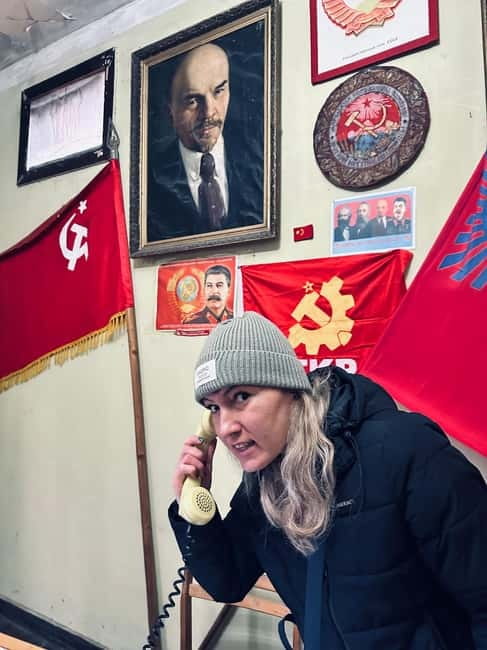
This tour is built as a private group with a driver-guide in English. That sounds basic until you notice what people praised. In multiple accounts, the guide role was highlighted as more than “transport with a script.”
Guide Esto, in particular, was praised for being able to explain material quickly during the museum visits and continue adding context during the drive between Gori and Tbilisi. That combination is a big deal because it keeps the timeline coherent. You are less likely to experience the day as isolated rooms with disconnected facts.
If you are traveling solo, this kind of format can be a relief. You are not translating your own questions. If you are traveling as a couple or with family, you get flexibility too, because you can shift attention based on interest level, like spending extra minutes on the printing press or moving faster through the museum sections you find less relevant.
Price and what you get for $111 per person
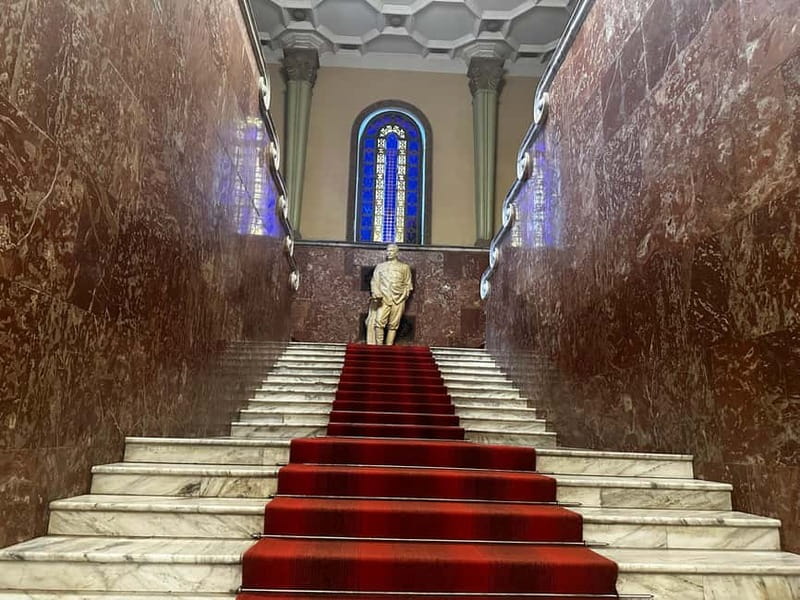
At $111 per person for a 5-hour private, thematic experience, you are paying for a compact itinerary that includes guided museum time, entrance tickets, and a driver-guide, plus bottle of water. Lunch is not included.
How to think about value: in many cities, museum admissions plus a good guide can easily add up. Here, the tour bundles access and interpretation into a half-day plan that stays focused on one topic. You are not paying for long, wandering sightseeing. You are paying for a curated timeline with high-impact stops like the underground printing house and the railway carriage.
The tradeoff is that there is no lunch. If you book close to your usual meal window, you will want a meal plan ready for after the tour, or bring a snack if your body needs it.
What to expect from the pacing
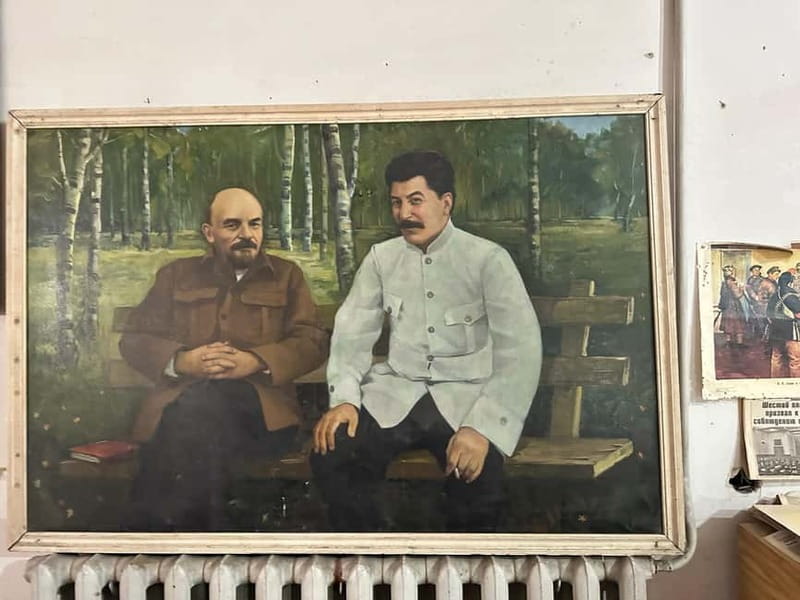
The day has a clear rhythm:
- Pickup in Tbilisi
- A guided 2-hour stop in Gori
- Return to Tbilisi with break time and photo opportunities
- Guided museum time focused on major Stalin artifacts and the underground printing house
- Drop-off back in Tbilisi
That pacing is ideal for first-time visitors who want one structured “topic day” without committing to a full day. It also suits people who like documentaries, because the exhibitions and narration are organized as a timeline with interpretation.
If you prefer to wander freely, this might feel a bit scheduled. But if you like the comfort of being guided through complex material, it is a good fit.
Practical tips to make the most of this Stalin-focused day
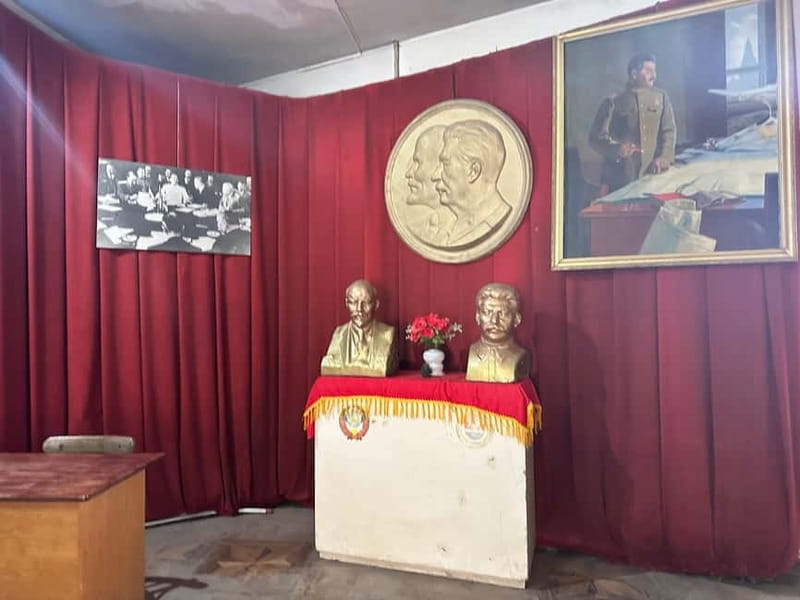
Bring a practical mindset, because museums and politically themed artifacts can be mentally draining.
- Plan for reading time. The museum includes many photos, documents, and newspaper cuttings, so do not treat it as a quick walk-through.
- Wear comfortable shoes. You are moving between two cities, plus spending time inside guided museum spaces.
- If you dislike crowds, aim for a pace that lets you pause. Private tours help, but indoor spaces can still feel busy.
- Keep room in your schedule for a late meal. Lunch is not included, so plan accordingly.
One extra note: in an account, guide Esto also provided personalized recommendations in Tbilisi and even showed an early medieval Jvari monastery. That is not described as a guaranteed component, but it is a good example of the flexibility a good guide can add when time allows.
Who should book, and who might want a different theme
Book this tour if you:
- Like history presented as a clear sequence
- Want museum artifacts and documentary-style exhibits, not just general talk
- Prefer a private format in English with time for questions
- Enjoy standout objects like the railway carriage and the underground printing press setting
You might skip it if you:
- Want lighter sightseeing or a purely scenic day
- Do not handle heavy political themes well
- Need long breaks and downtime, since it is a compact 5-hour plan
Stalin is a difficult subject. This tour does not shy away from that. If you are coming to understand how power works across time, you are in the right place.
Should you book Into the Footsteps of Joseph Stalin?
My take: if you want one focused, high-impact half-day that connects Gori to Tbilisi through guided museums and dramatic artifacts, this is a strong choice. The best part is the blend of timeline structure in Gori, then the practical, physical story elements in Tbilisi, especially the underground printing house and Stalin’s related objects.
The biggest reasons to book are simple: private guide attention, museum admissions included, and the standout stops that make the subject feel real rather than abstract. If the theme does not bother you, and you are okay handling your own lunch, you will likely walk away with a clearer, more detailed picture of Stalin’s rise and the machinery around it.
FAQ
How long is the Into the Footsteps of Joseph Stalin private tour?
The tour lasts 5 hours.
Is pickup included, and where does the tour start?
Pickup is included in Tbilisi. You provide your stay address in Tbilisi for pickup and drop-off.
Is this a private group tour?
Yes. It is a private, individual tour.
What language is the live tour guide?
The tour guide speaks English.
Which main stops are included in the itinerary?
You visit Gori (with a guided tour) and then return to Tbilisi for additional guided sightseeing, including the underground printing house and Stalin-related museum highlights.
What museum highlights should I expect to see?
Expect Stalin-focused exhibits including the six-hall chronological exhibition, Stalin’s green private railway carriage, Stalin’s death mask, the desk from his study in the Kremlin, and the underground printing house.
Is lunch included in the price?
No. Lunch is not included.
What is included in the price?
The tour includes a private individual tour with driver-guide, entrance tickets, and a bottle of water.
What is the cancellation policy?
You can cancel up to 24 hours in advance for a full refund.
Can I reserve without paying right away?
Yes, the option is Reserve now & pay later. You can book your spot and pay nothing today.
Newer trips around Tbilisi
- Tbilisi Private Dinner: Georgian BBQ & Fireplace
★ 5.0 · 1 review - Tbilisi: Khinkali Tasting Lunch with Local Drinks and Pickup
★ 5.0 · 1 review - Day trip in Kakheti-wine tour
★ 5.0 · 1 review - Tbilisi & Mtskheta bus tour hop on hop off
★ 5.0 · 1 review - Tbilisi: Christmas Market & Hidden Gems Guided Walking Tour
★ 5.0 · 1 review - Stalin’s Secrets: An Underground Journey Through History
★ 5.0 · 1 review
Gori & Uplistsikhe Cave Town Trips, compared.
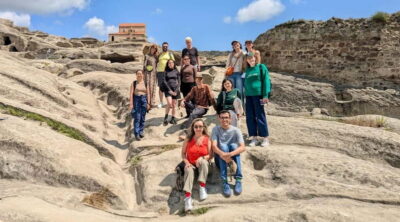
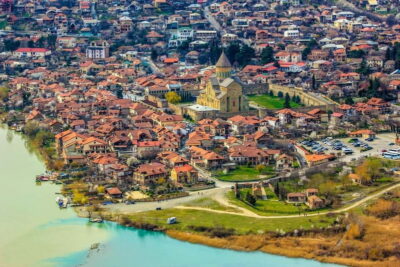
Mtskheta, Jvari, Gori and Uplistsikhe Day Tour
Read our review →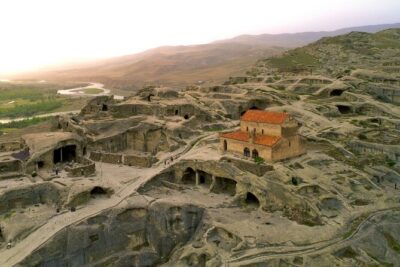
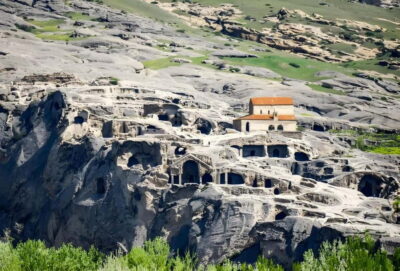
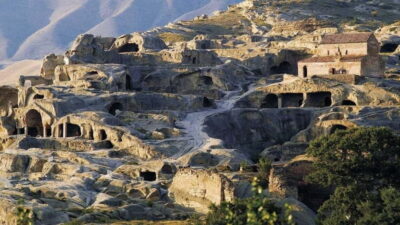
Mtskheta, Jvari, gori, uflistsikhe, history and panorama (group tours)
Read our review →Browse the lists this tour appears in