
Reviewed · MTSKHETA ANCIENT CAPITAL TOURS
Mtskheta-Jvari Gori-Uplistsikhe full-day tour
Four UNESCO stops in one grounded day. This full-day trip from Tbilisi mixes UNESCO World Heritage sights with a guide who keeps the pace easy, while hotel pickup and an air-conditioned car handle the logistics.
I also like that it is truly private, so you can linger when you want and move on when you do not. One trade-off to plan for: Uplistsikhe involves steps and rock scrambling, so you will want comfortable, grippy shoes.
In This Review
- Key points that make the day work
- A smooth day from Tbilisi, with calm pacing
- Jvari Monastery: the hilltop that explains Mtskheta
- Gori and the Stalin Museum choice
- Uplistsikhe cave town: old streets carved into rock
- Svetitskhoveli Cathedral: Georgia’s major church in Mtskheta
- How the 8 hours usually feel, stop by stop
- Price and value: what $69 buys, and what can cost extra
- What kind of traveler should book this
- My practical call: book it if you want depth, skip if you hate stairs
- FAQ
- Is pickup from Tbilisi hotels included?
- How long is the Mtskheta, Jvari, Gori, Uplistsikhe tour?
- Is this a private tour?
- What is included in the tour price?
- Are there entrance fees for the main sites?
- Is lunch included?
- Is the Stalin Museum visit optional?
- Is the Uplistsikhe cave town visit optional?
- What is the cancellation policy?
Key points that make the day work
- Pickup from Tbilisi hotels, so you start stress-free
- UNESCO World Heritage time at Jvari and Svetitskhoveli
- Optional Gori stop with the Stalin Museum if you are curious
- Uplistsikhe rock-hewn ruins, with real walking and some climbing
- A calm, friendly guide style, easy to talk to without pressure
Other Gori and Uplistsikhe cave-town trips:
- Tbilisi: Mtskheta, Jvari, Gori and Uplistsikhe Day Tour★ 4.9 · 2,396 reviews
- Day Trip to Mtskheta Gori and Uplistsikhe★ 5.0 · 1,801 reviews
- From Tbilisi : Mtskheta, Jvari, Gori & Uplistsikhe Day Trip★ 4.8 · 432 reviews
- From Tbilisi: Mtskheta, Jvari, Gori, Uplistsikhe Guided Tour★ 4.7 · 354 reviews
A smooth day from Tbilisi, with calm pacing
This is the kind of day trip that makes sense if you want big-history Georgia without doing the math all day. You get an air-conditioned vehicle, bottled water, and a professional guide, plus pickup from your Tbilisi hotel. The tour is private, so it is just your group, which usually means fewer awkward timing hassles and more flexibility when you reach a site and want an extra 15 minutes.
The tone matters. Based on the way the day is run, it feels calm and friendly, not rushed. That is a win if you prefer conversation at your own speed, and you still want clear explanations and good viewpoints.
The schedule is also fairly straightforward for an 8-hour day: hilltop monastery, a choice in Gori, the cave-town ruins, then the key cathedral in Mtskheta. You are going to be walking and climbing at least a bit, so I would treat it as an active full day, not a sit-and-snack excursion.
Jvari Monastery: the hilltop that explains Mtskheta
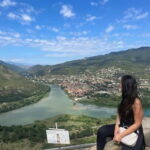
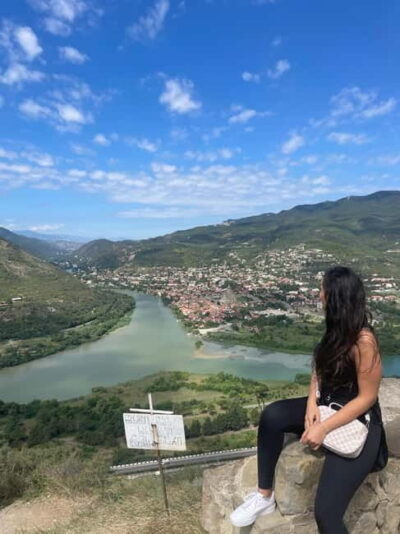
Jvari Monastery, translated as the Monastery of the Cross, sits on a rocky mountaintop at the confluence of the Mtkvari and Aragvi rivers. This is one of those places where the view is not a side effect, it is part of the story. From up there, you get a sense of why Mtskheta mattered, since the area was tied to the Kingdom of Iberia as a former capital.
Jvari is a sixth-century Georgian Orthodox monastery, and the UNESCO listing includes the historic structures of Mtskheta. The present building, often linked to the Great Church of Jvari, is generally held to have been built between 586 and 604. Even if you do not know the details, the setting and the church architecture give you an immediate feel for how early Georgian Christianity used prominent terrain.
Practical tip: this stop is about an hour, and admission is free. Plan for photos, a slow look around, and a few minutes just to take in the river meeting point. The hilltop can also feel breezy, so bring a layer if the weather turns cool.
What to watch for: the panoramic position over Mtskheta, plus the church setting that looks built to be seen from far away.
Possible drawback: if your travel style is purely indoor, you might feel like there is not enough time in buildings. But for most people, the view and the atmosphere make the hour fly by.
Gori and the Stalin Museum choice
From Jvari you head toward Gori, where you have about 1 hour and 10 minutes for either the Stalin Museum or free time in the city. The Stalin Museum is dedicated to Joseph Stalin, and it includes Soviet-era features like Stalin’s original house and his railway carriage. If Soviet history is on your Georgia reading list, this is the chance to see it in a concentrated way.
If you do not want the museum, you can use that time freely in Gori, and the hill dominating the city matters historically too. The area has fortifications dating back to the first half of the first millennium BC, and Gori has been populated since the early Bronze Age. You can also use the time to get a feel for the town before returning to more ancient sites.
Cost note: the Stalin Museum admission is optional and not included, listed at 5 USD per person. If you are budget-minded, this is a simple add-on decision.
Why this stop is valuable: it is a sharp contrast to the church-centered Georgia of Mtskheta. You see how the 20th century left its mark here, in a way that is local, not abstract.
What to consider: the museum is an option. If political history museums tend to drain you, choose free time in Gori and aim for calmer pacing.
Uplistsikhe cave town: old streets carved into rock
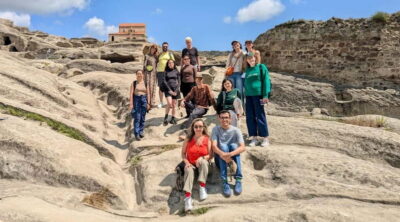
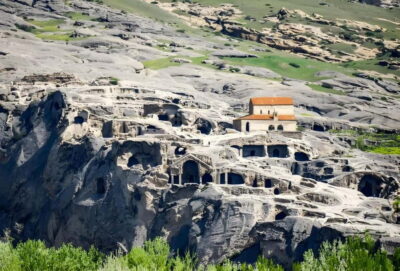
Uplistsikhe is an ancient rock-hewn town, and it is one of the oldest urban settlements in Georgia. It sits on the left bank of the Mtkvari River and includes structures spanning the Early Iron Age through the Late Middle Ages. What makes it especially interesting is the mix of influences, with rock-cut culture styles identified as connected to Anatolia and Iran, plus a coexistence of pagan and Christian architecture.
This is also the active stop of the day. The ruins tour is only for able visitors, and it involves gripping footwear because you will deal with steps, scrambling up rocks, and uneven ground. The walking route follows an ancient pathway past grain pits, and it includes the remains of a theater built in the 2nd or 3rd century AD, including an orchestra pit.
You are allotted about an hour here, and admission is not included, listed at 5 USD per person. If you know you will be slow on uneven footing, you might still manage the hour, but you will want to pace early so you do not rush at the end.
How to make it comfortable: wear shoes you trust on rock, and take your time on the steps. Bring water only if you prefer it, though bottled water is included for the day.
What to look for: the grain pits along the pathway and the theater remains. Even from the outside, it feels different from a normal archaeological site because so much of it is carved into the terrain itself.
Possible drawback: if you hate scrambling or you have mobility limits, this stop is the one to think hard about. The whole tone shifts from “look around” to “move carefully.”
Other Mtskheta and Jvari trips:
Svetitskhoveli Cathedral: Georgia’s major church in Mtskheta
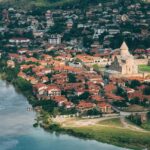
After Uplistsikhe, you reach Svetitskhoveli in Mtskheta. This cathedral is another UNESCO World Heritage Site, and it holds a central place in Georgian culture, art, and architecture. The name Svetitskhoveli literally means the Cathedral of the Living Pillar, which already hints that this is more than just another church.
Svetitskhoveli is the second-largest church building in Georgia, after the Holy Trinity Cathedral. It is also tied to tradition about Christ’s mantle, since it is known as the burial site of that mantle. Even if you only skim the details, the cathedral’s significance comes through in its scale and in how the site is treated as a core landmark.
You have about 1 hour and 10 minutes here, and admission is free. That extra time matters because you will want to step back for photos, look around slowly, then step into a calmer rhythm.
Why this stop caps the day well: after Uplistsikhe’s rock-cut ancient town, you get a major church that represents Georgian religious and cultural identity in a single place.
What to consider: like many cathedrals, it can have specific rules about how to behave and what to wear. The tour gives you a comfortable amount of time, so plan on moving at a respectful pace.
How the 8 hours usually feel, stop by stop
This day runs about 8 hours, and the stop timings are built for a steady flow: 1 hour at Jvari, about 1 hour and 10 minutes in Gori, 1 hour at Uplistsikhe, and about 1 hour and 10 minutes at Svetitskhoveli. The walking level is not the same at each stop, so your comfort depends mostly on Uplistsikhe.
If you like a day that keeps moving but does not feel frantic, this schedule fits. The private format also helps, because your guide can adjust pacing based on how your group is doing. That is especially helpful if someone in your group needs a slower route or more frequent photo stops.
I recommend you plan your day with one key goal: do not try to cram in extra activities in Tbilisi right before this. You will be going out early enough that you may lose steam if you start the morning with a long coffee line, a late museum, or a tiring city walk.
One more practical point: good weather matters. The experience notes it requires good weather, and if it is canceled because of poor conditions, you will be offered a different date or a full refund. That is not a small detail. For Uplistsikhe, slick or windy conditions can make those steps feel harder.
Price and value: what $69 buys, and what can cost extra
The price is 69 USD per person, and that includes an air-conditioned vehicle, bottled water, and professional guide service, plus pickup from Tbilisi hotels. For a full-day private tour, that is a solid value, mainly because two of the biggest stops are free admissions: Jvari Monastery and Svetitskhoveli Cathedral.
What is extra is clearly optional:
- Stalin Museum in Gori: 5 USD per person
- Uplistsikhe: 5 USD per person
Lunch is not included.
So if you do both optional paid stops, your non-lunch add-ons come to about 10 USD per person on top of the base price. For many people, that makes the decision simple: either pay for both and get the maximum mix, or skip one to keep the day lighter.
I also like that the tour includes bottled water and uses a vehicle that stays comfortable. In a long day, those small things matter. And since this is a mobile ticket tour with confirmation at booking, you avoid the “where do I find my ticket” stress that can chew up time.
What kind of traveler should book this
This is a good fit if you want:
- A private guide and an easy day flow
- Big Georgian landmarks without navigating between them yourself
- A mix of ancient sites (Jvari, Uplistsikhe, Mtskheta) plus a modern historical stop (Gori, optional museum)
It is also a smart pick if you prefer a calm, friendly guide style. One of the best parts of this day is that conversation feels natural and not forced, which helps if you are more of a quieter traveler but still want the history explained.
You should think twice if:
- You struggle on uneven terrain, since Uplistsikhe involves steps and rock scrambling
- You want a fully relaxed day with minimal walking
- You want lunch included (it is not)
Also, if you are visiting during peak periods, it helps to book ahead. The tour is commonly booked about 62 days in advance on average, so planning early can keep your dates flexible.
My practical call: book it if you want depth, skip if you hate stairs
I would book this tour if your goal is a high-value day that connects Georgian identity across centuries. You get UNESCO sites at Jvari and Svetitskhoveli, plus the dramatic rock-hewn atmosphere of Uplistsikhe, with an optional detour into 20th century history in Gori. The private format and hotel pickup make it feel organized, and the calm, friendly guide approach helps the day feel easy to handle.
Skip or adjust your plan if Uplistsikhe’s climbing sounds like a problem. That is the one piece with the biggest “your body has to cooperate” factor. If you can handle uneven ground and steps, the day is a strong mix of views, heritage, and real variety.
Finally, keep an eye on weather. If conditions are poor, the operator may cancel and offer another date or a refund, and that is worth respecting. This is one day where you want your shoes and your footing to be at their best.
FAQ
Is pickup from Tbilisi hotels included?
Yes. Pickup from Tbilisi hotels is included, and the tour uses an air-conditioned vehicle.
How long is the Mtskheta, Jvari, Gori, Uplistsikhe tour?
The duration is listed as about 8 hours.
Is this a private tour?
Yes. It is a private tour, so only your group participates.
What is included in the tour price?
The price includes an air-conditioned vehicle, bottled water, and professional guide service.
Are there entrance fees for the main sites?
Jvari Monastery has free admission, and Svetitskhoveli Cathedral has free admission. The Stalin Museum and Uplistsikhe have optional admissions of 5 USD per person each.
Is lunch included?
No. Lunch is not included.
Is the Stalin Museum visit optional?
Yes. You can choose free time in Gori or visit the Stalin Museum. The museum admission is not included and is 5 USD per person.
Is the Uplistsikhe cave town visit optional?
The Uplistsikhe stop is part of the tour, but admission is not included. The listed admission is 5 USD per person, and the ruins tour requires able visitors with gripping footwear.
What is the cancellation policy?
You can cancel for free up to 24 hours in advance for a full refund. If it is canceled due to poor weather, you will be offered a different date or a full refund.
More Full-Day in Tbilisi
- From Tbilisi: Kutaisi Canyons and Caves Full Day Tour
★ 4.8 · 1,051 reviews - Kutaisi Canyons and Caves from Tbilisi Full Day Tour
★ 5.0 · 448 reviews - Kazbegi and Gudauri Full Day Private Tour from Tbilisi
★ 5.0 · 447 reviews - Full Day Private Wine Tour in Kakheti Region with Lunch and 3 Wine Tastings
★ 5.0 · 207 reviews
Newer trips around Tbilisi
- Tbilisi Private Dinner: Georgian BBQ & Fireplace
★ 5.0 · 1 review - Tbilisi: Khinkali Tasting Lunch with Local Drinks and Pickup
★ 5.0 · 1 review - Day trip in Kakheti-wine tour
★ 5.0 · 1 review - Tbilisi & Mtskheta bus tour hop on hop off
★ 5.0 · 1 review - Tbilisi: Christmas Market & Hidden Gems Guided Walking Tour
★ 5.0 · 1 review - Stalin’s Secrets: An Underground Journey Through History
★ 5.0 · 1 review
Mtskheta Ancient Capital Tours, compared.
Mtskheta, Jvari, Gori and Uplistsikhe Day Tour
Read our review →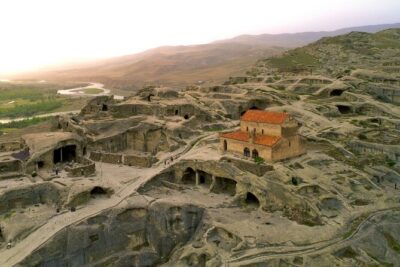
Mtskheta Jvari Bazaar, Chronicles of Georgia & Wine
Read our review →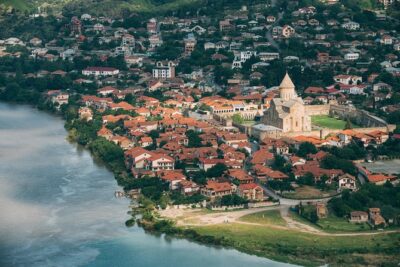
Mtskheta,Jvari,Bazaar,wine tasting,Chronicles of Georgia
Read our review →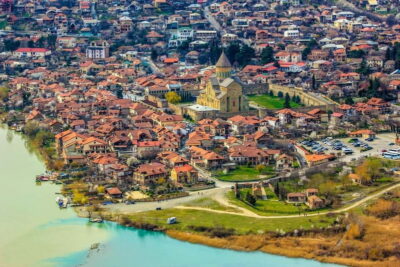
The Chronicles of Georgia, Jvari & Mtskheta Tour
Read our review →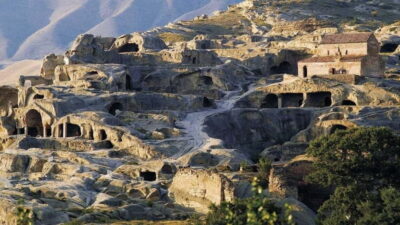
Browse the lists this tour appears in