
Reviewed · MTSKHETA ANCIENT CAPITAL TOURS
Private Trip to Tbilisi and Mtskheta – Cultural Capitals
Tbilisi and Mtskheta in one smooth day. This private trip connects UNESCO sites like Jvari and Svetitskhoveli with core highlights in Tbilisi, so you are not guessing routes or meeting points. I especially like the hotel pickup and drop-off that keeps the day stress-free, and I also like that you get a real guide to explain what you are seeing instead of just moving from stop to stop.
Another big plus is how the pacing fits both ancient and modern Tbilisi. You also get an included cable car ride that helps you reach Narikala without burning the whole afternoon on transit and steep climbing. One drawback to weigh: it is an 8-hour day, so expect quick stops, good shoes, and a plan for where you will eat since lunch is not listed as included.
In This Review
- Key reasons this private tour works so well
- A private Tbilisi and Mtskheta day that saves you the hassle
- Morning start in Tbilisi: pickup, water, and getting your bearings
- Jvari Monastery: the UNESCO viewpoint moment
- Mtskheta Old City: why this small town matters
- Chronicles of Georgia and the Zurab Tsereteli connection
- Svetitskhoveli Cathedral: the Early Middle Ages masterpiece
- Leghvtakhevi Waterfall: a cool break right in Tbilisi
- Shardeni Street: old-town energy without the tourist maze
- Historic bathhouses: hot sulfur pools and optional pampering
- Metekhi Cathedral and the Bridge of Peace: two Tbilisis in one view
- Narikala Fortress and the included cable car ride
- Freedom Square, Rustaveli Avenue, and Meidan Bazaar for real shopping stops
- Lunch and pacing: how to make the 8-hour route feel comfortable
- Price and value: what $110 actually buys you
- Who this private Tbilisi and Mtskheta tour is best for
- Should you book this Tbilisi and Mtskheta tour?
- FAQ
- What time does the tour start?
- How long is the private tour?
- Do you get hotel pickup and drop-off?
- Is this a private tour?
- What is included in the price?
- Are entrance fees included?
- Is lunch included?
- Is there a cable car ride?
- Are there any age or participation limits?
- What is the cancellation window?
Key reasons this private tour works so well
- Hotel pickup and drop-off means no transit headaches before and after the main sights
- UNESCO time in Mtskheta includes the big names, with a guide to connect the dots
- Cable car included helps you tackle Narikala Fortress without feeling like you have to rush
- Multiple Tbilisi districts in one loop covers old streets, modern landmarks, and views
- Guide spotlight (often Nugo) brings a friendly, safety-first vibe and clear explanations
Other Mtskheta and Jvari trips:
- Tbilisi: Mtskheta, Jvari, Gori and Uplistsikhe Day Tour★ 4.9 · 2,396 reviews
- Day Trip to Mtskheta Gori and Uplistsikhe★ 5.0 · 1,801 reviews
- Tbilisi: Mtskheta Jvari Bazaar, Chronicles of Georgia & Wine★ 5.0 · 1,088 reviews
- Tbilisi:Mtskheta,Jvari,Bazaar,wine tasting,Chronicles of Georgia★ 5.0 · 730 reviews
A private Tbilisi and Mtskheta day that saves you the hassle
This is a true private day trip, built around your group only, with a driver and a guide traveling together. You start at 10:00 am and you get picked up right from your hotel in Tbilisi, then dropped back where you began after about 8 hours. That matters, because Tbilisi is spread out, and Mtskheta is close enough to do well, but still far enough that shared tours can waste time.
The price is $110 per person. For that, you are paying for more than sightseeing. You are also paying for transportation that links scattered stops, guided time at monuments, and practical add-ons like water and a cable car ride.
The “private vehicle” part is what makes the day feel efficient, not rushed. You get to spend your time at the places you came for, instead of playing logistics roulette.
Morning start in Tbilisi: pickup, water, and getting your bearings
The day begins with a private driver and guide picking you up from your hotel. The first stop is essentially a short intro in Tbilisi, then you roll into the monuments outside the city. The early start helps, because it gives you daylight for viewpoints and church interiors.
You will also have a bottle of water with you. It sounds basic, but for a long day that includes walking up and down streets and hills, hydration keeps things pleasant.
If you are trying to get your bearings fast, this tour design helps. You see key Tbilisi landmarks later, but you start with a guided “big picture” rhythm, which makes the rest of the day click.
Jvari Monastery: the UNESCO viewpoint moment
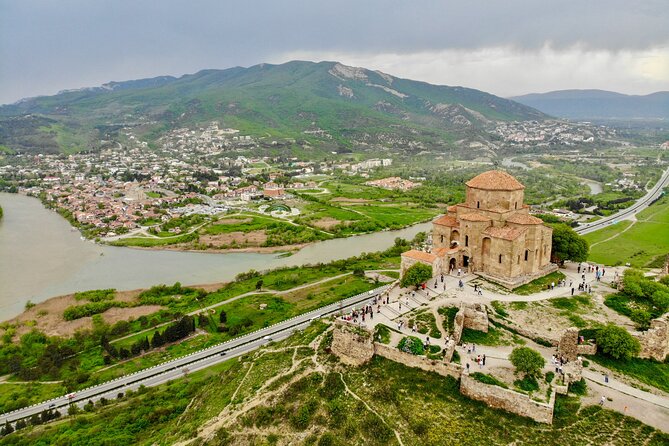
Jvari Monastery sits near Mtskheta and dates back to the sixth century. It is listed as a UNESCO World Heritage site, and that label is not just a sticker. The location gives you that classic “why this place mattered” feeling, because you can connect the geography with the spiritual and historic role of the site.
You get about 30 minutes here. That is enough time to take in the church setting, absorb the surroundings, and get photos without sprinting. If you want one practical tip, wear layers you can adjust in the wind, since hilltop sites can feel cooler.
Church stops also mean dress etiquette. You will be indoors in places, and you are likely to be outside in others, so bring something that covers shoulders or knees if you prefer to be safe.
Mtskheta Old City: why this small town matters
Mtskheta is one of Georgia’s oldest cities, founded by ancient tribes in the 5th century, and UNESCO recognizes it for its cultural monuments. Even with a time-limited tour format, the guide time here helps you understand what you are looking at rather than just ticking boxes.
You have about 1 hour. In that window, you can appreciate how the town works as a heritage center, then move on to the standout monuments that define the UNESCO story.
If you like history explained in plain language, this is where it pays off. A good guide can connect dates, church traditions, and local identity into a single story you can carry with you through the rest of the trip.
Other Tbilisi tours and day trips:


Chronicles of Georgia and the Zurab Tsereteli connection
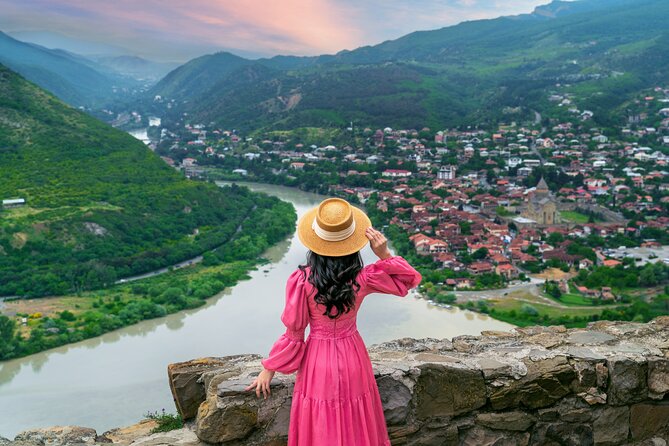
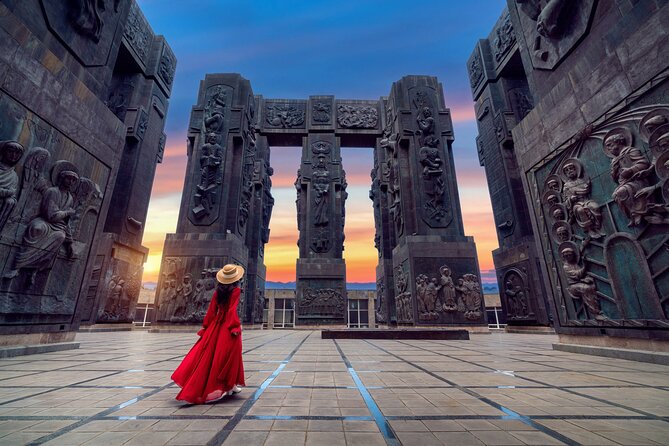
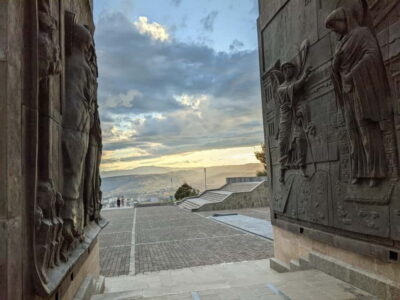
Next is Chronicles of Georgia, a site created by Zurab Tsereteli, a Georgian sculptor, painter, and architect who resides in Moscow. This stop gives you a different angle than the medieval church sites. Instead of only looking backward, you see how modern Georgian art can be tied to national memory.
You get about 30 minutes. That is enough to read the concept, walk the space, and understand why the monument style matters. If you enjoy art more when you understand the creator, this is a strong pause because you have the guide to put Tsereteli in context.
Svetitskhoveli Cathedral: the Early Middle Ages masterpiece
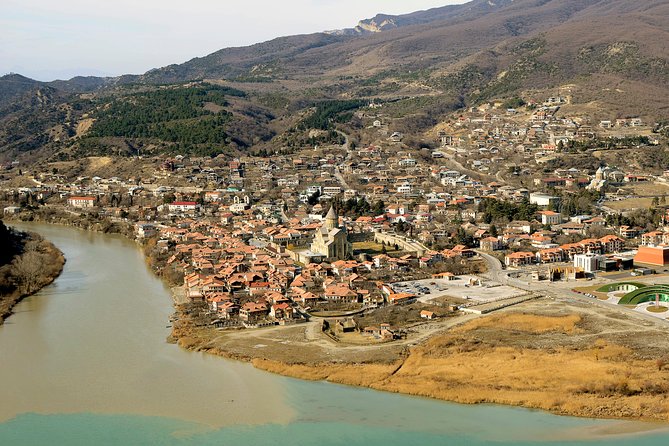
Svetitskhoveli Cathedral is located in historic Mtskheta and is described as a masterpiece of the Early Middle Ages. This is the kind of stop where the details matter, because the architecture and setting are doing the heavy lifting. With an on-the-ground guide, you can focus on what makes it special rather than getting overwhelmed.
You have about 1 hour at the cathedral area. That gives you time to look around slowly, not just snap a photo and move on.
Practical note: plan for a bit of walking on and around the grounds. Comfortable shoes help, even if you are not climbing anything extreme.
Leghvtakhevi Waterfall: a cool break right in Tbilisi
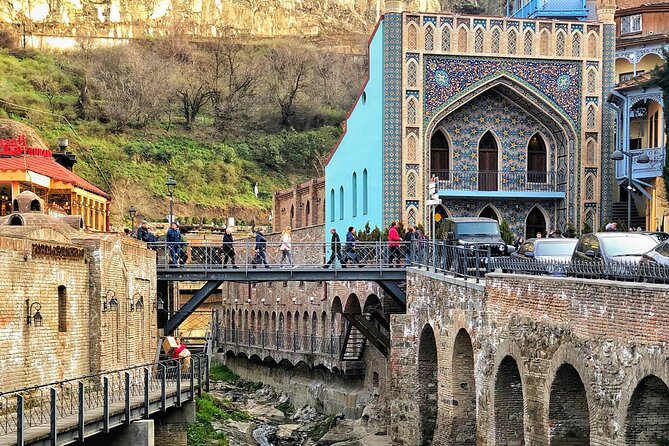
After the Mtskheta leg, you head back toward the city. One of the fun curveballs is Leghvtakhevi Waterfall, described as being in the center of Tbilisi and loved by locals and travelers. You get around 20 minutes, which is a good amount for a quick reset.
This stop is a reminder that not every “top sight” in Tbilisi is a monument. Some are atmospheric, and this one gives you that small moment of nature in the city flow. If you like short breaks between big churches and forts, this timing works well.
Shardeni Street: old-town energy without the tourist maze
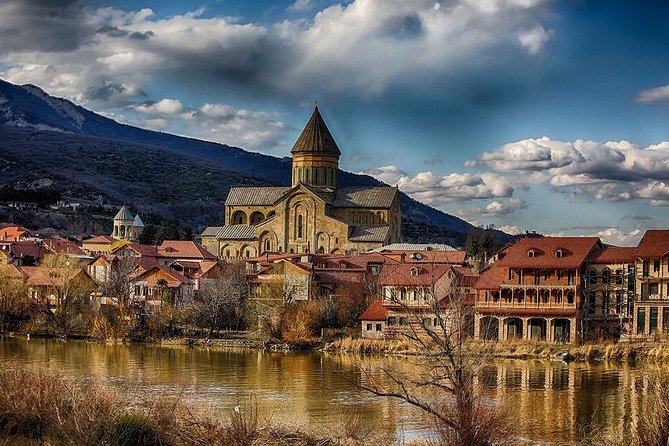
Shardeni Street is a small pedestrian street and one of the centers of Tbilisi’s cultural and social life. You get about 20 minutes here, which is enough time to stroll, look at the vibe, and pick up a snack or drink if you want one.
This is also a place where you can slow down a bit after the more structured heritage stops. You do not need to be an expert on Georgian street life to enjoy it. You just need a few minutes to wander and watch how the street feels.
Historic bathhouses: hot sulfur pools and optional pampering
One stop includes historic bathhouses with pools of hot, sulfur-rich water. The itinerary also notes optional private rooms and massage. This is one of those Tbilisi experiences that feels very local, and it breaks up the day in a satisfying way.
The time is not listed as a precise number in the stop list, but you will likely treat it like a shorter “visit and plan” segment within the full route. If you want to actually enjoy the water and you are booking any optional add-ons, plan your time so you do not feel rushed.
Practical mindset: treat it like a Tbilisi ritual, not a quick photo stop. If you want to do this fully, bring swimwear and plan to cool down after.
Metekhi Cathedral and the Bridge of Peace: two Tbilisis in one view
Metekhi Cathedral is on the left bank of the Mtkvari River on a cliff plateau. The first church at the site is described as being probably built by Vakhtang Gorgasali, connecting the place to older Georgian narratives.
You get about 20 minutes here. It is a photo-friendly stop, but it also sets you up for the next contrast: modern Tbilisi.
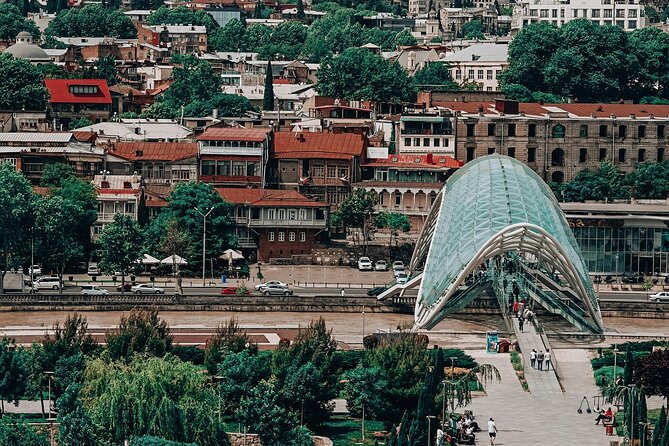
Then you hit the Bridge of Peace, a bow-shaped pedestrian bridge made of steel and glass and illuminated with LEDs. With only about 15 minutes, you are not doing a long hangout, but it is a quick, memorable “here and now” moment that shows Tbilisi is not trapped in the past.
Narikala Fortress and the included cable car ride
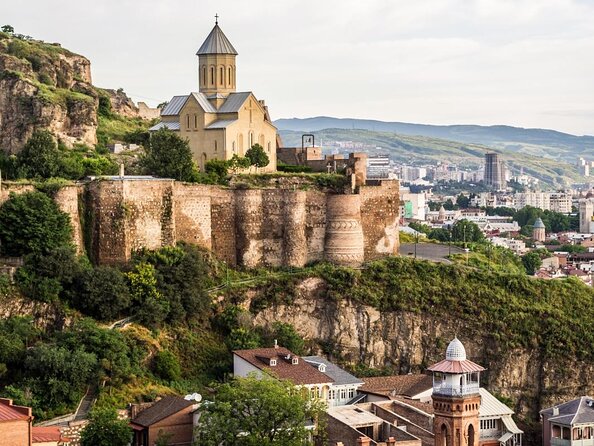
Narikala Fortress overlooks Tbilisi and the Mtkvari River. The fortress is described as having two walled sections on a steep hill between the sulfur baths and the botanical garden. This is why that included cable car ride is such a smart inclusion. It helps you get the viewpoint without spending the entire day struggling uphill.
You get about 30 minutes for Narikala. That is enough time to take in the panorama, walk the main areas, and feel the sense of height the fort is famous for.
If you do not love stairs or steep paths, this stop is still doable, because the tour builds in help with access. Still, wear shoes with grip. The hill areas can be uneven.
Freedom Square, Rustaveli Avenue, and Meidan Bazaar for real shopping stops
Back in central Tbilisi, you cover a sequence that works well if you like “walkable city culture” rather than only museum vibes. You stop at Liberty Square, also known as Freedom Square, and it has had different names through Imperial Russia, the Soviet period, and beyond. You get about 10 minutes, which is just enough to understand the setting and move on.
Then you head to Rustaveli Avenue, the central avenue named after medieval Georgian poet Shota Rustaveli. You have about 15 minutes. This is ideal for catching the big-city feel, looking at architecture from the sidewalk, and getting the route sense for where you might return later.
Finally, Meidan Bazaar is included for about 30 minutes. It is described as a great place for souvenirs like postcards and magnets. This is not about buying everything. It is about seeing what people actually pick up when they want a Georgia memory.
Lunch and pacing: how to make the 8-hour route feel comfortable
Lunch is the one item you should plan carefully. The experience price notes show lunch as not included, even though the highlights talk about avoiding hidden costs with lunch. In real life, that means you should treat lunch as your responsibility and keep one flexible meal option in mind.
For pacing, treat this as a full loop: UNESCO sites in Mtskheta, heritage churches, then back into Tbilisi for viewpoints, streets, and a bazaar. You can absolutely do it in one day, but you will not have long “sit and read” time at every stop.
My suggestion: eat a solid breakfast before pickup, and carry a small snack for the middle of the day. If you are doing the bathhouse pools, consider lunch around that block so you are not hungry or rushed.
Price and value: what $110 actually buys you
At $110 per person, you are not just paying for admission tickets. Your included items add real value: hotel pickup and drop-off, a professional guide service, private transportation, a bottle of water, and a cable car ride. You also get 24-hour online support and a mobile ticket.
The private structure is the key cost driver, and it is what makes the trip feel efficient. Instead of crisscrossing by public transit or coordinating taxis for each segment, you get a single planned route with someone steering the day.
If you are traveling with family, or you simply want to maximize time without stress, this is a good match. If you are the kind of traveler who loves wandering alone and hates schedules, a shorter group tour might feel better. Here, you get value from the guide and the planning.
Who this private Tbilisi and Mtskheta tour is best for
This works especially well if you:
- Want UNESCO Mtskheta without spending hours figuring it out
- Prefer hotel pickup over juggling transit
- Like guided explanations for churches, monuments, and city landmarks
- Are comfortable with an 8-hour day and some walking
It is also a strong pick for couples and small groups who want a private vehicle and a calm pace. In the tour feedback, the guide name Nugo comes up as a standout for friendly service and clear history explanations, which is exactly what you want on a day packed with heritage stops.
Should you book this Tbilisi and Mtskheta tour?
If your goal is to see the major monuments and also get a feel for Tbilisi’s everyday places, I would book it. The mix of Mtskheta UNESCO sites, the Jvari and Svetitskhoveli focus, plus Tbilisi street time and landmarks like the Bridge of Peace is a smart use of one day.
One more decision tool: if you care about logistics, this tour is built to reduce them. If you only want a slow museum day, you might feel the pace is fast. But if you want a guided route that hits the key sights with minimal hassle, this one is a solid choice.
FAQ
What time does the tour start?
The tour start time is 10:00 am.
How long is the private tour?
It runs for about 8 hours.
Do you get hotel pickup and drop-off?
Yes, pickup from your hotel in Tbilisi and drop-off back at your hotel are included.
Is this a private tour?
Yes. It is listed as private, meaning only your group participates.
What is included in the price?
Included items are hotel pickup and drop-off, a professional guide service, a bottle of water, private transportation, a cable car ride, and 24-hour online support. A mobile ticket is also included.
Are entrance fees included?
The itinerary lists admission tickets as free for the stops shown in the schedule.
Is lunch included?
Lunch is listed as not included.
Is there a cable car ride?
Yes, a cable car ride is included.
Are there any age or participation limits?
Most travelers can participate. Children must be accompanied by an adult.
What is the cancellation window?
Free cancellation is available up to 24 hours in advance for a full refund. If you cancel within 24 hours of the start time, the amount paid is not refunded.
Newer trips around Tbilisi
- Tbilisi Private Dinner: Georgian BBQ & Fireplace
★ 5.0 · 1 review - Tbilisi: Khinkali Tasting Lunch with Local Drinks and Pickup
★ 5.0 · 1 review - Day trip in Kakheti-wine tour
★ 5.0 · 1 review - Tbilisi & Mtskheta bus tour hop on hop off
★ 5.0 · 1 review - Tbilisi: Christmas Market & Hidden Gems Guided Walking Tour
★ 5.0 · 1 review - Stalin’s Secrets: An Underground Journey Through History
★ 5.0 · 1 review
Mtskheta Ancient Capital Tours, compared.
Mtskheta, Jvari, Gori and Uplistsikhe Day Tour
Read our review →
Mtskheta Jvari Bazaar, Chronicles of Georgia & Wine
Read our review →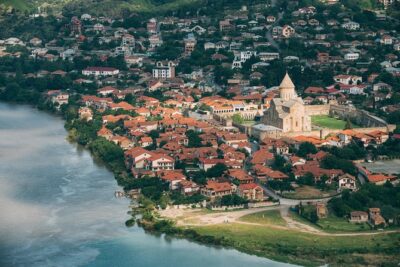
Mtskheta,Jvari,Bazaar,wine tasting,Chronicles of Georgia
Read our review →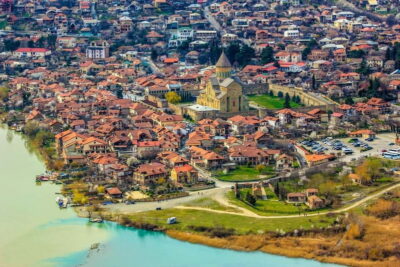
The Chronicles of Georgia, Jvari & Mtskheta Tour
Read our review →
Browse the lists this tour appears in