
Reviewed · GELATI & BAGRATI UNESCO MONASTERIES
Bagrati, Gelati & Motsameta monasteries tour
Kutaisi can feel like a stopover, until you see its monasteries from up close. This 3-hour tour connects Bagrati Cathedral with Gelati’s wider monastic story and ends at the cliffside views of Motsameta. I especially like the tight morning pace and the way your guide turns architecture into human stories, not just facts. The main thing to consider is that Gelati monastery is temporarily closed, so you will see it replaced by nearby sites instead.
You start in central Kutaisi at 09:00, then you are out by 12:00, which makes this a smart add-on even if you have a busy day planned. You also get live English guiding plus transportation, and the driving gets praised for careful safety on tricky roads. If you are going in monastery areas, pack for the dress code, because you will notice it right away when you arrive.
In This Review
- Key Things You Will Actually Notice
- A 3-Hour Circuit Through Kutaisi’s Most Important Churches
- Bagrati Cathedral: 11th-Century Unity Above Kutaisi
- Gelati Monastery Complex and the Important Closure Note
- Motsameta Monastery: Cliff Views and a Brother Lords Story
- Guides and Driving That Turn Sites Into Stories
- Dress Code and Etiquette: What to Wear for Monasteries
- Price and Value: Why About $21 Makes Sense
- Who Should Book This Tour
- Should You Book This Bagrati, Gelati, and Motsameta Tour?
- FAQ
- Where does the tour start?
- What time does the tour begin and end?
- How long is the tour?
- Is the guide available in English?
- What sites are visited, and what happens if Gelati is closed?
- What is the dress code for monasteries?
- Is transportation included in the price?
Key Things You Will Actually Notice
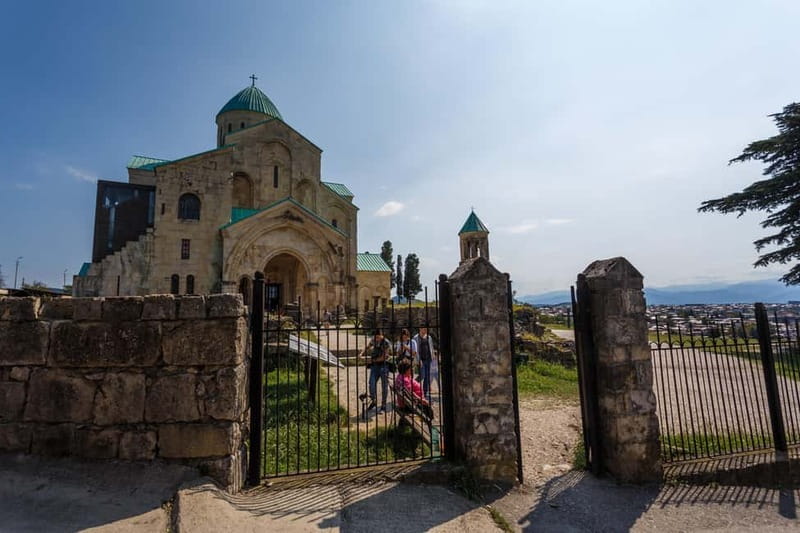
- Bagrati Cathedral’s 11th-century role as a symbol of united Georgia, set above the city
- Gelati monastery’s full program on paper, including three big churches, an academy, David the Builder’s grave, and a bell tower (but see note on closure)
- Motsameta’s cliff setting, surrounded by the river from three sides
- Story-driven history, with guides explaining the background of sites and daily Georgian culture
- Photo-friendly pacing, with time to stop, look, and ask questions
- Safety-first driving, mentioned often, including careful navigation in winter road conditions
Other Gelati and Bagrati monastery visits:
- Gelati Momastery, Prometheus Cave, Sanatoriums and winetour★ 4.9 · 58 reviews
- Gelati Monastery, Motsameta Monastery & Bagrati Cathedral★ 4.6 · 53 reviews
- BAGRATI, GELATI & MOTSAMETA Group Tour from Kutaisi★ 5.0 · 39 reviews
- Kutaisi: Bagrati & Motsameta Religious Heritage Tour★ 5.0 · 29 reviews
A 3-Hour Circuit Through Kutaisi’s Most Important Churches
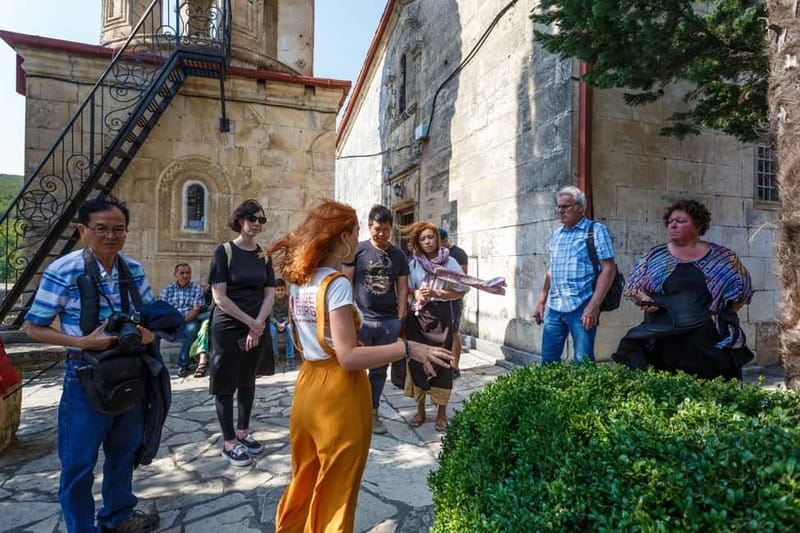
This tour is designed like a morning sprint, but a thoughtful one. You leave at 09:00 from the Budget Georgia office in Kutaisi (between SwissCapital and Andazi shops), you visit the main sites in a logical order, and you wrap up at the central square by 12:00.
For me, the value here is the structure. In a short time, you get three major stops and context for why each place matters. If you try to DIY this route, it is possible, but you will spend more time guessing which viewpoints are worth it and what to pay attention to once you are inside.
You do need to accept one practical reality: monastery access can change. In particular, Gelati monastery is temporarily closed for renovation, so the tour shifts to alternatives on the spot. That is not a deal-breaker, but it is the one variable you should plan around.
Bagrati Cathedral: 11th-Century Unity Above Kutaisi
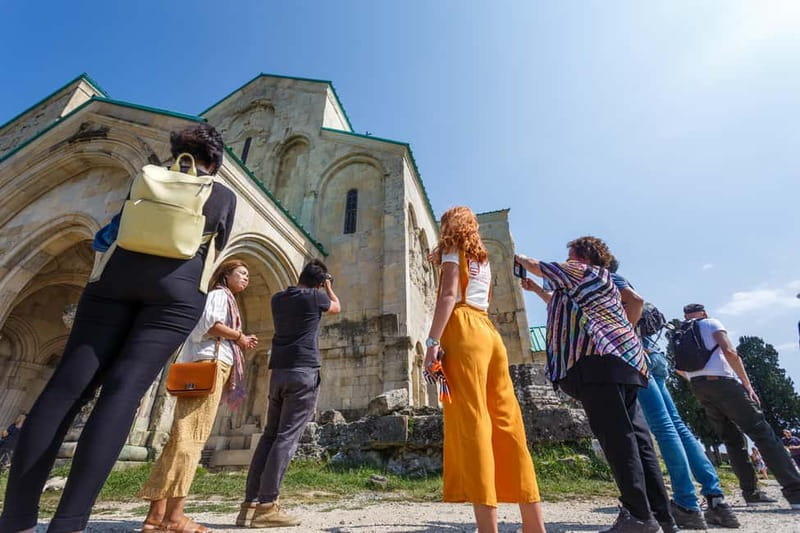
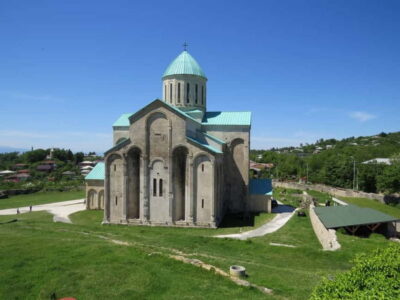
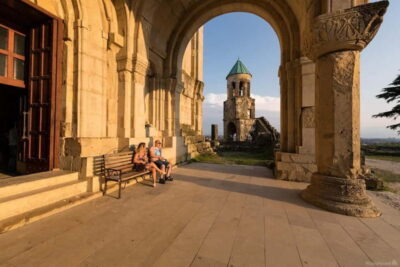
The morning starts by driving up to Bagrati Cathedral, the city’s oldest and biggest church. It was built in the 11th century and is presented as a symbol of united Georgia, which changes how you read the building. You are not just looking at an old church, you are looking at a statement in stone.
What I like about this first stop is the viewpoint. You are above Kutaisi, so the cathedral feels anchored in the landscape even when the details inside are the focus. It is also the kind of stop where a good guide matters, because you will understand what you are seeing once someone explains the meaning of the architecture and the era behind it.
A second practical point: if you care about photos, this is a great opener. Early morning usually gives better light, and the drive-up helps you settle quickly without rushing your first steps.
If you go on a day when roads are slick, this is where careful driving earns its keep. Multiple people mention drivers taking extra care on icy or slippery roads, and that matters because you are going to monasteries and viewpoints that sit on uneven terrain.
Gelati Monastery Complex and the Important Closure Note
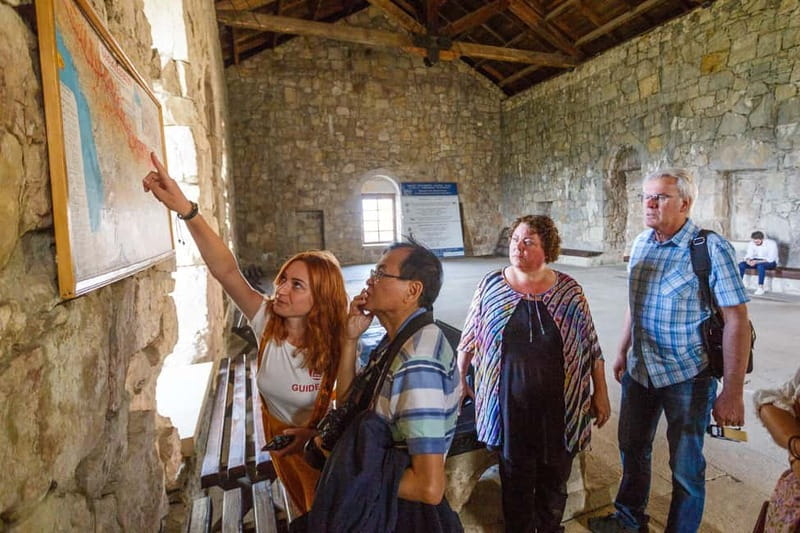
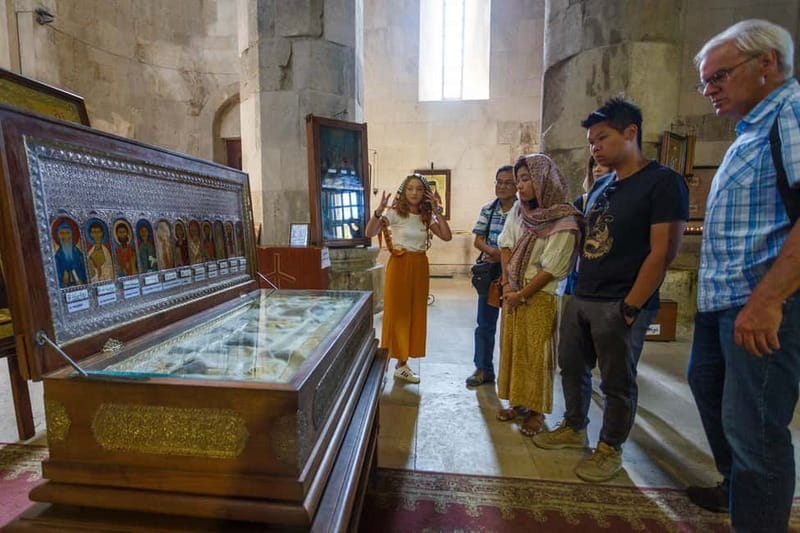
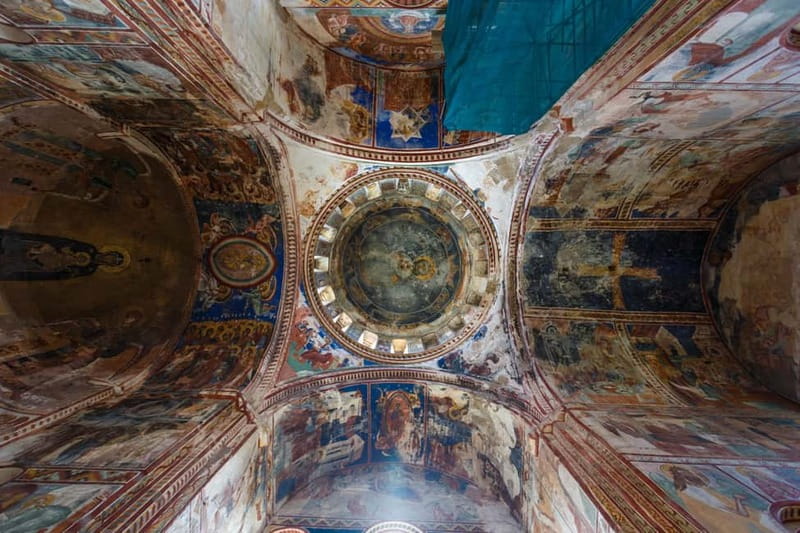
Gelati is the “big name” on many Kutaisi itineraries, and the tour frames it as a 12th-century masterpiece associated with King David the Builder. The monastic complex is described as having three major churches, an academy, the grave of David the builder, a bell tower, and monk houses. In other words, it is not one church. It is a whole system meant to keep learning, worship, and memory all in one place.
Here is the key update you must know before you set your expectations: Gelati monastery is temporarily closed due to renovation. Instead of Gelati, the tour visits Khareba (Kutaisi Holy Annunciation temple) and Mtsvanekvavila temple. This is one of those cases where the title can be slightly misleading, but the tour does not leave you empty-handed.
So what is the real value of Gelati even when you cannot enter it? Your guide can still connect the dots between the concept of a monastic center and what you are seeing at the replacement sites. Khareba and Mtsvanekvavila become more than backups, they are a way to keep the story going without wasting your time.
If you specifically wanted the Gelati complex interiors, you should treat this tour as a culture and architecture morning with planned flexibility, not as a guaranteed Gelati entry ticket. The people who booked with closure in mind seem to have appreciated how the guide still made the day meaningful, including sharing details that explain what Gelati represents historically.
Motsameta Monastery: Cliff Views and a Brother Lords Story
After Gelati’s replacement stops, the tour heads to Motsameta monastery, famous for both its dramatic setting and its human story. It is built on a cliff and is surrounded by the river from three sides, so you get that “built for prayer in an intense place” feeling right away.
The background story ties Motsameta to the narrative of tortured brother lords David and Constantine Mkheidze. Even if you are not deep into Georgian religious history, that kind of story helps you understand why a site might feel emotional, not just scenic. You are looking at architecture in the middle of a landscape shaped by survival, power, and belief.
I also like how the tour emphasizes color and nature around the monastery. Several guides are praised for pointing out what to notice, not just where to stand for a photo. When you are on a cliff edge, that guidance keeps your time safer and more satisfying, especially if wind or slippery patches are present.
One more tip for this stop: plan to slow down. Motsameta is one of those places where you will want a couple of minutes to absorb the view, then another moment to walk around and see the monastery from different angles. The tour pacing typically supports that kind of rhythm, and many bookings mention time for questions and photos.
Other Kutaisi tours and day trips:
Guides and Driving That Turn Sites Into Stories
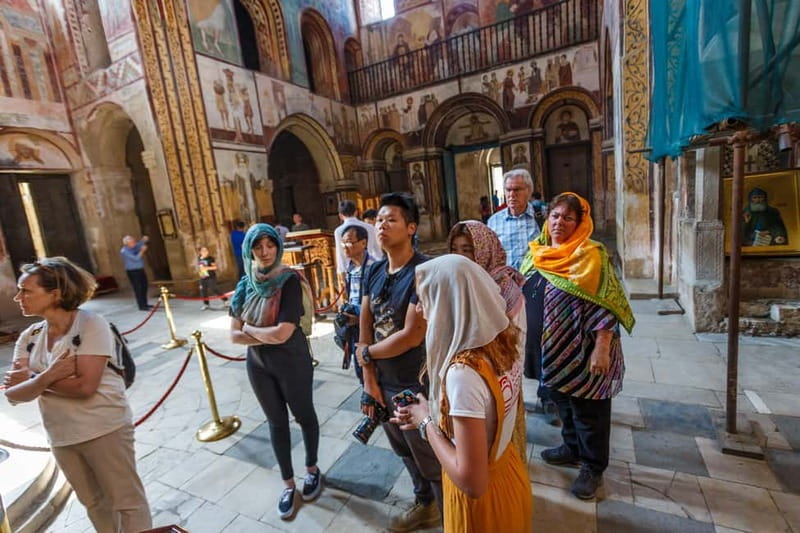
A lot of short tours fail on one thing: the sites get rushed and the guide sounds like a script. This tour is repeatedly praised for the opposite. Guides are described as informed, enthusiastic, funny when appropriate, and genuinely able to answer questions beyond the monuments.
Specific names come up in the guidance quality, including Georgi R., Lasha, Toko, Saba, Tornike, and Ioseb. Different guides, same result: you get explanations that make you understand Georgian traditions and everyday life, not just the church facts.
What I think you will feel most is how questions are handled. People mention guides making time for photos and questions, and that matters when you are trying to connect what you see with what you read online. If you have even basic curiosity, this format tends to pay off because the guide can expand in the moment.
And then there is the driving. Multiple comments highlight that the driver stayed cautious, including safe handling on slippery icy roads. That might sound like background noise, but it is the kind of detail that can make a difference when your day includes roads to elevated church viewpoints.
Dress Code and Etiquette: What to Wear for Monasteries
Monasteries in Georgia follow a dress code, and this tour makes it clear you should show up prepared. For women, that means long dresses and a scarf. For men, it means wearing long pants.
This is not just about avoiding an awkward moment at the entrance. When you dress appropriately, you feel more comfortable inside, and you can focus on what matters: the details, the prayers happening (when relevant), and the stories your guide is sharing.
If you forget something, you might still be able to adjust, but the safest move is to pack a scarf and wear pants that already feel comfortable for walking.
One more etiquette note that can affect your experience: if you go on a Sunday, some churches can have worshippers and liturgy happening. That does not ruin your visit, it changes the atmosphere. You will want to act respectfully and move at the pace of a sacred space.
Price and Value: Why About $21 Makes Sense
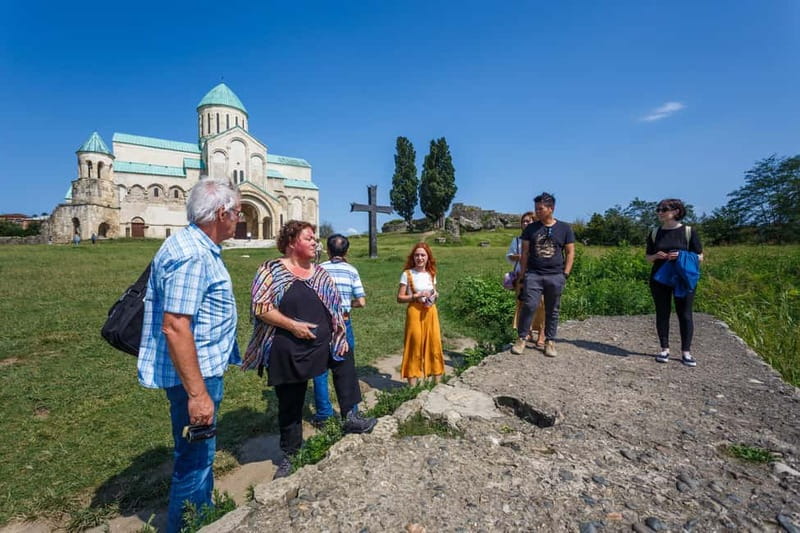
At $21 per person for about 3 hours, this tour is positioned as an affordable way to see major Kutaisi religious sites with guiding and transportation included. The price is low enough that it works as a first-day or second-day plan, not just a “special once” activity.
Here is the value logic I like:
- You get transportation between stops, which removes the biggest friction of doing this solo.
- You get a live English guide, which is where your time becomes richer than sightseeing.
- You see multiple major sites in one morning, so you do not waste half a day figuring out routes and what is worth your attention.
What makes it even better is that the tour appears prepared to run even when small numbers sign up. That means you are more likely to get the structure of a real tour, not a random collection of transfers.
The main trade-off is the Gelati closure. But the tour does not simply cancel Gelati and end it. It adapts with other temple visits, and your guide keeps giving explanations so the morning still has a clear theme.
Who Should Book This Tour
This is a strong fit if you:
- Want a morning plan that includes major churches without a long day commitment
- Like history that connects to real people, not just dates
- Appreciate scenic viewpoints and want help noticing what you are looking at
- Prefer a guide who will answer questions about Georgian culture and everyday life
If you want to treat Kutaisi like a museum day where you control every pace and you can stay in a single location for hours, this might feel short. But if you want a smart, guided circuit that gets you oriented fast, the 3-hour format is ideal.
Should You Book This Bagrati, Gelati, and Motsameta Tour?
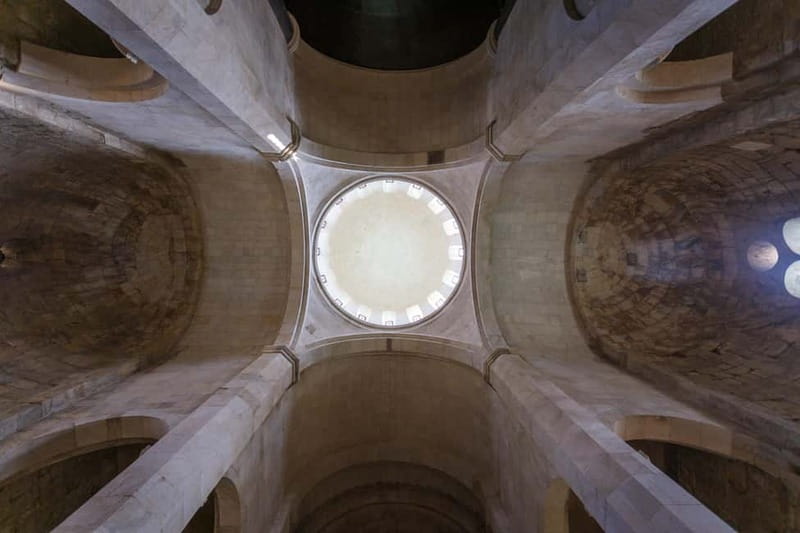
I would book it if you want a practical morning that hits Kutaisi highlights with context. The combination of Bagrati Cathedral’s big-symbol role, the Gelati story even with closure, and Motsameta’s cliff views gives you a satisfying arc in just a few hours.
Book with one expectation set: Gelati monastery itself is temporarily closed, so your day will pivot to Khareba and Mtsvanekvavila instead. If that closure would genuinely upset you, choose another plan. If you can roll with it and you want guidance and meaning more than a single door you must enter, this tour makes a lot of sense for the money.
FAQ
Where does the tour start?
The tour starts at Budget Georgia office in Kutaisi, located between SwissCapital and Andazi shops.
What time does the tour begin and end?
The tour begins at 09:00 and ends at 12:00, finishing at the central square.
How long is the tour?
The duration is 3 hours.
Is the guide available in English?
Yes. The tour includes a live tour guide in English.
What sites are visited, and what happens if Gelati is closed?
The tour includes Bagrati Cathedral, Gelati monastery complex, and Motsameta monastery. Note that Gelati monastery is temporarily closed due to renovation, so the tour visits Khareba (Kutaisi Holy Annunciation temple) and Mtsvanekvavila temple instead.
What is the dress code for monasteries?
Ladies should wear long dresses and a scarf. Men must wear long pants.
Is transportation included in the price?
Yes. Transportation and a guiding service are included in the tour.
Newer trips around Kutaisi
- Okatse Falls, Martvili Canyon and Prometheus Cave
★ 5.0 · 1 review - Private tour from KUTAISI Colourful Tbilisi, Jvari and Mtskheta
★ 5.0 · 1 review - Kutaisi uncorked: Wine Tasting at a local Family Home
★ 5.0 · 1 review - Private tour: Prometheus, Sataplia Caves Bagrati, Gelati
★ 5.0 · 1 review - Kutaisi Airport – Mestia Shared Transfer
★ 5.0 · 1 review - Tbilisi: Subaru Crosstrek 2014-2016, Rent, Self drive
★ 4.0 · 1 review
Gelati & Bagrati UNESCO Monasteries, compared.
Gelati Momastery, Prometheus Cave, Sanatoriums and winetour
Read our review →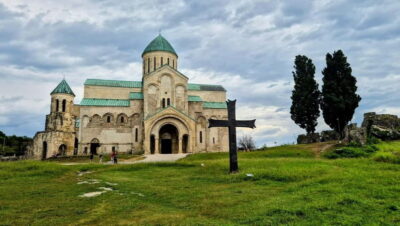
Gelati Monastery, Motsameta Monastery & Bagrati Cathedral
Read our review →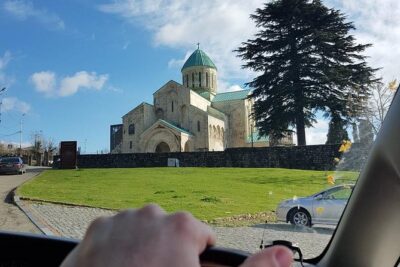
BAGRATI, GELATI & MOTSAMETA Group Tour from Kutaisi
Read our review →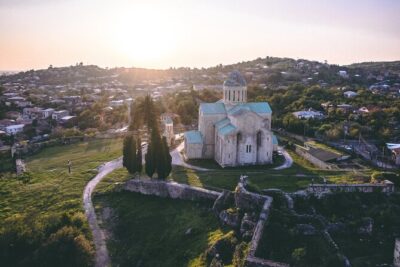
Kutaisi Monasteries: Bagrati, Gelati, Motsameta from Batumi
Read our review →
Kutaisi, Bagrati, and Prometheus Cave Private Trip
Read our review →Browse the lists this tour appears in