
Reviewed · GELATI & BAGRATI UNESCO MONASTERIES
Kutaisi Monasteries: Bagrati, Gelati, Motsameta from Batumi
Three UNESCO monasteries in one focused day. This Batumi to Kutaisi trip stitches together Bagrati and Gelati with Motsameta, set up for real medieval Georgia vibes. I love the tight route, because you see the big icons without wasting half your day stuck in transit. I also like that you get a live guide in English or Russian, so the stories behind the stone actually make sense.
The main thing to consider is time. You have about an hour per main stop, so if you prefer long, slow church visits, you might find the schedule a bit brisk.
In This Review
- Key things I think you’ll enjoy most
- A Day Trip from Batumi to Kutaisi’s UNESCO Monasteries
- Bagrati Cathedral: A Walk Into Kutaisi’s Iconic 11th Century Scene
- Gelati Monastery and King David IV: More Than Just Beautiful Churches
- Motsameta Monastery: The Marwan Story and the Tskaltsitela River
- Small-Group Comfort: Pickup, AC, Wi-Fi, and Up to 3 People
- Price and Value: Is $70 per Person Worth It?
- What to Expect on the Ground: Timing That Shapes Your Visit
- Practical Tips: Clothing, Comfort, and What to Bring
- Who This Kutaisi Monasteries Tour Is For
- Should You Book This Batumi to Kutaisi Monasteries Tour?
- FAQ
- What is the duration of the Kutaisi monasteries tour?
- Where do you get picked up in Batumi?
- How many people are in the group?
- What languages is the live guide available in?
- What monasteries are included in the visit?
- Is Wi-Fi and air-conditioning included?
- Are food and drinks included?
- Are shorts allowed?
- Is the booking refundable if plans change?
Key things I think you’ll enjoy most
- Three UNESCO stops in one day, with photo time and short walks at each site
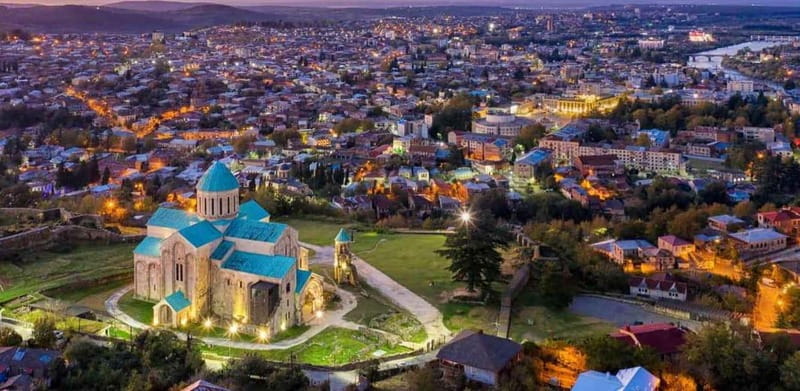
- Bagrati Cathedral as a major 11th-century landmark and an iconic Kutaisi symbol
- Gelati Monastery and King David IV, tied to medieval Georgian learning and power
- Motsameta’s dramatic story linked to the 8th-century invasion and the Tskaltsitela River
- Small-group pace (up to 3 people) plus a guide who can answer questions in English or Russian
Other Gelati and Bagrati monastery visits:
- Bagrati, Gelati & Motsameta monasteries tour★ 4.8 · 79 reviews
- Gelati Momastery, Prometheus Cave, Sanatoriums and winetour★ 4.9 · 58 reviews
- Gelati Monastery, Motsameta Monastery & Bagrati Cathedral★ 4.6 · 53 reviews
- BAGRATI, GELATI & MOTSAMETA Group Tour from Kutaisi★ 5.0 · 39 reviews
A Day Trip from Batumi to Kutaisi’s UNESCO Monasteries
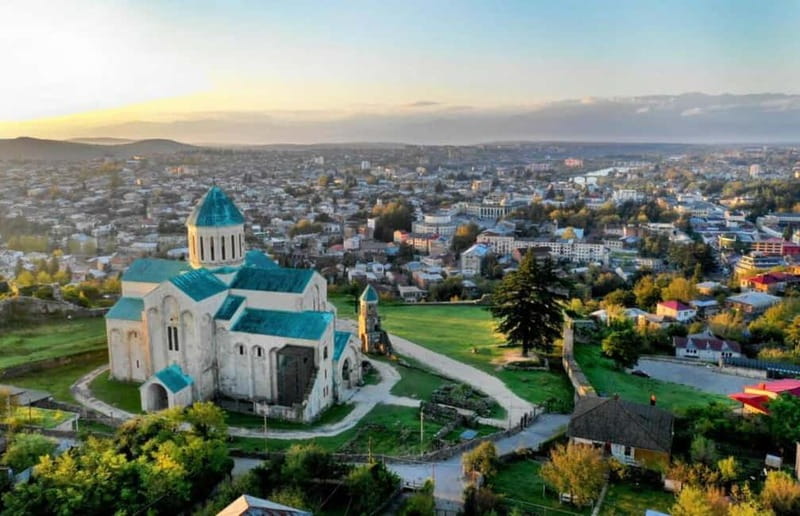
If you’re staying in Batumi and want more than a coast-only trip, this is one of the cleanest ways to get into Georgia’s medieval core. Kutaisi is one of the oldest cities in the world, and this tour is built around the monuments that make medieval Georgia feel real, not abstract.
The format is straightforward: hotel pickup in Batumi, then you head to Kutaisi for three major monastery stops. Each one includes a photo stop, guided context, and time to walk around on your own. You’re back in Batumi at the end of the day, so it works even if you don’t want a full overnight trip.
I like that the day is compact and purposeful. You aren’t trying to “collect” a dozen sights. You’re focusing on three places that connect to the same bigger story: Georgia’s rise, its faith, and what invasions did to the people living there.
Bagrati Cathedral: A Walk Into Kutaisi’s Iconic 11th Century Scene
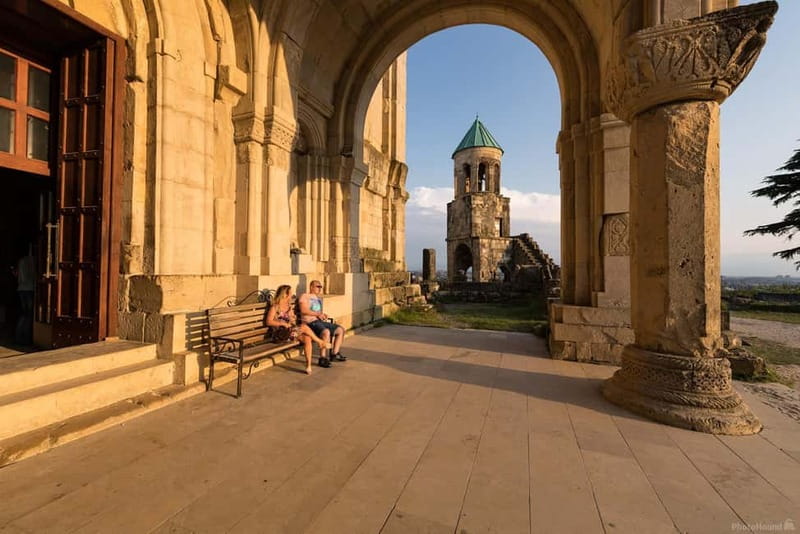
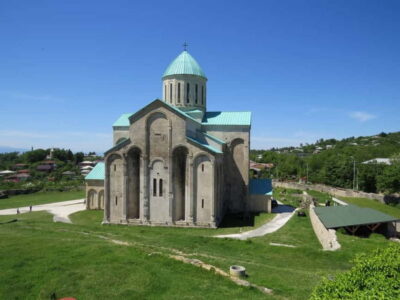
Bagrati Cathedral is your first big wow moment, and it’s not a small one. You get about an hour here, with time for sightseeing, photos, and a walk. Even if you only know it by reputation, this is the kind of landmark that helps you picture medieval Georgian power on the ground.
Built in the 11th century, Bagrati is also a UNESCO World Heritage site and a well-known symbol of Kutaisi. That matters, because you’re not just seeing an old building. You’re seeing a statement of identity, made in stone at a time when medieval Georgia was at a high point of influence and organization.
Practical note: cathedral visits often mean uneven ground and stairs in places. Wear shoes you’re comfortable walking in, because “one hour” goes fast once you start exploring corners and viewpoints.
If you like architecture, you’ll appreciate how the site holds attention even without a long lecture. You can do the self-guided walking part at your own speed, then let your guide fill in the meaning behind what you’re looking at.
Gelati Monastery and King David IV: More Than Just Beautiful Churches
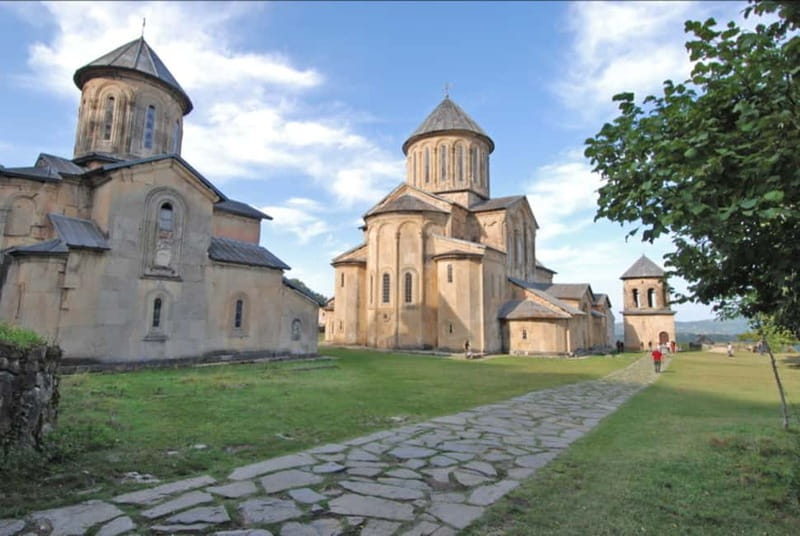
Gelati Monastery is the second UNESCO stop, and it connects directly to one of Georgia’s most important rulers. It’s a 12th-century monastic complex founded by King David IV, and this tour gives you about an hour to visit and soak up the setting.
What I like about Gelati is the way it links spirituality and statecraft. A monastery here wasn’t only a place of prayer. It also represented learning, prestige, and long-term cultural influence. When you understand that, the complex starts to feel like more than scenery. It becomes a system that supported how medieval Georgia thought and built its future.
You’ll get time for photos and walking, plus guided explanations that help you notice details instead of just passing by walls. Use that hour smartly: take a few minutes to look first, then switch into exploration mode. That way your guide’s points land as you’re actually seeing them, not as a recap after you’ve moved on.
Gelati also tends to reward people who enjoy quiet observation. If you step away from the busiest angles, you can often find a slower pace for reading the architectural rhythm and the overall mood of the complex.
Motsameta Monastery: The Marwan Story and the Tskaltsitela River
Motsameta is the emotionally charged stop on this route. You arrive for photo time and a visit, with about an hour total for sightseeing and walking around. The story tied to this place is dramatic, and it changes how you view the site.
This monastery is linked to an 8th-century invasion of Georgia by the Arab ruler Marwan. During that period, two nobles from Argveti were reportedly tortured and their bodies were thrown into the Tskaltsitela River. Hearing this context before you start walking gives you a different lens than just thinking of Motsameta as another monastery.
I appreciate tours that handle history with clarity. Here, you’re not left with vague mentions. You get a specific event and names connected to the setting, so you can connect place and memory.
One consideration: since the subject matter is heavy, it’s a stop where you may need a little mental pacing. If you want to keep the day from feeling too intense, take your time between photo spots, and give yourself a few minutes of quiet before asking questions. That way the story stays meaningful without exhausting you.
Other Batumi tours and Black Sea days:


Small-Group Comfort: Pickup, AC, Wi-Fi, and Up to 3 People
This is a small-group tour, limited to 3 participants. That’s a practical advantage. In a group that small, questions don’t get lost, and you can follow along more easily while you’re moving between sites.
You also get hotel pickup and drop-off in Batumi, including pickup from any specific place you choose. If you’re trying to start your day without stress, that door-to-door convenience is a real value add.
On the comfort side, the vehicle includes air-conditioning and Wi-Fi. On a long day out of Batumi, that matters. You can cool down after the ride, check messages, and keep your plans organized without relying on mobile signal.
Also, this is a guided experience with a live guide in English or Russian. That’s especially helpful here, because the power of this day trip is not only in what you see, it’s in what you understand.
Price and Value: Is $70 per Person Worth It?
At $70 per person for an 8-hour day trip, the value comes down to what you’re buying: transport plus a live guide plus three major sites in a single day.
If you tried to DIY this, you’d still be paying for transport and time. Then you’d have the extra burden of navigating schedules, finding local info on the monuments, and figuring out how much to do at each stop. With a small group and a guide, you get a guided flow that keeps the day from turning into logistical work.
The strongest value points are:
- Three UNESCO sites handled in one itinerary
- Time with a live guide, not just independent audio
- Hotel pickup and drop-off, which saves you more hassle than you might expect
The one thing that isn’t included is food and drink. So you should plan to cover your own meals or snacks. If you budget in a simple lunch or bring water, the day stays smooth.
If your priority is medieval monuments without an overnight schedule, this price is reasonable. If you’re hoping for a long, slow monastery day with extra stops, you might feel the hour limits more. For most people, though, it’s a strong way to get a big cultural impact in one day.
What to Expect on the Ground: Timing That Shapes Your Visit
The itinerary is simple and repeatable: you get about an hour at each of the three main monastery stops, with photo time, sightseeing, and walking. That structure keeps the day focused.
Here’s how I’d think about it once you arrive:
- Use the first part for context: let the guide set the scene, then start walking while the story is fresh.
- Use the middle for looking: pay attention to the architectural details and the layout.
- Use the last part for photos and a final circuit: don’t save everything for the end, or you’ll rush when the light changes.
Between stops, you’ll travel by car. The ride includes scenic views on the way, and that’s a nice break from the concentrated sightseeing. It also helps you recharge a bit before you jump into the next monument.
Practical Tips: Clothing, Comfort, and What to Bring
There’s a clear clothing rule for this activity: shorts are not allowed. That’s not a minor detail. Monasteries often treat dress as part of respect for the place, so plan ahead.
My practical advice:
- Bring long pants or other modest bottoms
- Wear comfortable walking shoes
- Have a light layer, since conditions can change and you’ll be outside for walking time
- Since food and drink are not included, bring water and a small snack plan, especially if you’re sensitive to waiting
Also, remember this is a guided day out, not a free roaming day. You’ll be moving between sites at set times, so travel light for your own comfort.
Who This Kutaisi Monasteries Tour Is For
This tour fits best if you want:
- UNESCO-quality sights without a complex plan
- A guided explanation of medieval Georgia tied directly to what you’re seeing
- A day trip from Batumi that takes you well beyond the coast
It’s also a good match for people who value small groups. Up to 3 participants means you can keep things personal, ask questions, and avoid getting lost in a big crowd.
If you’re someone who loves very slow, detailed museum style visits, you may want to add extra time in Kutaisi on another day. This route is designed to cover the main icons efficiently.
Should You Book This Batumi to Kutaisi Monasteries Tour?
I’d book it if you’re in Batumi and you want a meaningful cultural day that includes three major UNESCO sites, with a live English or Russian guide and comfortable transport. The structure is efficient, the stops are iconic, and the guiding context helps you understand the monuments instead of just photographing them.
I’d hesitate only if your style is slow travel or long inside visits. With roughly one hour per monastery, you have to be ready to move at a steady pace. Also, if you don’t plan to follow the no-shorts rule, you’ll need to sort your outfit before you go.
Overall, for a single day, this is a strong way to experience Kutaisi’s most important medieval layers without turning your trip into a puzzle.
FAQ
What is the duration of the Kutaisi monasteries tour?
The tour lasts 8 hours.
Where do you get picked up in Batumi?
Pickup is included in Batumi, and the provider says they will pick you up at your specific place.
How many people are in the group?
The group is limited to 3 participants.
What languages is the live guide available in?
The live tour guide is available in English and Russian.
What monasteries are included in the visit?
You visit Bagrati Cathedral, Gelati Monastery, and Motsameta Monastery.
Is Wi-Fi and air-conditioning included?
Yes. The vehicle includes Wi-Fi on board and air-conditioning.
Are food and drinks included?
No, food and drink are not included.
Are shorts allowed?
No, shorts are not allowed.
Is the booking refundable if plans change?
The activity offers free cancellation up to 24 hours in advance for a full refund, and there is also a reserve now and pay later option.
Newer trips around Batumi
- Batumi: Exploring Botanical Garden + Family Wine Tasting
★ 5.0 · 1 review - Full Day Tour From Batumi to Waterfalls
★ 5.0 · 1 review - From Batumi: Cook Like a Local – Georgian Culinary Classes
★ 5.0 · 1 review - Batumi: Leather Wallet Workshop with Artisans
★ 5.0 · 1 review - Batumi Mestia Private Transfer (Vice versa)
★ 5.0 · 1 review - Batumi: Private, Delightful Car boat Ride at Black Sea
★ 5.0 · 1 review
Gelati & Bagrati UNESCO Monasteries, compared.
Gelati Momastery, Prometheus Cave, Sanatoriums and winetour
Read our review →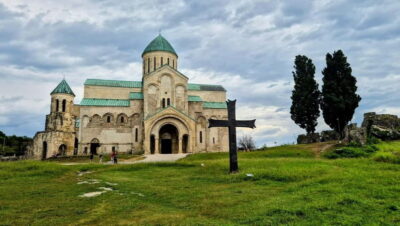
Gelati Monastery, Motsameta Monastery & Bagrati Cathedral
Read our review →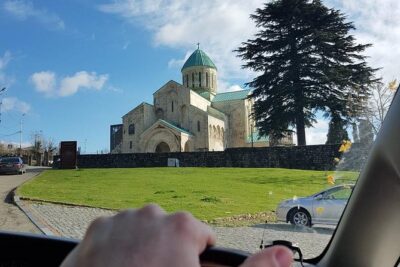
BAGRATI, GELATI & MOTSAMETA Group Tour from Kutaisi
Read our review →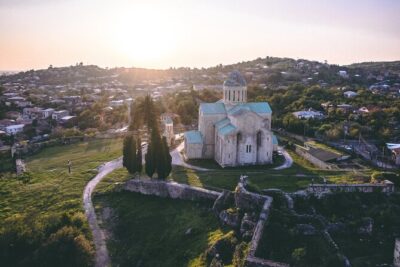
Kutaisi, Bagrati, and Prometheus Cave Private Trip
Read our review →Browse the lists this tour appears in