
Reviewed · GORI & UPLISTSIKHE CAVE TOWN TRIPS
Day tour to Chronicles of Georgia, Gori city, Uplistsikhe cave
Cave streets and Stalin artifacts, in one day. This Uplistsikhe and Gori day trip is a smart mix of ancient rock-cut streets and heavy 20th-century history, capped with the History of Georgia memorial. One thing to consider: the pace can feel tight, and even though English is offered, some departures can run mixed English and Russian explanations.
I like the way the tour keeps things simple: a guide on board with live commentary, plus bus travel that drops you where you need to be. You get a real block of time in Uplistsikhe to walk the main sights instead of doing a photo sprint. Wear grippy shoes though, because cave-town walking means steps and uneven ground.
You return to the same meeting point in Tbilisi after an afternoon of monuments, caves, and quick city stops. Budget a little extra for admissions and meals, because the big site fees are not included in the base price.
In This Review
- Key Highlights You Should Know Before You Go
- Why This Tbilisi Day Trip Really Works
- Uplistsikhe Cave Town: Fortress of the Lord on Real Steps
- Practical advice so you enjoy the walk
- Ticket reality
- Gori and Stalin’s Museum: What 40 Minutes Can Actually Cover
- One tip: go in with a question
- Admission note you should not ignore
- The Chronicles of Georgia Stop: A Monument by Zurab Tsereteli
- What to watch for
- Borjomi Park Stretch: A Nice Break, But Often Too Short
- How the Day Really Feels: Timing, Waiting, and the 8-Hour Promise
- My take on the pacing risk
- Guide Style and the English/Russian Split: When It Helps and When It Hurts
- A name that comes up
- Food and Lunch: What to Expect (and How to Plan Around It)
- Practical approach
- Cost and Value: What $34 Buys You, Plus the Real Budget
- Who gets the best value
- Who Should Book This Tour, and Who Might Be Happier Elsewhere
- Should You Book This Chronicles of Georgia, Gori, Uplistsikhe Tour?
- FAQ
- Where does the tour start and end?
- What time does the tour begin?
- How long is the tour?
- Is the tour offered in English?
- Are the Stalin Museum and Uplistsikhe tickets included?
- What admissions fees should I expect to pay?
- Is this a private tour?
- Can I get a full refund if I cancel?
Key Highlights You Should Know Before You Go
- Uplistsikhe in 2 hours: walk rock-cut streets, theatre, halls, temples, and churches without rushing every meter
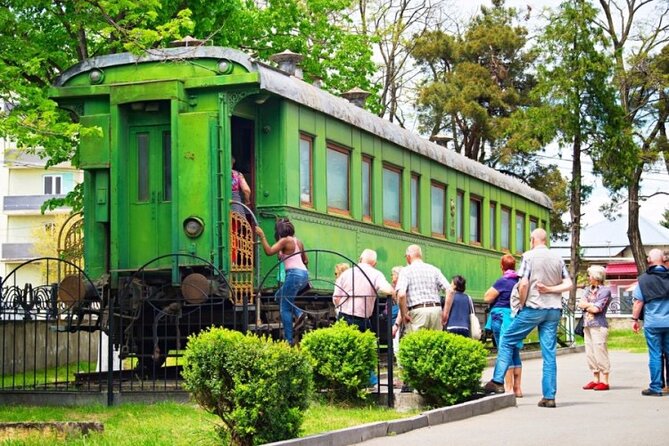
- Gori’s Stalin Museum: 40 minutes for the hut he was born in, an armored railway carriage, and personal items
- History of Georgia memorial stop: a major Zurab Tsereteli sculpture that is still not finished
- Bus comfort with live commentary: guide-led storytelling while you move between sites
- Small-group feel at times: some departures run on compact minibuses, which can make regrouping easier
- Watch the time splits: if groups split by language, you may wait, and the day can run longer
Other Chronicles of Georgia monument trips:
- Tbilisi: Mtskheta Jvari Bazaar, Chronicles of Georgia & Wine★ 5.0 · 1,088 reviews
- Tbilisi:Mtskheta,Jvari,Bazaar,wine tasting,Chronicles of Georgia★ 5.0 · 730 reviews
- Tbilisi: The Chronicles of Georgia, Jvari & Mtskheta Tour★ 5.0 · 307 reviews
- Mtskheta-Jvari-Uplistsike-Chronicle of Georgia, PRIVATE Trip★ 5.0 · 105 reviews
Why This Tbilisi Day Trip Really Works
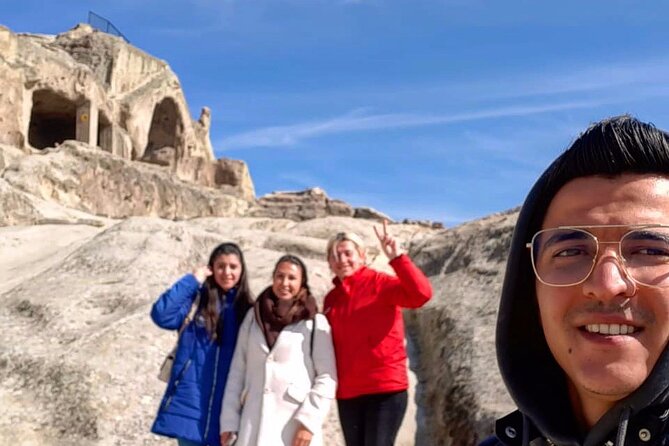
This is one of those Georgia days that feels like three different time periods stacked into a single route. You start with an ancient cave fortress, then switch gears to Stalin-era artifacts in Gori, then end with one of the biggest modern monuments in Tbilisi.
The value is the draw. For around $34, you’re paying for bus logistics, live guide commentary, and all taxes and handling. Then you choose how much extra you spend at the sites. If you’ve got limited time in Tbilisi and you want more than one headline stop, this hits the brief.
The main tradeoff is pacing. With a cave town that takes walking and a museum with limited time, you’re moving on a schedule. And if English and Russian groupings happen at the same time, it can create waiting.
Uplistsikhe Cave Town: Fortress of the Lord on Real Steps
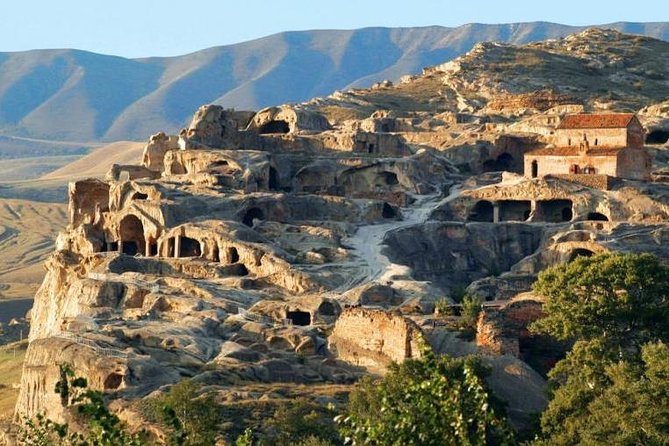
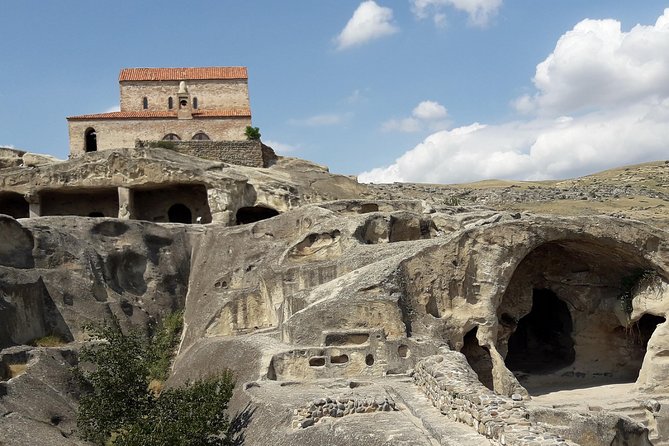
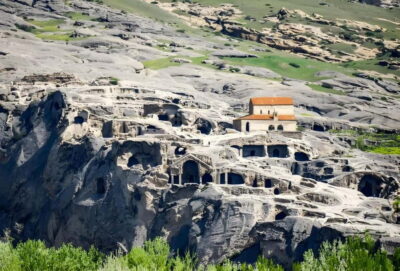
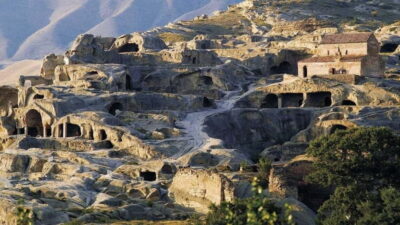
Uplistsikhe, often called Fortress of the Lord, sits on a rocky massif above the Mtkvari River. The site goes back to I to II millennium B.C., and in Hellenistic and late Antique times it was a major religious, political, and cultural center.
What you do there is the point. You walk through ancient streets that are literally carved into rock, with stops along the way that help you picture how people lived. The highlights include a rock-cut theatre, royal halls, a pharmacy, pagan temples, and Christian churches. You also see remains tied to daily life, like granaries and large clay wine vessels.
Practical advice so you enjoy the walk
This is not a flat stroll. Even in good weather, expect steps and uneven surfaces. In December, it can feel bracing, so I’d bring layers you can stand in while waiting and still move comfortably once you’re walking. Good grip shoes matter.
The tour allots about 2 hours at Uplistsikhe. That’s usually enough to follow the main sights at a calm pace, then slow down for the viewpoints and the details that only show up when you’re not rushing.
Ticket reality
Uplistsikhe’s admission is listed as 15 GEL and is not included in the base price. I’d plan to pay that on the spot so you don’t have to scramble right when you arrive.
Other Gori and Uplistsikhe cave-town trips:
Gori and Stalin’s Museum: What 40 Minutes Can Actually Cover
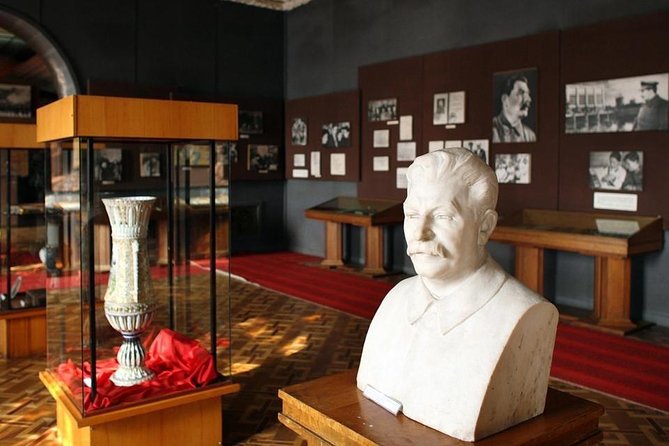
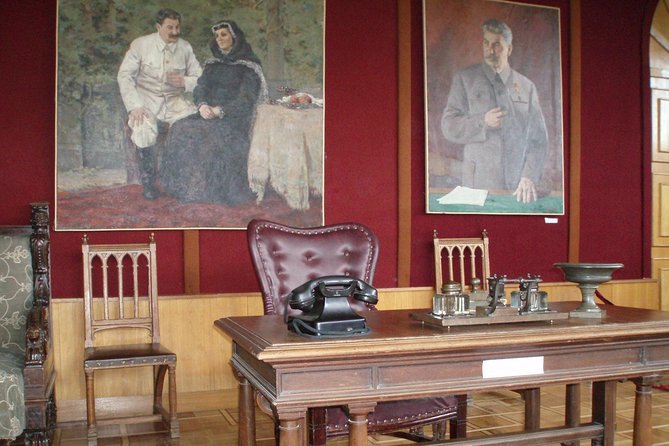
Gori is where Georgia’s 20th-century history gets sharply personal. The Stalin Museum focuses on Joseph Stalin, who was originally Georgian and led as secretary general of the Communist Party during World War II. The collection is not just general panels. It’s built around objects tied directly to him.
In the museum you can expect:
- Stalin’s house, described as a hut where he was born
- An armoured railway carriage
- A statue that was controversially in the main square up until 2010
- Personal items, office furniture, and gifts made for him
- A lot of documentation through photos, paintings, and newspaper articles
The allotted time is 40 minutes. That is both good and limiting. Good, because you’ll still leave feeling like you saw something concrete. Limiting, because you won’t have the luxury to read every item slowly. If you want to go deep into one section, you’ll need to choose where to focus.
One tip: go in with a question
Before you enter, ask yourself what you want from this museum: the personal story, the propaganda angle, or the machinery of power. That mindset helps you use the time you have.
Admission note you should not ignore
The itinerary text shows the museum as free for the 40-minute slot, but the pricing details list a 15 GEL fee for the Stalin Museum. To avoid any awkward moment at the desk, I’d keep a few bills handy. Budget for it just in case.
The Chronicles of Georgia Stop: A Monument by Zurab Tsereteli
This quick city stop is easy to skip if you’re the type who only chases old churches and medieval forts. I get it. But it’s worth the detour because it’s scale and attitude, not just architecture.
The History of Georgia memorial is part of the Chronicles of Georgia ensemble. The monument was created by Tbilisi sculptor Zurab Tsereteli and took 20 years to build. One of the most striking details is that it is not finished yet, with elements still missing and the master’s tools left waiting for the long-awaited finale.
The tour time here is about 40 minutes, and admission is listed as free. That means you get enough time to walk around, take in the big forms, and then head back before you start feeling rushed.
What to watch for
Don’t treat it like one stop photo. Walk a bit and change your viewpoint. These kinds of sculptures are designed to hit differently as you move. If you’re already warm from the earlier sites, bring water and keep it easy on yourself during this stop.
Borjomi Park Stretch: A Nice Break, But Often Too Short
Your day may also include a stop in Borjomi Park. The tour’s pricing details list a Borjomi Park 2 GEL admission fee, so it’s clearly part of how at least some departures are run.
This is the part of the day that tends to be the “time math” test. Some people find Borjomi enjoyable as a break, with a short walk in the park. But if you’re hoping for a long nature break or you want to do everything possible, the time can feel tight.
One practical way to handle this: treat Borjomi as a reset, not as a full day destination. If you want more, plan a separate half day or day trip on a different day.
Also, if you see an option like a cable car while you’re there, remember you might not have the time. The main priority of your schedule is getting back to Tbilisi without turning the whole day into a sprint.
How the Day Really Feels: Timing, Waiting, and the 8-Hour Promise
The tour is listed at 8 hours (approx.), starting at 9:00 am. That sounds tidy on paper. In practice, it can feel smooth when everything runs on time, and it can feel long if the schedule slips.
The biggest timing variable is how the group is managed during the museum stop. There can be a split by language, with different guides at the museum. If one subgroup takes longer, the rest can end up waiting for the bus regroup. That waiting is what turns an already full day into an exhausting one.
My take on the pacing risk
If you want a relaxed day, you should mentally prepare for the tour to be structured and time-driven. You can still enjoy it, but the schedule won’t bend for curiosity stops.
A good strategy is to pack your energy like you’re hiking: snack ready, water nearby if you bring it, and a plan to use your time well rather than trying to cover everything.
Guide Style and the English/Russian Split: When It Helps and When It Hurts
The tour includes live commentary on board and is offered in English. The reality on the ground can be more mixed. Some departures run both English and Russian, and that can create two issues.
First, you may hear repeated explanations. If you’re trying to sleep on the bus or you simply want quieter travel time, double-language commentary can be tough.
Second, regrouping can get messy. When one language group moves slower inside a museum, the bus team still needs to pick everyone up together.
A name that comes up
In at least one account, the guide Levani was praised for being lively and for sharing lots of information in English on the bus. That kind of guide can make the riding time feel like part of the experience rather than a delay.
Still, the safe move for you is to assume the tour works best when you’re flexible. If you’re the type who wants exactly one language and a very precise time window at each stop, you might find this day tour challenging.
Food and Lunch: What to Expect (and How to Plan Around It)
Food and drinks are listed as not included unless specified. But in reality, most day trips like this build in time for lunch, either near the cave complex or during the Gori stretch.
The lunch quality seems to swing. Some people describe a local meal in the Gori area as tasty, with a highlight suggestion of Adjarian khachapuri. Others feel the restaurant stop was average or not great, especially when they were tired and hungry after waiting or rushed transitions.
Practical approach
Bring a small snack for buffering energy dips. Then treat lunch like a bonus if it’s good, and like a reset if it’s not. If you see Adjarian khachapuri on the menu, it’s a solid bet for Georgia comfort food.
Cost and Value: What $34 Buys You, Plus the Real Budget
At $34 per person, you’re paying for:
- bus travel
- live guide commentary
- all taxes, fees, and handling charges
Then the main site admissions are extra. The pricing details list:
- Uplistsikhe cave town: 15 GEL
- Stalin Museum in Gori: 15 GEL
- Borjomi Park: 2 GEL
If you add those up, the admissions portion is about 32 GEL total, before any food or drinks.
Who gets the best value
You’ll feel the value most if:
- you want multiple “must-see” stops without coordinating transport yourself
- you don’t mind group pacing
- you’re comfortable with paying site fees on arrival
If you only care about one or two stops, the math can be less flattering. In that case, it may be more efficient to focus on Uplistsikhe and Gori and skip the extra city and nature segments.
Who Should Book This Tour, and Who Might Be Happier Elsewhere
This tour suits you if you:
- want a one-day sweep of ancient + modern Georgia
- like guided explanations while traveling
- don’t mind some walking and steps at Uplistsikhe
- want a structured day that returns you to Tbilisi
I’d think twice if you:
- hate schedules and waiting
- need quiet time on the bus
- have low tolerance for split-language group management
- want long hours in one location instead of a “see the highlights” plan
Also, Uplistsikhe is not built for everyone. One account specifically notes it’s not ideal if you can’t climb over uneven ground and up steps. Even if you’re mobile, go slowly and take breaks if needed.
Should You Book This Chronicles of Georgia, Gori, Uplistsikhe Tour?
If you want a high-impact day and you’re okay with group pacing, I think this tour is an easy yes. The mix is compelling: Uplistsikhe’s carved-in-rock atmosphere, the sharply framed Stalin Museum stop in Gori, and the History of Georgia memorial by Zurab Tsereteli give you three very different kinds of Georgia, all within one route.
My main recommendation is practical. Bring some cash for admissions, expect stairs at Uplistsikhe, and mentally plan for the day to be full. If you’re sensitive to delays or language juggling, choose your expectations carefully. Done right, this is the kind of day trip that turns a limited Tbilisi stay into a bigger story.
FAQ
Where does the tour start and end?
It starts at 44 Kote Afkhazi St, Tbilisi 0105, Georgia and ends back at the same meeting point.
What time does the tour begin?
The start time is 9:00 am.
How long is the tour?
It runs for about 8 hours.
Is the tour offered in English?
Yes, the tour is offered in English, and it includes live commentary on board.
Are the Stalin Museum and Uplistsikhe tickets included?
No. Admission fees for the Stalin Museum and Uplistsikhe cave town are listed as not included.
What admissions fees should I expect to pay?
The listed fees are 15 GEL for the Stalin Museum and 15 GEL for Uplistsikhe cave town, plus 2 GEL for Borjomi Park.
Is this a private tour?
It is listed as a private tour or activity, meaning only your group participates.
Can I get a full refund if I cancel?
Yes. You can cancel up to 24 hours in advance for a full refund.
Newer trips around Tbilisi
- Tbilisi Private Dinner: Georgian BBQ & Fireplace
★ 5.0 · 1 review - Tbilisi: Khinkali Tasting Lunch with Local Drinks and Pickup
★ 5.0 · 1 review - Day trip in Kakheti-wine tour
★ 5.0 · 1 review - Tbilisi & Mtskheta bus tour hop on hop off
★ 5.0 · 1 review - Tbilisi: Christmas Market & Hidden Gems Guided Walking Tour
★ 5.0 · 1 review - Stalin’s Secrets: An Underground Journey Through History
★ 5.0 · 1 review
Gori & Uplistsikhe Cave Town Trips, compared.
Mtskheta, Jvari, Gori and Uplistsikhe Day Tour
Read our review →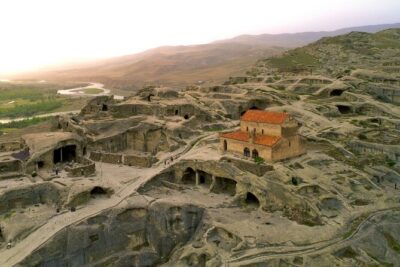
Mtskheta, Jvari, gori, uflistsikhe, history and panorama (group tours)
Read our review →Browse the lists this tour appears in