

Reviewed · WORKSHOPS
From Batumi: Cook Like a Local – Georgian Culinary Classes
A great Georgian meal starts with real wine know-how. This half-day class from Batumi turns winemaking traditions into something you can taste, then into dishes you cook yourself.
I especially like the focus on Qvevri winemaking, with a guided look at those clay vessels and how they shape the wine. I also like that you get practical cooking time on iconic dishes, finishing with the kind of shared table meal Georgians are known for.
One possible drawback: it is a short 4-hour experience, so if you want a long, slow food day with lots of free time, this format may feel a bit tight.
In This Review
- Key highlights to look for
- A half-day Georgian food lesson just outside Batumi
- Qvevri winemaking: the underground clay secret
- From vineyards to the kitchen: cooking Adjarian Khachapuri
- Khinkali practice and the traditional dessert finish
- The feast part: eat what you made, drink what you learned
- Price and value for $88 per person
- Languages, private group timing, and what that means for planning
- Who this Georgian culinary class suits best
- Should you book Cook Like a Local from Batumi?
- FAQ
- Where is this Georgian cooking experience located?
- How long is the experience?
- How much does it cost?
- What cooking dishes are included?
- Is wine tasting included?
- What else is included besides cooking classes?
- Is this a private group?
- What languages is the guide available in?
- What is the cancellation policy?
- Is there a way to book without paying right away?
Key highlights to look for
- Qvevri explained in plain language, with the role of underground clay vessels tied directly to flavor
- Three cooking wins: Adjarian Khachapuri, Khinkali, and a traditional dessert
- Included wine tasting plus dinner, so you are not paying extra for the best parts
- Private group feel, with a live guide available in multiple languages
- Vegetarian handled smoothly based on a family experience where one person did not eat meat
Other Batumi tours and Black Sea days:
- Batumi: Wine & Dine Tour To Waterfalls – Mountainous Adjara★ 4.9 · 363 reviews
- From Batumi: Martvili Canyon and Prometheus Cave Tour★ 4.8 · 313 reviews
- Batumi: Mtirala ATV, Buggy Maverick & Horse Riding Adventure★ 4.8 · 213 reviews
- The Best Tour From Batumi★ 5.0 · 108 reviews
A half-day Georgian food lesson just outside Batumi
If you are basing yourself in Batumi, this is the kind of day trip that feels efficient but not rushed. The drive is about 40 minutes from Batumi to Adjara, where the scenery stays wine-focused, and the day flows from vineyard storytelling to kitchen work.
The structure is simple and smart: first you learn how Georgian wine works, then you use that same cultural context while cooking food that matches the rhythm of a Georgian table. For many people, that is the difference between eating well and actually understanding what you are eating.
Also, the “private group” setup matters. Even if you are coming with friends or family, you get a guide actively working with your group, rather than feeling like one more face in a large crowd. That tends to make the food part feel less intimidating.
The only catch is time. Four hours is enough to learn, cook, and eat well, but it is not enough to become a full Georgian chef. Go in with the right mindset: you’re learning key techniques and eating what you make.
Qvevri winemaking: the underground clay secret
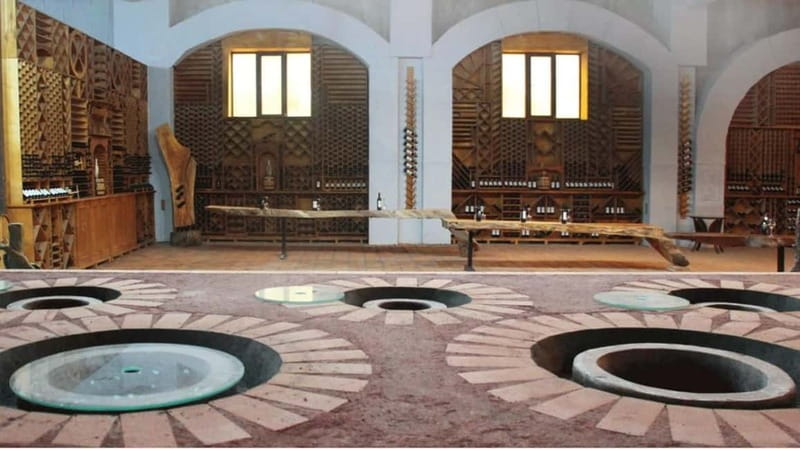
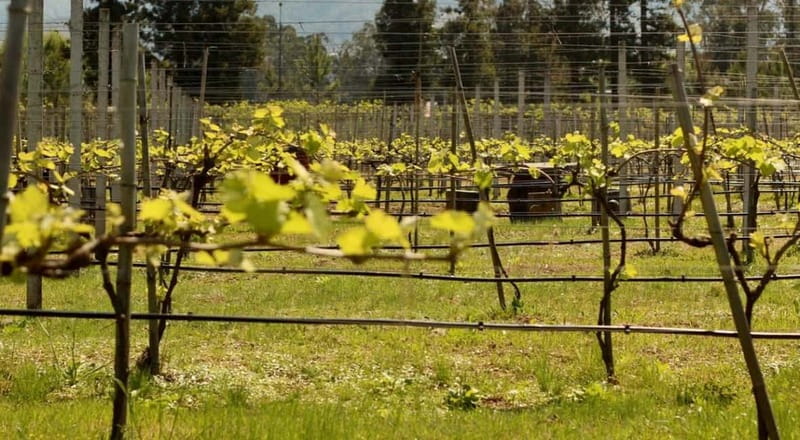
The day starts with a guided exploration of Georgian winemaking traditions, centered on Qvevri. These are large clay vessels buried underground, and the whole point is how they affect the wine. Instead of treating wine as magic, the guide connects the process to the final flavor you will taste later.
What I like about this approach is that it gives you a framework before you eat. When you understand that the vessel itself is part of the process, you taste with more curiosity. Even if you are not a wine person, you can still appreciate the idea that tradition is not just decoration. It changes the product.
Expect vineyard time before the kitchen. It sets a sense of place, and it also makes the winemaking talk feel grounded. You are not learning in a classroom and then eating somewhere unrelated. The learning leads directly into a meal and a tasting.
Practical tip: if you are sensitive to strong smells, know that wine and fermentation-related aromas are part of the conversation. It is not unpleasant, just intense, and it helps to approach it like part of the craft.
From vineyards to the kitchen: cooking Adjarian Khachapuri
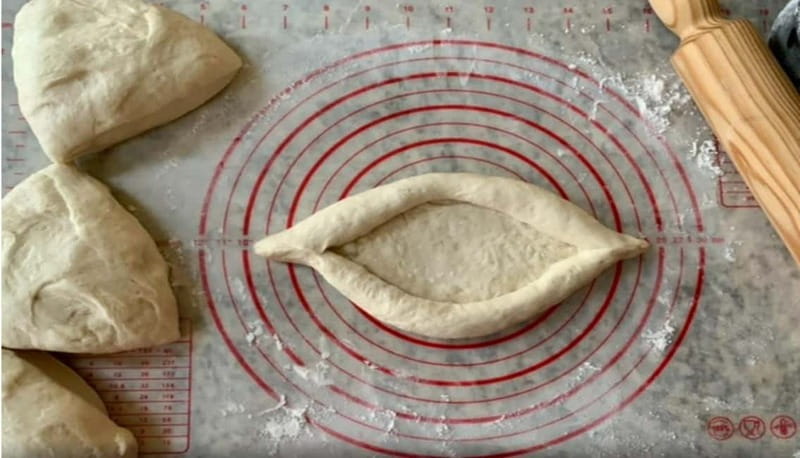
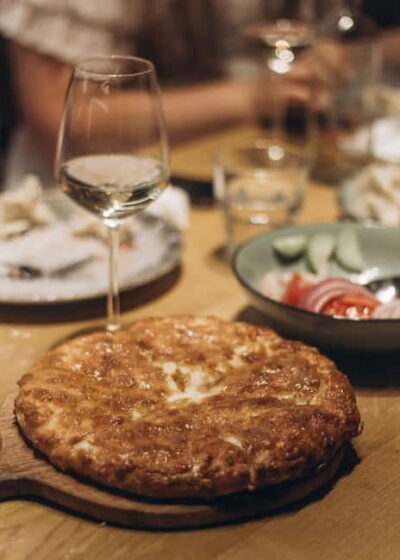
Once the winemaking story lands, you shift to the heart of a local kitchen and the focus becomes cooking. The centerpiece is Adjarian Khachapuri, the famous Georgian cheese bread with a very specific style.
This is one of the best parts of the experience for first-timers. Why? Because Khachapuri is easy to recognize, yet hard to replicate at home without technique. During the class, you get to work the process rather than just watching someone else do it. That hands-on time is where most people feel the value, because you leave with more than memories. You leave with skills you can repeat.
You can also think of this dish as an anchor. It ties into the wine theme in an everyday way. Georgian cuisine tends to follow the logic of the table: bread first, then dumplings and sides, then a sweet finish. This class uses that flow, so even if you are not comparing “regional versions,” you still get the authentic rhythm.
One more good sign from a family experience: the kitchen did not turn complicated for a vegetarian in the group. If you are cooking and eating together, that matters. You want the meal to stay welcoming, not awkward.
Khinkali practice and the traditional dessert finish
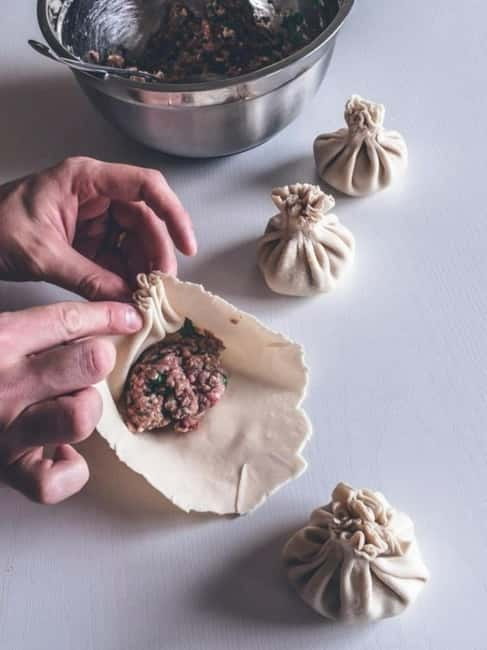
After Khachapuri, the class moves to Khinkali, the beloved Georgian dumplings. The focus here is mastering the art of making flavorful Khinkali, which usually means working dough and filling technique and learning how to shape them correctly. Even if you do not nail every detail on the first try, you learn what to watch for.
For many people, Khinkali is the moment when the class stops being a “tour” and starts being a real cooking experience. It is tactile food, and shaping dumplings forces you to slow down and pay attention. That attention is part of why the meal feels earned.
Then comes dessert, described as a traditional Georgian sweet. The key point for you is that the class does not end with the savory dishes. It closes with a dessert you can taste right after learning, so the whole day feels like one continuous Georgian course arc.
If you like food days where you get to both learn and eat, this format is strong. You are cooking three classic parts of the Georgian table, and you are not stuck with just a snack or a single dish.
Still around Batumi? These come up often:


The feast part: eat what you made, drink what you learned
The highpoint is the table moment, when you gather together and enjoy the food you prepared. The experience is designed around that shared meal, not just cooking for cooking’s sake.
This is where the wine and food connection pays off. You start with Qvevri winemaking concepts, then you cook Georgian specialties, then you taste and eat them in the same cultural setting. It makes the day feel cohesive. Instead of treating wine, then food, then dessert as separate attractions, everything feels like one story about Georgian hospitality.
Also, the group experience tends to be relaxed. One review described the guide as kind and informative, and that vibe matters at a cooking table. A friendly guide helps you focus on technique without pressure. It is easier to learn when you do not feel judged for getting your dumpling folds slightly imperfect.
What you get with the class also supports the value. Included in the price are the cooking classes, winetasting, dinner, transportation, and a live guide.
Price and value for $88 per person
At $88 per person for a 4-hour class, this is not a bargain-basement activity. But it is also not overpriced when you compare what’s included. You are paying for:
- Transportation from Batumi
- Winemaking context plus wine tasting
- Cooking instruction for multiple dishes (Khinkali, Adjarian Khachapuri, dessert)
- A live guide
- Dinner, built from what you cook
That package is why the value works for many visitors. Cooking classes often charge for instruction, but the included meal and tasting turn it into a full half-day experience. You are not buying a dry demo and then paying again to eat.
A good way to decide if the price fits you: ask what you would pay in your own city for a guided food workshop plus a real meal afterward. If you enjoy structured food experiences and want to take something home in your head and hands, the cost can feel fair.
If you only want a quick taste of wine or a quick snack, you might feel this is more than you need. In that case, consider simpler tastings and skip the cooking.
Languages, private group timing, and what that means for planning
The guide is available in English, Russian, Hebrew, Arabic, and Turkish. That language coverage is useful because cooking is easier when instructions are clear. It also helps if you travel with a mixed-language group.
Timing is straightforward. The duration is 4 hours, and starting times depend on availability. Since you are traveling from Batumi, the schedule should fit cleanly between beach time and evening plans.
Private group means you are not competing for attention. It’s also often better for families, since kids and adults tend to need different amounts of guidance. One family of six with one vegetarian specifically reported that it was handled without trouble, and that planning was done beforehand. That is the kind of stress you want to avoid when you are booking a food activity.
Practical tip: if you have dietary preferences beyond vegetarian, the data here does not confirm how those are handled. It is smart to message in advance so the kitchen can plan confidently.
Who this Georgian culinary class suits best
This works best if you want a hands-on cultural experience, not just a meal.
You’ll probably enjoy it if:
- you like learning how food connects to local traditions
- you want to cook Georgian classics like Khinkali and Adjarian Khachapuri
- you care about wine culture and want the Qvevri story explained before tasting
- you travel as a family or with friends and want a private feel
You might skip it if:
- you want a lot of free time and wandering between stops
- you dislike cooking or prefer a purely observational experience
Should you book Cook Like a Local from Batumi?
I think it’s a great choice if you want a compact day that delivers real skills and a satisfying meal. The strongest reasons to book are the combination of Qvevri wine education with hands-on cooking, plus the fact that dinner is included and the format supports at least one vegetarian in a family setting.
Book it if you enjoy structured, guided food days and you want to leave with the taste of Georgia, not just photos. If you are mainly looking for a quick wine tasting or a slow countryside stroll, you may find the cooking focus shifts the center of gravity.
FAQ
Where is this Georgian cooking experience located?
It takes place in Adjara, Georgia, about 40 minutes from Batumi.
How long is the experience?
The experience lasts 4 hours.
How much does it cost?
The price is $88 per person.
What cooking dishes are included?
The cooking classes include Khinkali, Adjarian Khachapuri, and a traditional desert.
Is wine tasting included?
Yes. Winetasting is included.
What else is included besides cooking classes?
Included items are transportation, winetasting, the cooking classes, the guide, and dinner.
Is this a private group?
Yes. The experience is listed as a private group.
What languages is the guide available in?
The live guide is available in English, Russian, Hebrew, Arabic, and Turkish.
What is the cancellation policy?
Cancellation is free up to 24 hours in advance for a full refund.
Is there a way to book without paying right away?
Yes. There is a reserve now & pay later option where you can book your spot and pay nothing today.
Newer trips around Batumi
- Batumi: Exploring Botanical Garden + Family Wine Tasting
★ 5.0 · 1 review - Full Day Tour From Batumi to Waterfalls
★ 5.0 · 1 review - Batumi: Leather Wallet Workshop with Artisans
★ 5.0 · 1 review - Batumi Mestia Private Transfer (Vice versa)
★ 5.0 · 1 review - Batumi: Private, Delightful Car boat Ride at Black Sea
★ 5.0 · 1 review - 4 days tour from Batumi to the far east
★ 5.0 · 1 review
Workshops, compared.
Georgian Cooking Class with Khinkali and Khachapuri
Read our review →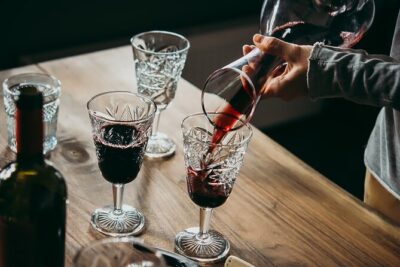
Small-Group Khinkali and Khachapuri Cooking Class in Tbilisi
Read our review →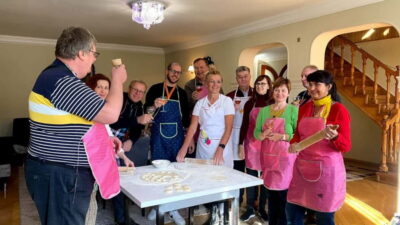

Taste of Kakheti: Wine Tour Bread Baking & Churchkhela Workshop
Read our review →
Nana’s Kitchen – traditional Georgian cooking class at real Georgian family home
Read our review →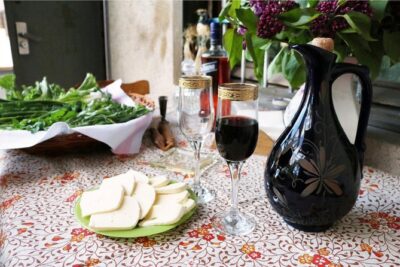
Join a Local for a Market Tour, Cooking Class and Meal in her Tbilisi Home
Read our review →

Browse the lists this tour appears in