

Reviewed · CHIATURA & TSKALTUBO SOVIET TRIPS
Tbilisi: The Urbex and Soviet Tour of Tbilisi
Concrete ghosts still roam Tbilisi. This tour is about Soviet Brutalism in the real neighborhoods of Tbilisi, with photography-first stops like the Chronicle of Georgia and the Skybridge area. What I like most is the mix of decaying concrete and still-functioning Soviet infrastructure, plus the way guides like Giorgi, David, and Temo connect the buildings to everyday life. One thing to keep in mind: some places are restricted, so you may have to view parts from outside only.
I love that it’s built for people who want something beyond the usual old-town postcard route. You spend your time away from the historical center, spotting refurbished concrete giants and other long-forgotten leftovers, then you get context that makes the shapes make sense. With a small group (max 10) and an English-speaking guide, it moves at a human pace for a half-day.
Practical note: it’s 5 hours, and food and drinks are not included, so plan on water and a basic snack strategy. If you’re sensitive to crowds or you hate waiting in traffic, tell yourself you’re choosing a niche tour in a city where getting from block to block takes time.
In This Review
- Key Things to Know Before You Go
- Why Soviet Brutalism in Tbilisi Feels Different
- The 5-Hour Route: From Avlabari to Concrete Landmarks
- Underground Printing House Museum: Stalin’s Paper Factory Vibe
- The Chronicle of Georgia Monument: Photo Stop With Real Meaning
- Bank of Georgia Exterior: Concrete Professionalism
- Tbilisi Skybridge: Brutalist Housing Giants and Practical Views
- The Surprise Stop: A Less-Touristy Soviet Corner
- Photography Tips for Concrete, Decay, and Brutalist Angles
- Price and Value: Is $54 Worth a Soviet Architecture Day?
- What to Expect on the Ground, Restrictions Included
- Who Should Book This Tour, and Who Might Skip It
- Should You Book the Soviet Urbex and Brutalist Tbilisi Tour?
- FAQ
- How long is the tour and what does it cost?
- Where do I meet the guide?
- How big is the group?
- What is included in the price?
- Is food or drinks included?
- Is Stalins Printing House included on weekends?
- Is there a cancellation or pay-later option?
Key Things to Know Before You Go
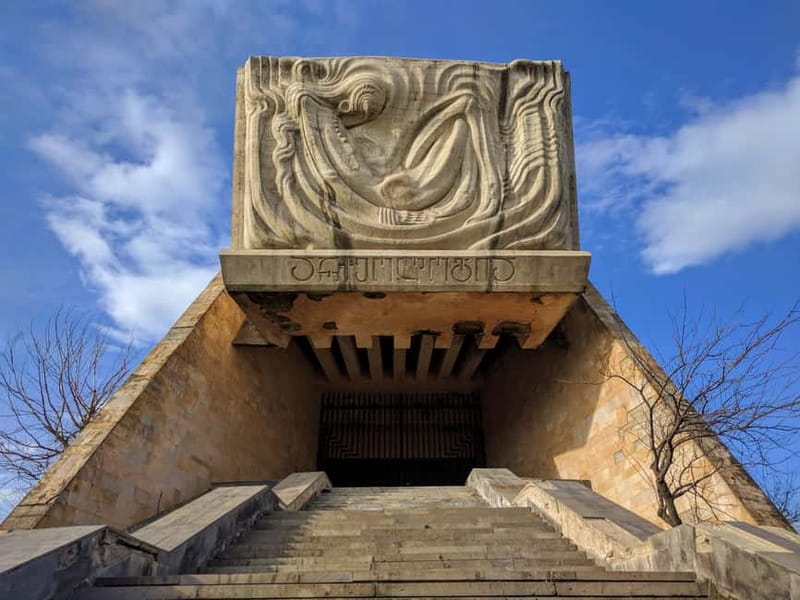
- Small group, big photo energy: You get time at each stop for pictures and questions.
- Soviet infrastructure you can still use: This isn’t just monuments, it’s buildings tied to daily city life.
- Brutalist architecture, both refurbished and decayed: You’ll see contrast, not one mood.
- English guidance that connects buildings to lived experience: Guides like Giorgi and David are praised for context and conversation.
- Some sites are view-only: Expect restricted areas and outside-only viewing in places.
- Weekday vs weekend museum swap: Stalins Printing House is for Mon to Fri; weekends include the Car Museum option.
Other Chiatura and Tskaltubo Soviet-era trips:
- 1 Day Private Armenia: UNESCO, Soviet & Curated Family Lunch★ 5.0 · 106 reviews
- Tbilisi old town & soviet heritage – Private driver-guided Tour★ 5.0 · 83 reviews
- Brutalist Tbilisi: Urban exploration and untold stories★ 5.0 · 82 reviews
- Armenia: 1 Day Soviet gems, UNESCO + Family lunch (Small group)★ 5.0 · 68 reviews
Why Soviet Brutalism in Tbilisi Feels Different
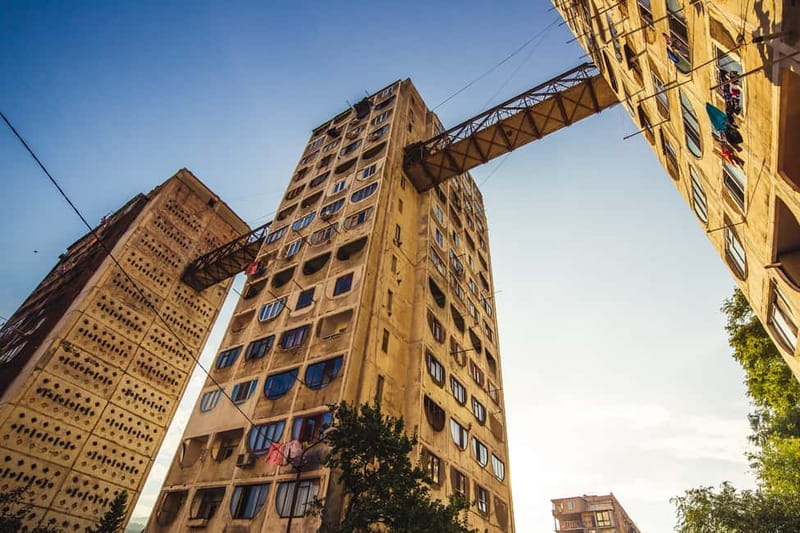
Tbilisi’s Soviet-era buildings aren’t gone. They’re still there, still shaping streets, offices, and housing blocks. That is why this tour works: you’re not only looking at the past, you’re seeing how the past still runs parts of the city engine.
You’ll walk past and photograph brutalist designs that can look like they were drawn with concrete and patience. Some structures are freshly repaired, others show weathering, stains, and the slow surrender of exposed materials. That mix is what gives the tour its character. It also means you get better pictures than you would if every stop were a neat, restored site.
The guide component matters here. A good Soviet building is more than shape and shadow. With an English-speaking guide, you learn what the building tried to do, what it ended up doing, and how locals experienced it. People often call out guides such as Giorgi, David, Temo, and Zezva for being friendly, funny, and strongly connected to the topic.
The 5-Hour Route: From Avlabari to Concrete Landmarks
Your day starts at a clear meeting point: outside the metro station of Avlabari, at the round fountain. It’s easy to reach with metro, public buses, or taxi, and the tour provider encourages you to ask which option fits your hotel best.
The route is designed to get you across different parts of Tbilisi without you needing to plan transport between isolated architectural sites. Transfers between sights are included, and the tour keeps groups small, so you are not stuck herding with 30 people while trying to find the best angle for a photo.
A realistic expectation: the city can mean time in the car. Some reviews mention that time in transit can add up, especially with traffic. For a 5-hour tour, that’s not a failure, it’s the trade-off for visiting Soviet buildings spread across neighborhoods.
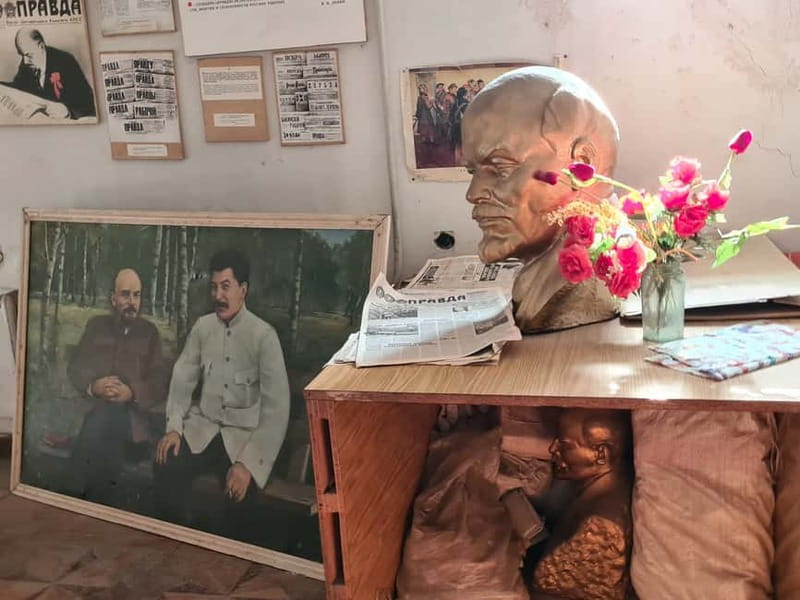
Underground Printing House Museum: Stalin’s Paper Factory Vibe
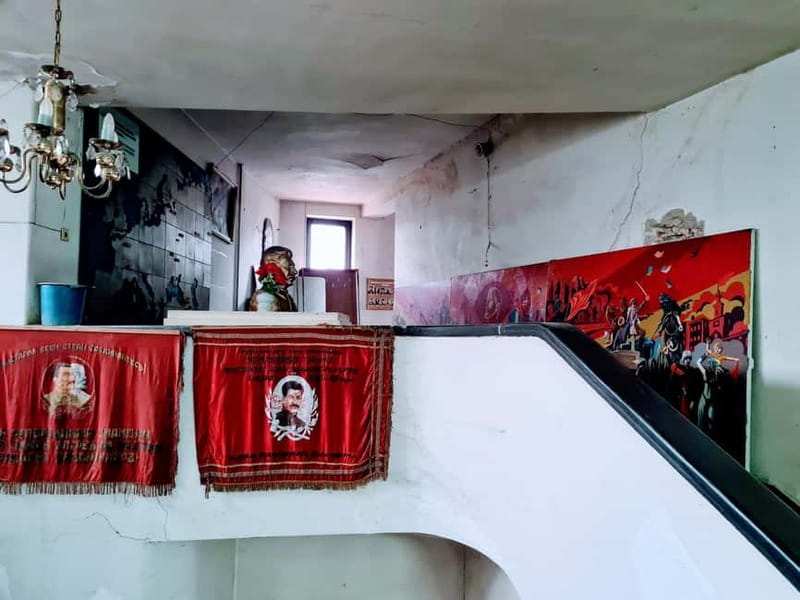
Your first stop is the Underground Printing House Museum, with a guided visit of about 30 minutes. This is the kind of place that flips your brain from postcard mode into history mode fast.
It’s called Underground for a reason. You get a sense of how the Soviet system operated behind controlled doors and engineered spaces. Even if you are not a document-nerd, the setting creates that mood instantly. It also matches the tour theme: architecture built for purpose, not for tourists.
One more practical detail matters: depending on the day you go, Stalins Printing House may or may not be included. On weekdays (Monday to Friday), this stop is part of the tour. On weekends, it switches to the Car Museum instead (optional). Plan around that if you are traveling specifically for the printing-house experience.
Also, keep your expectations balanced. You might see some parts from the outside or with limited access, because some locations have restrictions. That does not make it less worthwhile. It simply means your main experience here is the guided museum visit and the surrounding context the guide provides.
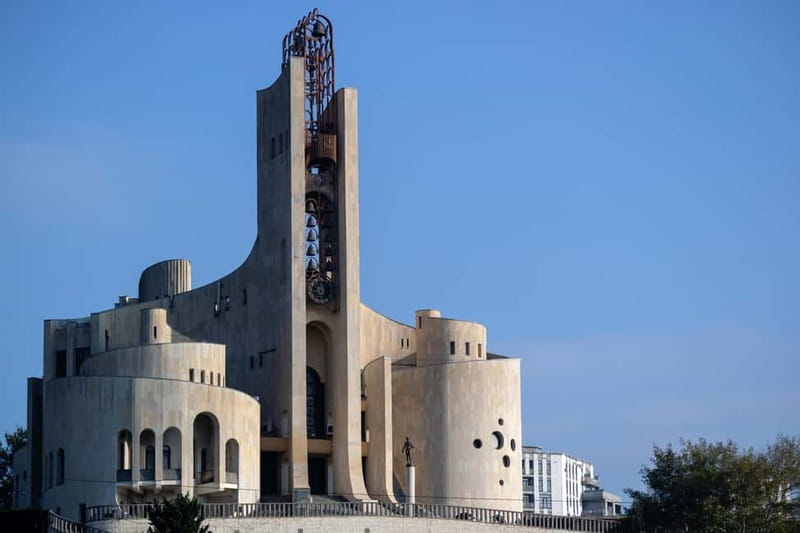
The Chronicle of Georgia Monument: Photo Stop With Real Meaning
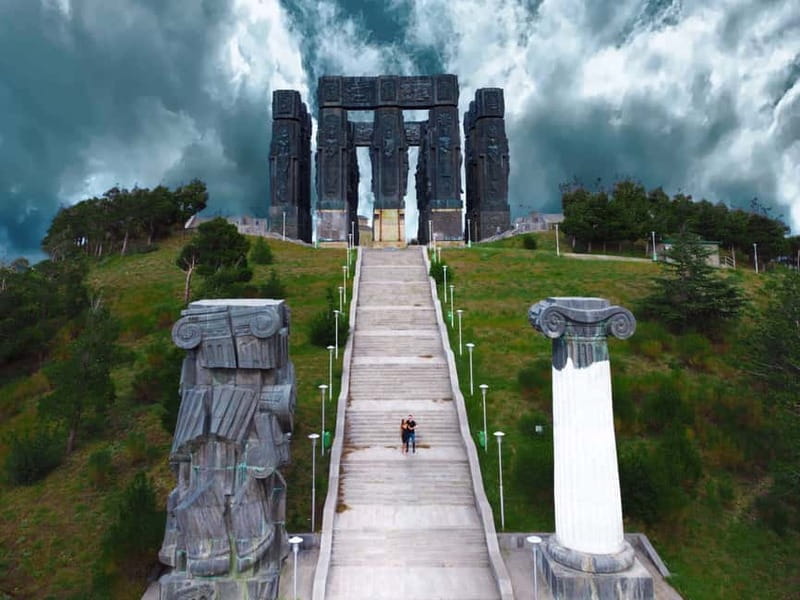
Next you head to the Chronicle of Georgia. You get a photo stop plus a guided tour of about 30 minutes. This is one of those Soviet-era structures that rewards you for slowing down.
The monument is a standout visual, but the real payoff is learning what it represents and how Soviet-era storytelling used architecture. The building’s scale and material choices are meant to feel permanent. You see that permanence against the surrounding city, and you notice how the monument keeps showing up in people’s visual memory, even after decades.
For photographers, this stop is strong because you’re not just capturing a single facade. You’re framing it with the city around it, showing the monument as part of daily Tbilisi, not staged in isolation. And since you get guided time here, you can ask for photo ideas and composition tips right on the spot.
If you’re the kind of person who likes to understand what you’re looking at, this stop tends to be a highlight. Many guides use the monument as a gateway into the bigger Soviet narrative: propaganda, identity, and how these ideas got built into steel, concrete, and public space.
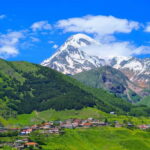
Other Tbilisi tours and day trips:


Bank of Georgia Exterior: Concrete Professionalism
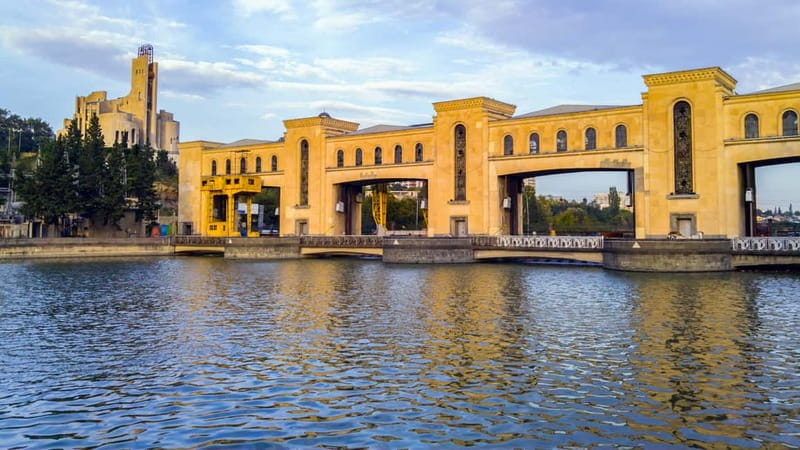
After the Chronicle, you make a shorter photo stop at the Bank of Georgia, with about 15 minutes here. This is not a long visit, but it’s a smart inclusion because it shows another side of Soviet-era design thinking.
The bank setting helps you see how Soviet influence touched institutions that still matter for modern city life. You get a sense of the aesthetic rules: strong geometry, heavy materials, and a design language meant to communicate authority. Even from the outside, it’s useful to compare this to the more dramatic monuments you just saw.
This stop works especially well if you like architecture that has a job to do. The Chronicle of Georgia feels like a statement. The Bank feels like administration, where the message is calm control. That contrast is part of the tour’s value: you see the Soviet approach across different functions, not just one type of building.
Tbilisi Skybridge: Brutalist Housing Giants and Practical Views
Then it’s the Tbilisi Skybridge area: a photo stop plus a guided visit of around 30 minutes. Reviews consistently mention this segment as a highlight for architecture fans and photographers.
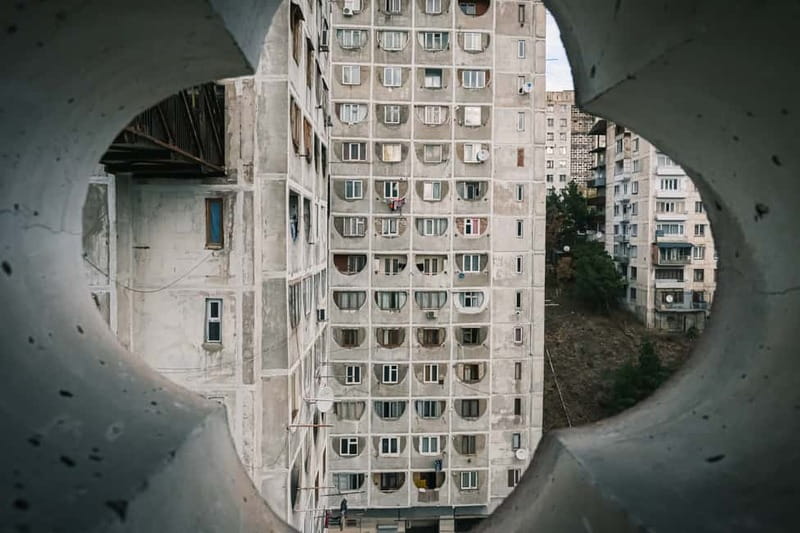
The Skybridge zone is interesting because it’s not only about what looks dramatic. It’s also about how people live in proximity to Soviet-built structures, and how those structures influence movement, viewpoints, and street-level energy.
One extra thing you may get here, depending on the day and the group: some people report talking with a lift operator and getting a glimpse into a tiny personal space. That kind of detail is exactly why this tour feels more human than a pure monument crawl.
As with other stops, access can be limited in some areas. So if you’re hoping for fully open interiors everywhere, adjust your mindset. The tour’s strength is in what you can see, photograph, and understand from where you are.
The Surprise Stop: A Less-Touristy Soviet Corner
Your final major segment is a “hidden” style stop, with a photo stop, guided tour, and sightseeing of about 30 minutes. This is the part that often feels most like true urbex energy, even if you are not doing it for graffiti or broken windows.
What matters is the contrast. You’re seeing Soviet structures away from the tourist grid, where the buildings blend into residential or working life. That means you get more texture in your photos: worn surfaces, practical layouts, and the kind of urban wear that looks real on camera.
Your guide is the engine here. They explain what you are looking at and why it’s part of the Soviet footprint that still affects Tbilisi today. Reviews highlight that guides often go out of their way to make this stop feel special and not like filler.
Also, remember that some sections may be restricted. But if you accept that and lean into careful observation, this can be the most rewarding stop of the day.
Photography Tips for Concrete, Decay, and Brutalist Angles
This tour is built for pictures. You’ll get multiple photo stops, plus guided time so you can linger instead of rushing to the next location like it’s a checklist.
Here’s how to get better results on brutalist architecture in Tbilisi:
- Wear shoes you trust. You’ll be outside more than you expect for a half-day.
- Bring a camera strap or secure bag. In city chaos, the best setup is the one you don’t drop.
- Shoot details as well as wide angles. Concrete textures and edges often tell the story better than a full skyline shot.
- Use your guide. Ask for photo ideas, not just facts. Several guides are praised for giving practical photo suggestions.
- Time your shots. For many people, the best photos come at the edges, where you capture the building alongside street life rather than isolated monuments.
If you’re into urban decay aesthetics, this is where it clicks. You’re photographing refurbished concrete next to older sections that show wear. That contrast gives your photos depth.
Price and Value: Is $54 Worth a Soviet Architecture Day?
$54 for about 5 hours, with transfers, entrance fees, and a professional English-speaking guide, is not a “cheap bus tour” price. It’s priced for a niche topic, small group size (max 10), and real transport time between scattered sites.
Could you hire a car and try to DIY it for less? Yes, and plenty of people do that in other cities. But here’s what you give up if you go solo: the context. Soviet architecture can look similar if you don’t know what you’re looking at, and a guided explanation turns it from concrete shapes into a story.
Also, the tour includes entrance fees where available and helps with practical flow. Some groups mention skip-the-ticket-line benefits, which saves you friction time at museums and checkpoints.
Where the price feels especially fair is when you consider guide-to-question ratio. Smaller groups mean you can ask why a building was designed a certain way, how locals experienced it, and how the Soviet era shaped what you see today.
What to Expect on the Ground, Restrictions Included
A quick reality check before you go: some parts of the locations you visit are restricted to enter, and you can see them only from the outside in those cases. That’s not a reason to skip this tour. It’s simply how this kind of architecture walk works.
That said, the Underground Printing House Museum is included and guided during the weekday schedule, and you’ll have enough guided time at key stops to make the exterior views meaningful. The guide’s job is to help you read what you see, even when doors are closed.
Since food and drinks are not included, I suggest planning for a simple snack or a water bottle. If you want a proper lunch, plan it outside the tour window. Some people report stopping for local bakery food during the day, but that isn’t guaranteed in the core plan, so don’t build your schedule around it.
For comfort, I’d also bring a light layer. Concrete buildings can make wind feel sharper, and being outside for photos means you notice weather more than on a museum-only day.
Who Should Book This Tour, and Who Might Skip It
You should book if:
- you love brutalist architecture and want examples beyond the obvious city-center highlights
- you take photos seriously and want time to frame shots at each site
- you care about Soviet-era influence on modern urban life, not just isolated monuments
- you enjoy urbex-style atmosphere, urban texture, and off-the-tourist-path neighborhoods
You might skip if:
- you want a slow, fully interior-only experience
- you get frustrated easily by outside-only viewing or restricted access
- you only care about the most famous attractions, and nothing else interests you
This tour sits in a sweet spot for modern history fans and architecture nerds, plus photographers who want more than polished postcards.
Should You Book the Soviet Urbex and Brutalist Tbilisi Tour?
If you want Tbilisi with grit, concrete texture, and context, yes, I’d book it. The combination of Soviet buildings still tied to daily life, guided explanations from people such as Giorgi, David, Temo, and Zezva, and multiple photo stops makes the day feel more like a guided discovery than a rushed sightseeing run.
But if your dream day is all inside, fully accessible sites, and a leisurely pace, consider a more standard historical tour instead. This one trades comfort and predictability for atmosphere, architecture, and the kind of details you only notice when someone points them out.
FAQ
How long is the tour and what does it cost?
The tour lasts about 5 hours and costs $54 per person.
Where do I meet the guide?
Meet your guide outside the metro station of Avlabari, at the round fountain.
How big is the group?
The group is limited to 10 participants.
What is included in the price?
The tour includes transfer between the sights, all entrance fees as per the itinerary, and a professional English-speaking guide.
Is food or drinks included?
No. Food and drinks are not included.
Is Stalins Printing House included on weekends?
Stalins Printing House is included only on weekdays (Monday to Friday). On weekends, the Car Museum is included instead as an optional swap.
Is there a cancellation or pay-later option?
Yes. You can cancel up to 24 hours in advance for a full refund. You can also reserve now and pay later.
Newer trips around Tbilisi
- Tbilisi Private Dinner: Georgian BBQ & Fireplace
★ 5.0 · 1 review - Tbilisi: Khinkali Tasting Lunch with Local Drinks and Pickup
★ 5.0 · 1 review - Day trip in Kakheti-wine tour
★ 5.0 · 1 review - Tbilisi & Mtskheta bus tour hop on hop off
★ 5.0 · 1 review - Tbilisi: Christmas Market & Hidden Gems Guided Walking Tour
★ 5.0 · 1 review - Stalin’s Secrets: An Underground Journey Through History
★ 5.0 · 1 review
Chiatura & Tskaltubo Soviet Trips, compared.

1 Day Private Armenia: UNESCO, Soviet & Curated Family Lunch
Read our review →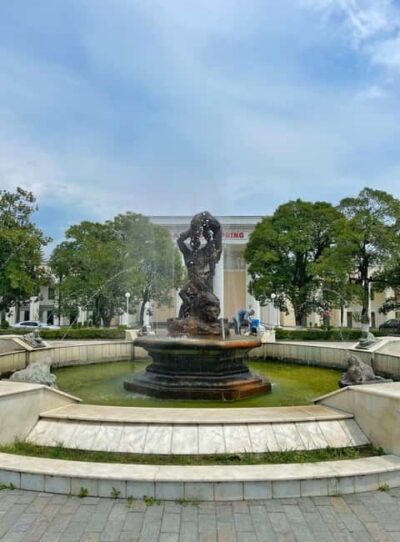
Abandoned sanatoriums of tskaltubo – group tour from Kutaisi
Read our review →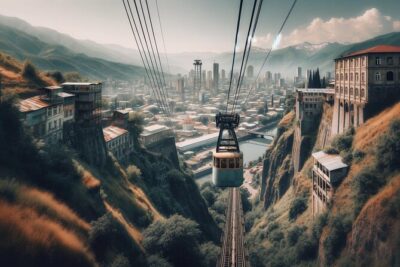
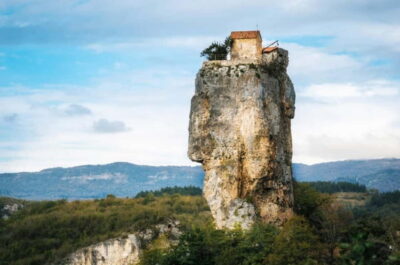
Chiatura Tour with Katskhi Pillar & Cable Car Experience
Read our review →
Tbilisi old town & soviet heritage – Private driver-guided Tour
Read our review →
Brutalist Tbilisi: Urban exploration and untold stories
Read our review →
Armenia: 1 Day Soviet gems, UNESCO + Family lunch (Small group)
Read our review →
Chiatura Cable Cars & Katskhi Pillar Guided Tour
Read our review →Browse the lists this tour appears in