
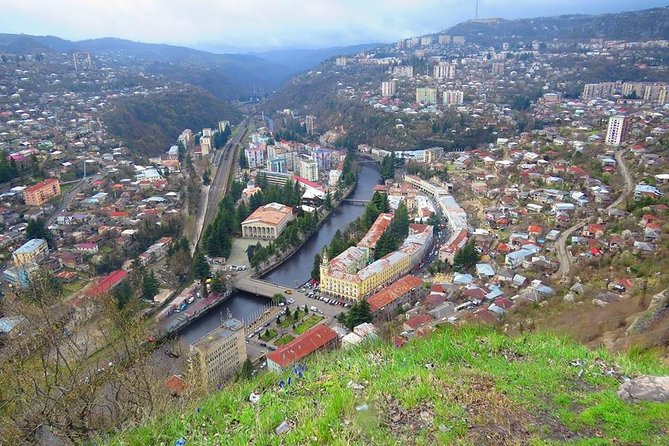
Reviewed · CHIATURA & TSKALTUBO SOVIET TRIPS
Chiatura Cable Cars and Abadoned Sanatoriums of Tskaltubo
This is the kind of day trip that feels like four different worlds stitched together. You start with a cliff church, ride the famous Chiatura cableways, then end with Soviet-era ruins in Tskaltubo. It works because the timing is tight and the stops are meaningfully different.
I especially like the cableway segment, where the views and the old machines do half the storytelling for you. I also like the human touch you can get from a great local guide like Giorgi, who is known for strong English, early WhatsApp coordination, and vivid background from Kutaisi’s late Soviet years. One thing to plan for: it is a long day (about 9 hours), with lots of changing sights, so comfortable shoes and a patient mindset help.
In This Review
- Key Things to Know Before You Go
- Why This Kutaisi Day Trip Works So Well
- Katskhi Pillar: A Cliff Church With Fertility Legends
- Chiatura Local Museum: The Manganese Mine Context You Actually Need
- Riding Chiatura Cableways: Old Cars, Strange Views, and Real Working Details
- Mgvimevi Monastery: A Karst Cave Complex With Frescoes and a Balcony View
- Tskaltubo Abandoned Sanatoriums: Soviet Health Resort Ruins Up Close
- Price and Value: Why $84.69 Can Make Sense for This Mix
- Who This Tour Is Best For (And Who Might Skip It)
- The Little Details That Make the Day Smoother
- Should You Book This Kutaisi Day Trip?
- FAQ
- What time does the tour start?
- Is pickup available from Kutaisi?
- How long is the tour?
- Is the tour guided, and what language is used?
- Are admission tickets included?
- What is included in the tour price?
- How large is the group?
- Is free cancellation available?
- How do I get the ticket?
Key Things to Know Before You Go
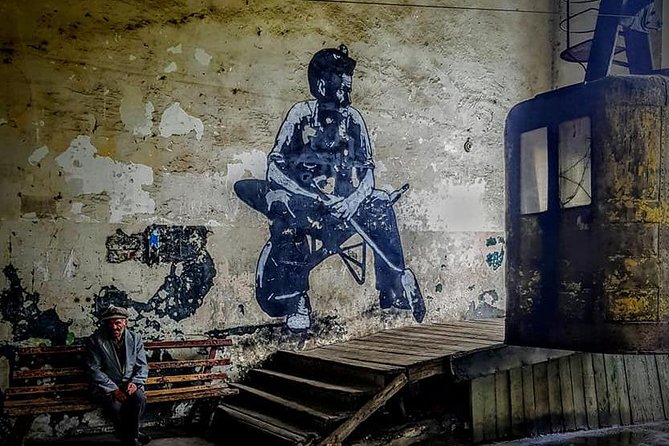
- Chiatura cableways included so you get the main experience without juggling extra tickets
- Small group size (max 6) which makes the day feel calmer and easier to ask questions
- Tickets are mixed (pillar, cableways, and Mgvimevi included, Chiatura museum not included)
- Mgvimevi Monastery is in a karst cave setting with a balcony view over the dramatic mining area
- Tskaltubo sanatoriums are free to enter which keeps the day trip value strong
Other Chiatura and Tskaltubo Soviet-era trips:
- Kutaisi:Chiatura Tour with Katskhi Pillar & Cable Car★ 4.9 · 433 reviews
- Abandoned sanatoriums of tskaltubo – group tour from Kutaisi★ 4.8 · 99 reviews
- Kutaisi:Chiatura Tour with Katskhi Pillar & Cable Car Experience★ 5.0 · 95 reviews
- Kutaisi: Chiatura Cable Cars & Katskhi Pillar Guided Tour★ 4.9 · 67 reviews
Why This Kutaisi Day Trip Works So Well
This is a smart use of a limited time in Western Georgia. You are based around Kutaisi, but the day reaches beyond the city into three different “Georgia in layers” moments: ancient faith on a cliff, industrial-era travel systems in Chiatura, and the ghostly aftermath of Soviet health tourism in Tskaltubo.
I like that the tour is structured around places that make you look up. The Katskhi Pillar church is literally high above the valley. Chiatura’s cable cars run over steep ground and reveal the town’s strange mix of old and unfinished. Even the monastery in Mgvimevi is presented as a “spotlight” experience, with a balcony view over the mining landscape.
The practical upside is that most of the heavy lifting is handled for you. You get an air-conditioned vehicle, a guide in English, and bottled water. And with pickup from your Kutaisi hotel, you are not spending your morning figuring out local transit routes.
Katskhi Pillar: A Cliff Church With Fertility Legends
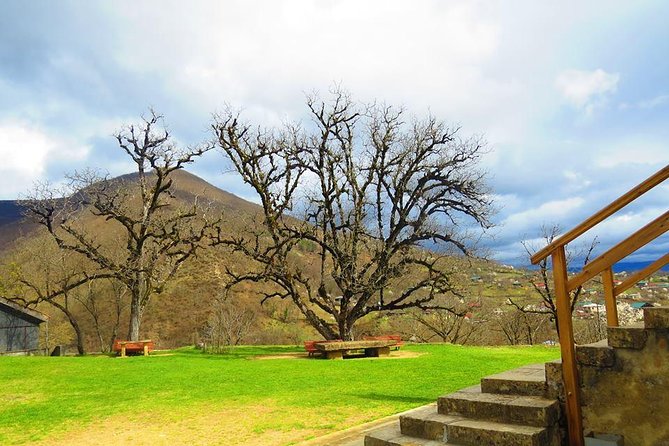
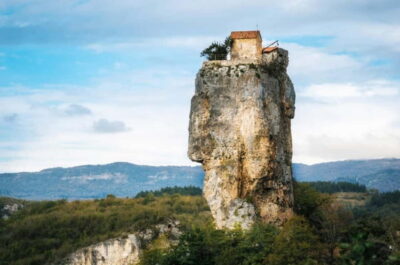
Your first stop is Katskhi Pillar, where a church sits on top of a cliff. The story around it is part spiritual, part local tradition. Long before Christianity, the pillar was revered by locals as a symbol tied to the god of fertility. After people accepted Christianity, the meaning shifted toward drawing closer to God.
That mix matters, because you are not only visiting a monument. You are watching how beliefs layer over time on the same dramatic spot. The setting also does something practical: it naturally compresses the experience into a single moment of focus. You arrive, you look up, you absorb the place, then you move on.
What to watch for: it is a cliff location, so expect that you may need to navigate uneven ground and stairs or steps depending on the route. If you have any mobility concerns, it is worth going slowly and wearing grippy shoes.
Chiatura Local Museum: The Manganese Mine Context You Actually Need
Next you move to the Chiatura Local Museum. This is the “why it looks like this” stop. Chiatura’s famous cableways and strange built environment make a lot more sense once you understand what the town was built around.
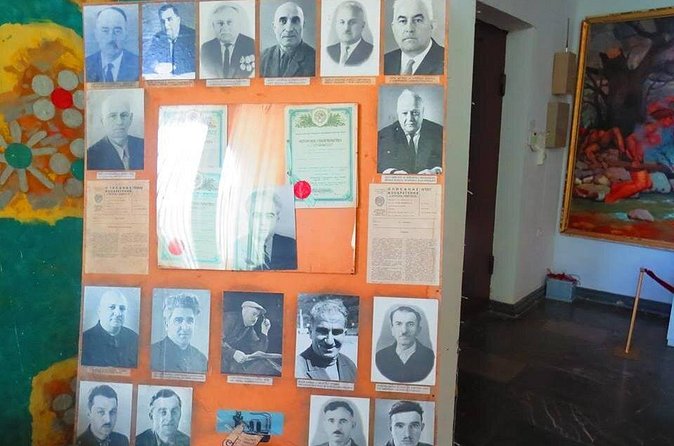
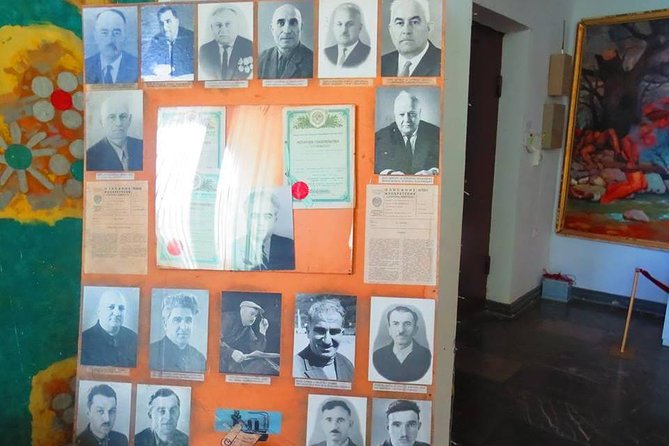
The museum focuses on the history of Chiatura and information about manganese mines. That is not abstract trivia. Manganese mining shaped jobs, housing, and transport needs. When you later see the outdated vehicles, the abandoned construction, and the tower-like remnants of cable infrastructure, the museum helps you read the scenery like a timeline instead of random ruins.
Trade-off to consider: museum admission is not included. That is not a deal-breaker, but it does mean you should have a little extra budget for this stop.
Riding Chiatura Cableways: Old Cars, Strange Views, and Real Working Details
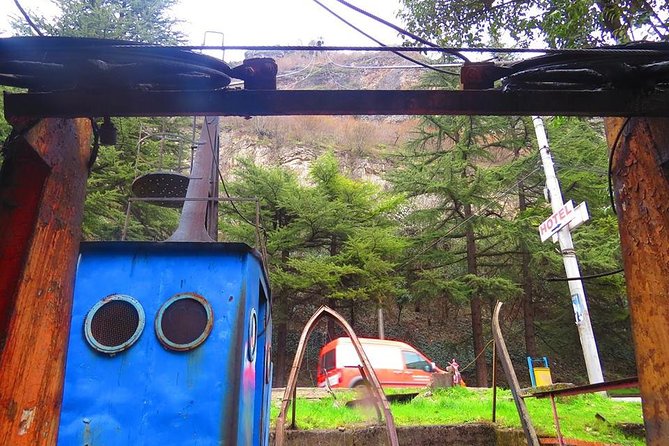
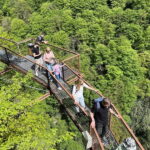
Now you get to the heart of the day: Cableways Chiatura. This place is hard to summarize because it is visually specific. You see randomly built high-rise blocks, abandoned construction sites, Soviet-era vehicles, and tattered cable towers on the horizon. It can feel like the town hit pause decades ago.
Then the cable cars move.
That movement is the point. The experience is defined by old cars that creak and archaic cabins that still climb up the mountains. You are not just looking at relics. You are riding a working system, in a town that never fully stopped living inside its past.
Why this is valuable: the cableways are not a museum display. They show you how infrastructure can become part of a community’s everyday life, even when the rest of the town changes slowly or unevenly.
A small, practical note: the tour includes the cableways admission, which keeps the main cost driver straightforward. Also, because the group is capped at 6 travelers, you are more likely to get a smoother boarding rhythm and easier guide attention.
Other Kutaisi tours and day trips:
Mgvimevi Monastery: A Karst Cave Complex With Frescoes and a Balcony View
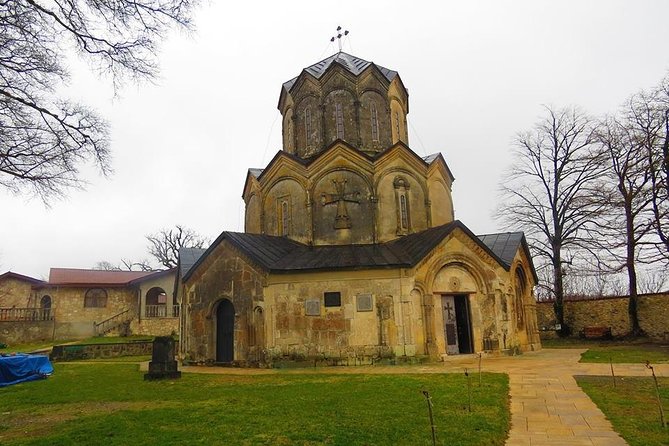
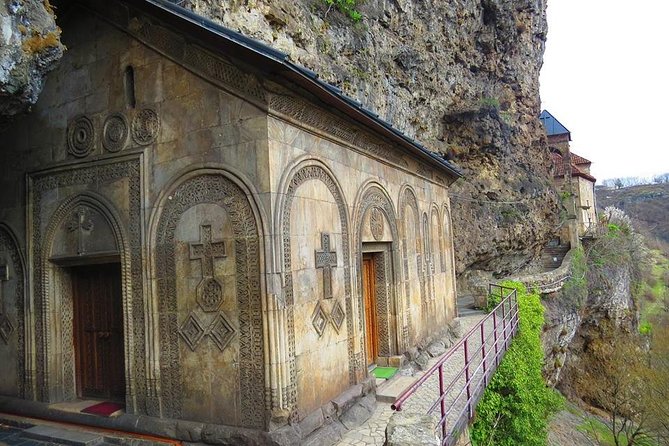
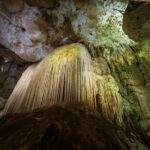
Mgvimevi Monastery is built in a karst cave-like setting, on a rock. The guide-led context here makes a difference, because the monastery is not just a building. It is an arrangement carved into dramatic geography.
The complex was built by Prince Rati in the 13th century, and it is richly decorated with ornaments. Some frescoes from an early period are preserved, so you get more than “big view from far away.” You can also slow down and notice the details, then lift your eyes back toward the horizon.
And the balcony is the payoff. From there, you look out over exploded mountains and rattling mines that lead into the earth. Even if you are not into mining history, the view is hard to forget, because it turns the surrounding area into a living backdrop for the monastery.
What to watch for: this is a cave-and-rock setting. Expect uneven steps or paths and plan for careful walking. If the weather is wet, take extra care.
Tskaltubo Abandoned Sanatoriums: Soviet Health Resort Ruins Up Close
You finish with Tskaltubo and the abandoned sanatoriums. This is the “then what happened” ending. In a lot of places, Soviet history feels distant. Here, you get a more direct encounter with what happens when a grand plan is left behind.
The sanatoriums are free to enter, and you spend about 2 hours there. That length is just right. Long enough to walk, look closely, and let your brain connect the dots between the setting and the time period, but not so long that you get numb to the same kinds of scenes.
How to get more out of it: slow down. Look at the building shapes, the signs of daily life, and the contrast between the decaying structures and the active region around them. This is a place where atmosphere matters more than any single photo angle.
Price and Value: Why $84.69 Can Make Sense for This Mix
At $84.69 per person, the real question is what you are buying for that money. You are paying for an English-speaking guide, pickup from your Kutaisi hotel, an air-conditioned vehicle, and bottled water. You are also paying for included admissions at several key stops.
Here is how the costs break down by experience type:
- Included admissions: Katskhi Pillar, Chiatura cableways, and Mgvimevi Monastery
- Not included: Chiatura Local Museum admission
- Included as free: Tskaltubo sanatoriums
So you are not paying for a set of random viewpoints. You are paying for actual entry to the main heritage and transport highlights, plus the vehicle and guide that connect distant sites into one coherent day.
The tour also runs at about 9 hours, which matters because you are covering multiple regions without needing to coordinate separate transport. If you are traveling with limited time in Kutaisi, this structure is often more cost-effective than mixing independent taxis with partial tickets.
Who This Tour Is Best For (And Who Might Skip It)
This is a strong fit if you like:
- Cable cars and old infrastructure with real-world movement
- Soviet-era leftovers that are more than a single photo stop
- Religion-and-geography pairings, like church sites placed on extreme terrain
- A guide who can connect scenery to context, especially someone like Giorgi, known for clear English and local stories
It might not be the best match if you:
- Want a slow, relaxing pace with lots of free time
- Prefer only modern attractions or fully restored sites
- Have difficulty with walking around cliff-top or rock-and-cave environments
Given that most travelers can participate, the overall format is accessible enough for a wide range of people, but your body still has to handle a full day and changing terrain.
The Little Details That Make the Day Smoother
A few practical choices help this tour run well:
- Pickup is offered from your Kutaisi hotel, so your morning starts with less friction.
- You get bottled water, which keeps things comfortable during a long day.
- The group max is 6 travelers, which usually means fewer delays and a more personal guide rhythm.
- The tour uses a mobile ticket, so you are not scrambling for paper receipts.
And one detail I would take seriously: if you are the type who likes early coordination, look for a guide style like Giorgi’s. Clear pre-trip communication and strong English can save time, reduce confusion, and make the history parts click.
Should You Book This Kutaisi Day Trip?
I would book this tour if you want one day that mixes ancient faith, Chiatura’s working cableways, and Tskaltubo’s abandoned sanatoriums. The value is strongest when you care about the included admissions and you like guided context more than wandering alone.
Skip it only if you know you want a lighter day, or if the idea of cliff and rock settings sounds stressful. Otherwise, this is the kind of itinerary that turns Georgia’s contrasts into a single, memorable route.
FAQ
What time does the tour start?
It starts at 9:00 am.
Is pickup available from Kutaisi?
Yes, pickup is offered from your Kutaisi hotel.
How long is the tour?
The duration is about 9 hours.
Is the tour guided, and what language is used?
Yes, there is an English-speaking guide.
Are admission tickets included?
Katskhi Pillar, Chiatura cableways, and Mgvimevi Monastery include admission. The Chiatura Local Museum admission is not included, and the Tskaltubo sanatoriums are free.
What is included in the tour price?
The tour includes an air-conditioned vehicle, a guide, and bottled water.
How large is the group?
The maximum group size is 6 travelers.
Is free cancellation available?
Yes. You can cancel up to 24 hours in advance for a full refund.
How do I get the ticket?
You receive a mobile ticket.
Newer trips around Kutaisi
- Okatse Falls, Martvili Canyon and Prometheus Cave
★ 5.0 · 1 review - Private tour from KUTAISI Colourful Tbilisi, Jvari and Mtskheta
★ 5.0 · 1 review - Kutaisi uncorked: Wine Tasting at a local Family Home
★ 5.0 · 1 review - Private tour: Prometheus, Sataplia Caves Bagrati, Gelati
★ 5.0 · 1 review - Kutaisi Airport – Mestia Shared Transfer
★ 5.0 · 1 review - Tbilisi: Subaru Crosstrek 2014-2016, Rent, Self drive
★ 4.0 · 1 review
Chiatura & Tskaltubo Soviet Trips, compared.
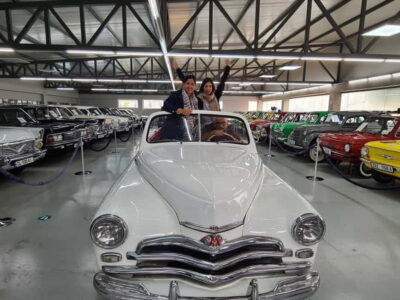

1 Day Private Armenia: UNESCO, Soviet & Curated Family Lunch
Read our review →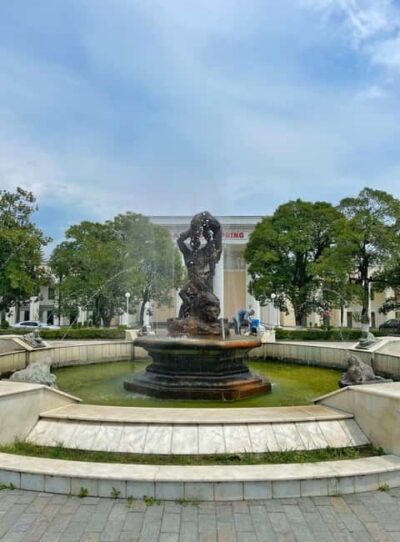
Abandoned sanatoriums of tskaltubo – group tour from Kutaisi
Read our review →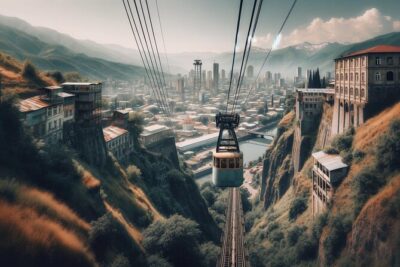
Chiatura Tour with Katskhi Pillar & Cable Car Experience
Read our review →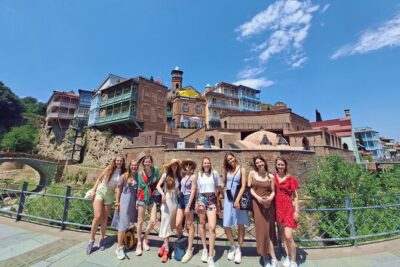
Tbilisi old town & soviet heritage – Private driver-guided Tour
Read our review →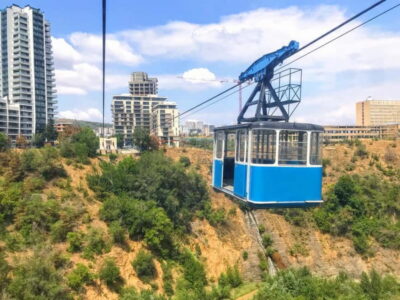
Brutalist Tbilisi: Urban exploration and untold stories
Read our review →
Armenia: 1 Day Soviet gems, UNESCO + Family lunch (Small group)
Read our review →Browse the lists this tour appears in