
Reviewed · GEORGIAN FEAST & COOKING WORKSHOPS
Tbilisi: Cooking Class with a Local Family
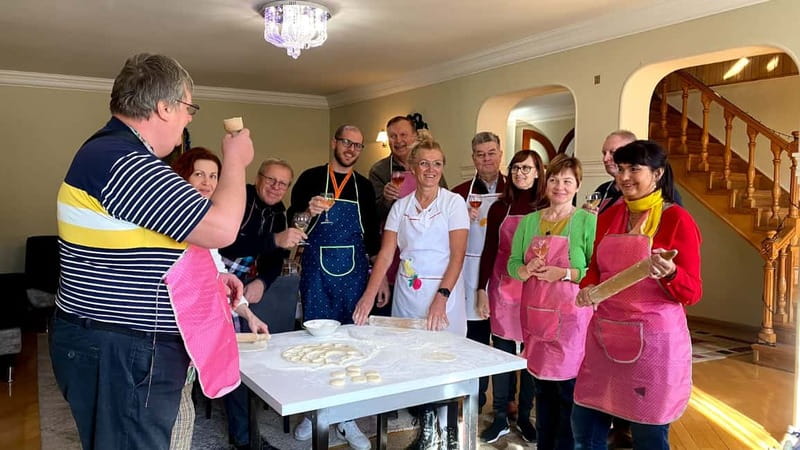
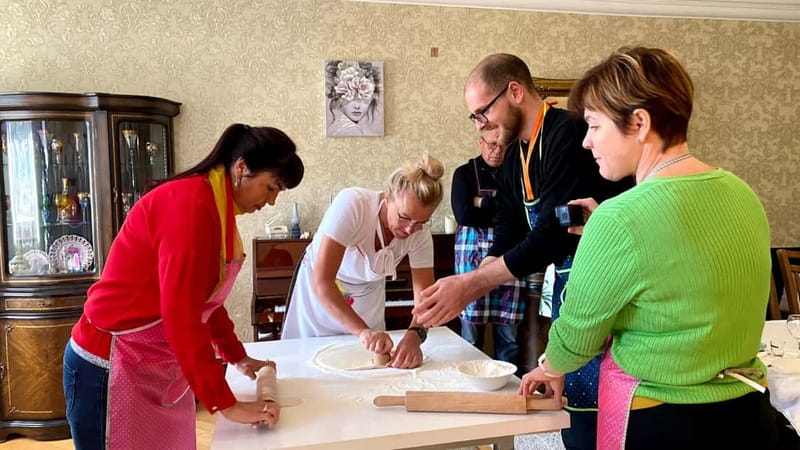
Tbilisi gets real fast in a kitchen at home. This 3-hour cooking class with Shorena’s Magic Kitchen lets you cook famous Georgian dishes with a local family and then eat everything you made. I love the hands-on pace, where you shape, stuff, mix, roll, and fry, not just watch, and I love the warm welcome that turns a meal into real conversation. One possible drawback: the alcohol is part of the experience, but the quality can vary a bit depending on the day and the host.
I also like that your guide works hard on English clarity. In some sessions the cook speaks mostly Georgian, but the guide translates steps so you can actually follow along, like when Maria kept instructions clear and made it both fun and educational. If you want to take food home later, it helps to know that some dough prep may be done ahead, so you should expect to participate most in shaping and finishing rather than starting from total scratch.
In This Review
- Why this Georgian family cooking class is worth your evening
- First stop: Avlabari Metro, orange flag, then straight to dinner
- Meet Shorena’s Magic Kitchen, cooked with west Georgia experience
- The full 3-hour plan: tasting, cooking, then a feast you helped create
- Six foods you will make, and why each one teaches something
- Khinkali dumplings, the hands-on signature
- Khachapuri, cheese bread that feels like comfort food
- Eggplant with walnuts, the flavor lesson
- Georgian salad, bright and simple
- Mchadi cornbread, the crispy crowd-pleaser
- Plus additional Georgian food during the class
- Drinks are part of the lesson, so pace yourself
- Your guide matters, and translation is the difference between ok and great
- Transportation and timing, what to watch so the night stays smooth
- Who this class is best for (and who might want to skip)
- Tips to make it easier, tastier, and more memorable
- Should you book Shorena’s Magic Kitchen in Tbilisi?
- FAQ
- Where is the meeting point and what time should I arrive?
- How long is the cooking class?
- What dishes will I cook in the class?
- Do I get an English guide?
- Is there a vegetarian option?
- What drinks are included?
- Do I need to bring anything?
- Is transportation included?
Why this Georgian family cooking class is worth your evening
- Six classic dishes in one sitting, including Khinkali dumplings, Khachapuri cheese bread, and Mchadi cornbread.
- You cook as part of the family rhythm, so the meal feels like learning a skill, not touring a kitchen.
- Homemade drinks are built into the experience, with water included to keep it comfortable.
- A real recipe to take home, so your dinner plans do not end when you leave.
- English translation support, especially helpful when the host’s English is limited.
- Small-group energy, with many people describing it as friendly even for solo travelers.
Other Georgian feast and cooking workshops:
- Tbilisi: Georgian Cooking Class with Khinkali and Khachapuri★ 4.7 · 1,146 reviews
- Small-Group Khinkali and Khachapuri Cooking Class in Tbilisi★ 4.5 · 224 reviews
- Cook True Ajarian Khachapuri and Khinkali in Highlanders Style★ 5.0 · 93 reviews
- Taste of Kakheti: Wine Tour Bread Baking & Churchkhela Workshop★ 4.5 · 46 reviews
First stop: Avlabari Metro, orange flag, then straight to dinner
Your evening starts at Avlabari Metro Station at 17:30. A partner representative meets you outside with a branded orange flag, and you get routed to the family home from there. Transportation from the local family back to wherever you started is not included, so if you are counting on a smooth return ride, plan for that early.
Once you’re gathered, you shift quickly from city mode to home mode. This tour runs rain or shine, so bring weather-appropriate layers and shoes you do not mind using around a real household kitchen.
Meet Shorena’s Magic Kitchen, cooked with west Georgia experience
This class is based at Shorena’s Magic Kitchen, inside the home of Shorena and her family. Shorena comes from the west of Georgia and brings more than 30 years of cooking experience, which matters because the lesson is not just about recipes. It also teaches how Georgian dishes are actually assembled, seasoned, and served in a home setting.
You’ll taste along the way, then get hands-on with the main dishes. The goal is simple: cook, eat, and leave with something you can recreate. Expect a lot of pride in the food, and expect questions to be welcome, especially from people who care about culture, not just carbs.
The full 3-hour plan: tasting, cooking, then a feast you helped create
The structure is built so you are doing something almost the whole time. While the exact sequence can vary by day, the flow tends to follow this pattern: a welcome and tastings, a clear walk-through of each dish, active cooking with guidance, and finally a sit-down meal.
If you are new to cooking, do not panic. Several guests have noted that key components may already be prepared, so you can focus on the steps that still matter, like filling dumplings, assembling cheese bread, and building flavors for sides.
Also, the class is not only food. Your English-speaking guide may share context about Georgian food culture, drink traditions, and even topics like history or current events, depending on the guide and the group mood.
Six foods you will make, and why each one teaches something
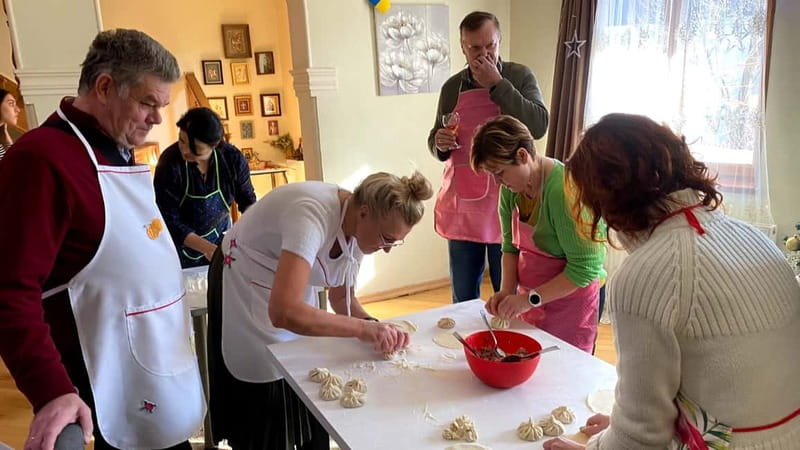
You will cook six Georgian dishes. Here is what each one adds to the experience, beyond the obvious “it tastes great” part.
Other cooking classes in Tbilisi:
Khinkali dumplings, the hands-on signature
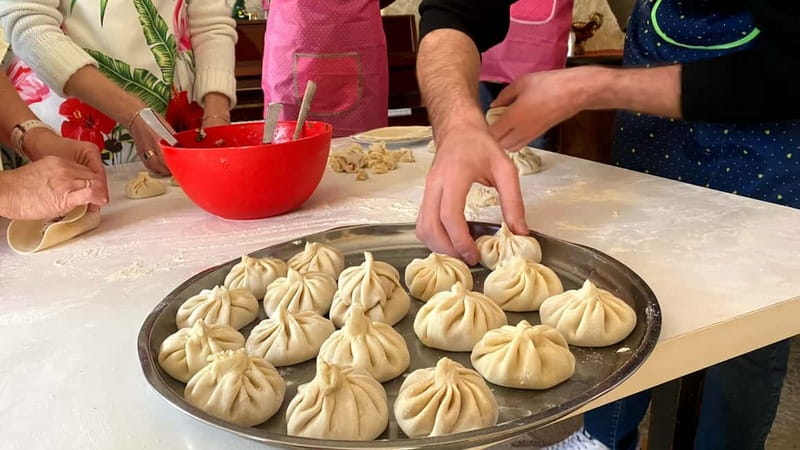
Khinkali dumplings are usually the emotional centerpiece of the class. You learn how to work with the filling and dough, then shape and handle dumplings with confidence rather than fear. Even when some dough prep is done ahead, guests report that they still get to do most of the practical work, which is the point.
The best part is tasting what you made right away. Khinkali also helps you understand Georgian technique: how seasoning sits inside filling, how texture matters, and how serving style turns dumplings into a real meal.
Khachapuri, cheese bread that feels like comfort food
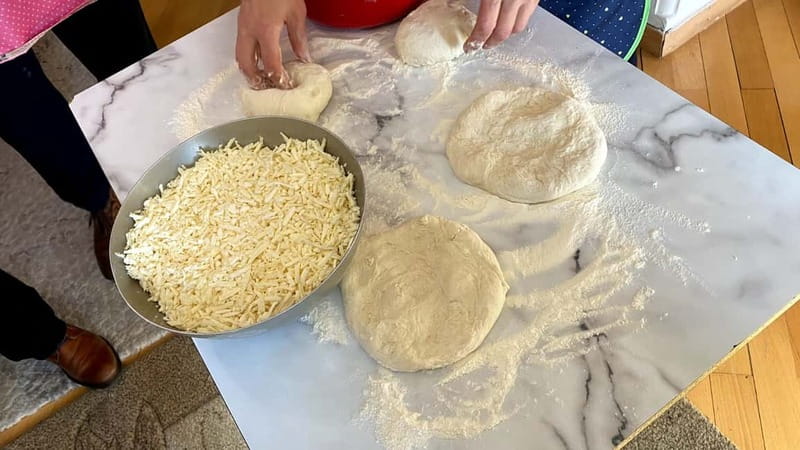
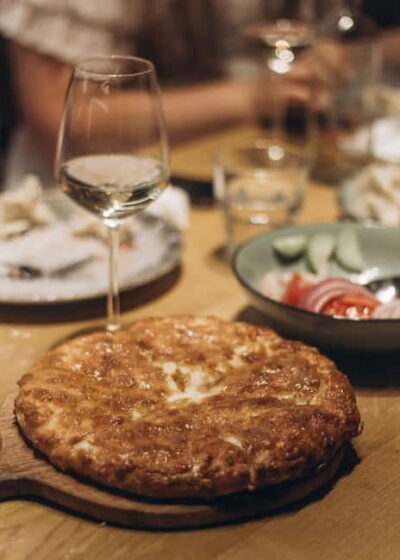
Khachapuri is the other iconic dish. You use Georgian Sulguni cheese, and you’ll learn the idea behind cheese bread: stretchy, salty, warm, and deeply satisfying. The lesson tends to focus on assembly and baking, so you get to see how the dough and cheese work together.
If you like the idea of eating something you made from scratch, this is your moment. Guests often describe it as one of the tastiest parts of the evening, especially when it comes out hot and fresh.
Eggplant with walnuts, the flavor lesson
Eggplant with walnuts is where the class broadens your idea of what Georgian food can be. This dish is often described as eggplant rolls with a walnut filling, and it teaches balance: creamy nuts, savory seasoning, and the way eggplant becomes tender and soft.
You are not just chopping. You are building a filling, learning how to spread and roll, and tasting a side that feels special enough to stand next to the dumplings.
Georgian salad, bright and simple
The Georgian salad is not the heavy hitter, but it plays a useful role. It is there to cut through rich food and remind you that fresh flavors matter just as much as technique. Expect a straightforward build, with a focus on balance and freshness.
This is the dish that helps you understand the meal rhythm: rich, savory, then something crisp to keep the plate from getting too heavy.
Mchadi cornbread, the crispy crowd-pleaser
Mchadi is Georgian cornbread, typically fried or cooked to get that satisfying texture. You’ll learn how the batter or mix comes together and how the cooking method creates a crust.
People like it because it is easy to recognize as home-style food, not fancy restaurant food. It also pairs well with the stronger flavors, like walnut filling and cheese.
Plus additional Georgian food during the class
In some sessions, you may also prepare or work with another Georgian dish beyond the core five, which is part of why you end up with a big tasting and a full meal. The key takeaway is that you do not leave hungry, and you get to practice multiple techniques rather than repeating one skill all evening.
Drinks are part of the lesson, so pace yourself
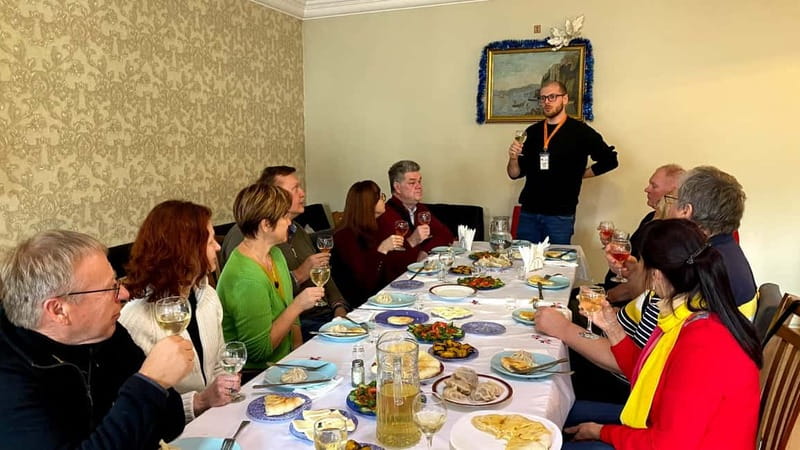
Homemade drinks are included: homemade dry white wine and Chacha (Georgian vodka), plus water. The idea is that Georgian cuisine and Georgian drink traditions go together at the table.
Most guests describe the wine and chacha tasting as a highlight. Still, one earlier experience noted that alcohol quality was below expectations and that transport back needed more coordination. So, if you are sensitive to strong spirits or are picky about wine, sip steadily and lean on the water.
Your guide matters, and translation is the difference between ok and great
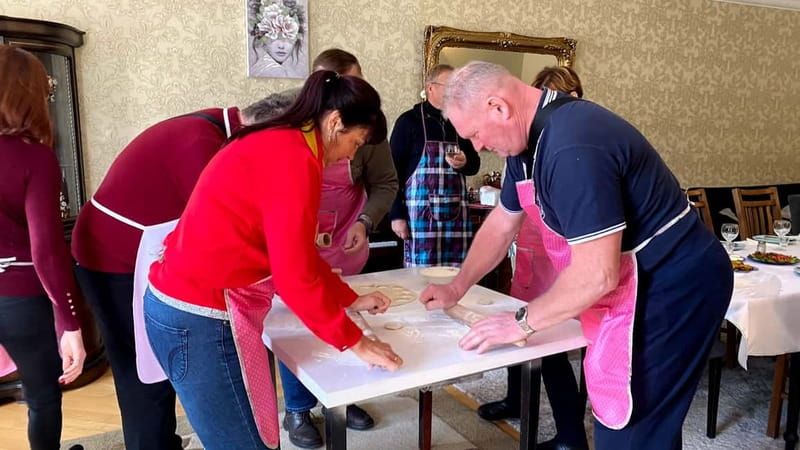
Your guide provides live English interpretation throughout. One reason this class has such strong ratings is that guides actively manage communication, especially when the host’s English is limited.
Some guides mentioned by name include Maria, Ana, Nikolas, Oki, Nicolas, Nini, and Salome. The pattern is the same: they explain not only what to do, but why, with enough clarity that you can actually cook.
If you are solo, this matters even more. You will likely be placed with a small group, and the guide becomes your connector, so you are not stuck looking at food while everyone else chats.
Transportation and timing, what to watch so the night stays smooth
The meet time is 17:30 at Avlabari Metro. Transportation from the meeting point is included, which usually means you are not left hunting for the right neighborhood. But transportation back from the family is not included, so do not assume you will be dropped right where you started.
Also, remember it is a 3-hour experience. That sounds short until you realize you are cooking multiple dishes, tasting everything, and then eating a proper feast. Go easy on a huge dinner before you arrive, and come with water and patience for strong flavors.
Who this class is best for (and who might want to skip)
This is a great fit if you want:
- A hands-on Georgian food lesson in a real home
- Iconic dishes like Khinkali and Khachapuri, not just a tasting
- A guide who can explain food and culture together
- An evening that feels social, even if you book solo
You might consider a different option if:
- You are very sensitive to alcohol or do not want chacha in the mix
- You need very strict schedule control for your return ride, since transport back is not included
Tips to make it easier, tastier, and more memorable
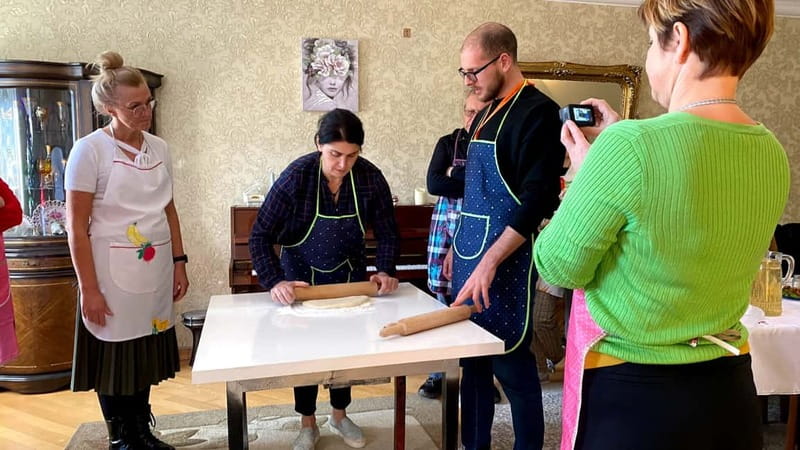
Come hungry, but do not arrive frantic. The class is busy and hands-on, so you will enjoy it more if you let yourself get into the rhythm.
If you want to cook again after the trip, think ahead about ingredients. One useful idea from earlier guests: check markets like Dezerter Bazaar for spices and cheese ingredients you can bring back. Georgia’s flavors can be hard to replicate without the right staples.
Finally, ask questions while you cook. The best moments tend to happen between steps, when someone explains how family traditions shape seasoning, sizing, and serving style.
Should you book Shorena’s Magic Kitchen in Tbilisi?
Book it if you want a genuine, practical evening where you make Georgian classics with a local family and actually eat what you cooked. At $55 per person, you are paying for more than recipes. You are getting instruction, six dishes, homemade drinks, water, a full feast, and an English-speaking guide to keep you on track.
Skip it only if you hate the idea of alcohol being part of the meal, or if you cannot handle the possibility of a less organized ride back since return transportation is not included. If your goal is food, culture, and hands-on skills in a small, warm group setting, this is one of the more rewarding ways to spend an evening in Tbilisi.
FAQ
Where is the meeting point and what time should I arrive?
You meet at Avlabari Metro Station at 17:30. A local partner representative meets you in front of the station and holds a branded orange flag.
How long is the cooking class?
The experience lasts 3 hours.
What dishes will I cook in the class?
You’ll learn to prepare famous Georgian dishes including Khinkali (dumplings), Khachapuri (cheese bread), Eggplant with Walnuts, Georgian Salad, and Mchadi (cornbread). The class includes six foods total.
Do I get an English guide?
Yes. The tour includes a live tour guide in English.
Is there a vegetarian option?
A vegetarian option is available upon request.
What drinks are included?
The class includes homemade dry white wine and homemade Georgian vodka (Chacha), plus water.
Do I need to bring anything?
Bring your passport or ID card.
Is transportation included?
Transportation from the meeting point is included. Transportation from the local family is not included.
Newer trips around Tbilisi
- Tbilisi Private Dinner: Georgian BBQ & Fireplace
★ 5.0 · 1 review - Tbilisi: Khinkali Tasting Lunch with Local Drinks and Pickup
★ 5.0 · 1 review - Day trip in Kakheti-wine tour
★ 5.0 · 1 review - Tbilisi & Mtskheta bus tour hop on hop off
★ 5.0 · 1 review - Tbilisi: Christmas Market & Hidden Gems Guided Walking Tour
★ 5.0 · 1 review - Stalin’s Secrets: An Underground Journey Through History
★ 5.0 · 1 review
Georgian Feast & Cooking Workshops, compared.
Georgian Cooking Class with Khinkali and Khachapuri
Read our review →
Small-Group Khinkali and Khachapuri Cooking Class in Tbilisi
Read our review →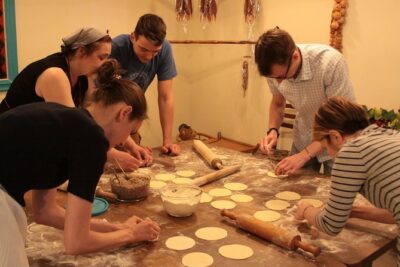
Cook True Ajarian Khachapuri and Khinkali in Highlanders Style
Read our review →
Taste of Kakheti: Wine Tour Bread Baking & Churchkhela Workshop
Read our review →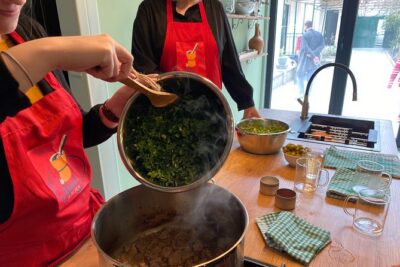
Nana’s Kitchen – traditional Georgian cooking class at real Georgian family home
Read our review →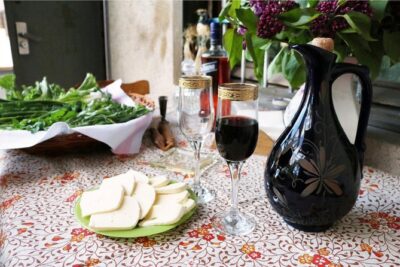
Join a Local for a Market Tour, Cooking Class and Meal in her Tbilisi Home
Read our review →
One Day Kakheti Tour with Wine Tasting and Free Churchkhela
Read our review →Browse the lists this tour appears in