
Reviewed · GEORGIAN FEAST & COOKING WORKSHOPS
Nana’s Kitchen – traditional Georgian cooking class at real Georgian family home
One kitchen, one family, and a full Georgian feast. I love how this class turns Suprа hosting from a concept into something you actually practice, and I love the warm, patient way Nana and Nina guide you step by step. The only drawback to note is that the evening format means you want a comfortable pace, because it runs long enough to feel like dinner, not a quick lesson.
This is not a demo kitchen. You cook alongside your hosts, taste what you make, and finish with a traditional Supra-style dinner in their home setting.
You’re paying $110 per person for 3 hours plus dinner, homemade wine, and a recipe booklet, so it’s best if you enjoy hands-on learning and want real Georgian flavor you can reproduce later.
In This Review
- Key things to know before you go
- A real Georgian Supra starts before you touch the dough
- The 3-hour flow, from wine intro to Supra dinner
- 1) Arrival and the Supra warm-up with homemade wine
- 2) In the kitchen, you cook five dishes with hands-on guidance
- 3) Eat what you made, in Supra style
- How Nana and Nina teach, and why that changes the results
- What you take home: recipe booklet and real cooking confidence
- Price and value: when $110 feels fair
- Where you meet in Tbilisi, and what to plan for
- Who should book Nana’s Kitchen
- FAQ
- How long is Nana’s Kitchen in Tbilisi?
- What language is the class offered in?
- What dishes will I cook during the class?
- Where do I meet for the experience?
- Is this a private group experience?
- Can I get a refund if I cancel?
- Should you book Nana’s Kitchen?
Key things to know before you go
- Small-group, family-home feel: You get guidance at human scale, not a crowd drill.
- Supra isn’t just dining: You learn what hosting means and then experience it at the table.
- You cook five dishes: From spinach paste to walnut-spice mains and seasonal favorites.
- Homemade wine starts the evening: You begin with wine from the family’s vineyards.
- Take-home recipes and even starter spices: You leave with tools, not just memories.
Other Georgian feast and cooking workshops:
- Tbilisi: Georgian Cooking Class with Khinkali and Khachapuri★ 4.7 · 1,146 reviews
- Small-Group Khinkali and Khachapuri Cooking Class in Tbilisi★ 4.5 · 224 reviews
- Tbilisi: Cooking Class with a Local Family★ 5.0 · 104 reviews
- Cook True Ajarian Khachapuri and Khinkali in Highlanders Style★ 5.0 · 93 reviews
A real Georgian Supra starts before you touch the dough
In Tbilisi, you can eat Georgian food almost anywhere. What’s special here is that you learn the culture of hosting, not just the technique of cooking. Supra is the heart of a Georgian feast, with food, wine, toasts, and the rhythm of welcoming people into your home.
This class builds that meaning into the evening. You start with a glass of Georgian homemade wine from the family vineyards, then get a short introduction to Supra and how Georgian cuisine developed over time. Even if you’ve read about Georgian feasts before, the explanation lands better when it’s paired with what you’ll cook and eat later.
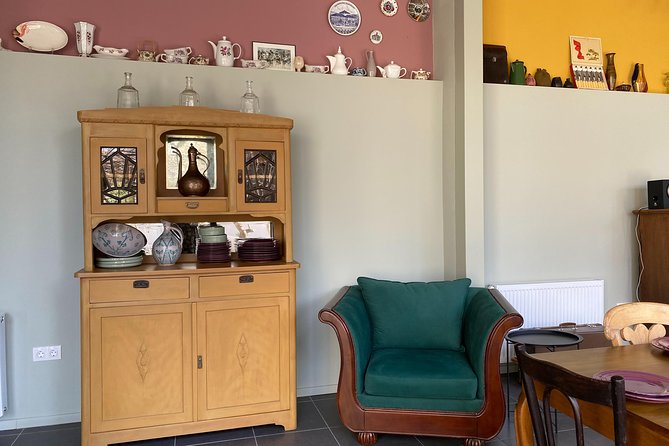
The setting matters too. You’re at a real family home, where the energy is relaxed and personal, not staged. That tone shows up in how Nana and Nina teach, with lots of smiling, patience, and time for questions as you work.
The 3-hour flow, from wine intro to Supra dinner
The schedule is designed like a full evening, not a timed workshop. The listed hours run in the evening window, and the class is about 3 hours long, ending back at the meeting point. Plan this as dinner in your day, because you’ll cook and then eat together.
1) Arrival and the Supra warm-up with homemade wine
You begin with a glass of homemade Georgian wine from the family vineyards. That first sip is more than a welcome gesture. It sets the mood for Supra, which is about sharing food and celebrating together, not rushing through plates.
Then you get a short orientation: what Supra is, why Georgian cuisine matters, and the key influences that shaped the flavors you’ll taste. It’s concise enough to stay focused, but it gives you a framework for understanding why the dishes use certain herbs, nuts, and sauces.
2) In the kitchen, you cook five dishes with hands-on guidance
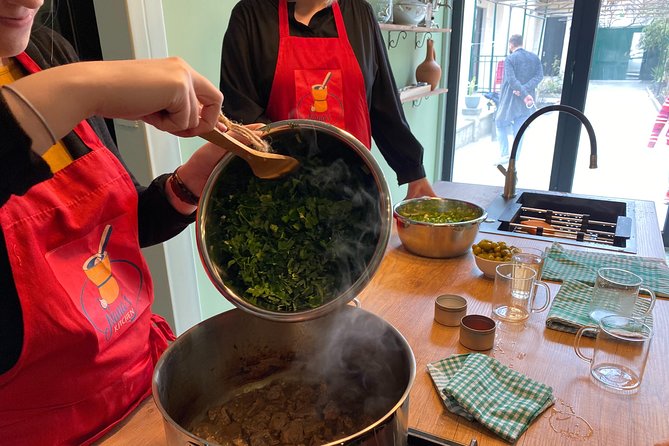
After the intro, you head into the kitchen and start rolling up your sleeves. The class is structured so you’re not watching the whole time, and you’re not guessing either. Nana and Nina guide you through steps, and the assistants help keep the process moving while you learn the “why” behind the moves.
The menu in the class is centered on five dishes. You can expect a starter and then multiple mains, with one dish seasonal. If you’re the type who likes to compare flavors, you’ll notice how often walnuts, spice mixes, and fresh herbs show up across the menu. It’s Georgian comfort food with a distinct nutty, aromatic backbone.
Here’s a realistic sense of what you’ll make:
Starter: Traditional Spinach Paste
This is a great entry dish because it teaches you how Georgian-style spinach gets creamy and flavorful. You learn how to season so it tastes more than just cooked greens. If you’re worried you won’t know what to do, this starter usually builds confidence fast, since it’s hands-on but not overly complex.
Main: Red Peppers with Traditional Walnut and Spice Mix
This one shows off Georgian balance: sweetness from peppers, depth from walnuts, and warmth from spices. You’ll learn how to combine the walnut-spice mix so it tastes cohesive rather than gritty or flat. It’s the kind of dish that becomes a party favorite because it’s flavorful at room temperature too.
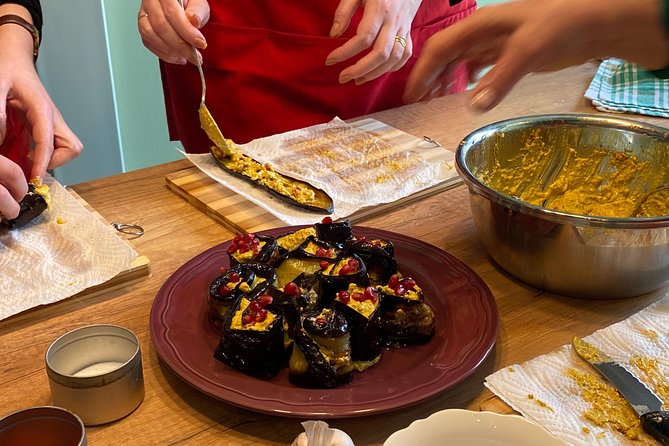
Main: Fried Eggplants with Walnuts
Eggplant is a classic Georgian ingredient, and walnuts make it feel both rich and grounded. You’ll get practical tips on frying and on pairing eggplant with the walnut component. The result is the kind of dish people ask about when you set it on a table.
Main: Chakapuli (seasonal veal with tarragon) OR Chakhokhbili
This is where Georgia feels alive, because the choice can vary by season. Chakapuli brings a tangy, herb-forward profile with tarragon, and it uses veal when available. Chakhokhbili leans into a tomato-herb style, which makes it feel lighter even when it’s deeply satisfying. Either way, you learn a signature Georgian “main event” sauce style, not just one-off flavors.
You’ll cook based on guidance and demonstration, and you make decisions along the way. That matters because recipes only stick when your hands remember them, and your brain connects ingredients to technique.
Other cooking classes in Tbilisi:

3) Eat what you made, in Supra style
The class concludes with dinner conducted as a traditional Supra. In other words, the meal is part of the lesson. You get the feast structure in a way that helps you understand how Georgians make hospitality feel ceremonial without making it stiff.
The pacing is relaxed and social. You’re not being herded through a tasting menu; you’re eating together, with the food you prepared at the center of the table. That’s why this class is so effective for learning. Your memory locks in when you taste the final versions while the hosts explain what makes each dish work.
How Nana and Nina teach, and why that changes the results
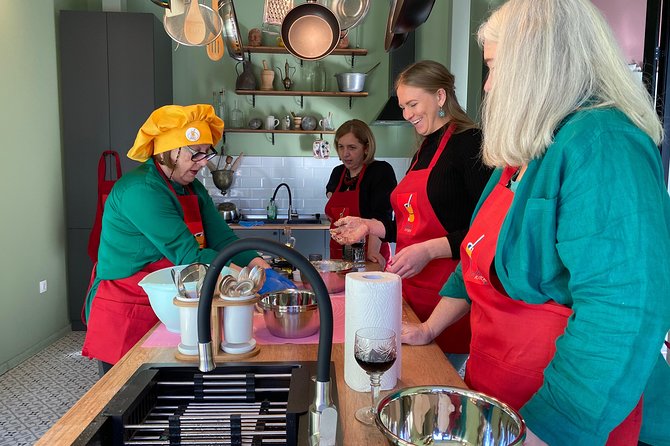
What stands out is the teaching style. Nana and Nina are described as warm, welcoming, and patient, with lots of smiles and step-by-step explanations. That kind of attention is more than kindness. It’s practical cooking help, especially if your experience with Georgian cuisine is limited.
You also get a little history and ingredient context as you cook. That’s not “extra talk,” it’s the thing that helps you cook again later. When you understand where certain flavor patterns come from, you can adjust at home instead of following a fragile script.
You may also get options related to your dish choices. The class includes a defined menu, but you’re not necessarily forced into a single rigid set of outcomes. If you like having some control, this is a good fit.
And since it happens in a family home, you learn the vibe of the meal too. That matters if you want to host your own “Georgian party” back home, where atmosphere is half the recipe.
What you take home: recipe booklet and real cooking confidence
This class doesn’t end when the plates are cleared. You receive a recipe booklet with the dishes you cooked, so you can recreate the five dishes after you return home. That’s key for value, because most cooking classes give you memories but not usable instructions.
A smart touch is that you may also leave with small extras for re-make flavors. Some people report taking starter spices home to help reproduce the dishes. Even without that, the recipe booklet plus the tasting experience gives you enough to rebuild the flavor profile.
I like that the dishes are organized around staple Georgian elements you can keep buying. Walnut-based sauces, herb-forward mains, and pepper-forward starters are not one-time ingredients that disappear after your first attempt. If you cook again, you won’t feel like you need a Georgian supply chain.
Price and value: when $110 feels fair
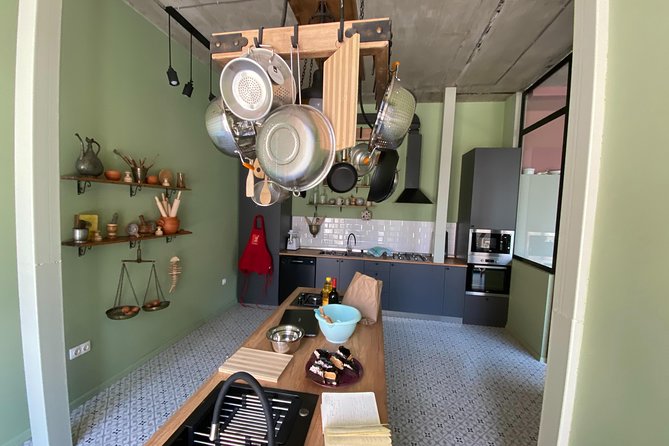
At $110 per person for about 3 hours, this is not the cheapest activity in Tbilisi. But it can be one of the best-value culinary experiences if you care about both learning and eating.
You’re getting several things bundled together: hands-on cooking, dinner on a Supra-style table, homemade wine at the start, and a recipe booklet to repeat the experience at home. When you add all that up, the cost makes sense as an evening meal plus skills transfer, not just a class.
If you’re the kind of traveler who wants to watch from a distance, this won’t be the best use of money. If you want to actually work, taste, and ask questions, it’s a strong deal. The small-group approach helps keep the attention on you, which makes the learning stick better.
Where you meet in Tbilisi, and what to plan for
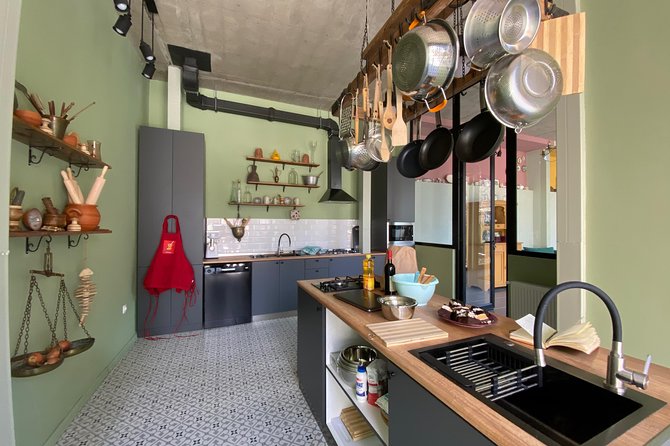
You meet at 26 Guram Rcheulishvili St, T’bilisi 0179. The activity ends back at the meeting point, so you’re not left figuring out how to get home after dinner.
The timing is set for evening hours. Opening hours list Monday through Friday from 7:00 PM to 11:00 PM, and the experience itself runs about 3 hours. I recommend planning it as your main evening plan, not as a quick stop between other activities. It’s designed to be a full, food-centered night.
It’s also near public transportation, and service animals are allowed. If you prefer using transit over taxis, this location should work well for most schedules.
Who should book Nana’s Kitchen
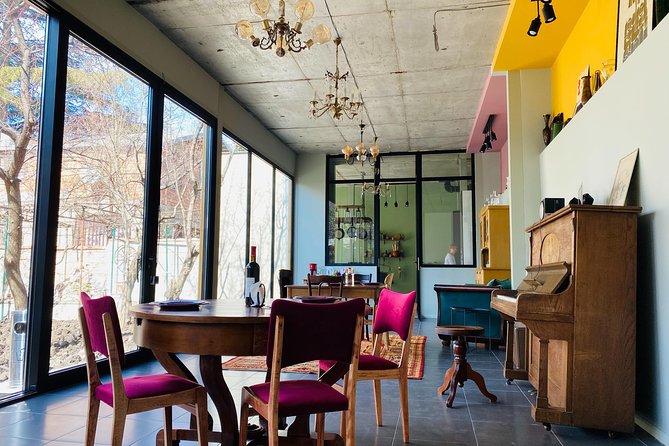
This experience is ideal if you want authentic Georgian food made in a home setting with real hosting culture. It’s also a great choice for couples and families who want a friendly, shared activity rather than a formal tour.
You’ll especially enjoy it if:
- You like cooking and want step-by-step guidance.
- You want to understand Supra as a cultural practice, not just a meal.
- You want a take-home recipe booklet you’ll actually use.
- You’re excited by walnut sauces, spice mixes, and herb-forward Georgian flavors.
If you hate food that requires hands-on work, or if you want a strictly timed, minimalist experience, you might find it a bit too cozy and social. But for most people, that friendliness is exactly the point.
FAQ
How long is Nana’s Kitchen in Tbilisi?
The cooking class is about 3 hours long.
What language is the class offered in?
The class is offered in English.
What dishes will I cook during the class?
You’ll learn to make five Georgian dishes, including Traditional Spinach Paste, Red Peppers with Traditional Walnut and Spice Mix, Fried Eggplants with Walnuts, and either Chakapuli (seasonal veal in tarragon) or Chakhokhbili.
Where do I meet for the experience?
You meet at 26 Guram Rcheulishvili St, T’bilisi 0179, Georgia, and the activity ends back at the meeting point.
Is this a private group experience?
Yes. It is a private tour or activity, and only your group will participate.
Can I get a refund if I cancel?
No. The experience is non-refundable and cannot be changed for any reason.
Should you book Nana’s Kitchen?
I think you should book this if your goal is to learn real Georgian cooking in a way that you can repeat at home. The combination of hands-on cooking, a Supra-style dinner, and homemade wine makes it feel like an evening with a family, not a factory class.
It’s also a good fit when you want a small-group experience and you care about understanding what you’re making, not just copying steps. If that sounds like you, this is one of the best ways to leave Tbilisi with both better cooking skills and a stronger feel for how Georgians host.
Newer trips around Tbilisi
- Tbilisi Private Dinner: Georgian BBQ & Fireplace
★ 5.0 · 1 review - Tbilisi: Khinkali Tasting Lunch with Local Drinks and Pickup
★ 5.0 · 1 review - Day trip in Kakheti-wine tour
★ 5.0 · 1 review - Tbilisi & Mtskheta bus tour hop on hop off
★ 5.0 · 1 review - Tbilisi: Christmas Market & Hidden Gems Guided Walking Tour
★ 5.0 · 1 review - Stalin’s Secrets: An Underground Journey Through History
★ 5.0 · 1 review
Georgian Feast & Cooking Workshops, compared.
Georgian Cooking Class with Khinkali and Khachapuri
Read our review →
Small-Group Khinkali and Khachapuri Cooking Class in Tbilisi
Read our review →
Cook True Ajarian Khachapuri and Khinkali in Highlanders Style
Read our review →
Taste of Kakheti: Wine Tour Bread Baking & Churchkhela Workshop
Read our review →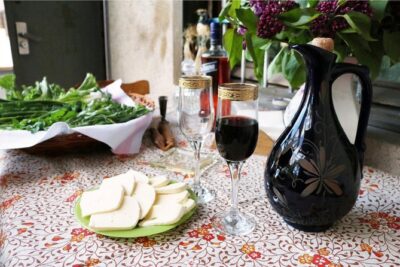
Join a Local for a Market Tour, Cooking Class and Meal in her Tbilisi Home
Read our review →

One Day Kakheti Tour with Wine Tasting and Free Churchkhela
Read our review →Browse the lists this tour appears in