
Reviewed · MTSKHETA ANCIENT CAPITAL TOURS
From Tbilisi: Mtskheta, Jvari, Svetitskhoveli & Samtavro
Georgia’s ancient faith starts here. This half-day route links UNESCO Mtskheta with two standout church sites, Jvari Monastery and Svetitskhoveli, in a way that makes the story feel clear fast. I especially like how the tour pairs big landmarks with the places where Georgia’s Christian identity took shape, and I like the short guided explanations that help you notice details without getting stuck in a lecture. One thing to keep in mind: the schedule is tight, so if your goal is lots of wandering time in town, you may wish it ran a bit longer.
The upside is that you still get meaningful walking at each stop, plus free time for photos and a slower look. The tradeoff is that the final chunk in Mtskheta is brief, so go in with a plan for what you want to see, not just where you want to stroll.
In This Review
- Key things that make this tour worth your time
- From Vakhtang Gorgasali Square to Mtskheta: the day’s simple setup
- Jvari Monastery: the small temple with big symbolism
- Svetitskhoveli Cathedral: Georgia’s historic Christian center
- Samtavro Monastery: a bishop’s church tied to Georgia’s first Christian rulers
- Mtskheta UNESCO city time: short free wandering with smart priorities
- What you’re really learning about Georgia’s formation in one route
- Price and value: why $20 can work if you want guidance
- Who this trip suits best
- Smart, practical tips before you go
- Should you book the Mtskheta, Jvari, Svetitskhoveli and Samtavro tour?
- FAQ
- Where does the tour meet and end?
- How long is the tour?
- How much does the tour cost?
- Which sites are included?
- What languages are the live guides available in?
- Is there free cancellation or pay-later booking?
Key things that make this tour worth your time
- UNESCO Mtskheta plus three churches: you cover the major spiritual sites that define the area’s reputation.
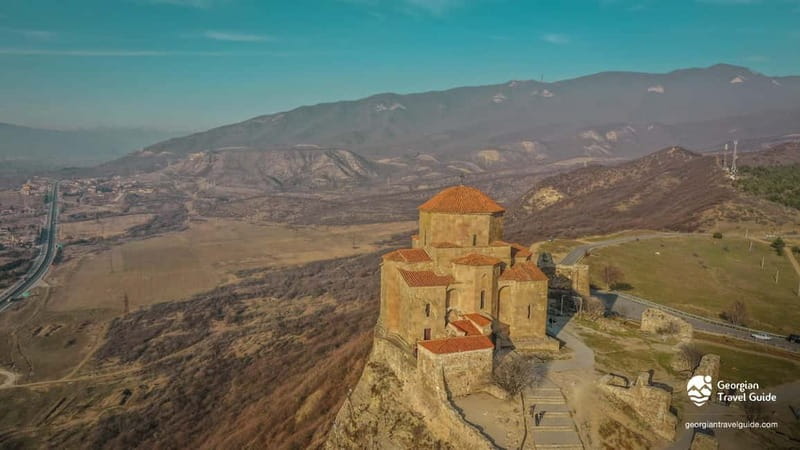
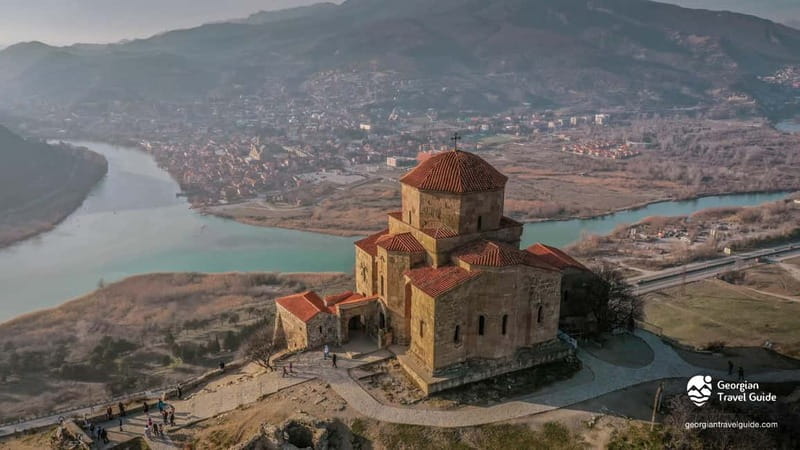
- Jvari’s river-meeting viewpoint: the location where the Kura and Aragvi rivers symbolically come together.
- Svetitskhoveli as Georgia’s historic church center: the largest surviving historical church in the country, and a centuries-long hub of Christian Georgia.
- Samtavro’s connection to Mirian III and Queen Nana: the burial place of Georgia’s first Christian rulers.
- Guided pacing in comfortable transport: a minivan or bus keeps moving days simple.
Other Mtskheta and Jvari trips:
- Mtskheta – Jvari Private Tour + Chronicles of Georgia★ 4.8 · 49 reviews
- Tbilisi, Jvari & Mtskheta – One day group tour from Kutaisi★ 4.4 · 34 reviews
- Georgia Day Trip: Mtskheta, Jvari, Uplistsikhe & Gori★ 4.8 · 21 reviews
- From Tbilisi:FullDay Tour to Mtskheta,Jvari,Gori&Uplistsikhe★ 4.6 · 10 reviews
From Vakhtang Gorgasali Square to Mtskheta: the day’s simple setup
This tour runs about 4.5 hours and starts and ends at Vakhtang Gorgasali Square. You travel in a comfortable minivan or bus, which matters because Mtskheta is a day-trip style outing from Tbilisi. The time is structured so you spend more minutes looking at the sites and less time figuring out transit logistics.
The meeting point is listed as i love tbilisi. Once you’re on board, you’ll have a live guide speaking English or Russian, and that makes a big difference at places like Svetitskhoveli and Jvari, where a quick bit of context helps you understand what you’re actually seeing.
Pack for walking. The stops include dedicated walk time (around 45 minutes at Jvari, 40 at Svetitskhoveli, and 40 at Samtavro), plus a shorter 30-minute sightseeing window in Mtskheta. That means good shoes are more useful than perfect outfits. Also, expect the day to move. There are breaks, photo stops, and free time, but it still feels like a guided route, not a slow roaming day.
Jvari Monastery: the small temple with big symbolism
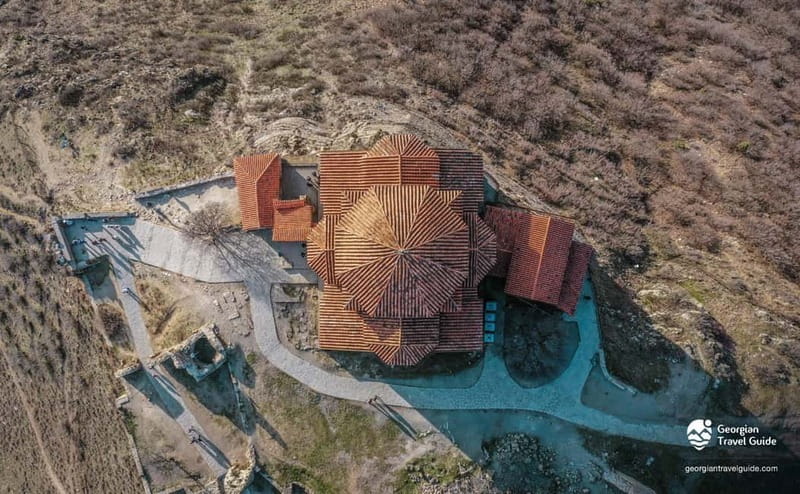
Jvari Monastery is brief in time, but it’s a heavyweight stop in meaning. You’ll have about 45 minutes here, with a guided visit plus time to take photos and move around at your own pace.
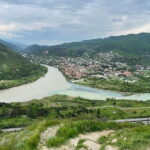
What you’re really going for is the setting and the idea tied to it. Jvari is described as the pinnacle of Georgian architecture in a smaller form, and you get explanations of why it’s so admired. The location is especially important because it’s associated with the symbolic meeting place of the Kura and Aragvi rivers. Even if you’re only catching part of the view, the guide’s framing helps you connect the architecture to the landscape and the story.
Practical tip: at Jvari, prioritize photos early if the light is good when you arrive. When you get to the free-time window, you’ll likely feel rushed if you spend your first minutes only hunting for the perfect angle. Taking the best shots early gives you permission to slow down later and actually look.
Potential drawback: because the stop includes both guided time and walking, people who want long, quiet solitude at a viewpoint might find 45 minutes a bit short. Still, Jvari is the kind of place where a compact stop can work, because the monastery’s meaning lands fast once someone points you to what to notice.
Svetitskhoveli Cathedral: Georgia’s historic Christian center
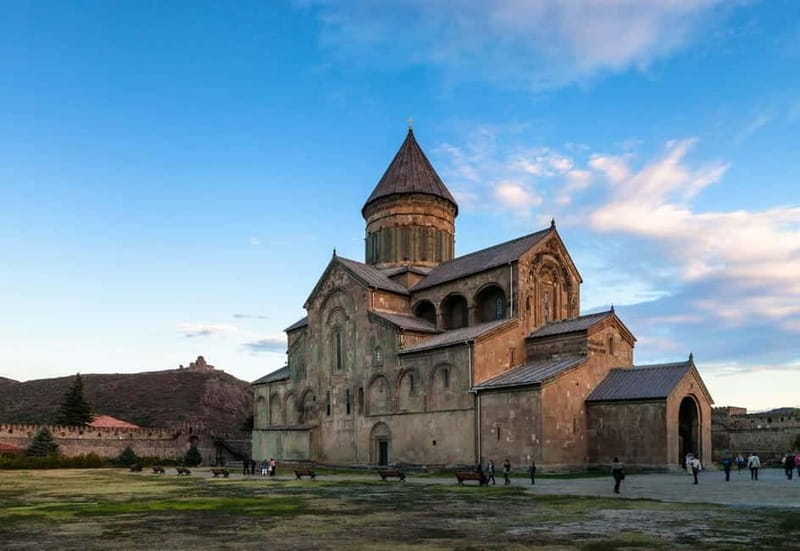
Next comes Svetitskhoveli Cathedral, where your visit time is about 40 minutes including a guided tour, photo stop, and free time. This is the biggest “wow” stop for many visitors because it’s both monumental in reputation and specific in detail.
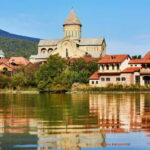
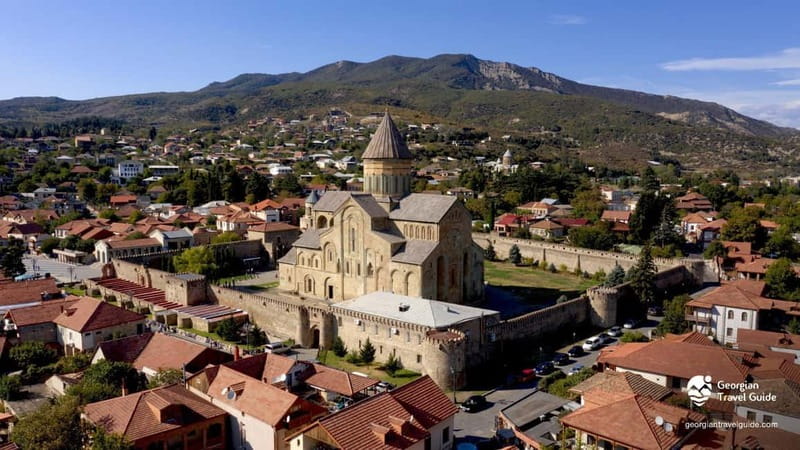
The tour frames it as the largest historical church in Georgia that still survives in its historical form. It also explains that, for centuries, Svetitskhoveli functioned as the center of Christian Georgia. That matters because it turns the visit from a simple sightseeing stop into a chance to understand how religious life shaped public identity in the region.
What I like about this part of the tour is how the guide-led explanation makes the cathedral feel less like a fixed monument and more like a living piece of history. You’re given background on its construction and its past role, so when you look around, you’re not just staring at stone and decorations. You can connect the visual details to centuries of purpose.
How to get the most out of your guided time: don’t wait until the end to ask questions. If you hear something surprising during the tour, keep your attention on that point while you’re on your feet. The cathedral visit time includes walking, but it’s not so long that you can lose track and end up only skimming the highlights.
One real value point from the experience: the Svetitskhoveli stop is often run with a high level of professionalism. The goal is that you leave feeling like you actually understood the place, not just passed through it.
Samtavro Monastery: a bishop’s church tied to Georgia’s first Christian rulers
After Svetitskhoveli, the tour heads to Samtavro Convent, with about 40 minutes here including guided time, photo stops, free time, and even shopping. This is where the day shifts from big architectural reputation to personal historical stakes.
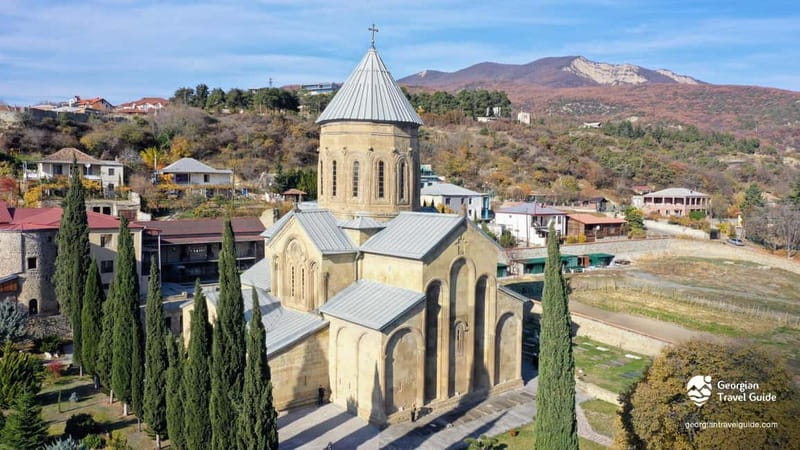
Samtavro is described as a bishop’s church from the first half of the 11th century. That date is useful because it puts the site in a specific historical period, instead of leaving it vague. More importantly, you learn about the burials connected to the dawn of Christianity in Georgia.
The tour highlights that Mirian III and Queen Nana are buried at Samtavro, and that they are the first Christian rulers of Georgia. When you hear that before you walk around the site, it changes the way you look. You’re not treating it like just another church stop. You’re visiting a place connected to the people whose choices shaped the region’s religious direction.
Practical tip for this stop: use your guided portion for clarity about what you’re seeing, then use free time to focus on atmosphere. Samtavro feels different from Jvari and Svetitskhoveli because it’s not only about architecture. It’s about the site’s role in a chain of events that helped form Georgia’s identity.
Also, the presence of shopping time is a small but smart bonus. Even if you’re not buying much, it’s a moment to pick up small reminders without needing extra planning.
Still around Mtskheta? These come up often:

Mtskheta UNESCO city time: short free wandering with smart priorities
After the three landmark sites, you finish with a 30-minute sightseeing window in Mtskheta itself. This is your chance to connect the dots between the monuments and the town around them.
Because the time is limited, this is where your choices matter. If you’re into photography, use this window to get one or two extra streets or angles that help your day feel complete. If you’re more into history, treat it like a reset point: take a slow walk, read what you can, and let the day’s guided stories settle in.
A consideration to weigh: 30 minutes sounds like enough until you’re standing somewhere you wish you could linger longer. If your dream is to roam the town at your own pace and not just capture a few extra photos, you may feel the schedule nudges you along.
Still, as a first-time visit from Tbilisi, a short town finish makes sense. You’re not leaving empty-handed, and you’re not wasting hours on transit. You’re simply being selective.
What you’re really learning about Georgia’s formation in one route
This tour does something practical: it ties architecture to historical formation. It isn’t just a checklist of religious buildings. It explains Mtskheta’s role in the formation of Georgia as a state, and it connects that political story to cultural and religious development.
Here’s how it comes together in the flow of stops:
- Mtskheta as an UNESCO World Heritage city is the anchor. You start from a place considered crucial to Georgia’s story.
- Svetitskhoveli gives you a sense of how Christianity became a center of public life for centuries, not something private or distant.
- Jvari brings symbolism to the surface, linking architecture to the idea of rivers meeting and to the dramatic viewpoint that makes the story feel geographic.
- Samtavro makes the story personal by focusing on Mirian III and Queen Nana, the first Christian rulers of Georgia, tied to their burial place.
If you like history that feels connected to real stone and real places, this route is well matched. You can walk away understanding why people keep returning to these specific sites again and again.
Price and value: why $20 can work if you want guidance
The price is listed at $20 per person for a 4.5-hour guided day trip that includes comfortable transport and multiple major sites. For a short outing, that can be excellent value because you’re paying for three things at once:
- A live guide in English or Russian, which improves how much you understand at each stop.
- Transport by minivan or bus, which saves time and effort compared to piecing together your own route.
- A guided pacing plan, meaning you hit the core landmarks without spending energy figuring out the order.
What you should be careful about: value depends on your goals. If you’re the type who wants to spend a whole day in Mtskheta, this half-day format may feel limiting. If you want the highlights with context and you’re staying in Tbilisi for a shorter window, it’s a strong match.
Given the quality signals around the organization and the professionalism of the guide at major stops like Svetitskhoveli, this feels like a tour built for first-timers and history lovers who want a clean, efficient day.
Who this trip suits best
This works best if you’re:
- In Tbilisi and want a half-day plan that gets you out to Mtskheta and back without stress
- Interested in Georgian Christian history and how it shaped the region
- Happy with a mix of guided time and free time (so you learn, then still get to wander and photograph)
- Traveling with someone who wants big landmarks but also likes the story behind them
It may not be ideal if you:
- Want a very slow, self-directed day with long free exploration time
- Prefer to spend most of the day in town streets rather than at specific monuments
Smart, practical tips before you go
- Bring a small camera plan: at Jvari and Svetitskhoveli, use the first photo window wisely so you’re not sprinting later.
- Plan your walking energy: the tour includes real walks at each stop, so good shoes matter more than anything fancy.
- Choose one priority for Mtskheta city time: since you only get about 30 minutes there, decide in advance what you want most, a street view, a photo angle, or a slower look.
- Use the guide’s rhythm: the tour is structured with guided tours plus free time. You’ll get more out of it if you listen actively during the guided parts and save your questions for those moments.
Should you book the Mtskheta, Jvari, Svetitskhoveli and Samtavro tour?
I’d book it if you want an efficient, story-focused half-day that hits UNESCO Mtskheta and the major church sites that define this part of Georgia. The combination of guided context, comfortable transport, and well-organized timing makes it a smart use of limited time.
I would hesitate only if your top priority is lots of unstructured time in the town itself. This route is designed to show you the core landmarks clearly, not to let you drift for hours.
If your schedule is flexible, you can also feel good about the booking options listed, including free cancellation up to 24 hours before and the option to reserve now and pay later. That lowers the risk if you’re juggling multiple day trips from Tbilisi.
FAQ
Where does the tour meet and end?
The tour meets at i love tbilisi at Vakhtang Gorgasali Square and returns to Vakhtang Gorgasali Square.
How long is the tour?
The duration is 4.5 hours.
How much does the tour cost?
The price is $20 per person.
Which sites are included?
You’ll visit Jvari Monastery, Svetitskhoveli Cathedral, Samtavro Convent, and Mtskheta.
What languages are the live guides available in?
The live tour guide is available in English and Russian.
Is there free cancellation or pay-later booking?
Yes. The tour offers free cancellation up to 24 hours in advance for a full refund, and it also offers a reserve now, pay later option.
Newer trips around Mtskheta
- From Tbilisi: Private Jvari & Mtskheta Tour
★ 5.0 · 1 review - Private Day Trip to Uplistsikhe, Mtskheta, Jvari & Gori
★ 5.0 · 2 reviews - Tbilisi: Private Tour of UNESCO Wonders & Ancient Georgia
★ 5.0 · 2 reviews - UNESCO Gems of Mtskheta – Old Capital of Georgia
★ 5.0 · 3 reviews - Jvari, Mtskheta, Gori & Uplistsikhe tour from Kutaisi
★ 5.0 · 3 reviews - Private Mtskheta Tour: UNESCO Sites & Secret Shio-Mgvime
★ 5.0 · 4 reviews
Mtskheta Ancient Capital Tours, compared.
Mtskheta, Jvari, Gori and Uplistsikhe Day Tour
Read our review →
Mtskheta Jvari Bazaar, Chronicles of Georgia & Wine
Read our review →
Mtskheta,Jvari,Bazaar,wine tasting,Chronicles of Georgia
Read our review →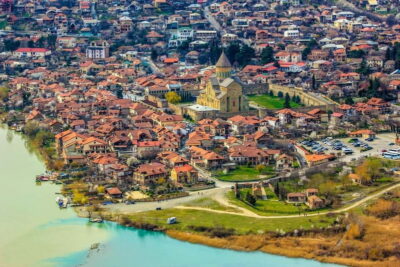
The Chronicles of Georgia, Jvari & Mtskheta Tour
Read our review →
Browse the lists this tour appears in