
Reviewed · CHIATURA & TSKALTUBO SOVIET TRIPS
Kutaisi: Tskaltubo Abandoned Soviet-Era Spas Tour
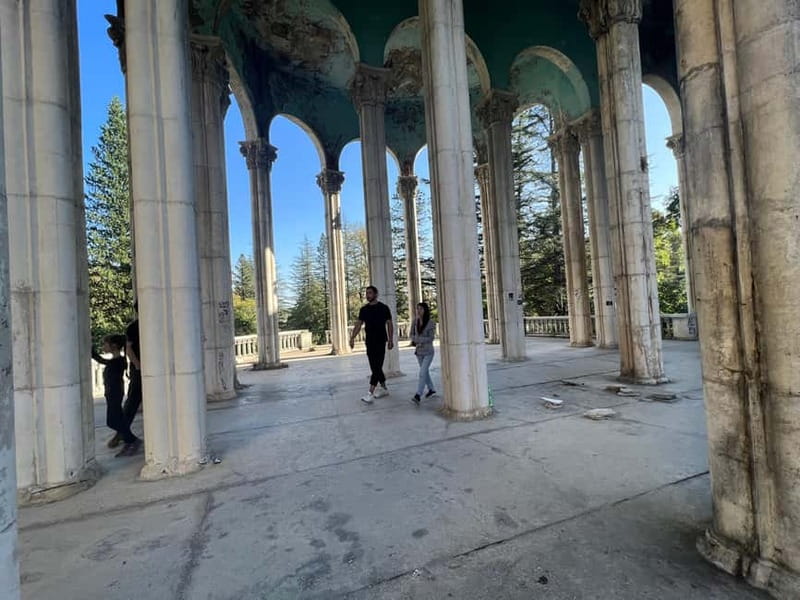
Tskaltubo feels like a time capsule. On this guided 4-hour ride from Kutaisi, I love how the tour turns Medea’s colonnade into a photo stop and how you can still recognize 1960s hotel interiors inside the abandoned buildings. The town’s Soviet spa story, told on site, helps the decay feel meaningful instead of just spooky.
One thing to factor in: this is urbex-style exploration. You’ll be walking through places with trash, broken glass, splintered wood, and crumbling concrete, so you need solid footing and an eye for safety.
I also like the pacing and the small group setup, limited to 7 participants, so your English guide can slow down at the spots that matter most and keep everyone moving safely.
In This Review
- Key highlights to know before you go
- Kutaisi pickup and the ride to Tskaltubo
- How the tour works in 4 hours (and why the timing feels tight)
- Sanatorium Medea: colonnade photos and original 60s room details
- Metallurgist sanatorium: chandelier entrance, theater hall, and metalwork
- Spring N6 and Stalin’s bathhouse: the working side of the story
- The nearby abandoned bathhouse: short stop, good atmosphere
- What to bring and how to stay safe in Soviet ruins
- Who this tour is best for (and who should skip it)
- Value check: what you get for your half-day
- Practical notes for your day in Georgia
- Should you book the Kutaisi to Tskaltubo Soviet spas tour?
- FAQ
- How long is the Kutaisi to Tskaltubo tour?
- Where do I meet my guide in Kutaisi?
- What stops are included in Tskaltubo?
- Is the tour guided in English and is it a small group?
- What should I bring?
- Is this tour suitable for kids or people with mobility issues?
Key highlights to know before you go
- Sanatorium Medea (1954 to 1962), with an iconic colonnade, original 60s room details, and patios with fountains and sculptures
- Metallurgist sanatorium, known for a dramatic entry and huge chandelier, plus corridors, an old theater hall, and a restaurant hall
- Spring N6, one of the few working bathhouses still operating in Tskaltubo
- Stalin’s bathhouse connection, a special bathhouse built for his visit that frames the town’s political era
- Small group format (up to 7), helpful for safety and for asking questions in English
- Real-world building hazards, so you come prepared for uneven surfaces and follow the take-nothing, leave-no-trace rule
Other Chiatura and Tskaltubo Soviet-era trips:
- Kutaisi:Chiatura Tour with Katskhi Pillar & Cable Car★ 4.9 · 433 reviews
- Abandoned sanatoriums of tskaltubo – group tour from Kutaisi★ 4.8 · 99 reviews
- Kutaisi:Chiatura Tour with Katskhi Pillar & Cable Car Experience★ 5.0 · 95 reviews
- Kutaisi: Chiatura Cable Cars & Katskhi Pillar Guided Tour★ 4.9 · 67 reviews
Kutaisi pickup and the ride to Tskaltubo
Your day starts in Kutaisi at the Central Park columns, across the Colchis Fountain. The park is fenced and under construction right now, so expect a bit of a visual shuffle before you locate your guide.
From there, you’ll ride to Tskaltubo with transportation included, then spend the bulk of your time walking through multiple abandoned sanatoriums and bathhouses. Even though it’s a short half-day, the tour is designed to feel like a proper circuit, not a quick drive-by.
This setup matters if you want more than photos. The best part of Tskaltubo is understanding what you are looking at: why these buildings were built, who used them, and how the whole spa economy lost momentum.
How the tour works in 4 hours (and why the timing feels tight)
The tour is listed at 4 hours total. That’s enough time to get inside a few major buildings and still have stops that feel different from each other: a flagship sanatorium, another large complex with theatrical touches, and then the functioning spring bathhouse area.
Because time is limited, expect the guide to manage the flow: entrances, corridors, and interior halls are explored in a sequence that keeps you moving without lingering too long in high-risk spots. If a location becomes inaccessible, the tour route can change, so don’t plan on checking off every single room on your own mental list.
You’ll also want to treat this as walking-first, sightseeing-second. Comfortable shoes are not optional here. The same building that offers great architecture photos can also hide broken edges and uneven flooring.
Sanatorium Medea: colonnade photos and original 60s room details
Medea is the anchor stop, built between 1954 and 1962. It’s the one you’ll feel even before you enter, because the iconic colonnade gives you that classic Soviet scale: sturdy lines, grand symmetry, and a sense that the town once welcomed huge crowds.
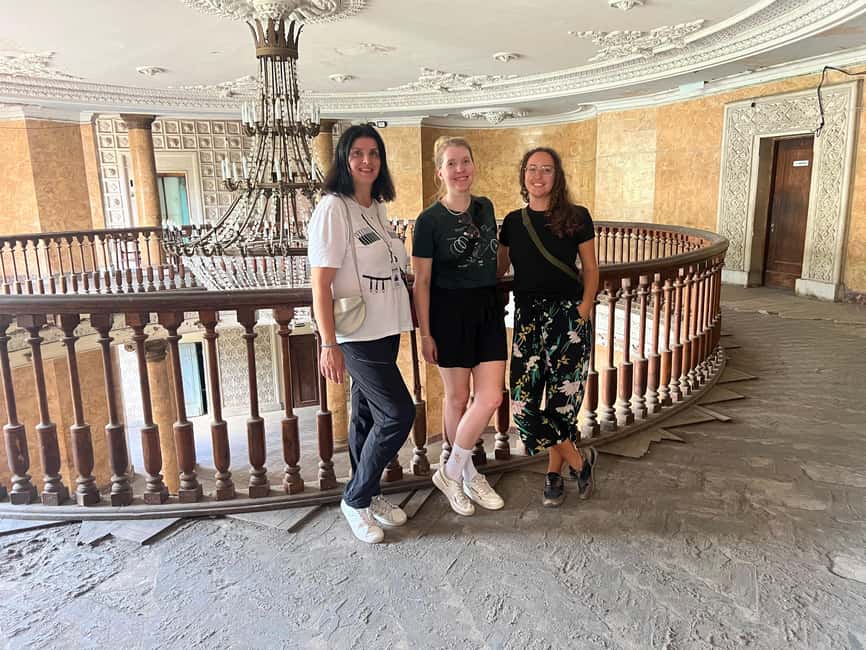
Inside, I like that Medea gives you more than one kind of scene. You can photograph the colonnade, then shift to the quieter human details. The tour includes exploring hotel rooms with original interiors from the 60s, which makes the whole place feel less like a set and more like a real facility that once ran on routine.
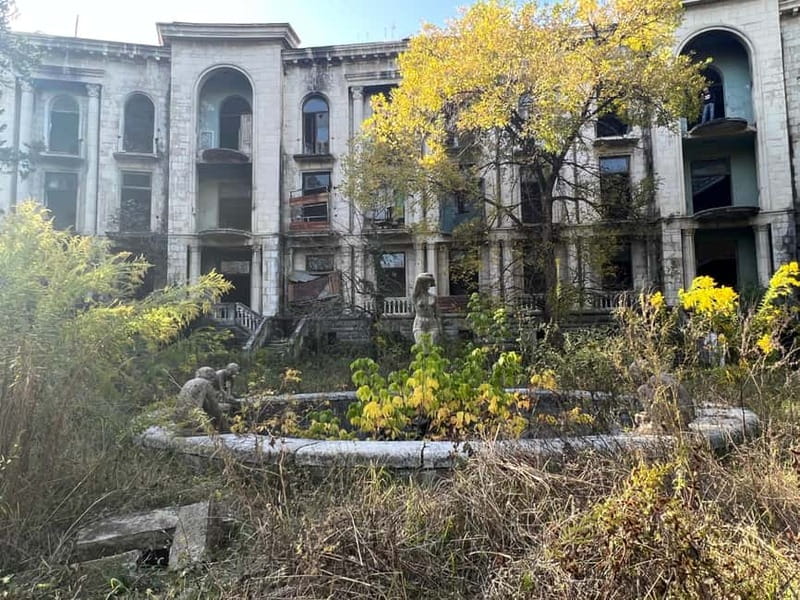
The patios add a nice contrast. You’ll see fountains and sculptures, and those outdoor bits help you read the architecture as a complete leisure environment, not just a place to sleep and bathe. Even if you’re mainly there for Urbex atmosphere, these outdoor touches keep the experience from becoming one long corridor crawl.
One consideration: interiors can be unpredictable. Even with a guide, you should expect clutter, damage, and spots where you need to step carefully or pause.
Metallurgist sanatorium: chandelier entrance, theater hall, and metalwork
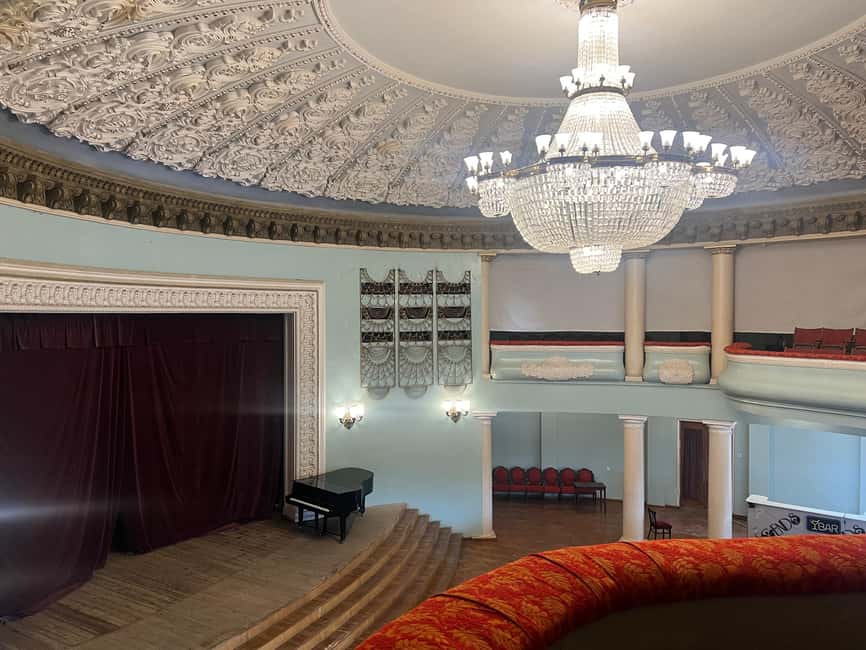
Next comes the Metallurgist sanatorium, where the “wow” factor is about drama. You’ll start with the dramatic entrance featuring a huge chandelier, and it immediately changes the vibe from institutional to almost theatrical.
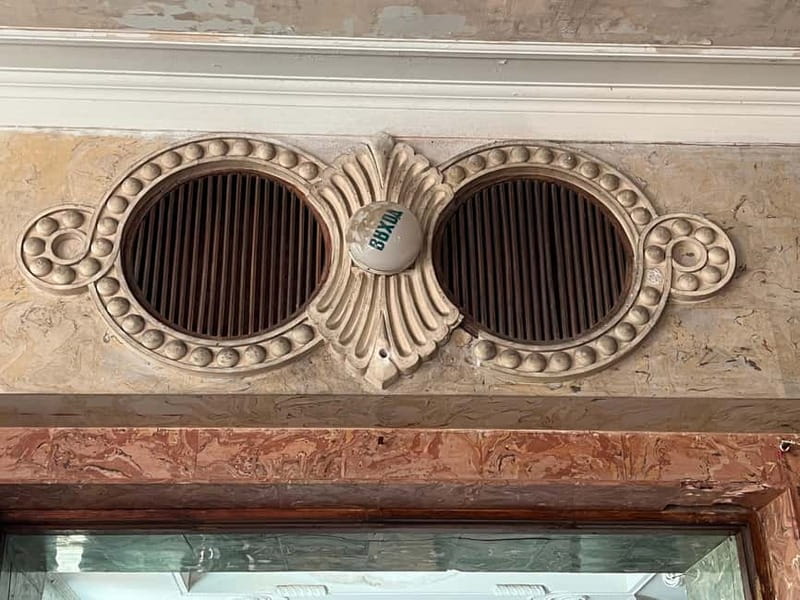
The tour also points you toward the fancy metalwork you can still see throughout the hotel areas. That matters because it helps you understand the building’s original pitch. These weren’t plain structures. In Soviet spa culture, luxury was part of the health promise, and the details were meant to communicate comfort and status.
Inside, you’ll walk with your guide through corridors and hotel spaces, then make time for two standout interior types:
- an old theater hall, where the acoustics and seating layout are still part of the visual story
- a restaurant hall, which helps you connect the spa routine to food, social time, and the broader resort experience
If you enjoy architecture, this is the stop that gives you the most “readable” building language. You start to see how circulation, entertainment rooms, and guest areas were planned as one system.
Other Kutaisi tours and day trips:
Spring N6 and Stalin’s bathhouse: the working side of the story
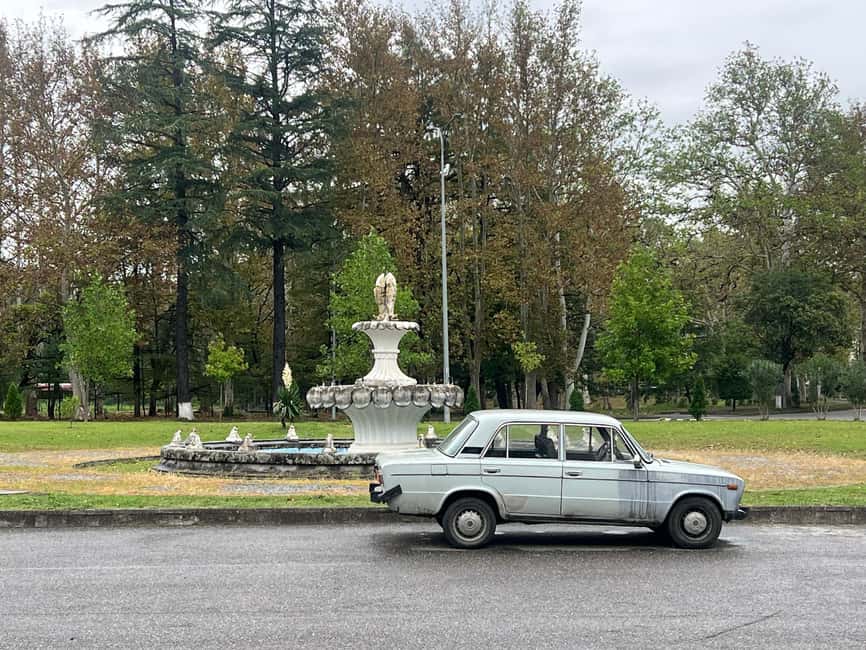
The tour’s middle-to-late highlight is Spring N6. Unlike the abandoned complexes, Spring N6 is described as one of the few bathhouses left in operation in Tskaltubo, so you get a direct sense of what is still working.
This is where the famous story lands: Tskaltubo’s waters, also called the waters of immortality. The guide will connect that phrase to the town’s rise and the era when bathers arrived by the hundreds of thousands each year. Even if you don’t buy into the legend literally, you’ll understand why the marketing was powerful. When a place sells hope, people show up.
You’ll also see the bathhouse built especially for Stalin’s visit. That stop gives the architecture an extra layer, because you can read it as a political statement as much as a medical resort feature. It’s a rare chance to connect Soviet style, power, and health tourism in a single physical place.
The nearby abandoned bathhouse: short stop, good atmosphere
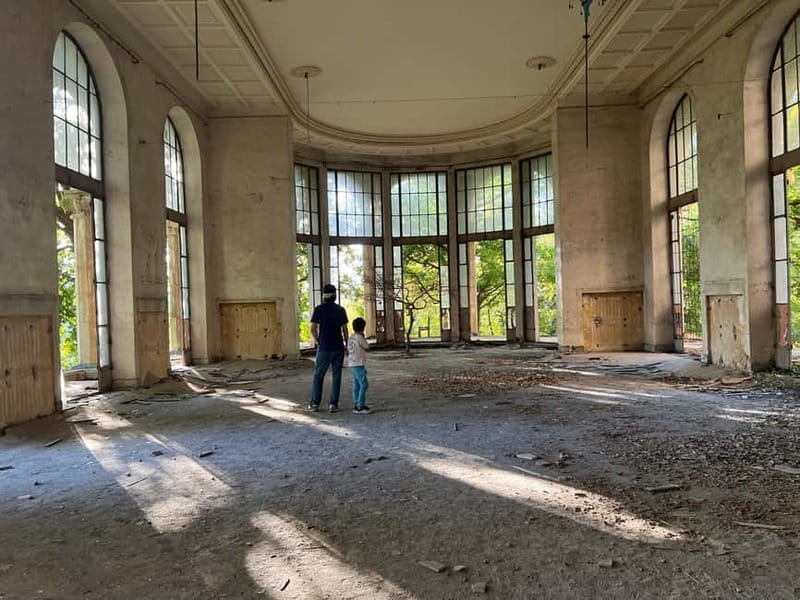
Before the tour ends, there’s a short visit to an abandoned bathhouse nearby. It’s not presented as the main attraction, but it works as a bridge: you move from the functioning Spring N6 area back into the abandoned reality.
This is also the part where you’ll appreciate the guide’s judgment. A short stop can be more valuable than a long one if the guide is choosing safer angles and passages, especially in a place with broken surfaces and old debris.
Treat this stop as a bonus. If you’re an architecture fan, you’ll likely spot the smaller design choices that echo the larger complexes.
What to bring and how to stay safe in Soviet ruins
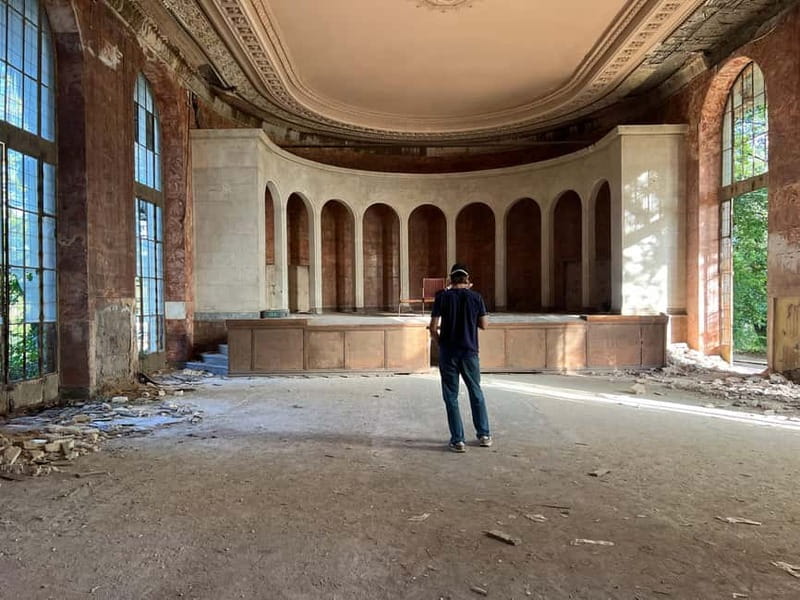
This is the kind of tour where your preparation directly affects your experience. The tour specifically warns that abandoned buildings come with real risks: trash, broken glass, splintered wood, and crumbling concrete.
Here’s what I’d do to make the day smoother:
- Wear comfortable walking shoes with good grip, because you’ll handle uneven surfaces.
- Bring water and sip regularly, especially if the weather is warm.
- Bring a camera, because the colonnade and grand entrances are strong photo subjects.
- Move slowly in interiors. Rushing is when accidents happen.
The tour also follows a classic urbex rule: take nothing but photos and leave nothing but footprints. That means no rearranging objects, no picking up items, and no touching fragile areas unless your guide is directing it as part of a safe stop.
If you’re the type who wants safe, polished visitor access, this might not be your style. If you want authentic places that still show wear up close, the trade-off is worth it, as long as you respect the hazards.
Who this tour is best for (and who should skip it)
This experience is built for people who want to see Soviet architecture in a state of real abandonment. It’s also for anyone interested in Soviet-era spa culture and the story of Tskaltubo’s rise and fall.
It’s especially a good match if you:
- like Urbex atmosphere, but want it guided rather than DIY
- enjoy architecture details like colonnades, metalwork, chandeliers, and interior halls
- want a structured half-day from Kutaisi instead of guessing how to reach and explore on your own
You should skip it if you’re looking for easy walking. The tour is noted as not suitable for children under 12, pregnant women, and people with mobility impairments. If you have a fragile balance or mobility limits, you’ll likely find the uneven surfaces too challenging even with a guide present.
Value check: what you get for your half-day
Even without prices listed, the value is clear in what’s included. Your ticket covers:
- transportation from Kutaisi and back
- a guided tour through multiple abandoned sanatoriums and bathhouses
- visits to Sanatorium Medea and Metallurgist
- exploration of an abandoned bathhouse
- Spring N6 and the special bathhouse connected to Stalin’s visit
What you’re really buying is interpretation plus access. These buildings are not friendly if you go alone, and without a guide you may miss the story threads that explain why Medea’s structure, Metallurgist’s theatrical elements, and Spring N6’s operational status all belong to one bigger system.
The small group cap, limited to 7 participants, also raises the practical value. In a place with hazards and tight routes, small groups make it easier to pause, listen, and move without feeling rushed.
Practical notes for your day in Georgia
A few ground rules will keep your experience smooth:
- Expect lots of walking on uneven surfaces, not museum-floor comfort.
- Plan for a camera and time for photos, especially at Medea’s colonnade and Metallurgist’s chandelier entrance.
- No meals are included, so you’ll want to eat before or after the tour. If you get hungry mid-day, plan a snack buffer.
- Locations can change if areas become inaccessible, so be flexible with expectations.
Should you book the Kutaisi to Tskaltubo Soviet spas tour?
Book it if you want an authentic, guided look at Soviet spa grandeur that has stopped being a resort and started being a haunting archive. The combination of Medea, Metallurgist, and Spring N6 gives you contrast: abandoned luxury, theatrical architecture, and the still-working spring bathhouse tied to the waters of immortality.
Skip it if you want easy sightseeing, step-free routes, or a safer, controlled environment. The tour is intentionally rough around the edges, and the hazards are part of the realness.
If you do book, come prepared with good shoes and water, keep your eyes on the ground, and follow your guide’s lead. With that mindset, you’ll get more than photos. You’ll leave with a clear sense of how Tskaltubo used to function, what it tried to promise, and how the buildings held onto that story long after the crowds disappeared.
FAQ
How long is the Kutaisi to Tskaltubo tour?
The tour lasts 4 hours total.
Where do I meet my guide in Kutaisi?
Meet at the Kutaisi Central Park columns, across the Colchis Fountain.
What stops are included in Tskaltubo?
You visit Sanatorium Medea and the Metallurgist sanatorium, explore an abandoned bathhouse, and also visit Spring N6, including the special bathhouse built for Stalin’s visit.
Is the tour guided in English and is it a small group?
Yes, it has a live tour guide in English, and the group is limited to 7 participants.
What should I bring?
Bring comfortable walking shoes and water. A camera is also recommended for photos.
Is this tour suitable for kids or people with mobility issues?
The tour is not suitable for children under 12, pregnant women, or people with mobility impairments.
Newer trips around Kutaisi
- Okatse Falls, Martvili Canyon and Prometheus Cave
★ 5.0 · 1 review - Private tour from KUTAISI Colourful Tbilisi, Jvari and Mtskheta
★ 5.0 · 1 review - Kutaisi uncorked: Wine Tasting at a local Family Home
★ 5.0 · 1 review - Private tour: Prometheus, Sataplia Caves Bagrati, Gelati
★ 5.0 · 1 review - Kutaisi Airport – Mestia Shared Transfer
★ 5.0 · 1 review - Tbilisi: Subaru Crosstrek 2014-2016, Rent, Self drive
★ 4.0 · 1 review
Chiatura & Tskaltubo Soviet Trips, compared.
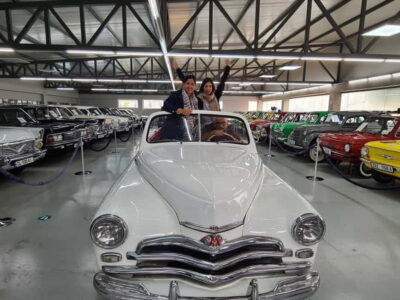

1 Day Private Armenia: UNESCO, Soviet & Curated Family Lunch
Read our review →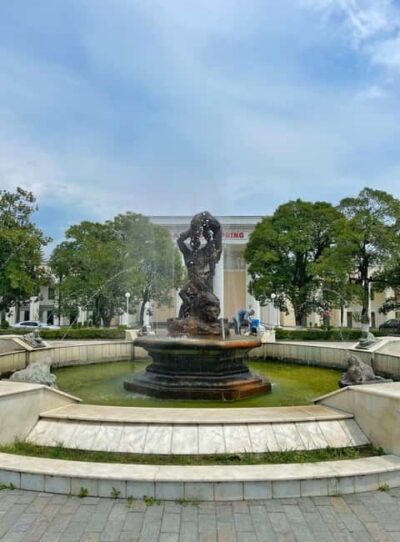
Abandoned sanatoriums of tskaltubo – group tour from Kutaisi
Read our review →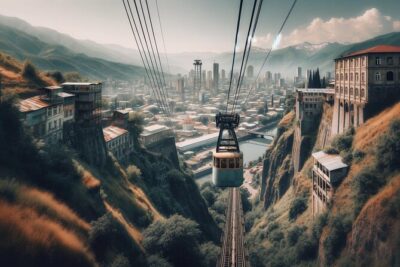
Chiatura Tour with Katskhi Pillar & Cable Car Experience
Read our review →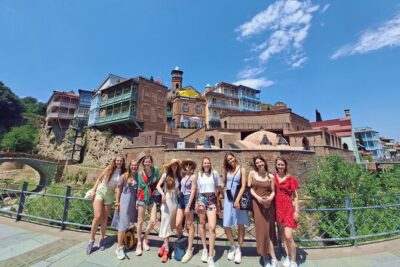
Tbilisi old town & soviet heritage – Private driver-guided Tour
Read our review →
Brutalist Tbilisi: Urban exploration and untold stories
Read our review →
Armenia: 1 Day Soviet gems, UNESCO + Family lunch (Small group)
Read our review →Browse the lists this tour appears in