
Reviewed · GORI & UPLISTSIKHE CAVE TOWN TRIPS
Soviet tour of Georgia – Gori, Tskaltubo, Chiatura, Enguri Dam.
Concrete and power stations tell real stories. This private Soviet tour strings together Tbilisi, Gori, Chiatura, Tskaltubo, and the Enguri dam into one easy plan, with a driver doing the driving and downtime built in.
I love the direct, on-the-ground feel of Soviet-era places. You see brutalist style in Tbilisi and Rustavi, then shift to Gori’s Stalin Museum, where the past is not behind glass.
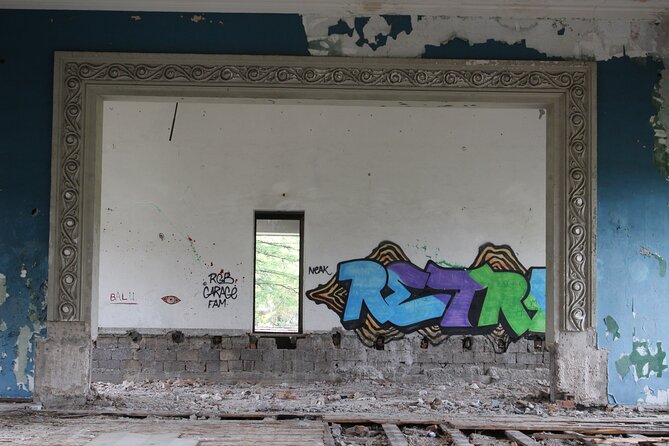
I also love the contrast between heavy Soviet infrastructure and Tskaltubo’s abandoned sanatoriums, where nature and time have started to write their own captions. The only real drawback is context: an English speaking guide is not included, so you may want to request one if you want deeper explanations than what you can read on site.
In This Review
- Key highlights you will care about
- Why this Soviet tour feels different from a checklist
- Day 1 in Tbilisi and Rustavi: brutalist blocks and Soviet city edges
- Day 2: Stalin Museum in Gori, then Chiatura and an overnight in Tskaltubo
- The Stalin Museum in Gori
- Chiatura: mining-town industrial character
- Tskaltubo overnight
- Day 3: Enguri hydropower station and the dome-shaped dam near Zugdidi
- Day 4 in Tskaltubo: abandoned sanatoriums and picking your sights on the spot
- The driver, the optional guide, and how to get the most meaning
- Meals, pace, and comfort: what the schedule implies
- Price and value: what $850 per person is really buying
- Who should book this Soviet architecture and infrastructure route
- If your booking includes extra days: ask what version you are getting
- Should you book? My practical take
- FAQ
- What is the meeting point for the tour?
- How long is the tour?
- Is pickup included?
- Is this tour private?
- Is an English speaking guide included?
- Are tickets included for attractions?
- What meals are included?
- Does the tour use a mobile ticket?
- Is the tour suitable for most people?
- Does the tour require good weather?
- Is cancellation free?
Key highlights you will care about
- A tight Soviet route that connects Tbilisi, Gori, Chiatura, Tskaltubo, and Enguri without juggling logistics
- Stalin Museum in Gori, a must for anyone who wants Soviet messaging explained in a place made for it
- Chiatura and Tskaltubo for that unforgettable mix of mining-town grit and spa-town decay
- Enguri hydropower station, including admission, plus a rare look at Soviet mega-engineering
- Driver included all day, so you spend time walking, not planning
- Optional English guidance, available on request if you want more than basics
Other Chiatura and Tskaltubo Soviet-era trips:
- Tbilisi: The Urbex and Soviet Tour of Tbilisi★ 5.0 · 127 reviews
- 1 Day Private Armenia: UNESCO, Soviet & Curated Family Lunch★ 5.0 · 106 reviews
- Tbilisi old town & soviet heritage – Private driver-guided Tour★ 5.0 · 83 reviews
- Brutalist Tbilisi: Urban exploration and untold stories★ 5.0 · 82 reviews
Why this Soviet tour feels different from a checklist
Georgia has plenty of history, but this trip is laser-focused on Soviet-era architecture and infrastructure. That matters because you are not just seeing monuments from far away. You are moving between neighborhoods, industrial sites, and former health resorts, so the Soviet story feels physical.
The route is also practical. You start at Rose Revolution Square at 8:00 am, and you get back there when the day ends. With pickup offered and a mobile ticket, you can keep your brain power for photographs and questions, not paperwork. The private format helps too. It is only your group, so timing can flex if someone needs a slower pace.
Still, the focus is not soft. Tskaltubo includes abandoned buildings and sanatorium areas, so if you dislike derelict sites or cramped spaces, you should think before booking. Also, because an English speaking guide is not automatically included, plan to read what you can on site or request a guide ahead of time.
Day 1 in Tbilisi and Rustavi: brutalist blocks and Soviet city edges
Your first day is about Soviet buildings in Tbilisi and Rustavi. The schedule gives you about 6 hours, with admission listed as free. That means you can spend more time walking around the neighborhoods and less time budgeting for ticket lines.
What makes this day work is that it sets the tone. Instead of saving Soviet style for the big-ticket sites later, you see the everyday version first: apartment architecture, monument-like structures, and the kind of city planning that shaped daily life. It is an easy way to understand what later stops are reacting to.
A practical note: since Rustavi is part of the plan, you will likely be splitting your day between Tbilisi city scenes and that nearby Soviet-era character. If you want more photo time, wear shoes that handle a mix of sidewalks and longer walks, because this kind of route is distance-heavy even when you do not notice it.
Day 2: Stalin Museum in Gori, then Chiatura and an overnight in Tskaltubo
Day 2 is one of the most concentrated history hits on the trip. You start with the Stalin Museum in Gori and then head onward to Chiatura, a former Soviet mining town, before settling into Tskaltubo for the night.
The Stalin Museum in Gori
The museum is included, so you do not have to do extra admin. This is where the Soviet narrative gets framed in a single place. Even if you are not a political-history person, it helps you decode the symbolism you will see elsewhere on the route.
Other Gori and Uplistsikhe cave-town trips:
Chiatura: mining-town industrial character
After Gori, the plan turns gritty. Chiatura is described as a former Soviet mining town, and that is the point. Mining towns often show the Soviet era in a blunt way, with functionality taking center stage. It is a good counterweight to museum storytelling.
Tskaltubo overnight
You spend the night in Tskaltubo, described as a former Soviet spa town in a former Soviet sanatorium for the navy. That detail is more than trivia. Spa towns represent another side of the Soviet idea of care and improvement. And sleeping there makes your next day’s abandoned buildings hit harder, because you are not just visiting ruins, you are living inside the former system.
Day 2 runs about 12 hours, so treat it like a full day. If you want energy for evening walking or exploring on your own, keep your plans simple.
Day 3: Enguri hydropower station and the dome-shaped dam near Zugdidi
Day 3 is a clean and focused segment: Tskaltubo to Zugdidi, then Enguri hydropower station. The schedule gives about 6 hours, and admission is listed as included.
This is the Soviet engineering side of the equation. The dam is described as having a high dome-shaped form, and that kind of design usually sticks in your memory because it looks less like a simple utility and more like an architectural statement.
Why this stop is valuable, even if you are not an engineering nerd:
- It shows how the Soviet era treated infrastructure as a symbol.
- It gives you scale. Soviet projects often feel bigger than normal life, and that contrast is what makes the visit memorable.
One tip for your day planning: plan your photos early, when the light is best. Big structures can look different in different hours, and you will enjoy the ride more if you are not rushing at the end.
Day 4 in Tskaltubo: abandoned sanatoriums and picking your sights on the spot
Your final scheduled day is about exploring Tskaltubo sanatoriums and abandoned buildings. The time block is around 4 hours, and admission is listed as free.
Here is the best part, and the most honest part: there are so many options in Tskaltubo that your route is chosen on site. That means you can match your interests to what is available and accessible that day. If you love architecture, you can focus on the big, obvious structures. If you like small details, you can linger longer around corridors, entrances, and areas where time has changed the textures.
A realistic consideration: abandoned sites can mean uneven footing and no built-in comfort. Bring layers if weather changes, and watch your step. Keep your exploration calm and unhurried, because the payoff is in slow looking, not speed.
The driver, the optional guide, and how to get the most meaning
This tour includes the driver throughout, which is the biggest practical win. You do not have to solve transportation between sites, and you avoid that tired feeling of being your own logistics manager.
However, an English speaking guide is not included. On request, an English speaking guiding service can be organized. That matters because Soviet sites are full of symbolism. Without context, you may understand the look, but miss some of the why.
If you want to be strategic, message the operator before you go and ask how to handle language needs for the museum and the industrial sites. In at least one Tbilisi experience, an explanation from a guide named Zviad made the Soviet blocks easier to read. If you can get that kind of contextual help, you will likely feel the tour more than just see it.
Meals, pace, and comfort: what the schedule implies
Your package lists breakfast (2), lunch (2), and dinner. That reduces decision fatigue on the road. It also hints that at least two meals are handled at predictable times, so you can plan the rest around walking and sightseeing.
Pacing is the key thing here. Day 2 is the longest day at about 12 hours, and Day 3 and Day 4 are shorter. If you get tired easily, focus on eating well at the included meals and reserve extra energy for Tskaltubo and Enguri, where the visuals are hardest to replicate elsewhere.
Also, the tour is described as requiring good weather. That is not just fine print. If visibility is poor or conditions are unpleasant, it can affect your comfort walking around abandoned areas and outdoor stops.
Price and value: what $850 per person is really buying
At $850 per person, this is not a budget day trip. But for a private tour with a driver across multiple Soviet-era sites, it can be reasonable value if it matches your interests.
Here is what you are paying for, based on what is actually included:
- Private format for your group, with pickup offered and a set meeting point
- Driver included throughout the itinerary
- Several admission tickets marked as included, including key sites like the Stalin Museum and Enguri hydropower station
- Meals included (two breakfasts, two lunches, and a dinner)
- A multi-stop route that would be hard to replicate without local planning
The value question is simple: do you want Soviet architecture and infrastructure as the theme, not as side notes? If yes, this tour’s shape makes sense. If you are mainly interested in one or two places, you might be overpaying for time spent in between. One review mentioned a shorter version that focused on Chiatura and Tskaltubo, which suggests flexibility exists for people who want less.
Who should book this Soviet architecture and infrastructure route
Book it if you fit at least one of these:
- You like brutalist architecture, abandoned structures, and Soviet-era city planning
- You want to see multiple Soviet settings in one tight loop, without stitching together transport
- You are curious about the Soviet era in a practical way, from propaganda museums to power infrastructure
Consider not booking if:
- You need a full-time English speaking guide included from the start
- You hate the idea of exploring abandoned buildings, even if nature has started to take them over
- You want a lighter, more relaxing sightseeing style
Also, this is described as suitable for most people and allows service animals. That said, the real comfort factor is your own mobility for walking and moving between sites.
If your booking includes extra days: ask what version you are getting
The package details describe a longer private itinerary with additional hiking in Svaneti, including two hikes with well marked trails and the driver waiting while you hike. If you book the longer version, it also mentions transport between Tbilisi by flights and a hotel in Mestia with dinner and breakfast.
There is a hint that shorter versions can focus on the Soviet circuit, like the Chiatura and Tskaltubo combination. So before you pay final confirmation, ask the provider which version you will receive and how many days the Soviet portion covers in your dates.
That one question can save you disappointment and keep your expectations aligned.
Should you book? My practical take
I would book this if Soviet architecture is your thing and you want a route that mixes museum storytelling, mining-town grit, spa-town decay, and Soviet engineering in one flow. The best-rated aspects are exactly that mix: people love the brutalist feel and the memorable Tskaltubo sanatorium exploration, plus the clear Soviet identity of places like Gori and the Enguri station.
I would hesitate if you need constant English context, or if abandoned sites make you uncomfortable. In that case, request an English speaking guide early, so you do not end up reading labels and filling in the rest yourself.
FAQ
What is the meeting point for the tour?
The tour starts at Rose Revolution Square in Tbilisi, Georgia, at 8:00 am, and it ends back at the same meeting point.
How long is the tour?
The tour is listed as about 4 days (approx.) based on the provided summary and day-by-day stops.
Is pickup included?
Pickup is offered.
Is this tour private?
Yes. It is a private tour/activity, and only your group participates.
Is an English speaking guide included?
No. An English speaking guide is not included, but an English guiding service can be organized upon request.
Are tickets included for attractions?
Some admissions are free, and some are included. The Stalin Museum in Gori and the Enguri hydropower station both list admission as included, while other stops list admission as free.
What meals are included?
Dinner is included, along with breakfast twice and lunch twice.
Does the tour use a mobile ticket?
Yes. A mobile ticket is mentioned as a feature.
Is the tour suitable for most people?
The experience is described as suitable for most travelers.
Does the tour require good weather?
Yes. It requires good weather. If canceled due to poor weather, you will be offered a different date or a full refund.
Is cancellation free?
Free cancellation is listed. You can cancel up to 24 hours in advance for a full refund, and the cutoff is based on the local time at the experience.
Newer trips around Tbilisi
- Tbilisi Private Dinner: Georgian BBQ & Fireplace
★ 5.0 · 1 review - Tbilisi: Khinkali Tasting Lunch with Local Drinks and Pickup
★ 5.0 · 1 review - Day trip in Kakheti-wine tour
★ 5.0 · 1 review - Tbilisi & Mtskheta bus tour hop on hop off
★ 5.0 · 1 review - Tbilisi: Christmas Market & Hidden Gems Guided Walking Tour
★ 5.0 · 1 review - Tbilisi – Gudauri Private Transfer
★ 5.0 · 1 review
Gori & Uplistsikhe Cave Town Trips, compared.
Mtskheta, Jvari, Gori and Uplistsikhe Day Tour
Read our review →
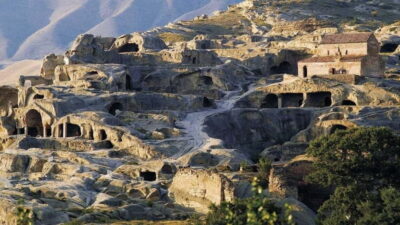
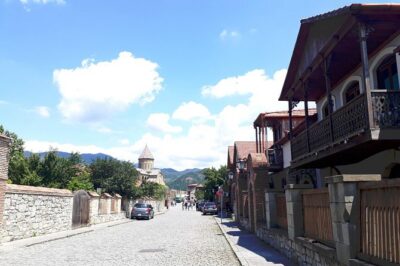
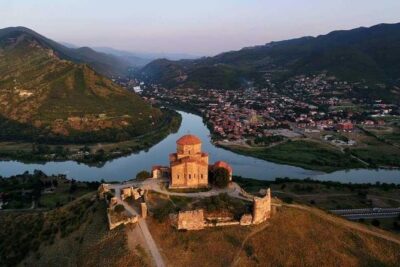
Mtskheta, Jvari, gori, uflistsikhe, history and panorama (group tours)
Read our review →Browse the lists this tour appears in