
Reviewed · CHIATURA & TSKALTUBO SOVIET TRIPS
Tbilisi: Discover the Soviet Past Walking Tour
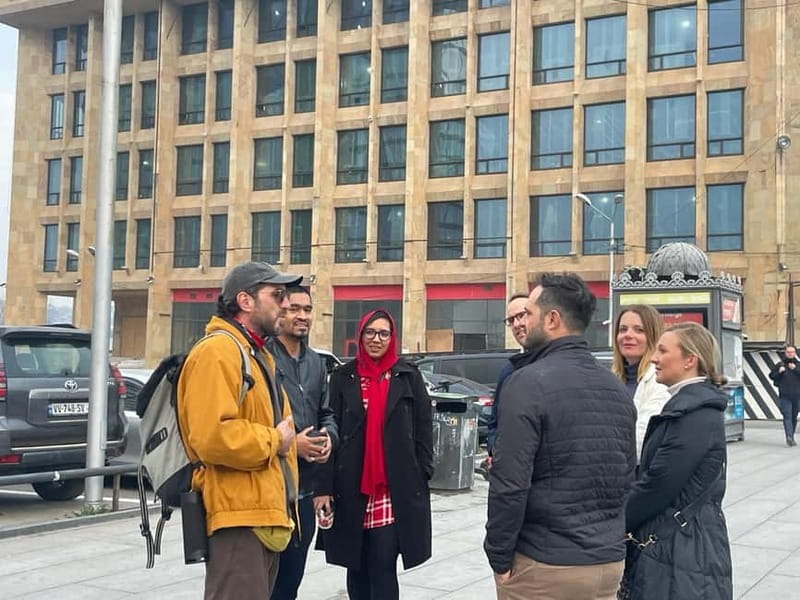
Soviet Tbilisi has a second story. This 2-hour walking tour turns the Soviet era into something human, using Soviet-era architecture and everyday-life themes like propaganda, family struggles, and constant surveillance. It is designed to feel more like guided conversation than a textbook march.
What I like most is the way the guide keeps the pace personal and question-friendly, not lecture-heavy, so you can ask the real stuff that matters. The other big plus is the focus on visible city details, so you are not just hearing ideas, you are looking at the buildings and planning choices that still shape Tbilisi today. One consideration: it is not suitable for wheelchair users.
In This Review
- Key things to notice on this Soviet Past Walking Tour
- Where Freedom Square sets the tone for Soviet Tbilisi
- Soviet design and city planning: what to look for on the walk
- Propaganda and public life: how politics moved through everyday streets
- Constant surveillance: the rules people lived with every day
- The private side: whispered truths, family life, and what never got written
- What the 2-hour format gets right, and where it might fall short
- Who this Soviet Past Walking Tour suits best
- Should you book it
- FAQ
- Where does the tour meet?
- How long is the Soviet Past Walking Tour?
- How much does it cost?
- Is the tour available in English?
- Is this tour suitable for wheelchair users?
- What will I learn during the tour?
- Can I reserve now and pay later?
- Is free cancellation available?
- How do I find the starting times?
Key things to notice on this Soviet Past Walking Tour

- Freedom Square, Gryphon statue start: you begin at a landmark that fits the political weight of the story.
- Architecture as evidence: you will pay attention to Soviet design and urban planning, not just photos and dates.
- Surveillance explained in everyday terms: the tour looks at what constant monitoring meant day to day.
- Propaganda, politics, and family life: you get the public and private sides, not just one mood.
- Personal storytelling with real-world context: the route is framed through a lived-in perspective rather than slogans.
- Small-group feel in a 2-hour format: it stays tight, and you can ask questions.
Other Chiatura and Tskaltubo Soviet-era trips:
- Tbilisi: The Urbex and Soviet Tour of Tbilisi★ 5.0 · 127 reviews
- 1 Day Private Armenia: UNESCO, Soviet & Curated Family Lunch★ 5.0 · 106 reviews
- Tbilisi old town & soviet heritage – Private driver-guided Tour★ 5.0 · 83 reviews
- Brutalist Tbilisi: Urban exploration and untold stories★ 5.0 · 82 reviews
Where Freedom Square sets the tone for Soviet Tbilisi
You start at Freedom Square, in front of the Gryphon statue. It is a smart meeting point, because you are right in the middle of the city’s civic energy, the kind of place where states show power in plain sight. From minute one, the tour signals that this is not about distant history. It is about how systems shaped daily life, choices, and even the way people walked and talked.
I like that the tour stays grounded in what you can see around you. Soviet history can sound abstract until you connect it to streets, buildings, and the way spaces were designed to manage people. In this case, the walk starts with a strong anchor, then uses the surrounding urban fabric to explain why the era felt so inescapable.
And the guide approach matters here. In the reviews, the English-language guide, Natalie, gets praised for being warm, energetic, and easy to talk with. That is exactly what you want for a subject like surveillance and propaganda, because those topics are emotional and personal, not just technical. If you prefer question time over monologues, this style should work well for you.
Soviet design and city planning: what to look for on the walk
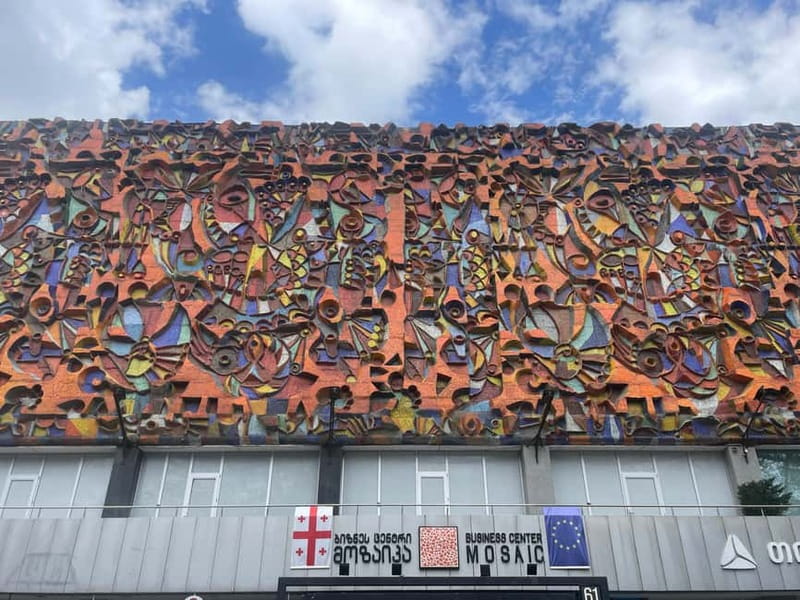
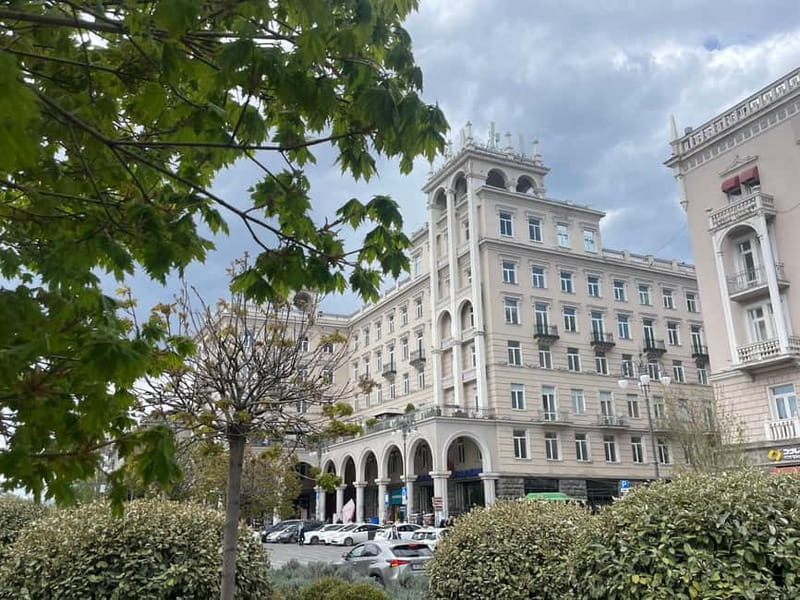
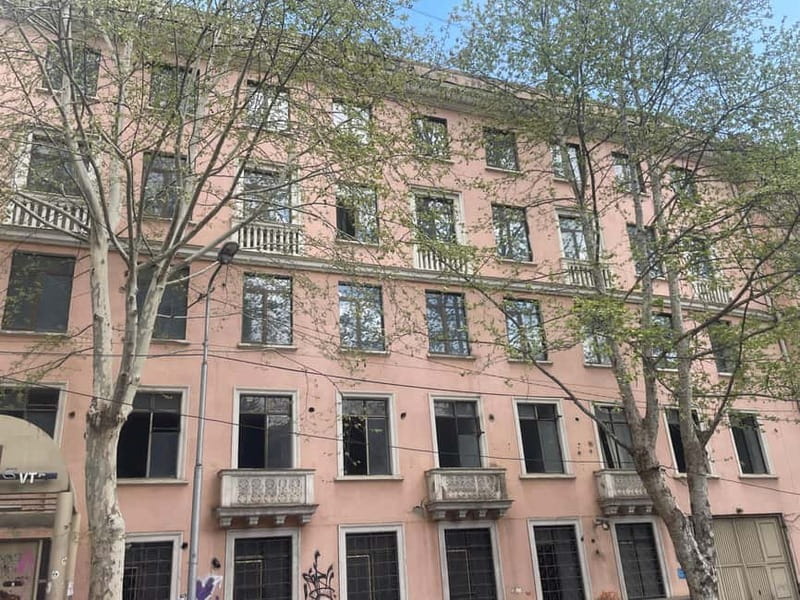
One of the tour’s main strengths is that it does not treat Soviet architecture as a museum label. It treats it as a functional tool of the era. As you walk, you focus on striking examples of Soviet design and the logic of urban planning. Even if you never studied architecture, you can still learn how to read it.
Here is what this part is really teaching you: when a government invests in buildings and layouts, it is teaching people how to exist in public. That can mean grand civic spaces, standardized construction choices, and a sense that everyday life is organized from above. The tour helps you connect those choices to the human experience underneath them.
You will likely notice details that make you think, so you can switch from passive sightseeing to active observation. Instead of asking what a building looks like, you start asking how it works, who it was meant to serve, and how people were expected to behave in that environment.
Practical tip: wear comfortable shoes and keep your eyes up. Soviet-era streetscapes can be visually repetitive, which is normal. The guide’s job is to help you spot the meaning hidden in that repetition. Reviews also highlight that the guide balances information with quirky personal touches, which can make the architecture feel less like a wall of facts.
Propaganda and public life: how politics moved through everyday streets
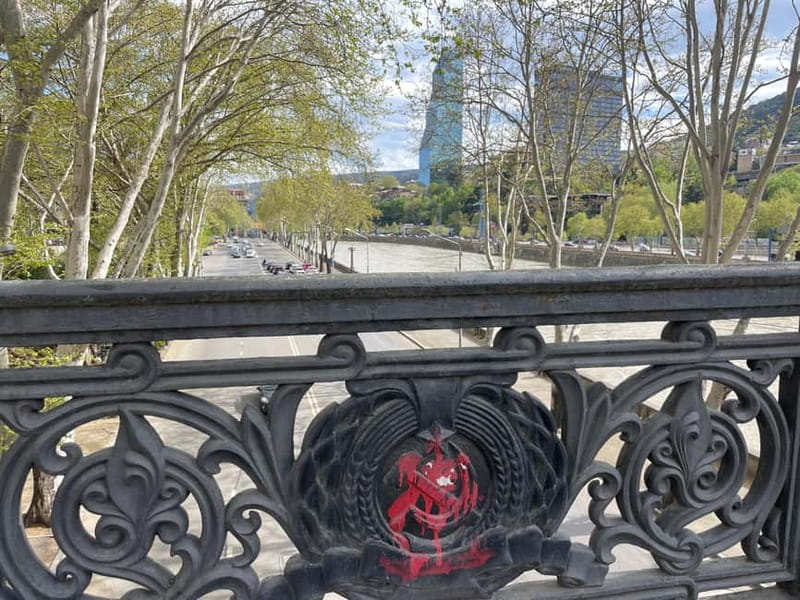
The Soviet Union was not only policies and leaders. It was messaging, performance, and control of the public story. This tour covers politics and propaganda as part of how daily life functioned, and it does so in a way that aims for reality, not just slogans.
As you walk through the central areas, the tour links what people were told with what they actually experienced. That contrast is one of the most valuable parts of this format. You get the idea that propaganda was not background noise. It shaped your expectations, your language, and what you thought was safe to say.
If you have ever wondered why certain historical accounts feel too clean, this is where the tour helps. It focuses on what people knew and whispered about, the things that never made it into books. That angle can be uncomfortable, but it is also what makes the tour memorable. You are not just learning about Soviet Georgia. You are learning how truth traveled under pressure.
And because the guide invites questions, you can tailor this section to your interests. Want more on how surveillance changed conversation at home? Or how propaganda affected public behavior? The conversational style described in the reviews is a real advantage in a short, 2-hour walk.
Constant surveillance: the rules people lived with every day
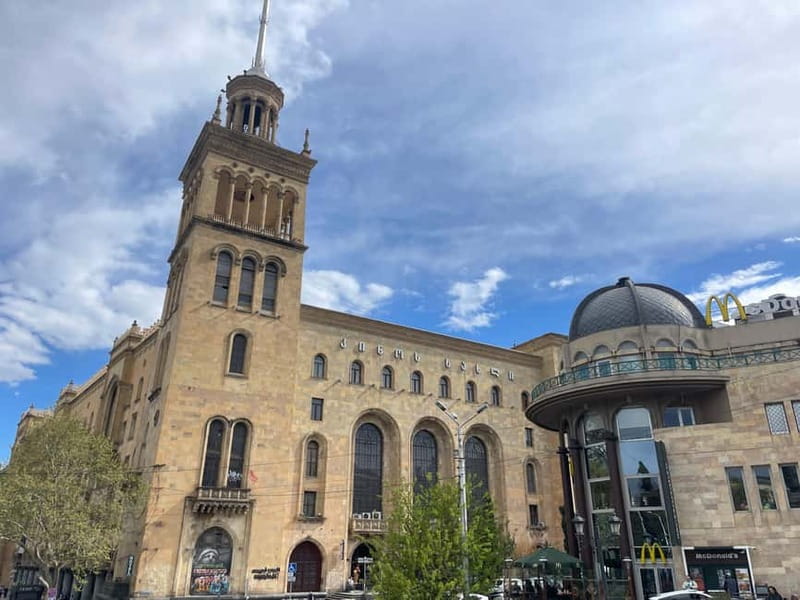
Surveillance is a heavy topic, but the tour keeps it understandable. The highlight list specifically calls out the realities of living under constant surveillance. The goal is not fear for fear’s sake. It is context: what it meant when your daily routines could be watched, recorded, or interpreted.
Here is why this matters for you, even if you are visiting decades later. When you learn how surveillance shaped communication, you start seeing why people developed indirect ways of talking. You also start understanding why public spaces and public language could feel different from private life.
This tour also frames surveillance as something embedded in normal routines rather than only dramatic arrests or dramatic headlines. That approach can change how you interpret Soviet-era stories. Instead of thinking of it as rare events, you start viewing it as an ongoing atmosphere.
Balanced note: since the tour is personal and story-driven, it may not read like a strictly chronological history lesson. If you want a detailed timeline of Soviet policy shifts, you might need this tour plus a more traditional historical source. But if you want the texture of lived experience, the surveillance section is likely to be the one that sticks with you.
More walking tours in Tbilisi:



The private side: whispered truths, family life, and what never got written
One of the most praised aspects, based on what readers focused on, is the way the guide brings out hidden stories and the day-to-day struggles of Soviet life. The tour aims to show things people knew, whispered about, and rarely found in official history.
That theme, family life, is important. Most Soviet-era discussions get stuck on institutions and ideology. This tour tries to bridge the public story and the private one, showing how larger political pressures could land inside homes and relationships. You are meant to walk away with a more complete sense of how an era can shape human behavior even when the political events feel distant.
This is also where the personal perspective helps. The tour is described as a dive into a bizarre and powerful era seen through the eyes of someone who lived through it or knows those who did. That framing turns “history” into lived texture, and it explains why the guide’s tone matters so much.
I also appreciate that this approach can feel humane. It does not ask you to perform outrage. It invites you to understand how people navigated their world with limited choices, and how they protected themselves while still living full lives.
If you like tours that connect facts to emotions and everyday details, this portion is a strong fit. If you prefer academic distance, you may find the human focus more intense than you expect, but the conversation-friendly style makes it easier to engage at your own comfort level.
What the 2-hour format gets right, and where it might fall short
A 2-hour walk is long enough to make you feel like you saw a real slice of the city, and short enough that it stays lively. Price-wise, it is positioned at about $26 per person. For Tbilisi, that is a fairly accessible ticket for a guided experience that covers multiple themes: architecture, urban planning, propaganda, surveillance, and personal storytelling.
The value comes from how tightly those themes are connected. You are not paying for one topic. You are paying for a guided lens that ties together how the Soviet system shaped space and shaped people. In a short time, that kind of thematic structure helps you walk away with a clearer mental picture than if you only wander on your own.
What could fall short? This is not a typical history tour. It is intentionally not a scripted march through dates. If you want thick chronology, this experience may feel more like a guided conversation through key ideas and scenes. The tradeoff is that you learn the feel of the era rather than memorizing a timeline.
Group size is another practical factor. The experience is built for a small group, and the reviews call out the tour feeling personalized to questions and learning style. In other words, you are not just listening from a distance. You are in a situation where your curiosity can steer the guide’s explanations.
Who this Soviet Past Walking Tour suits best
This tour fits best if you want Tbilisi to make emotional sense, not only historical sense. It is ideal for you if you are curious about how Georgia’s Soviet past influenced independence and identity, and you want context that goes beyond official summaries.
You will probably enjoy it if you like:
- architecture readings that connect buildings to behavior
- human-scale stories about daily life, including family life
- explanations of surveillance in plain language
- a guide who answers questions in real time
It may be less ideal if you need step-by-step museum-style content or you rely on wheelchair access, since it is not suitable for wheelchair users.
Also, if you are visiting and trying to choose one Soviet-themed experience, this can work as a strong foundation. You get a grounded, place-based understanding fast, which helps you later when you read about Soviet history on your own.
Should you book it
If you want a 2-hour walking tour that connects Soviet-era architecture with the reality of life under surveillance, I think booking makes sense. The meeting point is easy, the subject is clear, and the guide style comes through in the reviews as warm, energetic, and question-friendly, with Natalie named specifically.
I would book it if your goal is understanding how the era felt from the inside, not just memorizing facts. I would consider pairing it with a more conventional history source if you crave strict chronology.
If that sounds like you, grab a spot. Starting times depend on availability, so check what runs when your Tbilisi schedule is free, then walk out of Freedom Square with a sharper sense of how this city was shaped by a strange, powerful system.
FAQ
Where does the tour meet?
The guide waits for you at Freedom Square, in front of the Gryphon statue.
How long is the Soviet Past Walking Tour?
The tour lasts 2 hours.
How much does it cost?
It costs $26 per person.
Is the tour available in English?
Yes, the live tour guide speaks English.
Is this tour suitable for wheelchair users?
No, it is listed as not suitable for wheelchair users.
What will I learn during the tour?
You’ll explore Soviet design and architecture, learn about life under constant surveillance, and hear hidden stories about politics, propaganda, family life, and what people knew and whispered about.
Can I reserve now and pay later?
Yes, the tour offers a reserve now & pay later option.
Is free cancellation available?
Yes, you can cancel up to 24 hours in advance for a full refund.
How do I find the starting times?
Starting times depend on availability, so you need to check availability for what runs when.
Newer trips around Tbilisi
- Tbilisi Private Dinner: Georgian BBQ & Fireplace
★ 5.0 · 1 review - Tbilisi: Khinkali Tasting Lunch with Local Drinks and Pickup
★ 5.0 · 1 review - Day trip in Kakheti-wine tour
★ 5.0 · 1 review - Tbilisi & Mtskheta bus tour hop on hop off
★ 5.0 · 1 review - Tbilisi: Christmas Market & Hidden Gems Guided Walking Tour
★ 5.0 · 1 review - Stalin’s Secrets: An Underground Journey Through History
★ 5.0 · 1 review
Chiatura & Tskaltubo Soviet Trips, compared.


1 Day Private Armenia: UNESCO, Soviet & Curated Family Lunch
Read our review →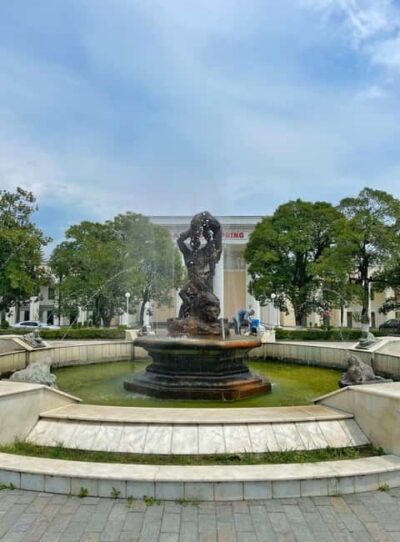
Abandoned sanatoriums of tskaltubo – group tour from Kutaisi
Read our review →
Chiatura Tour with Katskhi Pillar & Cable Car Experience
Read our review →
Tbilisi old town & soviet heritage – Private driver-guided Tour
Read our review →
Brutalist Tbilisi: Urban exploration and untold stories
Read our review →
Armenia: 1 Day Soviet gems, UNESCO + Family lunch (Small group)
Read our review →Browse the lists this tour appears in