
Reviewed · GEORGIAN FEAST & COOKING WORKSHOPS
Tbilisi: Khachapuri, Khinkali and Bread-Making Masterclass
Cheese pulls are serious business in Tbilisi. This 2-hour, small-group class teaches you how to make khachapuri and khinkali from scratch with step-by-step guidance and an interactive pace. You also learn traditional Georgian bread (shoti) methods so you leave with practical skills, not just a full belly.
I like how hands-on it feels, even if you are a beginner, and I also like the intimate format, limited to 10 people. One consideration: it is not suitable for gluten intolerance since the class involves dough-based recipes.
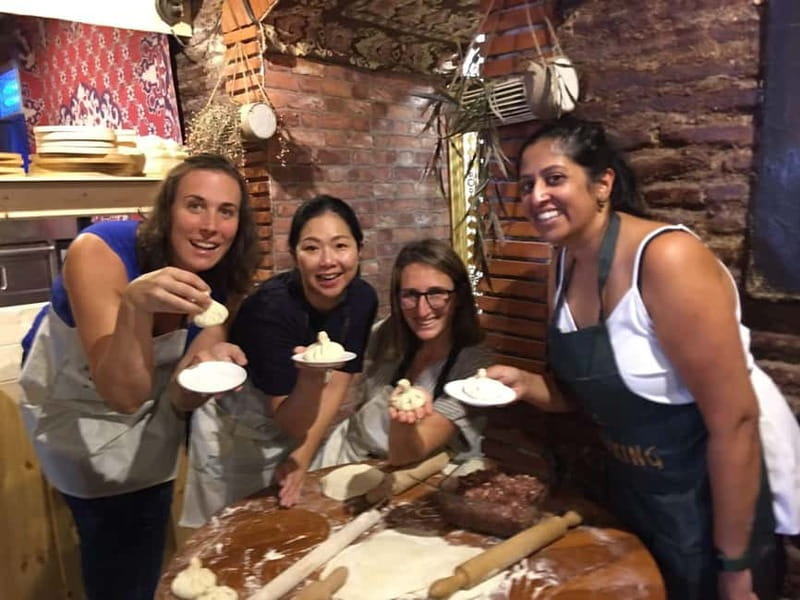
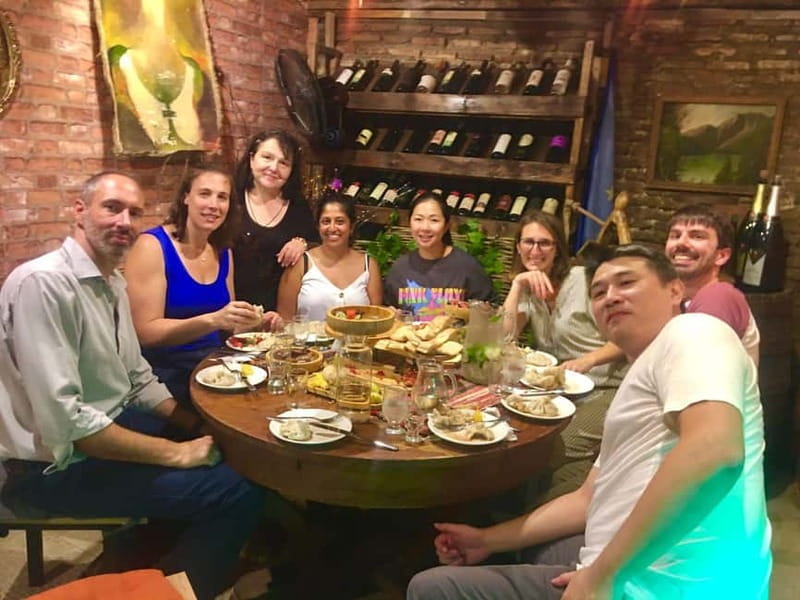
What makes it memorable is the homey, friendly vibe in the kitchen. In the small group, the instructor talks through what you are doing and helps you adjust while you work. People have specifically praised the warm hosting, including Lia Hanım, which matches the overall feel: relaxed, chatty, and focused on getting your food right.
In This Review
- Key Points I Think Matter Most
- A Friendly Tbilisi Kitchen Where You Learn by Doing
- Khachapuri: Getting the Dough Right and the Cheese Pull Wow
- Khinkali: Shaping Dumplings and Mastering the Soup-Filled Bite
- Shoti Bread: Learning the Traditional Method and Translating It Home
- The Two-Hour Flow: What You Can Realistically Learn
- What You Get for $76: Value Comes From Ingredients and Instruction
- Who This Class Suits Best in Your Trip Plan
- FAQ
- FAQ
- How long is the class?
- What is the price per person?
- How big is the group?
- What dishes do you learn to make?
- What languages is the instructor able to use?
- Where do I meet the group?
- Is it suitable for gluten intolerance?
- Should You Book This Georgian Cooking Class in Tbilisi?
Key Points I Think Matter Most
- Hands-on dough work for khachapuri, khinkali, and shoti bread
- Small group size (max 10), so you get real attention
- Step-by-step instruction for beginners and experienced cooks
- Interactive, kitchen-style learning with an easygoing home atmosphere
- English and Russian instruction with ingredients provided
- Not suitable for gluten intolerance due to wheat-based doughs
Other Georgian feast and cooking workshops:
- Tbilisi: Georgian Cooking Class with Khinkali and Khachapuri★ 4.7 · 1,146 reviews
- Small-Group Khinkali and Khachapuri Cooking Class in Tbilisi★ 4.5 · 224 reviews
- Tbilisi: Cooking Class with a Local Family★ 5.0 · 104 reviews
- Cook True Ajarian Khachapuri and Khinkali in Highlanders Style★ 5.0 · 93 reviews
A Friendly Tbilisi Kitchen Where You Learn by Doing
If you have ever watched Georgian cooking and thought, I could never get the dough right, this class is for you. The format is practical: you work through making dough, shaping, and building flavors while the instructor keeps things clear and interactive. You are not just tasting. You are learning the logic behind the food.
The best part, for me, is how quickly the skills click. The class is built around three iconic staples, so you get a mini toolkit for Georgian bread and dumpling techniques. And because the group is capped at 10, it stays social without turning chaotic.
The meeting point is simple but specific: look for the café bakery banner on a brick wall. If you are booking close to your dates, I strongly suggest keeping your schedule flexible and reserving at least 2 days ahead, because last-minute spots often shrink.
Khachapuri: Getting the Dough Right and the Cheese Pull Wow
Khachapuri is the cheese-filled Georgian bread that everyone recognizes, but not everyone understands. Here, you start with the dough from scratch and then move into the filling and bake. The goal is that classic combination of a golden crust and gooey cheese.
In your hands, the dough part matters most. You will learn how to build dough rather than relying on shortcuts. That is the difference between a decent result and the kind of khachapuri you want to recreate later. The instructor also focuses on the filling and what it takes to get that ideal texture, not just extra cheese.
Why this is valuable: khachapuri dough teaches you what Georgian bread dough should feel like, including how it behaves before and during baking. Once you understand that, you can better judge how dough thickness, shape, and oven timing affect the final bite.
Practical note: the class recipes center on gluten-based dough, so if you are avoiding gluten for health reasons, this is not the right fit.
Khinkali: Shaping Dumplings and Mastering the Soup-Filled Bite
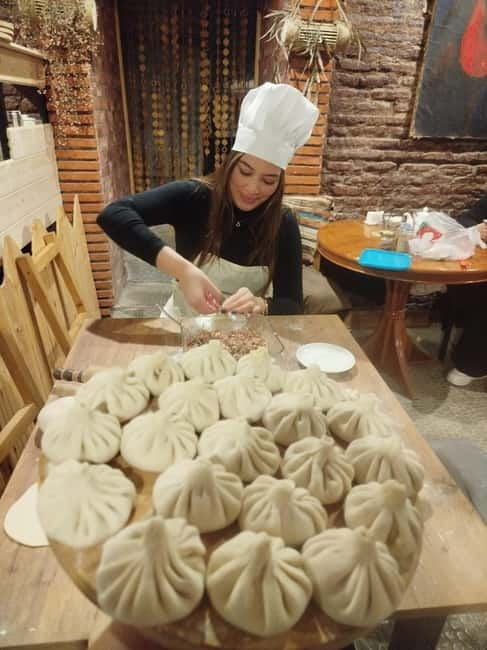
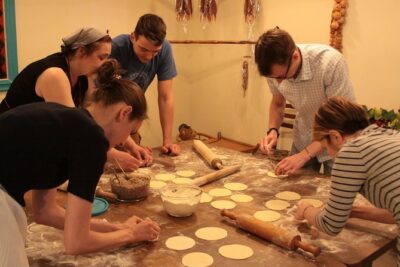
Khinkali are Georgian dumplings, usually meat-filled, and famous for a satisfying, juicy bite. In this class you learn the basics of making the dough, shaping the dumplings, and the technique that helps produce that iconic soup-filled experience.
The shaping step is where people often get stuck on their own. Done right, the dumpling holds together and seals well enough during cooking so you get that burst of savory filling when you bite in. Even if you are new to dumplings, you get guided practice rather than being left to freestyle.
What I like about this portion is that it connects technique to outcome. The instructor approach makes it easier to understand why a certain fold, seal, or dough thickness affects the final texture. That kind of cause-and-effect learning is gold if you want to cook these again at home.
Also, the recipes are interactive, so you will not just watch. You will work on your own dumplings and learn by comparing your progress to what you are aiming for.
Shoti Bread: Learning the Traditional Method and Translating It Home
Shoti bread is Georgia’s staple bread, and it is not trying to be fancy. It is about crust, crumb, and that bread feeling that makes a meal instantly better.
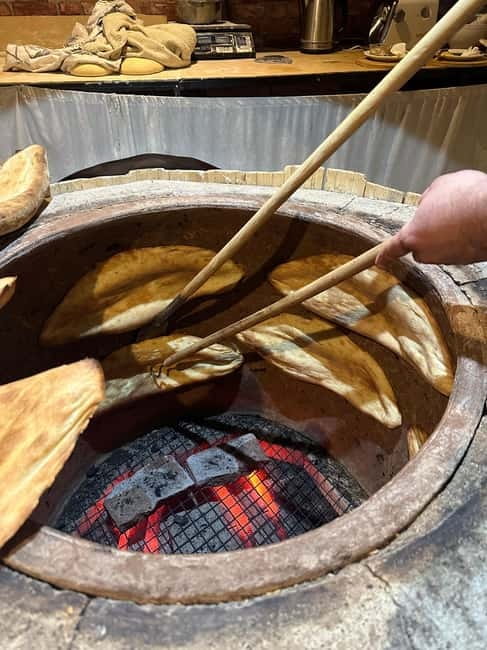
In the class, you learn traditional methods for making and baking shoti. The information includes a clay-oven, tandoor-like approach, plus how to adapt the process for a home kitchen. That adaptation matters because most visitors do not have access to a clay oven, but you still want the right style of bread.
Expect emphasis on the basics that control the result: dough handling, shape, and baking conditions that support a crisp, golden crust with a soft, pillowy interior. When you learn shoti, you are not only making one bread. You are learning how Georgian bread culture thinks about texture and bake.
Why this section is worth it: it helps you avoid the common home-kitchen disappointment where bread tastes flat or bakes inconsistently. You leave with a more reliable method you can repeat.
Other Tbilisi tours and day trips:


The Two-Hour Flow: What You Can Realistically Learn
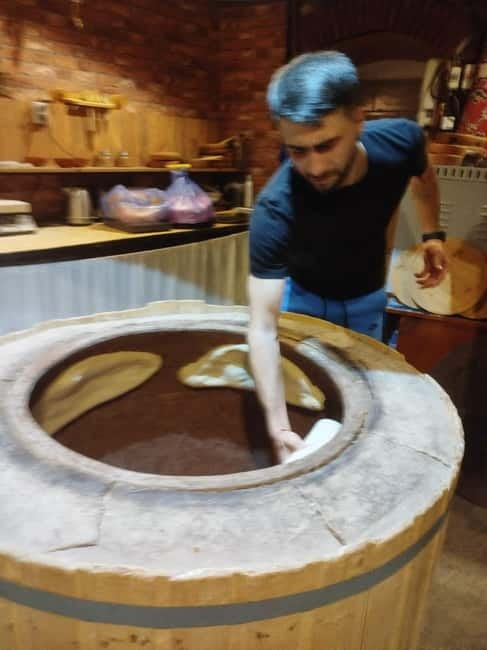
This is a compact 2-hour experience, so it works best if you go in with one mindset: practice, not perfection. The class covers multiple dishes, which means you will get skill-building time across khachapuri, khinkali, and shoti bread rather than a deep focus on only one recipe.
Because it is limited to 10 participants, the instructor can guide people as they work, which is exactly what you want in a hands-on cooking setting. You should also expect a friendly pace. The atmosphere is often described as warm and homey, and that helps you relax while you learn dough handling, shaping, and baking steps.
A real advantage for first-timers: you get step-by-step instruction even if you have never made dough before. If you are an experienced cook, you can still learn from the way the instructor explains specific texture goals, like crust crispness and the dumpling bite.
What You Get for $76: Value Comes From Ingredients and Instruction
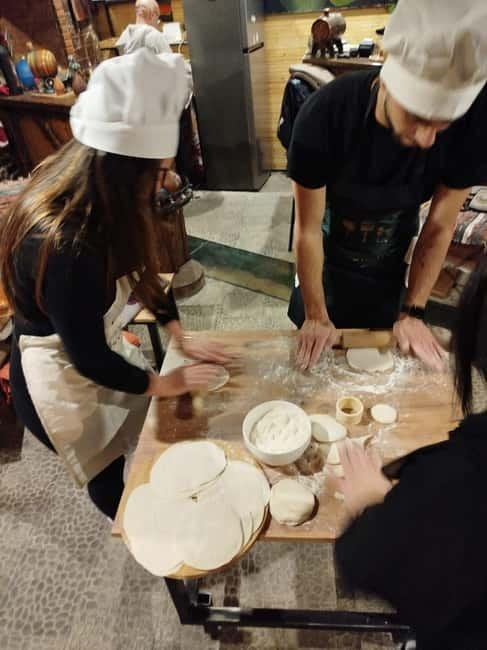
At $76 per person for 2 hours, the price makes sense when you look at what is included. You get the cooking class, all necessary ingredients, and the instructor. That combination matters because dough and baking ingredients add up, and the real cost is skilled teaching time.
You do not need to bring tools or ingredients, which lowers friction if you are traveling. Also, the class includes English and Russian instruction, helpful if you want to follow along in the language you are most comfortable with.
What is not included: alcoholic drinks. So if you want a drink with dinner plans afterward, you will need to buy it separately.
For value, focus on the skill transfer. You are paying for the chance to learn techniques you can recreate, especially dough basics and shaping methods for khachapuri and khinkali, plus shoti bread baking translation for a home oven.
Who This Class Suits Best in Your Trip Plan
I think this tour is a strong match if you want authentic Georgian flavors without guessing. It is also great if you like cooking classes where you do the work, because the format is hands-on and interactive.
You will probably feel most at home if you:
- enjoy bread and dumplings
- want practical skills you can use later
- like learning in a small group environment
It is not suitable for gluten intolerance, since the recipes are dough-based and require wheat. If you fall into that category, you will likely need to pass.
If you are on a tight schedule in Tbilisi, the 2-hour duration is a sweet spot. It gives you a meaningful cooking experience without swallowing a whole day.
FAQ
FAQ
How long is the class?
The class lasts 2 hours.
What is the price per person?
The price is $76 per person.
How big is the group?
The group is limited to 10 participants.
What dishes do you learn to make?
You learn khachapuri, khinkali, and traditional Georgian bread called shoti.
What languages is the instructor able to use?
The instructor speaks English and Russian.
Where do I meet the group?
Meet at the café bakery banner on a brick wall.
Is it suitable for gluten intolerance?
No, it is not suitable for people with gluten intolerance.
Should You Book This Georgian Cooking Class in Tbilisi?
Yes, book it if you want more than tasting. The best reason to choose this class is the hands-on learning: dough from scratch, shaping dumplings for that soup-filled bite, and baking shoti with traditional method guidance plus home-kitchen translation. For $76, with ingredients and instruction included, it is a practical use of your time.
Skip it only if gluten intolerance applies to you. If you are otherwise flexible, reserve ahead, keep your schedule open, and plan to treat this as skill practice. You will leave with Georgian comfort food knowledge you can actually repeat, not just a good memory.
Newer trips around Tbilisi
- Tbilisi Private Dinner: Georgian BBQ & Fireplace
★ 5.0 · 1 review - Day trip in Kakheti-wine tour
★ 5.0 · 1 review - Tbilisi: Khinkali Tasting Lunch with Local Drinks and Pickup
★ 5.0 · 1 review - Tbilisi & Mtskheta bus tour hop on hop off
★ 5.0 · 1 review - Tbilisi: Christmas Market & Hidden Gems Guided Walking Tour
★ 5.0 · 1 review - Stalin’s Secrets: An Underground Journey Through History
★ 5.0 · 1 review
Georgian Feast & Cooking Workshops, compared.
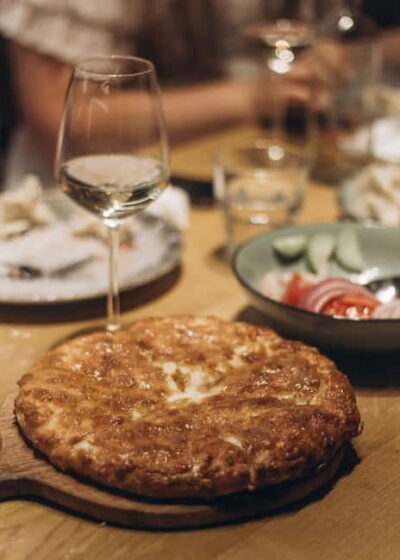
Georgian Cooking Class with Khinkali and Khachapuri
Read our review →
Small-Group Khinkali and Khachapuri Cooking Class in Tbilisi
Read our review →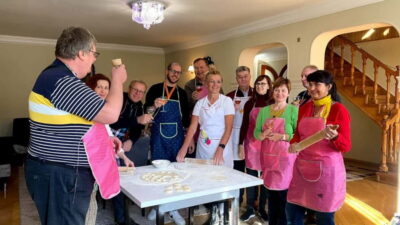
Cook True Ajarian Khachapuri and Khinkali in Highlanders Style
Read our review →
Taste of Kakheti: Wine Tour Bread Baking & Churchkhela Workshop
Read our review →
Nana’s Kitchen – traditional Georgian cooking class at real Georgian family home
Read our review →
Join a Local for a Market Tour, Cooking Class and Meal in her Tbilisi Home
Read our review →
Browse the lists this tour appears in