
Reviewed · GEORGIAN FEAST & COOKING WORKSHOPS
Batumi: Cook Georgian Khachapuri in Batumi
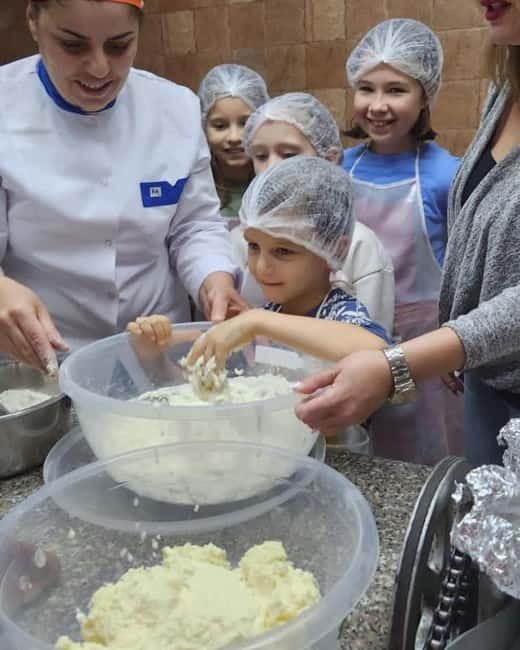
Khachapuri is where Georgia gets personal. This Batumi class turns that comfort food into a skill you can repeat. You get hands-on instruction and a clear target: master Adjarian khachapuri in about 90 minutes. I also like the tight small-group format (up to 8), because it makes real feedback possible, not just a cooking show vibe.
Two big wins: you follow step-by-step guidance as you make your dough and shape the classic boat-style khachapuri, and then you eat what you baked with a free drink. The main drawback to weigh is that the experience runs in Russian, and it is not suitable if you have gluten or lactose intolerance.
In This Review
- Key points before you go
- Batumi khachapuri in 90 minutes, with real hands-on baking
- Marani hotel space meeting point, and why you should arrive early
- Adjarian khachapuri: what you are really learning to make
- Local master guidance and real-time feedback in a tight group
- What you eat after baking, and where extras can sneak in
- Price and value: is $58 fair for 1.5 hours of cooking?
- Who this Batumi khachapuri class suits best
- Practical tips to get the best result at the oven
- Should you book Batumi Cook Georgian Khachapuri?
Key points before you go
- Small group coaching: limited to 8, so you can ask questions and get correction
- Adjarian khachapuri focus: you’re not learning a generic Georgian dish, you’re learning one signature style
- Step-by-step workflow: you get instructions and real-time tips as you go
- Fresh bake + drink included: your khachapuri plus tea, coffee, or lemonade
- Language matters: the instructor speaks Russian, so come ready for that
- Plan for timing surprises: one prior guest described a power cut on arrival, so patience can help
Other Georgian feast and cooking workshops:
- Batumi Khinkali: Hands-On Masterclass with a Local Master★ 4.1 · 6 reviews
- Batumi: Georgian Cooking Class of Khachapuri by Local Master★ 5.0 · 2 reviews
- Tbilisi: Georgian Cooking Class with Khinkali and Khachapuri★ 4.7 · 1,146 reviews
- Small-Group Khinkali and Khachapuri Cooking Class in Tbilisi★ 4.5 · 224 reviews
Batumi khachapuri in 90 minutes, with real hands-on baking
This is a short, practical class. The duration is listed as 1.5 hours, and that matters, because you are not meant to spend half a day wandering a market and watching from the sidelines. You show up, follow a sequence, bake, and then eat what you made.
The value here is not just the food. It’s the process. You’re learning traditional techniques for Adjarian khachapuri, which is the famous style that people recognize by shape. The class is built to help both beginners and more experienced cooks, with instruction that you can actually apply later when you are cooking at home.
Because it’s small (up to 8 participants), you get more attention than you would in a big group workshop. That’s also why you can expect real-time feedback and tips, not just a script. If your dough is too wet or your shaping feels off, this format gives you a chance to correct it while there is still time.
Marani hotel space meeting point, and why you should arrive early
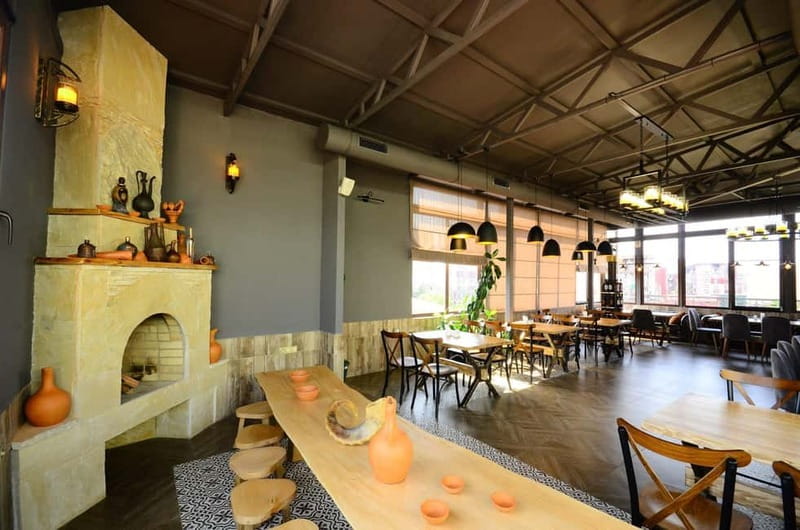
Your meeting point is the Marani hotel space. That sounds simple, but in practice these hotel-adjacent meeting spots can be easy to miss if you arrive right on time or if signage is unclear.
One prior guest noted that directions could have been better described and that, on arrival, they did not initially appear to be expected. Translation for you: give yourself cushion time. If you can, show up a bit earlier than you think you need, and be ready to confirm where the group is gathering within the hotel area.
Also consider that cooking classes sometimes deal with building-level issues. Another guest described an arrival power cut, and the host handled it by offering tea and waiting. That doesn’t mean it will happen to you, but it’s a reminder that a short class works best when you stay flexible and do not assume everything will run like a machine.
Adjarian khachapuri: what you are really learning to make

The class name might be simple, but the cooking goal is specific: Adjarian khachapuri.
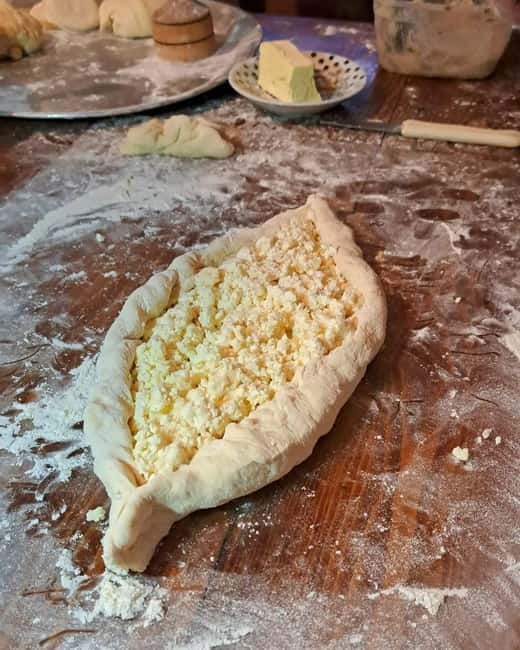
Adjarian khachapuri is known for its signature look and for how the topping is handled. In a good class format, you learn the full chain. That usually means dough prep, dough handling, shaping, adding the filling, and then baking. In this case, you’re getting instructions for the experience and ingredient support, and you’ll bake your khachapuri with guidance from a local master.
The highlight also points to a hands-on outcome: you create it yourself. That’s the difference between tasting and learning. When you shape the dough and build the filling with your own hands, you start to understand why Georgian cooks do things the way they do. Later, when your first attempt at home is not perfect, you’ll know what went wrong, instead of guessing.
The cooking lesson also comes with cultural context. You’re not just making a food. You’ll get a deeper understanding of khachapuri’s role in Georgian dining and why it’s such a centerpiece in everyday meals. I like that, because it helps you remember the dish, not just the recipe.
Local master guidance and real-time feedback in a tight group
This class includes baking Khachapuri through local master guidance, plus ingredients and instructions. That “master guidance” part is the heart of the value. With only a small group, the instructor can watch what you’re doing and correct the details that affect the final result.
In many cooking classes, the instructor explains and moves on. Here, the highlights emphasize real-time feedback and tips. That means you can adjust while the dough is still workable and before the baking window closes.
The instructor is listed as Russian. So if you do not read or speak Russian, go into it with patience and a willingness to learn through observation and gestures. You’ll likely pick up a lot anyway, because cooking is visual. But if you rely on full language comprehension to follow step-by-step instructions, this is something to consider.
I also like the class style for confidence building. If you’ve never made khachapuri before, you do not need to become a Georgian baker overnight. You just need to finish this class knowing you can recreate the method at home, at least as a first try.
Other Batumi tours and Black Sea days:



What you eat after baking, and where extras can sneak in
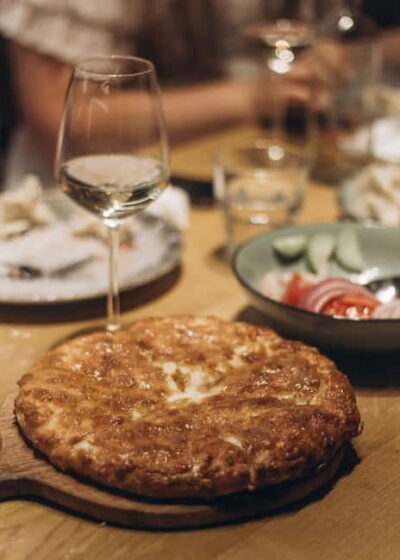
Your meal is included as part of the experience. After your khachapuri is baked, you enjoy it fresh with your choice of free tea, coffee, or lemonade.
That included drink matters more than you might think. In some classes, you bake something and then wait around for an unclear snack. Here, you have a straightforward finish: you eat the khachapuri you made, and you get a drink that fits the meal.
One prior guest described a setup where, during a delay caused by a power cut, the host offered tea and made people wait. They also mentioned that there was time to eat and enjoy wine at the rooftop. Wine was not described as part of the included items, so treat any alcohol as a potential extra unless the included menu clearly says otherwise.
They also reported that drinks offered were free but that a salad was charged. I can’t confirm how your experience will be handled, but it’s a good practical habit: when food or sides appear, ask what is included in your class price and what is an add-on. This keeps the experience enjoyable, not awkward.
Price and value: is $58 fair for 1.5 hours of cooking?
$58 per person for 1.5 hours sounds steep if you compare it to a casual coffee and snack outing. But compare it to what you actually get: instructor-led baking, ingredients and instructions, and your own freshly baked khachapuri plus a drink.
The class is also limited to 8 participants. That small group structure usually costs more than the big-bus-style workshops. You are paying for focused guidance and for the local master’s time.
Now, one consideration. A previous guest described the masterclass as lasting around 10 minutes, with more time spent eating khachapuri and enjoying the setting. That suggests the “teaching” might be brief and then you work with your hands while the cooking continues. That can still be a good value, especially if you like hands-on learning. But if you expect a long, continuous lecture-style lesson, lower expectations help.
To decide if it’s worth it for you, think about your goal:
- If you want a one-off eating experience, you can probably find cheaper meals.
- If you want a skill you can reproduce at home, the ingredient-included, guided baking format is where the money makes sense.
Also, the class is specifically about Adjarian khachapuri. That specialization helps. You are not paying for “Georgian food 101” that covers three dishes for the same price and leaves you with less certainty on any one recipe.
Who this Batumi khachapuri class suits best
This experience fits you well if you want a compact, meaningful cooking class that ends with something you made and actually baked.
It’s also a good match if you:
- like step-by-step learning and hands-on food making
- enjoy food culture context, not just recipes
- travel with friends but still want enough attention to fix mistakes
It’s not suitable for you if you have gluten intolerance or lactose intolerance. That’s a hard stop based on the class suitability notes.
Language is another match factor. Since the instructor speaks Russian, you’ll have the best time if you’re comfortable following cooking actions even if you’re not fluent in Russian.
Practical tips to get the best result at the oven
I’ll give you the practical stuff that tends to matter in short classes like this.
Arrive on time, but do not sprint. Hotel meeting points can be confusing. Give yourself a few extra minutes so you can settle in without stress.
Bring a curious mindset. With a small group and real-time feedback, it’s easy to ask simple questions like:
- Should the dough feel more soft or more elastic at this stage?
- What is the cue that your topping and shaping are on track?
If you have dietary needs, do not assume substitutions are possible. The class clearly says it is not suitable for gluten or lactose intolerance, so avoid planning around swaps you might have to improvise yourself.
And watch for add-ons. The included part is the freshly baked khachapuri plus your choice of tea, coffee, or lemonade. If sides like salad or anything else appear, ask what costs extra.
Should you book Batumi Cook Georgian Khachapuri?
Book it if you want a focused, hands-on session that teaches Adjarian khachapuri with local master guidance, small-group attention, and a satisfying end result you can take home as a real skill. The price makes more sense when you treat it as an ingredient-included baking workshop, not just a snack event.
Skip it if you need gluten or lactose-free food, or if you only want long, instructor-led explanations in a language you fully understand. Also, if you hate any chance of delays, be aware that cooking venues can face hiccups like power outages, and a host may shift the schedule to keep you fed and comfortable.
If you’re the type of traveler who likes to leave with something practical, like an oven-ready recipe you can repeat, this is a smart little stop in Batumi.
Newer trips around Batumi
- Batumi: Exploring Botanical Garden + Family Wine Tasting
★ 5.0 · 1 review - Full Day Tour From Batumi to Waterfalls
★ 5.0 · 1 review - From Batumi: Cook Like a Local – Georgian Culinary Classes
★ 5.0 · 1 review - Batumi: Leather Wallet Workshop with Artisans
★ 5.0 · 1 review - Batumi Mestia Private Transfer (Vice versa)
★ 5.0 · 1 review - Batumi: Private, Delightful Car boat Ride at Black Sea
★ 5.0 · 1 review
Georgian Feast & Cooking Workshops, compared.
Georgian Cooking Class with Khinkali and Khachapuri
Read our review →
Small-Group Khinkali and Khachapuri Cooking Class in Tbilisi
Read our review →
Cook True Ajarian Khachapuri and Khinkali in Highlanders Style
Read our review →
Taste of Kakheti: Wine Tour Bread Baking & Churchkhela Workshop
Read our review →
Nana’s Kitchen – traditional Georgian cooking class at real Georgian family home
Read our review →
Join a Local for a Market Tour, Cooking Class and Meal in her Tbilisi Home
Read our review →
Browse the lists this tour appears in